

Quick Take: A sharp cramp on the right side of your belly may be more than just gas. It could signal conditions like appendicitis (inflammation of your appendix) or gallstones. If your pain is severe, lasts more than a few hours, or comes with a fever, chills, or vomiting, call emergency services now.
Many people brush off these cramps as simple gas. But sometimes, these pains hint at something more serious. Watch for red flags. Track your symptoms and changes so you can share this info with your doctor. Acting early can help keep your health on track.
Recognizing Stomach Cramps Right Side: What They Indicate and When to Act
Quick Take: Right side cramps can come from many causes. If you notice key warning signs, call your doctor now.
If you have any of these signs, act immediately:
- Sudden, strong pain on the right side
- Fever over 100.4°F (38°C)
- Repeated vomiting or not keeping fluids down
- Blood in your stool or urine
- Pain with a noticeable bulge in your groin
- Severe menstrual pain that does not get better with regular medicine
Right side stomach cramps can be due to issues with your digestion or other organs. Sometimes, gas buildup or irritable bowel syndrome (IBS, a condition that causes stomach cramps often after eating or feeling stressed) can be the cause. Gallstones may cause pain in the upper right side that moves to your back. Appendicitis (infection of the appendix) usually starts as pain near the belly button before it shifts to the lower right and gets much sharper.
Other problems not related to digestion can cause similar pain. For example, hepatitis (liver inflammation) and pancreatitis (inflammation of the pancreas) might make your upper stomach hurt and send pain to your back. Kidney stones or infections can lead to pain that moves toward your back or groin. Structural issues like inguinal hernias or conditions affecting your reproductive organs, such as ovarian cysts or testicular torsion, may also cause cramps on the right side.
It’s important to track your symptoms. Write down when the pain starts, how long it lasts, and if you experience nausea or changes in your bowel habits. If any warning signs appear, act now and contact a healthcare provider for a quick checkup.
Gastrointestinal Causes Behind Lower Abdominal Spasms on Right
Right-side spasms can stem from gas, gallstones, or appendicitis. Each cause has its own triggers and signs, so knowing the differences can help you decide what to do next.
Gas and Irritable Bowel Syndrome
Gas buildup or irritable bowel syndrome (IBS) can lead to cramping and swelling on the right side of your belly. Stressful meals or certain foods may trigger these spasms. The trapped gas can cause a sharp, crampy pain that lasts anywhere from a few minutes to several hours, easing once the gas passes. Imagine feeling a sudden, sharp cramp after a stressful meal that fades after a short walk.
Gallstones
Gallstones are small deposits that block bile ducts and cause a type of pain called biliary colic. This pain usually starts 30 to 60 minutes after eating a fatty meal and is felt in the upper right side of your belly. It may also spread to your back or feel similar to indigestion. For instance, after a rich meal, you might experience a severe, cramp-like pain that seems to travel from your upper right belly toward your back.
Appendicitis
Appendicitis is inflammation of the appendix. It typically starts as a dull ache near your bellybutton and then shifts to the lower right side within about 6 hours. The pain may intensify, especially if you develop a low fever, feel nauseated, or lose your appetite. For example, you might notice a mild ache near your navel that moves to your lower right abdomen, accompanied by fever and appetite loss, signs that need prompt care.
| Condition | Onset & Location | Typical Symptoms |
|---|---|---|
| Gas/IBS | Starts quickly; pain varies along the colon | Sharp cramping, bloating, relief when gas passes |
| Gallstones | 30–60 minutes after eating; upper right abdomen | Severe cramp-like pain, possible back pain, nausea |
| Appendicitis | Begins near the navel; shifts to lower right in about 6 hours | Starts dull then becomes sharp, fever, nausea or loss of appetite |
Hepatobiliary and Pancreatic Triggers of Upper Right Region Pain in Stomach
Acute hepatitis (liver inflammation) may cause pain in your upper right belly. The pain can be dull or sharp and often gets worse after you eat. It commonly arises from viral infections, alcohol use, certain medications, or autoimmune conditions. You might feel deep, steady pain that grows over time, signaling possible liver inflammation.
Pancreatitis (inflammation of the pancreas) creates severe upper belly pain that can spread to your back and left shoulder. Heavy alcohol use or a fatty meal can trigger this pain suddenly. It may feel burning or stabbing and come with cramps in the upper right area after eating. If the pain spreads, it is important to seek medical advice.
Urinary and Structural Factors Causing Spasmodic Distress in Right Abdomen
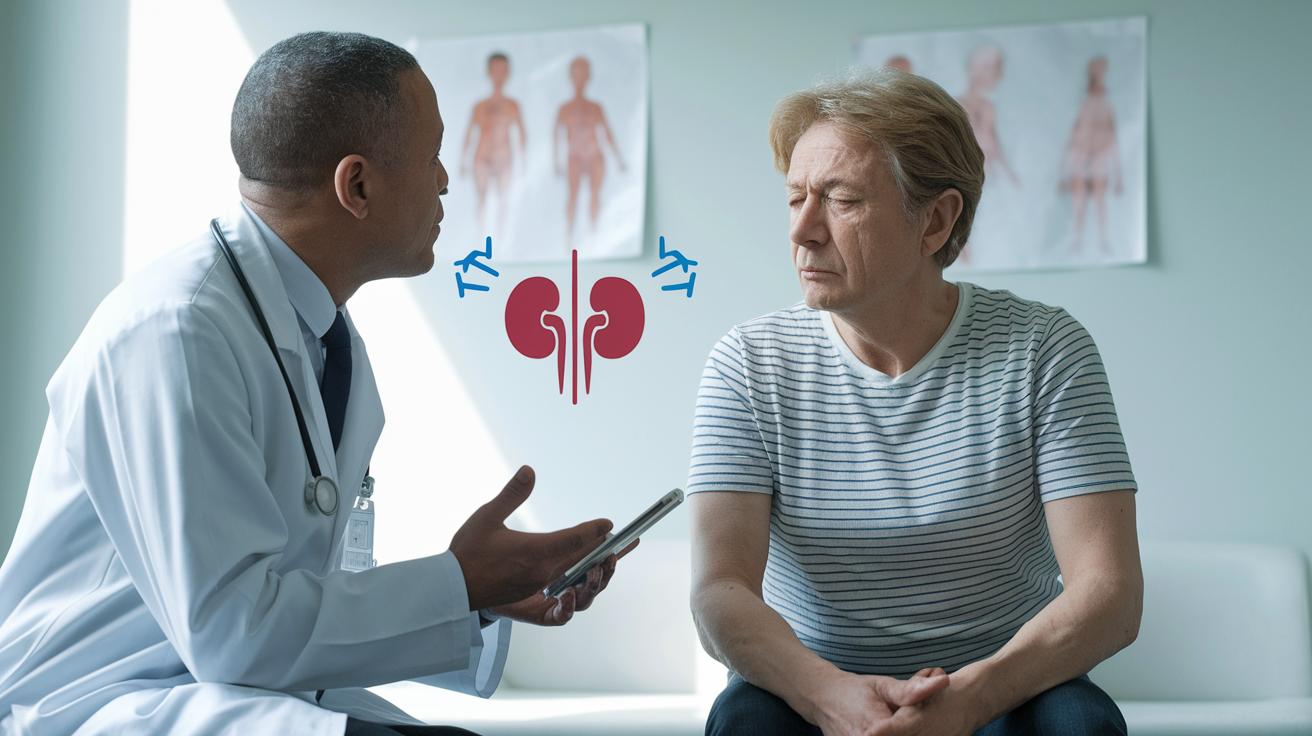
Quick take: Sudden shifting pain or a groin bulge may signal kidney stones, infection, or an inguinal hernia.
If you have any of these emergency signs, call emergency services now:
• Severe pain that won’t let up
• High fever with chills
• A rapidly enlarging or very painful bulge in the groin
Kidney stones and infections show up with different pain patterns. Kidney stones usually cause sharp, cramping pain that starts in your side and moves toward the groin. Infections tend to bring a steady, aching pain on your right side along with fever and chills. Tests like a urine check and imaging such as an ultrasound or CT scan help your clinician tell them apart. If you notice sudden, shifting pain or even blood in your urine, jot down these details on a symptom tracker and share them with your clinician.
Inguinal hernias often appear as a small bulge in the groin that becomes more obvious or sore when you move, cough, or lift. Watch for changes in the bulge; if it grows quickly or the pain becomes sharp, tissue might be trapped. A physical exam and an ultrasound can confirm the problem. If a bulge seems to worsen with everyday activities, note its size and how much it hurts to discuss with your healthcare provider.
Reproductive and Muscular Sources of Right-Sided Abdominal Pain
Quick take: Right-side pain may signal reproductive issues or muscle strain.
Triage Box:
• If you have sudden, severe pain that worsens quickly, call emergency services now.
• If you notice fever, heavy or abnormal discharge, or swelling in the testicle, seek urgent medical care.
• If your pain does not follow clear physical activity and does not improve with rest, get evaluated by a clinician.
Female Reproductive Conditions
Women can experience pain on the right side of the belly due to several reproductive issues. Ovulation pain (mittelschmerz) causes a quick, sharp cramp in the middle of your abdomen at the time of ovulation. Ovarian cysts can form and lead to steady, local cramps in the right belly. Endometriosis (a condition where tissue similar to the uterus lining grows outside it) brings ongoing pain that often gets worse during each menstrual cycle. Pelvic inflammatory disease, an infection in the upper reproductive tract, usually comes with fever and unusual discharge. Ovarian torsion, where an ovary twists and cuts off its blood flow, causes sudden, intense pain and is a medical emergency.
Male Reproductive Emergencies
In males, testicular torsion happens when the spermatic cord twists, cutting off blood flow. This causes very sharp, sudden pain in the groin area that can spread to the right lower abdomen. This problem is more common in teenage boys but can sometimes affect adult men. Because of the risk of permanent damage, it is important to get treatment immediately if you experience these symptoms.
Muscular Strain
Sometimes right-side abdominal pain is not from an internal problem but from a muscle strain. Heavy lifting or intense exercise can pull or injure the abdominal muscles, leading to sharp pain that gets worse with movement or pressing on the area. If the pain clearly follows physical activity and gets better with rest, it is likely due to muscle strain. However, if it stays long or comes with other symptoms like fever or swelling, you should talk with a healthcare provider to rule out other causes.
When to Seek Medical Attention for Stomach Cramps Right Side
Quick take: If you feel a sudden, sharp pain on the right side of your belly, check for red flags and act fast.
If you have any of these emergency signs, call emergency services now:
- Fever over 100.4°F
- Repeated vomiting or not keeping fluids down
- Unusual discharge
- Pain when urinating
A doctor will ask when the pain started, how it has changed, and what makes it worse. They will gently press your belly to see if there is tenderness, rebound pain (more pain when pressure is released), or any unusual lumps. For example, you might be asked, "When did the pain begin and have you noticed any discharge?" You can also view the triage flowchart for abdominal pain here: triage flowchart for abdominal pain.
Keep a close eye on your symptoms. Write down how long the pain lasts, its intensity, and any new changes. If the pain increases or you notice any red flags, seek medical help immediately to avoid complications.
Home Management and Monitoring of Stomach Cramps Right Side
Using a warm compress on your lower right side can calm your stomach muscles and ease cramping. Try placing a warm towel on that area for 15 minutes while you sip water slowly to stay hydrated. Over-the-counter antispasmodic medicine may help if your pain is strong.
Changing your eating habits can also reduce cramps. Eat small, frequent meals instead of big ones. Stick with lean proteins and steamed vegetables. Avoid fatty foods and items that cause gas like beans, cabbage, and fizzy drinks.
Keep a simple diary of your symptoms. Write down the time when the cramps start, how long they last, and any foods or activities you think trigger the pain. This record will be very useful when you talk to a clinician about your symptoms.
Final Words
In the action, you’ve learned that stomach cramps right side can be caused by many factors, from digestive issues like gas and IBS to potential emergencies such as appendicitis. We broke down red flags that mean you should seek care immediately and offered practical steps to monitor symptoms at home.
Keep a close eye on changes and record your experiences. With clear, trusted guidance, you’re empowered to act safely. Your steady approach can make managing these symptoms much simpler.
FAQ
Q: What causes pain in the lower right abdomen for females?
A: The pain in the lower right abdomen in females can arise from digestive issues, ovarian factors like cysts or torsion, or muscle strain. Watch for persistent or worsening pain and consult a healthcare provider.
Q: Why does right side pain come and go?
A: The right side pain comes and goes due to factors like gas buildup, irritable bowel syndrome (IBS), or kidney issues. This intermittent pain may change with eating, physical activity, or stress.
Q: Why do I experience cramping on the right side of my stomach?
A: The right-side stomach cramps may stem from digestive disturbances, reproductive issues, or muscle strain. Keeping a record of when the pain occurs can help identify triggers and guide medical assessment.
Q: When should I worry about right side pain?
A: The right side pain should prompt concern if it is sudden, severe, or comes with fever, persistent vomiting, or blood in stool. These warning signs indicate that urgent medical evaluation is needed.
Q: What stomach pains should you never ignore?
A: Stomach pains that accompany symptoms like high fever, repeated vomiting, or visible blood should never be ignored. These critical signs require prompt medical attention to rule out serious conditions.