


Quick Take: Chest tightness may come from several issues. Check for danger signs and act quickly if needed.
If you have any of these signs, call emergency services now:
• Severe chest pain that won’t go away
• Pain spreading to your arm, neck, or jaw
• Trouble breathing or feeling very short of breath
Chest tightness may be caused by lung problems, muscle strain, or even anxiety. It can feel heavy and worrisome, especially when you take a deep breath. This guide explains common causes and tells you which symptoms to watch. Keep track of when you feel pain and note any changes. If your symptoms get worse or you notice any red flags, seek help right away.
The facts here are clear and meant to help you stay safe. Remember, your comfort and well-being are important.
Chest Tightness When Breathing: Feel Reassured Today
Quick take: Chest tightness may signal an issue with your heart, lungs, or muscles.
If you have any of these emergency signs, call emergency services now:
- Rapid heartbeat (heart beating much faster than normal)
- Low blood pressure (feeling lightheaded or dizzy)
- Syncope (fainting)
- Hemoptysis (coughing up blood)
- Sudden, severe shortness of breath
Chest tightness may feel sharp, dull, or like pressure on one or both sides. You might notice it with deep breaths, when you cough, or while you are active. The pain can come with shortness of breath or a cough.
This tightness feels a lot like chest pressure when breathing and can range from mild discomfort to strong pain. One or two episodes might come from a minor muscle strain or acid reflux. However, if it happens over and over or gets worse, you need to pay attention and talk to a clinician.
Always track your symptoms. Note when they happen, how long they last, and how bad they feel. This record helps you and your doctor decide what to do next.
Even if the pain seems like a muscle strain, any change in how you feel or the appearance of these red flags may mean a more serious issue. Act now to get the right care and keep yourself safe.
Common Medical Causes of Chest Tightness When Breathing
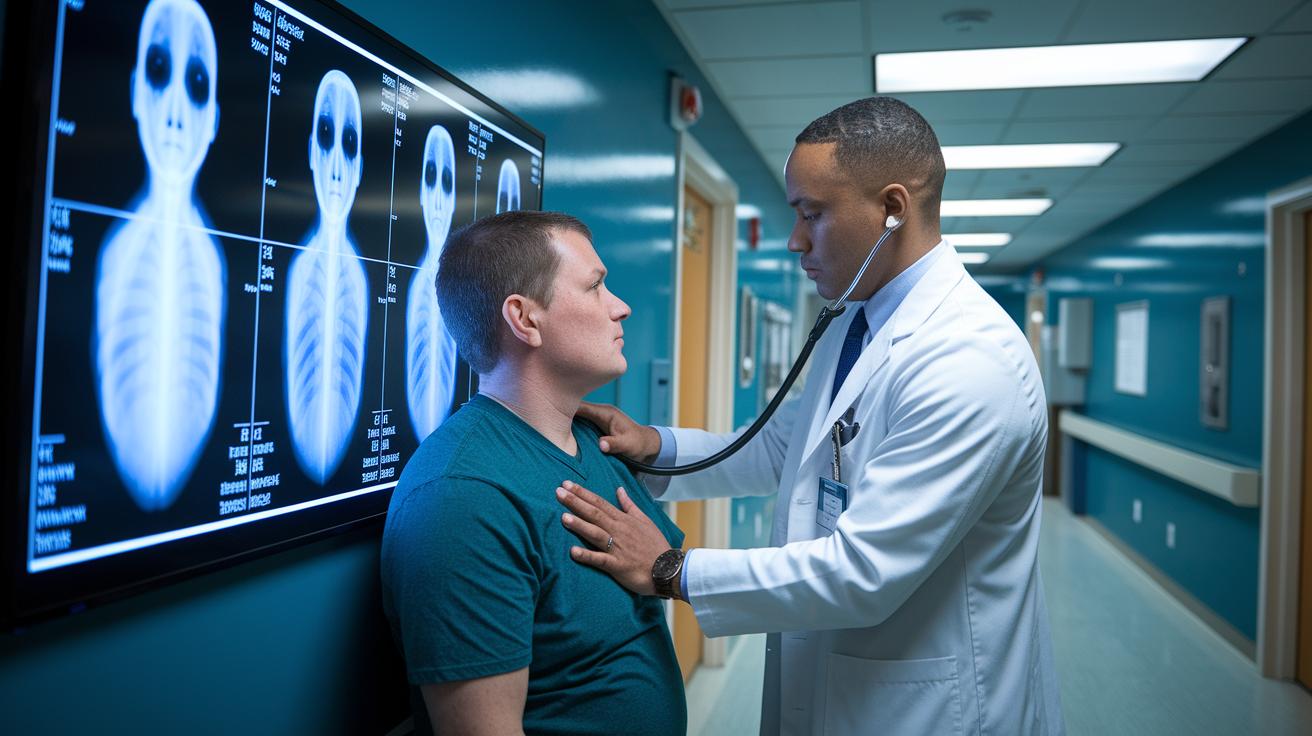
If you feel tightness in your chest when you breathe, here are some common reasons that may be causing it.
Respiratory Infections and Inflammation
Lung infections like pneumonia (a lung infection caused by bacteria, viruses, or fungi) can make deep breaths hurt, especially in older adults. Pleurisy (inflammation of the lining around your lungs) causes sharp pain when you breathe in. This pain often follows an infection.
Vascular Emergencies
A pulmonary embolism happens when a blood clot blocks an artery in your lung. This can cause chest tightness, a fast heartbeat, and trouble breathing. If you also cough up blood, call emergency services right away.
Structural Lung Issues
When air leaks into the space between your lung and chest wall, it is called pneumothorax. This air leak can partly or completely collapse your lung. You may feel sudden chest tightness, fatigue, and a rapid heartbeat. If these signs come on quickly, seek urgent care.
Cardiac Inflammations
Pericarditis means inflammation of the pericardium (the sac around your heart). This condition often causes pain that gets worse with deep breaths. Recognizing this can help you know if the pain is from your heart or lung.
Musculoskeletal Disorders
Costochondritis is when the cartilage connecting your ribs to your sternum becomes inflamed. It causes sharp pain, especially with movement, coughing, or deep breaths. Though it feels serious, it is not a heart or lung problem.
Gastrointestinal Reflux
Gastroesophageal reflux occurs when acid from your stomach irritates your esophagus. This acid can make your chest feel tight when you breathe deeply, even though it isn’t related to your heart or lungs.
Distinguishing Cardiac Versus Pulmonary Chest Tightness When Breathing
Quick take: Chest tightness from your heart and lungs can feel alike, but how the pain behaves may help you decide if you need urgent care.
If you have any of these emergency signs, call emergency services now:
- Severe squeezing pressure that spreads to your arms or jaw.
- Pain that comes on suddenly and does not improve with rest.
- Worsening pain even when you take slow, deep breaths.
Heart-related chest tightness usually feels like a steady squeeze or pressure. You might notice the pain spreading to your arms or jaw. It does not change much with deep breaths. This pattern suggests a cardiac issue.
Lung or breathing-related pain tends to get worse when you take a deep breath or cough. It can feel sharp or aching and may increase with movement. Conditions such as asthma (trouble breathing due to narrowed airways), muscle strain, or a lung infection might cause this type of pain.
Here's how to tell the difference:
- Heart pain: Constant pressure or squeezing that may spread to your arms or jaw and isn’t much affected by deep breathing.
- Lung pain: Discomfort that worsens when you breathe deeply or cough and can feel sharp or aching.
- Stress or anxiety: Can also lead to chest tightness, but the pattern may vary.
Comparing these details can help you decide whether to seek urgent care or monitor your symptoms. Remember, if your symptoms worsen or you feel very unwell, it's best to get medical help right away.
When to Seek Medical Help for Chest Tightness When Breathing

Chest tightness when you breathe might signal a serious problem. Call emergency services now if you have any of these emergency signs:
- Fainting (syncope)
- Low blood pressure (hypotension) that makes you feel lightheaded
- A very fast heartbeat (tachycardia)
- Coughing up blood (hemoptysis)
- Severe shortness of breath
Be extra cautious if your chest tightness starts after an injury or surgery, if you have a blood clotting disorder, or if you have heart problems. These factors raise your risk for a serious condition.
If your chest tightness worsens over a few minutes or hours, or if resting doesn’t help, get an emergency evaluation right away.
For more details about urgency levels, check the emergency triage flowchart for shortness of breath at https://thequickesttips.com?p=1454.
Self-Care and At-Home Relief Strategies for Chest Tightness When Breathing
Quick take: These simple techniques may help ease mild chest tightness. If you have severe pain, shortness of breath, dizziness, or pain spreading to your arm or face, call emergency services now.
• Call emergency services now if:
- Your chest pain gets worse suddenly.
- You feel very short of breath.
- You notice pain spreading to your arm, neck, or face.
Diaphragmatic Breathing Techniques
Sit or lie down comfortably. Place one hand on your belly. Slowly breathe in through your nose until your belly rises like a balloon. Then, exhale gently through your mouth. This deep belly breathing calms your body and can ease tightness in your chest.
Pursed-Lip Breathing Practice
Breathe in slowly through your nose. Then, purse your lips as if you are about to whistle and exhale slowly. This method helps control your breath and lets air flow steadily, relieving chest tension.
Gentle Upper Body Stretching
Stand or sit upright and raise your arms above your head as you take a slow, deep breath. Then, gently lean from side to side. These simple stretches loosen the muscles in your chest and shoulders, which can help reduce discomfort.
Postural Correction Tips
Keep your shoulders back and your spine straight whether you sit or stand. Check your posture often and move gently to ease the pressure on your chest. Good posture lets your lungs fill with air more easily, reducing tightness.
Warm Compress Application
Place a warm cloth on your chest for a few minutes. The gentle heat relaxes tight muscles and can provide quick relief. You can use a warm compress several times a day as needed.
Diagnostic Approaches for Persistent Chest Tightness When Breathing

Quick take: Several tests help doctors figure out if your chest tightness is from a heart or lung issue.
Triage: If you have severe chest pain, trouble breathing, or lightheadedness, call emergency services immediately (911 in the US).
Your doctor may start with an ECG. This test checks your heart's electrical signals to spot issues like low blood flow (ischemia), heart lining inflammation (pericarditis), or irregular beats (arrhythmias).
If a lung problem is suspected, a chest X-ray might be ordered. This scan can show lung infections, fluid buildup (effusion), or a collapsed lung (pneumothorax).
For a closer look at lung blood flow, a CT pulmonary angiography is used. This test finds dangerous blood clots in your lung arteries called pulmonary emboli. A blood test called D-dimer may also be done to check for clots.
Another key test is spirometry. It measures how well you breathe by checking your airflow and volume. This test helps detect blockages or restrictions in your breathing.
| Test | Purpose |
|---|---|
| ECG | Checks heart electrical signals for signs of ischemia, pericarditis, or arrhythmias. |
| Chest X-ray | Detects lung infections, fluid buildup, or a collapsed lung. |
| CT Pulmonary Angiography | Identifies pulmonary emboli (blood clots in lung arteries). |
| D-dimer | Tests for the presence of blood clots. |
| Spirometry | Measures airflow to detect blocked or restricted breathing. |
Final Words
In the action, we explored what chest tightness when breathing might mean. The guide covered common causes, compared heart and lung issues, and set clear red flags for when to seek urgent care. We also shared at-home relief strategies and outlined common diagnostic tests. This straightforward breakdown helps you decide between emergency action, same-day evaluation, or safe home monitoring. Stay informed about your symptoms and take proactive steps. Taking charge of your health can make all the difference in getting the right care at the right time.
FAQ
Why does my chest hurt when I take a deep breath or feel tight when I breathe?
The chest pain when you breathe may signal irritation or inflammation from conditions like pneumonia, pleurisy (inflammation of lung lining), costochondritis (rib joint inflammation), or even heart-lung issues.
How can I relieve chest tightness, especially with shortness of breath?
You can ease chest tightness by practicing controlled breathing techniques such as diaphragmatic and pursed-lip breathing, doing gentle stretches, and using a warm compress. If your symptoms worsen, seek medical care.
What can cause tight pain or chest pain in the middle, particularly in women?
Middle chest pain may arise from heart, lung, musculoskeletal, or gastrointestinal issues. In women, this pain could stem from heart conditions or rib inflammation. Persistent pain should be evaluated by a healthcare professional.
What does it mean if I have chest tightness with no other symptoms?
Chest tightness on its own might be due to mild muscle strain or anxiety. However, if the tightness worsens or you develop additional symptoms like rapid heartbeat or dizziness, contact a clinician promptly.
What should I do about left side chest pain when breathing?
Left side chest pain during breathing may indicate heart-related issues if it comes with pressure, pain radiating to the arm or jaw, or shortness of breath. Urgent medical evaluation is essential if these occur.
When should I worry about chest tightness?
You should be concerned if chest tightness is accompanied by severe pain, rapid heartbeat, fainting, or acute shortness of breath. These warning signs call for immediate medical attention.
What can cause shortness of breath in children?
Shortness of breath in children can be linked to asthma, respiratory infections, or allergies. These conditions narrow the airways, making breathing difficult. If symptoms are severe or ongoing, seek pediatric care.