

Quick take: Regular eye exams and daily care help keep your vision safe.
If you suddenly notice blurred vision, pain, or a significant change in your eyesight, call your doctor or go to urgent care right away.
Your eyes are too valuable to ignore. Missing early signs of conditions like glaucoma (high eye pressure), cataracts (cloudy lens), or diabetic retinopathy (diabetes complications) can cause serious, long-term damage.
Here’s a simple checklist to protect your vision:
• Schedule regular eye exams.
• Stick with daily eye-care habits.
• Watch for early signs such as vision loss or discomfort.
By following these steps, you can catch problems early and keep your sight clear for years to come.
Essential Steps in Your Vision Health Checklist
Keep your eyes healthy by staying on top of regular check-ups and daily care. Your eyes help you see the world, but many people miss early signs of problems like glaucoma (high eye pressure), cataracts (cloudy lens), macular degeneration (loss of central vision), and diabetic retinopathy (diabetes-related damage).
Follow these simple steps to protect your eyes:
- Book a full eye exam at age 40 and follow your doctor’s advice.
- Get examined every 2 years if your risk is low, or every year if you have diabetes, high blood pressure, or a family history of eye disease.
- Use the 20-20-20 rule: every 20 minutes, look at something 20 feet away for 20 seconds to ease eye strain.
- Wear sunglasses with UV protection when you go outside.
- Clean your glasses and contact lenses as recommended.
- Eat a balanced diet rich in vitamins C and E, antioxidants, leafy greens, and fatty fish.
- Keep track of changes such as sudden blurriness, floaters (small spots) or halos (circles around lights) and mention them at your next visit.
By mixing regular exams with healthy everyday habits, you can catch problems early and enjoy long-lasting clear vision.
Scheduling Regular Sight Evaluations in Your Vision Health Checklist
Regular eye exams help you catch vision issues and spot early signs of other health problems. They make it easier to start treatment quickly if something is wrong.
Follow these steps as part of your vision health plan:
- Start with a baseline exam when you turn 40.
- If you are between 40 and 64 and have no risk factors, have an exam every 2 years.
- If you have diabetes, high blood pressure, or a family history of eye disease, schedule an exam each year.
- If you are 65 or older, plan on a yearly comprehensive exam.
| Age Group | Risk Level | Recommended Exam Frequency |
|---|---|---|
| 40-64 | No risk factors | Every 2 years |
| 40+ with conditions | Higher risk | Annually |
| 65 and older | Higher risk | Yearly |
Following this schedule helps you catch issues early and keeps your treatment plan on track.
Nutrition and Lifestyle Habits in Your Vision Health Checklist
Quick take: Healthy eating and simple daily habits help protect your eyes.
Triage Box:
• Emergency: If you have sudden vision loss or severe eye pain, call emergency services immediately.
• Urgent: If blurry vision or discomfort lasts for more than a day, seek same-day medical care.
• Basic self-care: Follow these nutrition and lifestyle steps each day to support your eye health.
Good nutrition gives your eyes the strength they need. A diet full of natural vitamins and minerals helps keep your eye tissues safe and your vision clear. Begin by choosing fresh foods instead of processed snacks to power your eyes.
Mix up your meals with nutrient-rich choices. Green vegetables like spinach, kale, and collard greens provide lutein and vitamins C and E (vitamins that decrease cell stress). Fatty fish, filled with omega-3 (healthy fat), supports strong blood vessels in the eye. Drinking water throughout the day stops dryness in your eyes, and regular exercise boosts blood flow overall, which benefits your eye tissues. Quitting smoking is also important because it lessens harmful damage that could lead to vision loss. One person mentioned that trading a cigarette for a brisk walk made their eyes feel much fresher.
Make these choices a daily habit. Start your morning with a nutrient-packed smoothie and a quick walk. These simple, consistent routines not only improve your overall health but also help protect your vision for the long term.
Daily Ocular Care Routine in Your Vision Health Checklist
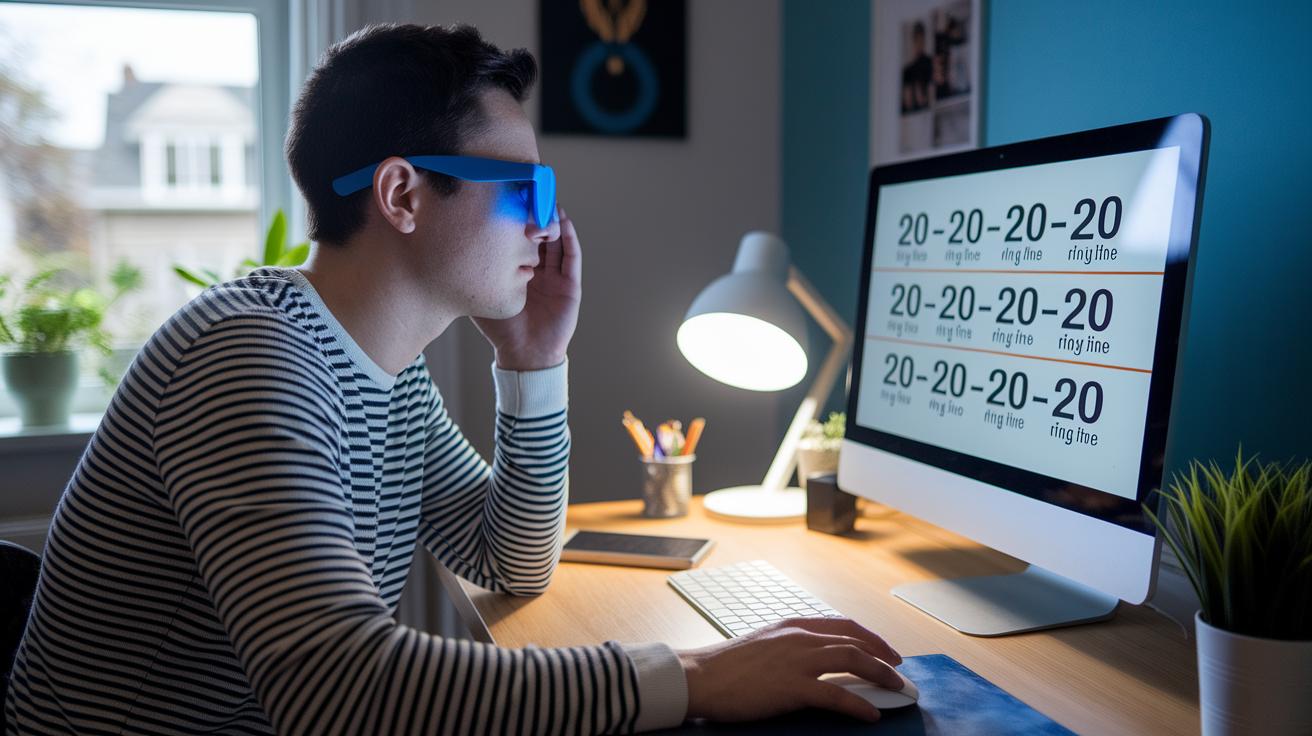
Caring for your eyes each day is simple and effective. Short breaks and adjusting device settings can help reduce eye fatigue.
When you use screens, try the 20-20-20 rule: every 20 minutes, look at something 20 feet away for 20 seconds. You can also use blue-light filtering glasses for long sessions. Lower your screen brightness and set your room lighting to cut down on glare, if your room is dim, lower your screen brightness to ease eye strain.
Keep your glasses and contacts clean by washing your hands before handling them. Replace your contact lens case every month and stick to your prescribed schedule.
These daily habits can help ease eye strain and support your long-term vision.
Protective Measures and Optical Assessment Tools in Your Vision Health Checklist
Quick Take: Protect your eyes with proper gear and simple self-tests to catch changes early.
Triage:
- Red flags: Sudden vision loss, sharp eye pain, new flashes of light.
- Urgent: Seek same-day care if you notice any of these signs.
- Self-care: Stick to daily eye protection and vision checks.
All year long, wear sunglasses with UV protection. They block harmful sun rays and help lower the risk of cataracts and macular degeneration (a condition that damages your central vision). When you play sports, do home projects, or work in risky settings, choose safety or wraparound glasses to keep debris and impacts away from your eyes.
Simple self-check tools are also vital. Use an Amsler grid (a simple card with a pattern) to monitor your central vision and spot early changes. Pinhole testing is another quick method to check for clarity at home. Mobile apps can help track digital eye strain and remind you to rest during long screen sessions.
Combining protective eyewear with regular self-assessment builds a proactive approach to vision care. By using both every day, you have a better chance to catch issues early and keep your sight clear. Make these steps part of your daily routine to protect your eyes over time.
Monitoring Vision Symptoms and Risk Factors in Your Vision Health Checklist
Watch your vision closely. Health issues like diabetes or high blood pressure (when your blood pressure is too high) can hurt the small blood vessels in your eyes. A family history of glaucoma, macular degeneration, or cataracts also means you might be at higher risk. If you notice sudden blurriness, floaters (little spots moving in your space), halos around lights, or constant dryness and redness, take note. Keeping a daily diary of these symptoms makes it easier to spot patterns and share important details with your eye doctor.
Tracking Vision Changes
• Note any sudden shifts or changes.
• Write down the date, time, and what you see, like floaters or unexpected blurriness.
• This simple log helps you and your doctor catch potential problems early.
Systemic Health Monitoring
• Check your blood pressure and blood sugar regularly.
• Changes in these numbers can affect the tiny vessels in your eyes.
• Record these values alongside your vision symptoms to help reveal important links.
Documenting Family Eye History
• Write down any eye diseases in your family, such as glaucoma, cataracts, or macular degeneration.
• Include when these problems occurred.
• Sharing this information with your doctor offers a clearer picture of your risk and helps guide your care.
Age-Specific Checks in Your Vision Health Checklist
Young children need extra care for their growing eyes. About 1 in 4 school-aged kids have vision problems that can make learning tough. By age 50, nearly everyone gets presbyopia (difficulty with close-up vision), so seniors face their own challenges.
For children, eye exams check how well the eyes line up, see clearly (acuity), and pick up colors. For adults over 65, the exams look for more than just presbyopia. They screen for cataracts (cloudy lens), glaucoma (high eye pressure), and macular degeneration (damage to the center of the retina). Catching these issues early can lead to better treatment and long-term vision health.
A child’s exam focuses on how the eyes work together to see shapes and colors. In seniors, the exam typically measures eye pressure, checks the retina closely to spot macular changes, and uses a dilated exam (widening the pupil) to review overall eye health. These tests often uncover problems before you notice any symptoms.
Regular family eye checkups help everyone stay on track. Scheduling these visits together supports a proactive approach to maintaining good vision at every age.
Final Words
In the action, you now have a clear path to care for your eyes. We covered regular exams, proper nutrition, daily routines, protective gear, symptom tracking, and age-specific checks. Each element on your vision health checklist plays a role in keeping your sight safe. Stay alert to any changes and follow the steps outlined to protect your vision. Small, daily actions make a big difference, giving you confidence and control over your eye care. Keep moving forward with clarity and assurance.
FAQ
What is an eye health education PDF?
An eye health education PDF provides clear guidance on caring for your eyes. It offers visuals, checklists, and simple explanations to help you understand and practice proper eye care.
What are effective daily ways to take care of your eyes, including home tips?
The daily eye care guidelines combine practices like following the 20-20-20 rule, using blue-light protection, keeping proper lighting, and cleaning glasses regularly to reduce strain and maintain vision.
Why is eye care important and what does eye health information provide?
The importance of eye care lies in catching issues early. Eye health information helps you understand the value of regular exams, proper nutrition, and healthy habits to prevent problems like glaucoma or cataracts.
What key foods support eye health?
The eye health tips food focus on eating produce and protein-rich items like spinach, kale, fatty fish, and citrus fruits that provide antioxidants, vitamins, and omega-3 fatty acids to protect your vision.