
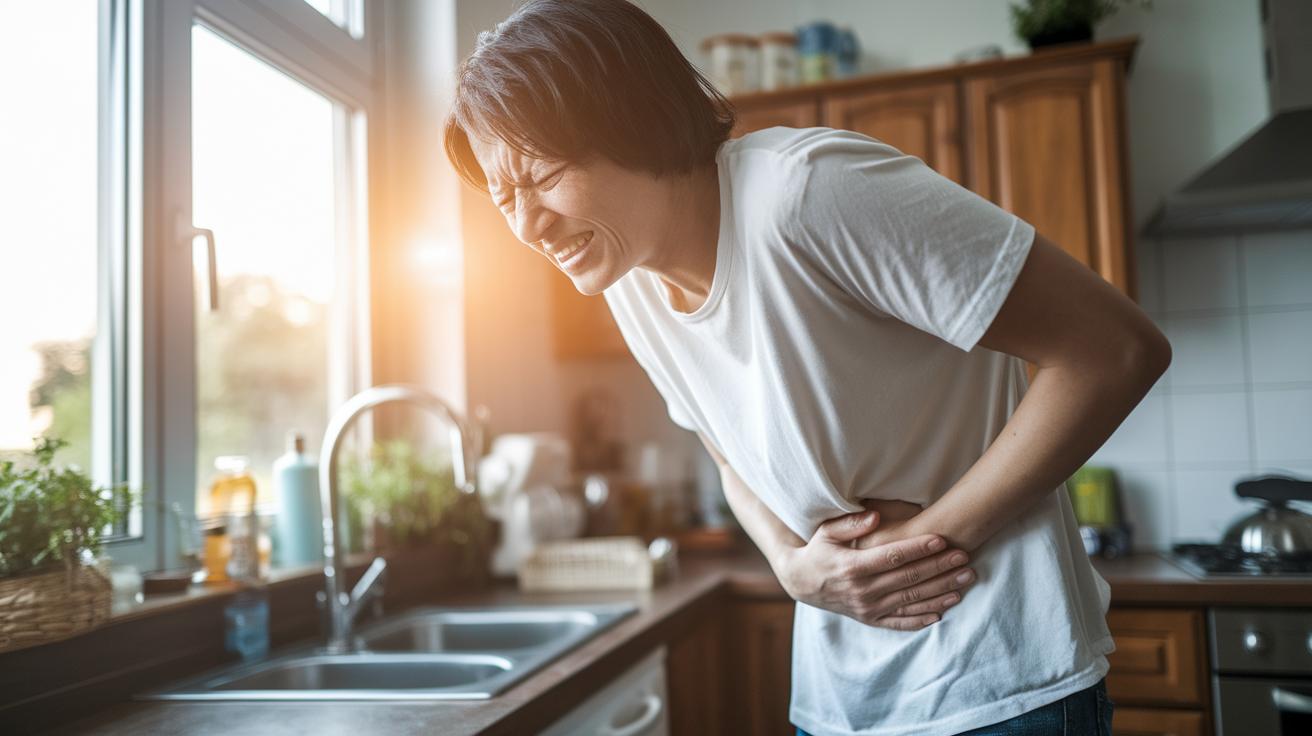

Quick take: Burning chest pain and belly cramps may be signs of acid reflux that you can manage at home.
If you have any of these emergency signs, call emergency services now:
• Severe chest pain that lasts more than 15 minutes or gets worse
• Trouble breathing or shortness of breath
• Pain spreading to your arms, neck, or jaw
Have you ever felt a burning pain in your chest or a sudden cramp in your belly? These are not always just one-time reactions. They may be signs of acid reflux (when stomach acid irritates your chest and stomach). In this post, we explain how these symptoms occur and what steps you can take to ease them. We break down the causes behind heartburn and stomach cramps in clear, simple steps so you can start feeling better today.
Heartburn and Stomach Cramps: Feel Better Today
Quick take: Heartburn and stomach cramps may signal acid reflux and need careful attention.
If you have any of these emergency signs, call 911 immediately:
- Chest pain
- Shortness of breath
- Sweating
- Nausea
Heartburn feels like a burning or warm sensation behind your breastbone that can move up into your neck or throat. It usually starts after you eat or when you lie down. Stomach cramps are often felt as dull or burning aches in the middle or lower belly. Sometimes, these cramps come and go, which can hint at an imbalance in your stomach acid. When both symptoms occur, it can be a sign of long-term reflux. This happens when a weak valve (lower esophageal sphincter) allows stomach acid to irritate the chest and nearby tissues.
These signs may be linked to a common condition called gastroesophageal reflux disease (GERD). GERD occurs when stomach acid regularly backs up into your esophagus. This causes a burning feeling in your chest and pain in your belly after meals. Relief may come by standing up or taking an antacid, which works to neutralize the acid quickly. However, if you notice these signs more than twice a week, it's important to visit your doctor to rule out any underlying issues.
Understanding what you feel is the first step to getting better. Stay alert to red flags and seek help when needed to take control of your symptoms.
Common Triggers of Heartburn and Post-Meal Stomach Cramps
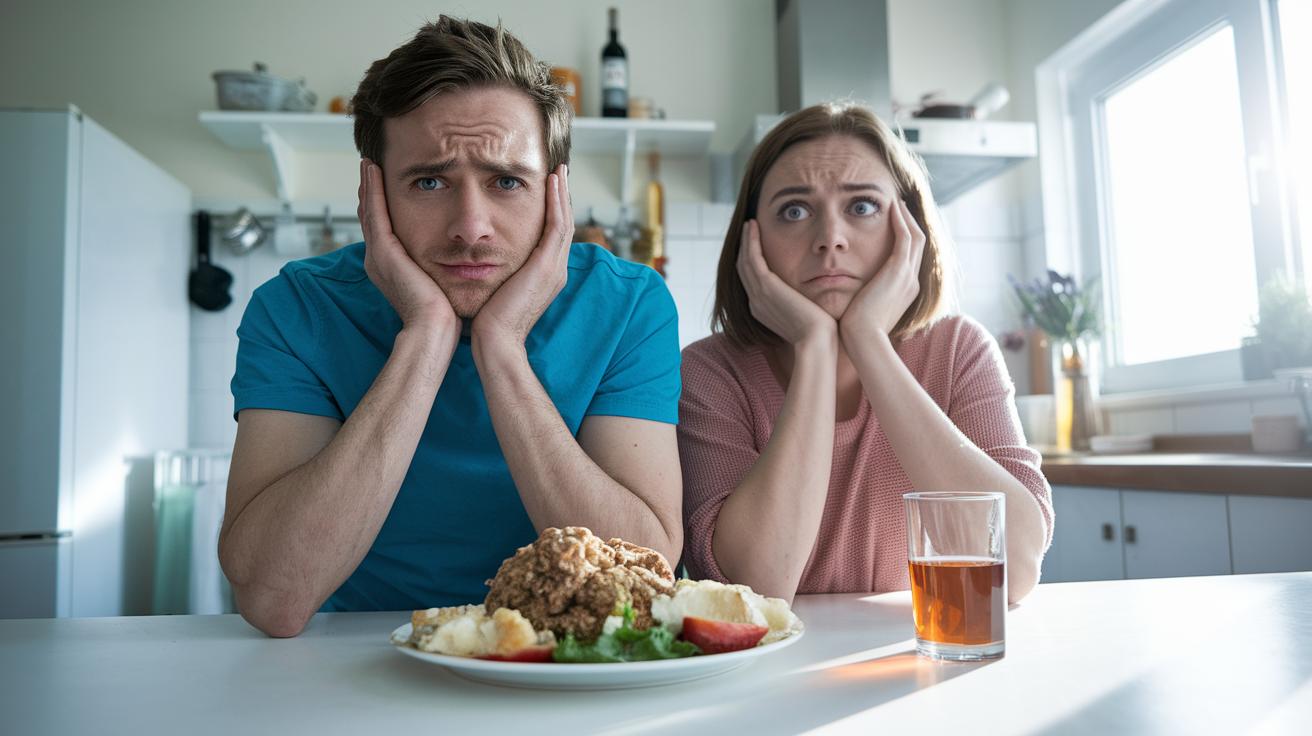
When you eat a large, fatty, or spicy meal, your stomach works slower and builds up extra pressure. This extra pressure pushes acid up into the tube that carries food from your mouth to your stomach (esophagus), which can feel like heartburn and cause stomach cramps. Caffeine and alcohol can make the valve at the bottom of your esophagus relax. When this happens, it is easier for acid to leak upward and irritate your throat.
Lying down right after eating takes away the help of gravity that keeps acid in your stomach. This can lead to nighttime reflux and more pain in your chest and stomach. Stress is another trigger because it can change how your gut moves and make it produce more acid. Avoiding these factors can help keep your digestion smoother and reduce heartburn and cramps.
| Trigger | Effect |
|---|---|
| Fatty foods | Slower digestion and extra acid |
| Spicy dishes | Direct irritation inside the tummy |
| Caffeine | Weakens the valve at the bottom of the esophagus |
| Alcohol | Increases acid production |
| Large meals | Raises pressure in the stomach |
| Reclining | Raises risk of acid reflux at night |
Quick Relief for Heartburn and Stomach Cramps: OTC and Home Remedies
When heartburn or stomach cramps hit, simple treatments can bring fast relief. Antacids work quickly to neutralize stomach acid when you need help. Usually, you take 1–2 tablets about 30–60 minutes after a meal or when you first feel burning. H2 blockers (medications that lower acid) and proton pump inhibitors (drugs that reduce acid production) also work well. Over-the-counter choices like famotidine and omeprazole can ease symptoms in a few hours, making them useful when discomfort slows you down.
You might also try natural remedies. Herbal teas such as chamomile and ginger can calm your stomach and lessen cramps. Coconut water provides electrolytes and helps balance stomach acid, which can boost your comfort. Some people even use peppermint oil to relax stomach muscles, though it might worsen symptoms if you’re sensitive to reflux. If that’s the case, use it with caution.
Always follow the package directions when using these remedies, and take care not to exceed the recommended dose. Also, space antacids at least 2 hours apart from other medications to prevent any interference. Acting promptly can help cut short your discomfort and get you back to your normal routine.
Try these remedies for fast relief:
- Chewable antacids (calcium carbonate)
- H2 blockers (famotidine)
- Proton pump inhibitors (omeprazole)
- Chamomile tea
- Ginger tea
- Sips of coconut water
- Peppermint capsules
Preventing Heartburn and Stomach Cramps with Lifestyle Adjustments
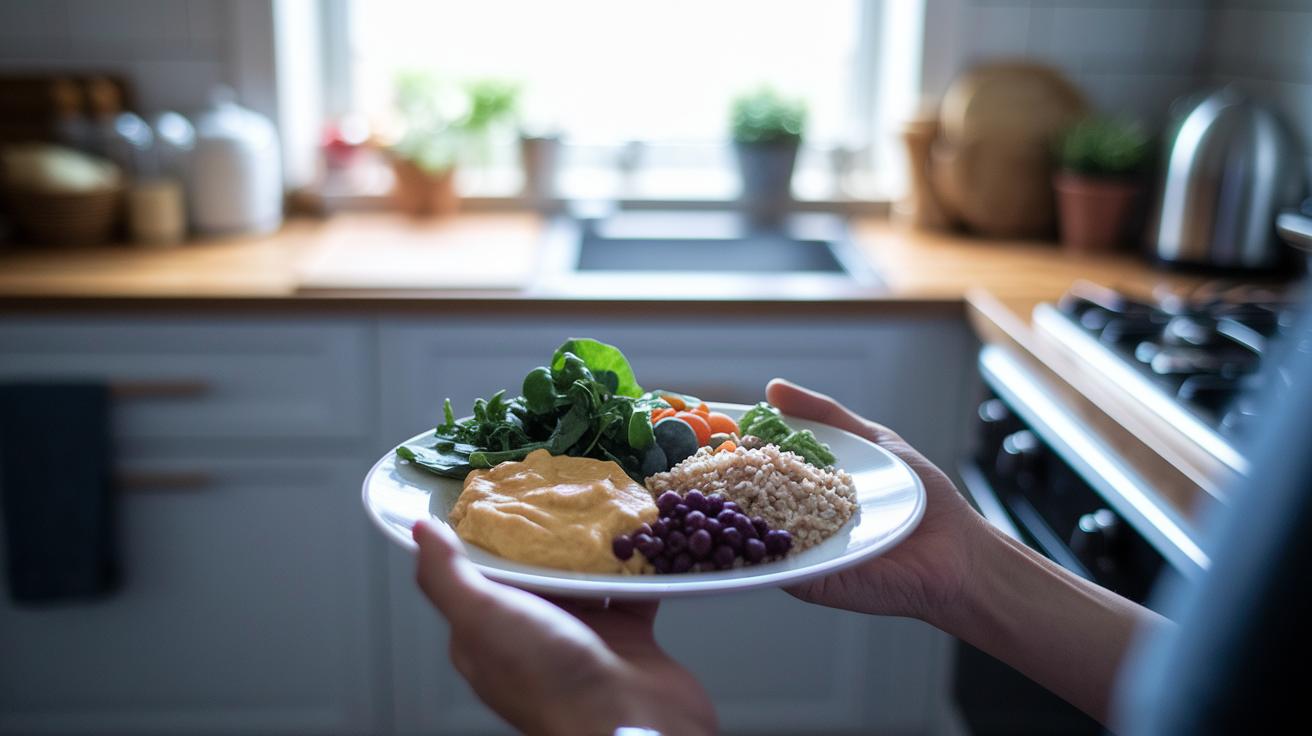
Quick take: Simple daily habits can ease heartburn and cramps.
If you have any of these emergency signs, call emergency services now:
• Severe chest pain
• Trouble breathing
• Sudden fainting or extreme dizziness
Urgent: Get help today if your discomfort worsens or lasts more than 3 days.
Self-care steps:
• Eat smaller, balanced meals frequently to lower stomach pressure.
• Stay upright for 2 to 3 hours after eating so gravity helps keep acid down.
• Take a gentle walk instead of lying down right away.
• Raise the head of your bed by 6 to 8 inches to lessen nighttime reflux.
• Work toward a healthy weight with balanced nutrition to help your body control acid better.
Other tips:
• Choose high-fiber foods like oats and beans to keep digestion smooth.
• Drink plenty of water to help balance your stomach’s acid.
• Cut back on alcohol to support a calmer, healthier gut.
You might also find that stress adds to acid buildup. Practice simple stress-relief techniques like deep breathing, mindfulness, or light yoga. Quitting smoking further improves digestion and overall health.
Remember, change one habit at a time. Small adjustments in meal timing and your sleep setup can make a big difference, easing discomfort and helping you enjoy smoother days.
When to Seek Help for Heartburn and Stomach Cramps
Quick take: If you have chest pain with shortness of breath, sweating, or nausea, call emergency services now.
If you notice chest pain with shortness of breath, sweating, or nausea, call 911 without delay. These signs can signal a heart emergency.
You should talk to your doctor if you get heartburn or stomach cramps more than 2 times each week or if the pain grows worse or does not get better. Watch for extra signs such as ongoing vomiting, unexpected weight loss, or trouble swallowing. These could mean a condition that needs a prompt check.
Remember, not all chest discomfort is alike. Your doctor might suggest tests such as an endoscopy (a camera test to view your stomach), 24-hour pH monitoring (tracking acid levels), or imaging studies. These tests help rule out ulcers, gallstones, or a hiatal hernia and clarify if the issue is digestive or heart related.
Review your symptoms with the abdominal pain triage flowchart available here: triage flowchart for abdominal pain.
Act now if red flags appear. Quick medical guidance can prevent complications and get you the right care fast.
Medical Treatments and Long-Term Management of Heartburn and Stomach Cramps

Quick take: Treatments can lower your stomach acid, but it's important to watch for risks and use them as directed.
Red Flags:
• If you have severe chest pain, trouble breathing, or notice blood in your vomit, call emergency services now.
• If symptoms last or worsen quickly, seek same-day medical care.
Proton pump inhibitors like omeprazole and lansoprazole lower the amount of acid your stomach makes. They work fast to ease heartburn and related pain by reducing acid exposure. However, using these medicines for many months can lead to issues like poor nutrient absorption and weaker bones. That is why you should use them only as advised by your clinician.
H2 blockers such as famotidine and ranitidine offer relief for a shorter time. They work a little slower, but they usually cause fewer long-term problems. These medications gently reduce acid and can be a better fit if your symptoms happen only now and then.
If your symptoms do not improve with medicine, you might explore other options. One advanced treatment, the LINX device, uses a tiny magnetic ring placed around the lower part of your esophagus (the tube that carries food from your mouth to your stomach) to help stop acid from coming up. Another option, laparoscopic fundoplication, is a type of surgery that helps your body naturally control acid reflux. These treatments are for cases that do not respond to regular medications and are picked after careful evaluation with your care team.
Noninvasive exams, like an endoscopy, let your doctor see the lining of your esophagus. This test uses a small camera and helps check for changes such as Barrett’s esophagus. Your treatment plan should match how often your symptoms occur, how severe they are, and any personal risk factors you have. Work with your clinician to choose the best long-term strategy to safely manage your heartburn and stomach cramps.
Final Words
In the action, you’ve seen how food choices, habits, and medications shape your risk of digestive distress. You learned what triggers may spark discomfort and found simple home remedies as well as key lifestyle tips to manage your symptoms. You now have clear steps to track and address any red flags that crop up. Keep monitoring your body and note any changes closely. Stay proactive and positive as you work through managing heartburn and stomach cramps.
FAQ
What are common remedies for heartburn and stomach aches for GERD?
The remedies for heartburn and stomach aches include using chewable antacids, H2 blockers, and proton pump inhibitors, along with home remedies like herbal teas that help neutralize stomach acid and reduce irritation.
How should I treat acid reflux back pain or manage an acid reflux attack immediately?
The treatment for acid reflux back pain and managing an attack involves sitting up straight, taking an OTC antacid or acid reducer, and avoiding foods that trigger your symptoms to ease the burning pain quickly.
What are GERD symptoms?
The GERD symptoms include a burning sensation behind the breastbone that may move up to the neck, frequent heartburn, and sometimes stomach cramps that signal acid irritation in the esophagus.
What does GERD-related female stomach and chest pain feel like?
The GERD-related female stomach and chest pain feels like a burning or aching discomfort near the chest and upper abdomen, often worsening after meals when acid reflux irritates sensitive tissues.
Why do I experience stomach cramps along with heartburn?
The combination of stomach cramps and heartburn usually happens when acid reflux irritates both the esophagus and the stomach lining, causing a dull or burning ache, especially after trigger meals.
What does stage 4 GERD feel like?
Stage 4 GERD feels severe with persistent burning, chronic heartburn, and intense chest pain, all of which suggest serious esophageal irritation that needs prompt medical evaluation and treatment.
Which stomach pains should never be ignored?
Stomach pains that are sharp, intense, or persistent, especially when paired with shortness of breath, sweating, or vomiting, should never be ignored as they could indicate a serious condition needing urgent care.
What does heartburn feel like during pregnancy?
Heartburn during pregnancy feels like a burning sensation behind the breastbone along with mild stomach discomfort, often caused by hormonal changes and increased pressure on the stomach.
What is GERD?
GERD (gastroesophageal reflux disease) is a chronic condition where stomach acid frequently flows back into the esophagus, causing burning pain and discomfort that may require lifestyle adjustments or medication.
| Trigger | Effect |
|---|---|
| Fatty foods | Increased acid secretion and slower emptying |
| Spicy dishes | Direct mucosal irritation |
| Caffeine | Lowered esophageal sphincter tone |
| Alcohol | Enhanced acid production |
| Large meals | Raised gastric pressure |
| Reclining | Nighttime reflux risk |
- Chewable antacids (calcium carbonate)
- H2 blockers (famotidine)
- Proton pump inhibitors (omeprazole)
- Chamomile tea
- Ginger root infusion
- Coconut water sips
- Peppermint capsules