
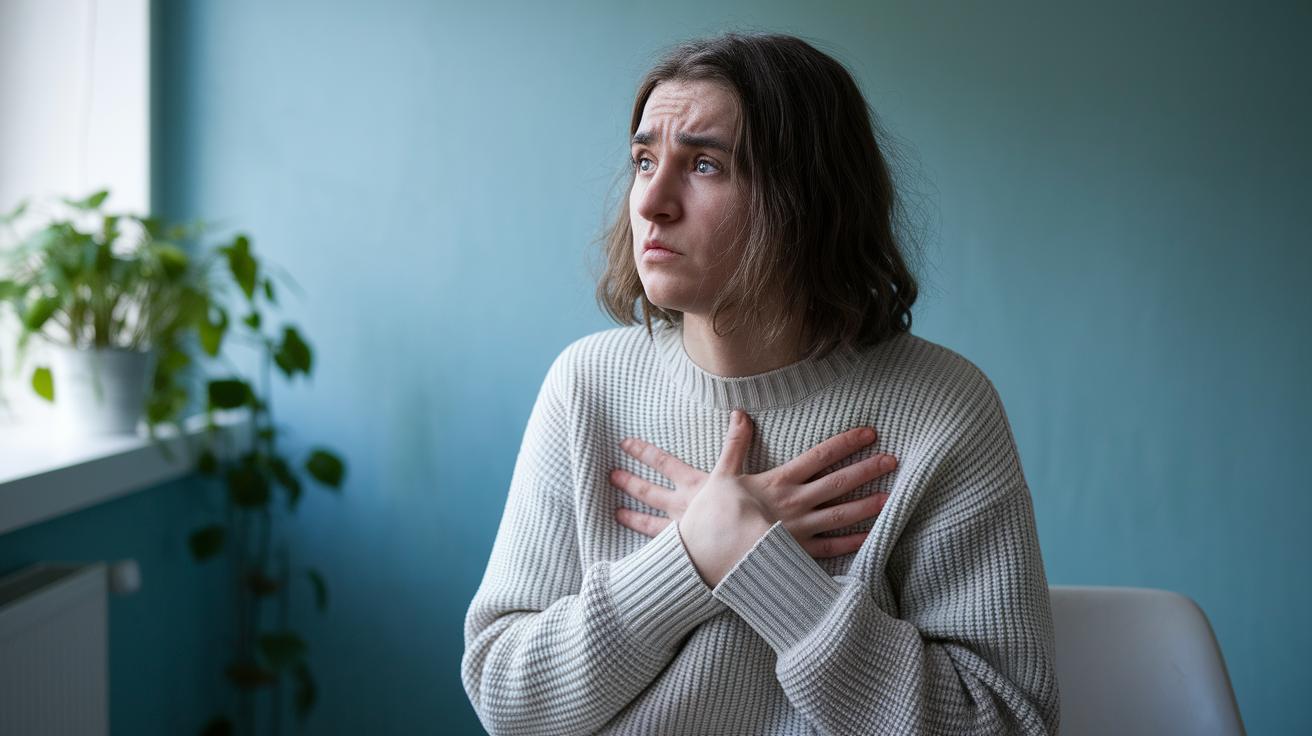

Quick take: Chest tightness may come from anxiety, but watch for signs that need urgent care.
Red flags – call emergency services now if you have:
• Severe chest pain that does not go away
• Difficulty breathing or shortness of breath
• Pain spreading to your arm, neck, or jaw
• Loss of consciousness or sudden weakness
Often, a tight chest is caused by anxiety. When you feel anxious, your body reacts in a physical way. You might notice a sharp squeeze or pressure in your chest. This happens because anxiety sets off your fight-or-flight response (your body’s way of preparing for danger). Stress chemicals are released, making your heart race and your muscles tighten. Although this can be scary, understanding what is happening can help you find ways to relax and better handle your symptoms.
Does Anxiety Really Cause Chest Tightness: Embrace Relief Today
Quick take: Anxiety can trigger real chest tightness, and it usually eases as you calm down.
If you have any of these emergency signs, call emergency services now:
- Severe chest pain lasting more than 5 minutes
- Trouble breathing or rapid, hard breathing
- Fainting or pain spreading to the arm or jaw
When anxiety hits, you might feel pressure or a pulled-muscle sensation in your chest. About 12–16% of people say they’ve felt chest pain at one time or another. This pain is not just in your head. It is a real, physical response to stress.
Your body goes into a fight-or-flight mode when you get anxious. It releases stress chemicals like adrenaline (a hormone that speeds up your heart) and cortisol (a hormone that helps you respond to stress). These chemicals make your heart beat faster and tighten your chest muscles. Although the sensation can be alarming, it usually peaks within a few minutes and then fades as you relax.
If the tightness does not improve or if other worrying signs appear, seek medical help. Stay calm and keep track of your symptoms, and remember that your health matters.
Why Anxiety Triggers Chest Tightness
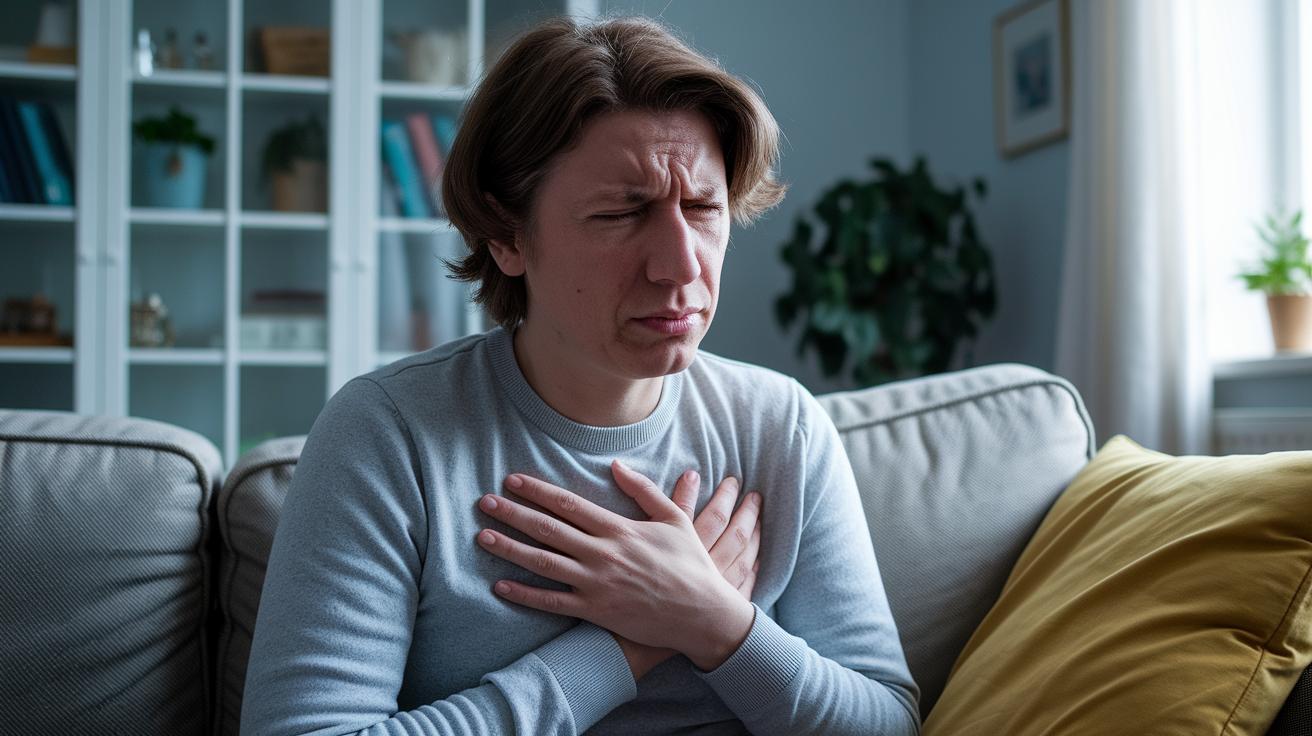
Quick take: Anxiety can make your chest feel tight by setting off a fight-or-flight reaction.
Triage Box:
If you have any of these emergency signs, call emergency services immediately:
- Severe chest pain that feels crushing.
- Pain spreading to your arm, neck, or jaw.
- Very hard time breathing or feeling extremely short of breath.
If your chest tightness is likely from anxiety:
- Breathe slowly and deeply.
- Try relaxation techniques.
- Keep track of your symptoms and see a doctor if they worsen.
When you feel anxious, your body goes into fight-or-flight mode. It releases adrenaline, which speeds up your heart and makes the muscles in your chest tighten. This reaction is meant to help you act quickly, but it can also create a heavy, uncomfortable pressure.
Breathing fast (hyperventilation) is another common part of anxiety. When you breathe too quickly, the carbon dioxide level in your blood drops. This can cause your diaphragm (the main muscle that helps you breathe) to cramp, which makes the tight feeling worse. It may feel like a firm squeeze around your chest, similar to a pulled muscle.
Ongoing anxiety can keep your muscles tense by causing repeated spasms in your upper body. Over time, these small, constant contractions can lead to a lasting feeling of tightness and discomfort. Knowing that these reactions are your body’s natural way of dealing with stress may help you manage the symptoms. Deep breathing and relaxation exercises can ease these spasms and reduce the pressure in your chest.
Anxiety-Induced Chest Tightness vs. Cardiac Pain
Triage: If you have chest pain with trouble breathing, pain spreading to your jaw or arm, sweating, or nausea, call emergency services now.
Quick take: Anxiety chest tightness comes on the spot and fades in about 10 minutes. Heart attack pain builds slowly and shows extra warning signs.
When you feel chest discomfort, it can be hard to know if it is from anxiety or a heart problem. Anxiety chest tightness usually starts right after a burst of stress and goes away quickly, often within 10 minutes. On the other hand, heart attack pain develops slowly, gets worse over time, and often comes with more symptoms like nausea, sweating, or pain that moves to your jaw or arm.
| Feature | Anxiety Tightness | Heart Attack Pain |
|---|---|---|
| Onset | Starts fast, within minutes | Builds slowly over time |
| Duration | Peaks quickly and fades in about 10 minutes | Lasts longer with ongoing pain |
| Sensation | Feels like tightness or pressure | Feels heavy, crushing, or squeezing |
| Associated Signs | Tied to stress, with few extra symptoms | May include nausea, sweating, dizziness, or pain radiating to your jaw or arm |
If your chest pain comes with signs like trouble breathing or pain that spreads, it might not be just anxiety. In these cases, act now and seek emergency care to keep your heart safe.
Recognizing Panic Attack Chest Symptoms
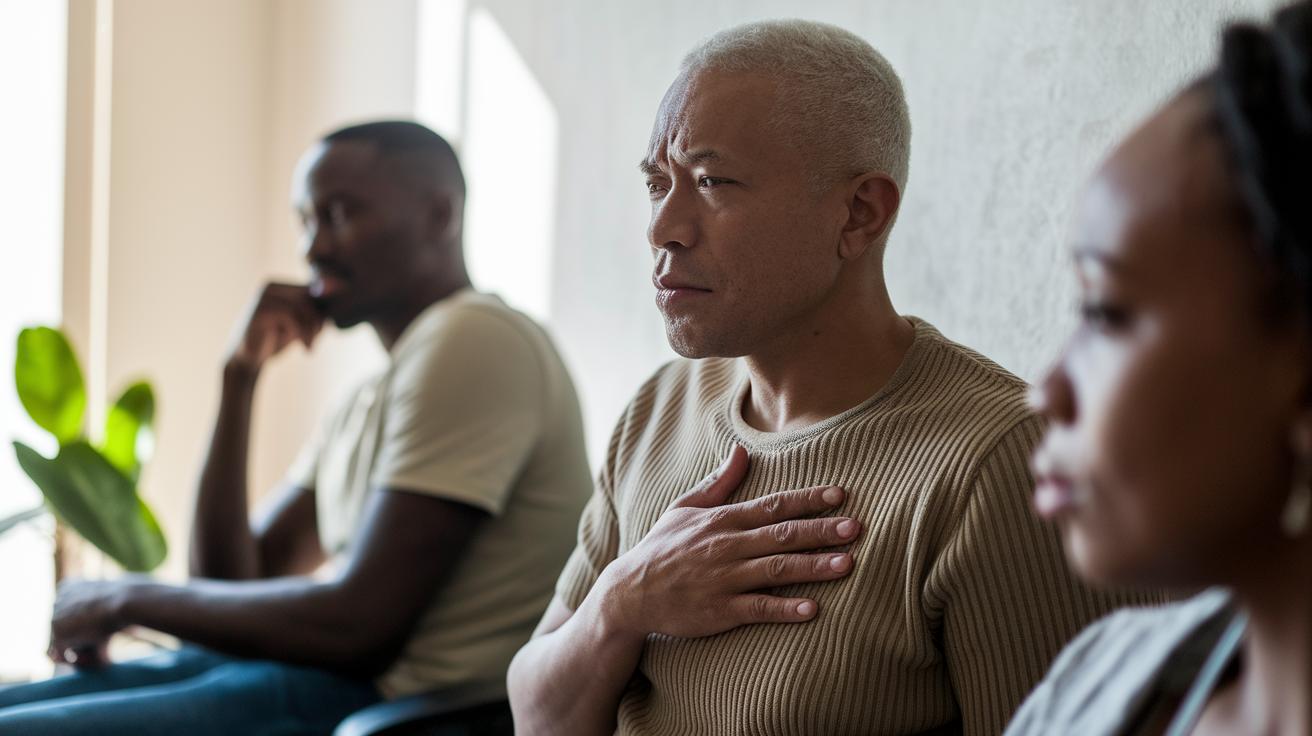
Quick take: You may feel heavy chest pressure and strong fear during a panic attack. Though it feels scary, the symptoms are usually not dangerous.
Triage Box:
• Call emergency services now if you have chest pain that is severe, lasts longer than 10 minutes, or comes with other signs like fainting.
• Seek same-day care if you notice new or worsening symptoms with your chest pressure or shortness of breath.
• Otherwise, watch your symptoms and use calm techniques like deep breathing and grounding exercises.
Panic attacks come on suddenly with a mix of intense fear and physical signs. You might feel tight pressure on your chest, a fast heartbeat, trembling, sweating, and shortness of breath. These symptoms start quickly and without a clear reason, often tied to a stressful or overwhelming moment.
The feeling of doom during a panic attack is striking. It can seem like you are having a heart attack, which makes you try to calm yourself through slow, deep breaths and techniques to bring you back to the moment.
Most panic attack symptoms peak around 10 minutes and then begin to fade. This quick rise and fall show that your body is reacting to stress. Although these sensations are alarming, they are not harmful by themselves.
If you experience these episodes repeatedly or feel worried long after they have passed, talk to a trusted healthcare provider about managing your symptoms.
Self-Help Strategies for Relieving Anxiety-Induced Chest Tightness
Quick take: These simple home steps may ease your chest tightness from anxiety, but if your symptoms worsen or you notice red flags, seek care right away.
If you have any of these emergency signs, call emergency services now:
- Severe, unrelenting chest pain
- Trouble breathing or shortness of breath
- Pain that spreads to your arm, neck, or jaw
- Feeling faint or dizzy
Here are some gentle ways to help calm your body:
- Practice deep breathing (inhale slowly for 10 seconds, hold, then exhale slowly for 10 seconds)
- Try guided mindfulness or visualization (focus on calm images or gentle thoughts)
- Do progressive muscle relaxation (tighten and then relax one muscle group at a time)
- Use a relaxation app for step-by-step instructions
- Aim for 7–9 hours of sleep each night
- Eat healthy, balanced meals that help lower inflammation
Deep breathing helps you slow down quick, shallow breaths that can make your chest feel tighter. Guided mindfulness shifts your attention from discomfort so you can notice your thoughts without judging them. Progressive muscle relaxation eases small muscle spasms in your chest caused by stress. A helpful app can guide you when you need a routine. Also, getting enough sleep and eating well support your body to handle stress better.
Keep track of what you try and note any changes. These steps are a practical start for managing chest tightness linked to anxiety, but always talk with your clinician if things change.
When to Seek Medical Attention for Chest Tightness in Anxiety
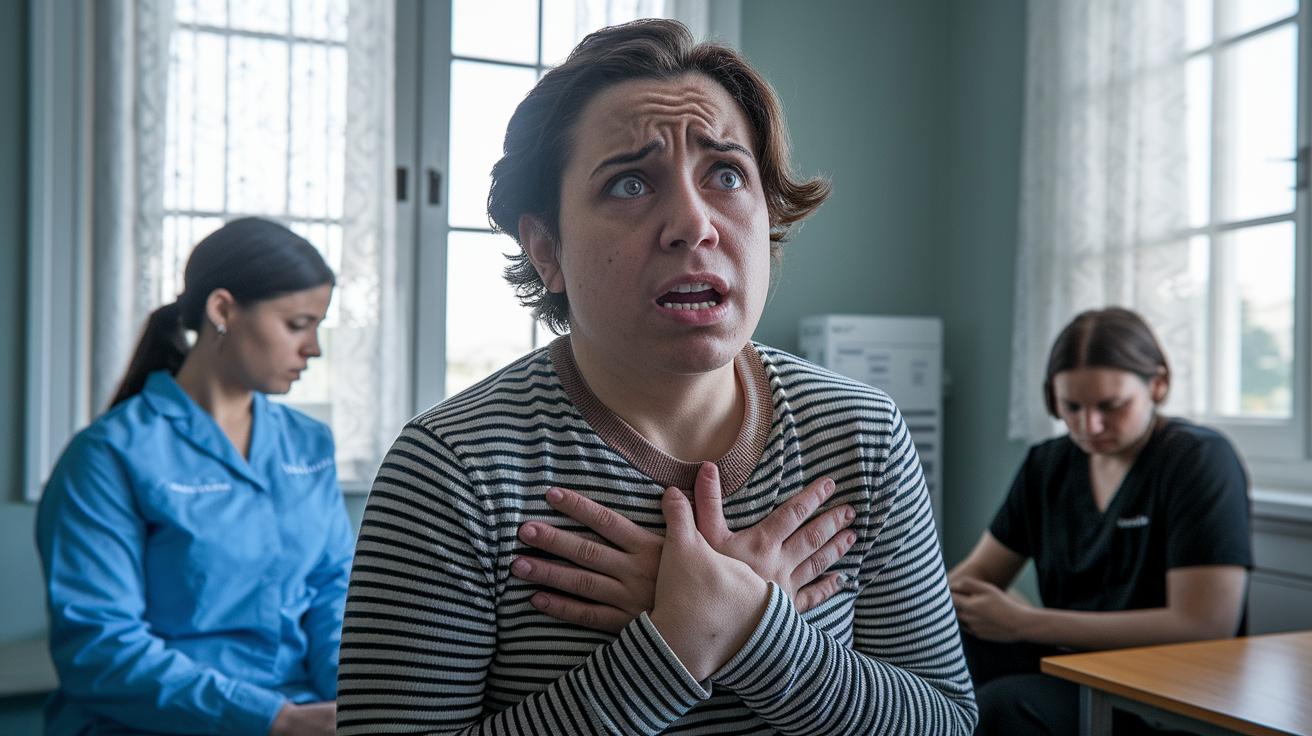
Quick take: New or worsening chest pain with anxiety can be a sign you need help.
If you experience any of these emergency signs, call emergency services now:
- Difficulty breathing or shortness of breath
- Nausea or vomiting
- Heavy sweating
- Feeling dizzy or lightheaded
- Pain that spreads to your jaw or arm
Sometimes, anxiety causes chest tightness that feels like heart trouble. If this pain is new or more severe than what you normally feel, don't wait. Write down the time it starts, how long it lasts, and any changes in your breathing or energy. This information helps your clinician decide if tests (like an EKG, a heart test) are needed.
Monitor your symptoms closely and seek help if they get worse.
Long-Term Management of Anxiety-Related Chest Tightness
Quick take: Anxiety can make your chest feel tight, but you can get help with simple therapies, practical exercises, and sometimes medicine.
If you have any of these emergency signs, call emergency services now:
- Severe chest pain that does not go away
- Trouble breathing or shortness of breath
- Feeling faint or dizzy
Your clinician may guide you with therapy and medicine to ease both your worry and the physical tension. For example, cognitive-behavioral therapy (a type of talk therapy that shows how thoughts can affect your body) teaches you skills to ease muscle spasms. Many people also benefit from counseling that helps manage daily stress and worry.
Medicines like SSRIs (selective serotonin reuptake inhibitors, which help balance certain brain chemicals) or other anti-anxiety drugs may be suggested to lower the discomfort. These treatments have been shown to reduce stress and may be adjusted if anxiety keeps affecting your daily life.
Other helpful methods include cognitive techniques and biofeedback. Mindfulness exercises and progressive relaxation (slowly tensing and then relaxing your muscles) can lower your chest tightness. Biofeedback gives you real-time signals about your body so that you can learn to relax your chest muscles.
Research is ongoing to find even better ways to ease anxiety-induced symptoms. If your anxiety often interferes with your routine, keep working with your mental health professional. Together you can build a long-term plan that helps you feel more confident and at ease.
Lifestyle Changes to Prevent Anxiety-Induced Chest Tightness

Quick Take: Simple changes in sleep, diet, and exercise can ease chest tightness linked to anxiety.
If you have any of these emergency signs, call emergency services now:
• Severe chest pain that spreads beyond your chest
• Trouble breathing or shortness of breath
• Lightheadedness or fainting
If your symptoms worsen or don’t get better, seek same-day care from your clinician.
Getting 7–9 hours of good sleep each night and eating a balanced diet can lower your stress hormones and help your muscles stay relaxed. Try to include foods rich in magnesium and B-vitamins (like leafy greens, nuts, and whole grains). For example, snack on a small handful of almonds with a spinach salad to help relax your muscles and ease tightness in your chest.
Regular aerobic exercise also plays a big role in reducing tension. Consider a brisk walk, jog, or bike ride to boost your heart health and lower stress. Adding a daily mindfulness or yoga routine can boost your mood, calm your thoughts, and ease chest tightness soon after you start.
Final Words
In the action, we explored how anxiety causes chest tightness by triggering your body’s fight-or-flight response. We broke down the differences between anxiety-related pain and heart pain, shared self-care tips, and discussed when to seek help.
A clear understanding of these topics shows that knowing what to do next can ease worry. Remember, does anxiety cause chest tightness? Recognizing symptoms early helps you manage your health and stay positive every day.
FAQ
How can I relieve chest tightness caused by anxiety?
The method to relieve anxiety‑related chest tightness involves techniques like deep breathing, mindfulness, and using a relaxation app. These help ease muscle tension and slow your heart rate.
Can anxiety cause everyday chest pain?
Anxiety can cause daily chest pain by triggering the body’s fight‑or‑flight response and keeping muscles tense. If you experience frequent chest pain, you should consult a healthcare provider to rule out other concerns.
How long does anxiety‑induced chest tightness last?
Anxiety‑induced chest tightness generally lasts a few minutes as the fight‑or‑flight response subsides. In some cases, it may linger longer if anxiety remains elevated, so professional advice is recommended if it persists.
What does chest pain from anxiety feel like?
Chest pain from anxiety often feels like pressure or a tight band around the chest, similar to a pulled muscle. It may come with other stress signs, such as a racing heart or shallow breaths.
What is musculoskeletal chest pain related to anxiety?
Musculoskeletal chest pain related to anxiety stems from tightened chest muscles. This type of pain mimics the sensation of muscle strain or soreness and can improve with relaxation techniques.
Can gastritis cause chest pain?
Gastritis can cause chest pain by provoking heartburn that radiates upward. This pain is typically due to inflammation of the stomach lining and differs from the tightness felt during anxiety.
How can I relieve chest pain after vomiting?
Chest pain after vomiting may result from acid reflux or muscle strain. Rest, hydration, and over‑the‑counter antacids can help relieve the discomfort, but seek medical advice if the pain worsens.