
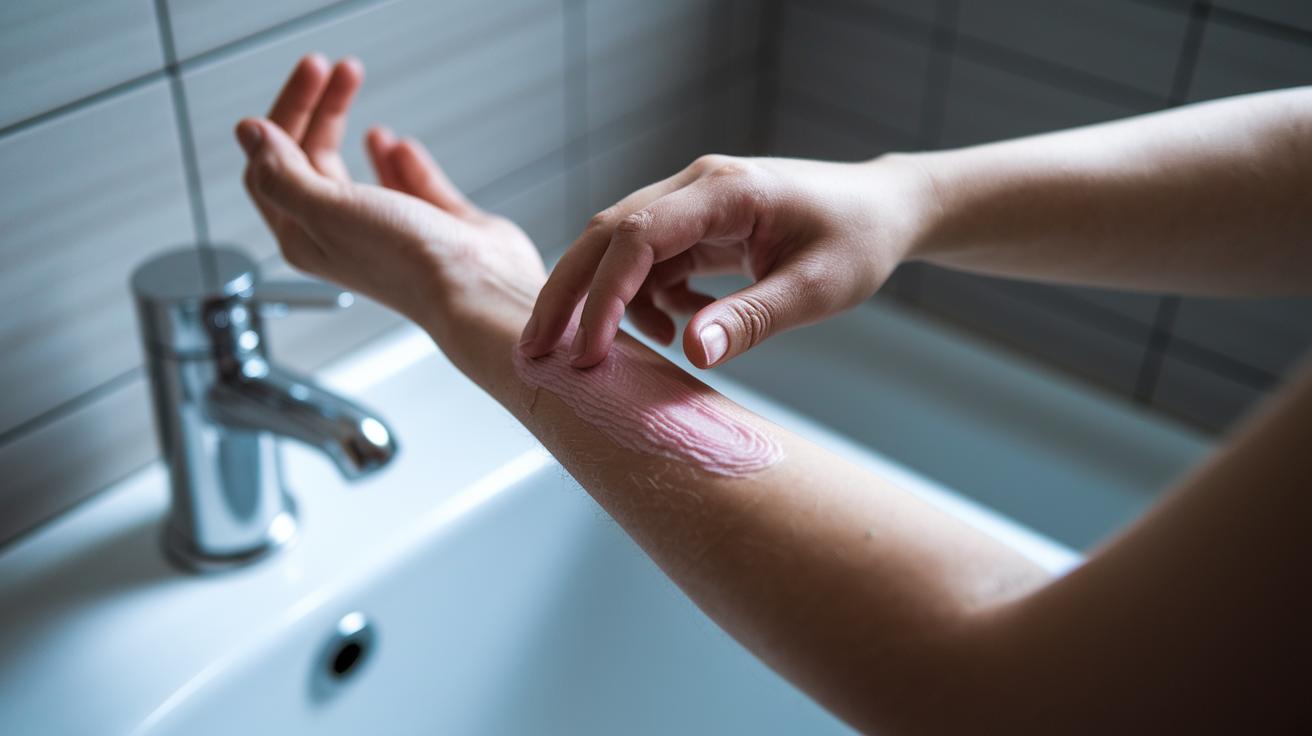

Quick take: Sudden skin burning or itching can come from everyday products or substances.
If your skin burns or itches severely, spreads, or comes with swelling or trouble breathing, call emergency services or see a doctor right away.
If your irritation is mild, note any new products you have used and try to avoid them.
Keep track of how your skin feels and talk with your clinician if the symptoms do not get better in a couple of days.
Have you ever felt your skin burn or itch without a clear reason? It could be caused by everyday items, such as the chemicals in your cleanser or allergens in your jewelry. In this guide, we explain common triggers behind skin irritation. You will learn how typical exposures can lead to these reactions and what signs you should watch for. Understanding the causes can help you act early and keep your skin calm.
what causes skin irritation: Bright Answers Ahead
Quick take: Skin irritation can come from several common issues. Check your symptoms and act if things worsen.
Triage Box:
- If you have severe pain, trouble breathing, or the rash spreads quickly, call emergency services now.
- If the irritation becomes very painful or widespread, get same-day medical help.
- For mild cases, avoid irritants and track any changes.
Skin irritation often stems from a few common conditions. Eczema (atopic dermatitis) is one. It affects over 31 million people. You may see dry, red patches that flare up, especially where your skin is more sensitive. Eczema often comes with allergies, asthma, or hay fever.
Another cause is contact dermatitis. This happens when your skin touches irritants or allergens. Think of things like poison ivy, nickel in jewelry and clothing, or chemicals in detergents and perfumes. You might get a rash if you use a new lotion with a strong scent. Knowing your triggers can help you avoid them.
Psoriasis is a long-term condition that affects about 7.5 million people. It shows as thick, dry patches with silvery scales. These patches often appear on your elbows, knees, or scalp and can come back over time. Ongoing care may be needed.
Hives, also known as urticaria, are raised, red, and itchy bumps. Up to 20% of people have hives at least once. Stress, certain foods, or changes in your environment can trigger them.
Rosacea mainly affects your face. More than 16 million people have it. It causes redness, visible small blood vessels, and bumps that may sometimes fill with fluid.
Watch your skin for patterns:
- Look where the irritation appears.
- Note if new products or exposures match your flare-ups.
- Record any changes so you can share details with your doctor.
Stay mindful of your skin. If things get worse, reach out to a clinician for help.
Chemical and Allergen Irritants in Skin Irritation
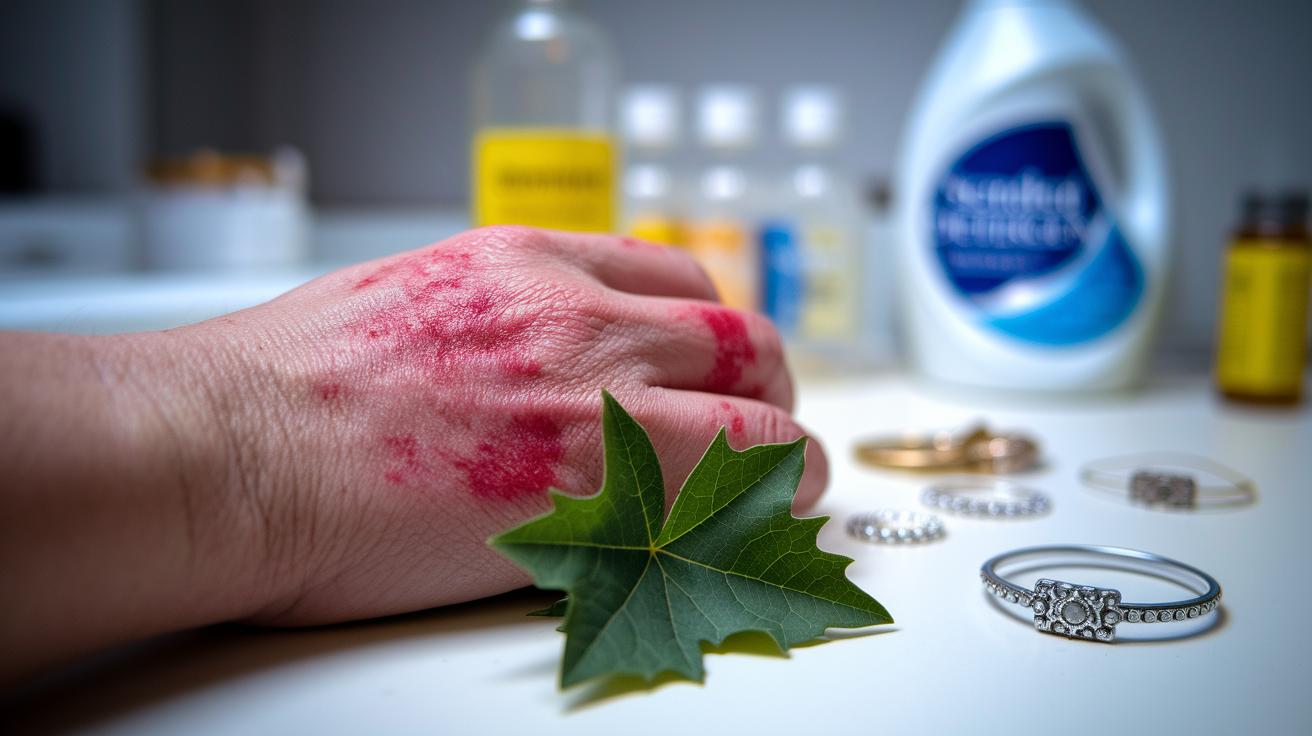
When your skin touches substances that cause irritation or allergies, you may develop contact dermatitis. This reaction can happen from poison ivy, over-the-counter creams like Neosporin, and metals such as nickel found in jewelry or clothing fasteners. Even items like dyes, perfumes, and strong chemicals in household cleaners can lead to skin problems.
These substances break down your skin’s natural barrier. They can cause redness, itching, and swelling. For example, even a small drop of a scented detergent can trigger irritation if you are sensitive.
Watch out for these common irritants:
- Poison ivy and plant oils
- Over-the-counter creams that contain allergens like Neosporin
- Nickel in jewelry or clothing fasteners
- Dyes or perfumes in cosmetics and laundry products
- Harsh chemicals in cleaning supplies
Before using a new product, test a small patch of skin to see if you react to it. Also, keep a simple record with the date, time, severity, and other signs. This note can help your clinician figure out if a chemical is the cause or if something else is triggering your reaction.
Biological and Pathogenic Causes of Skin Irritation
Quick take: Some infections cause red, itchy, or bumpy skin and usually aren’t dangerous, but watch for signs that need care now.
Triage Box:
If you notice any of these signs, call emergency services immediately:
- The rash spreads quickly or you develop a high fever.
- You experience severe pain or trouble breathing.
Otherwise, keep an eye on your symptoms, clean the affected area gently, and check in with your doctor if things get worse within a few days.
Fungal infections, like ringworm (a fungal infection), trigger red, ring-shaped rashes. Athlete’s foot and jock itch show similar patterns. Tinea versicolor produces small reddish-brown patches, especially in teens and young adults.
Impetigo is a bacterial infection that can follow a small cut or scrape. It causes round red patches with yellow crusts and often affects areas like the face, hands, or feet.
Scabies is caused by tiny mites burrowing into the skin. It leads to very itchy, pimple-like bumps, especially at night, which can disturb your sleep.
Certain viruses also cause skin irritation. Chickenpox, hand-foot-mouth disease, and shingles create clear rashes and are usually accompanied by fever or clusters of blisters. With Lyme disease, you might see a slowly expanding, red ring around a tick bite, a key early sign.
Keep track of these signs:
| Condition | What You See |
|---|---|
| Ringworm | Red, ring-shaped rash |
| Impetigo | Red patches with yellow crusts |
| Scabies | Intensely itchy, pimple-like bumps |
| Viral Rashes or Lyme | Expanding red rings near a tick bite |
Noting when the rash began, what it looks like, and how it feels can help your doctor better understand the cause and guide next steps.
Key Skin Conditions Leading to Skin Irritation
Atopic Dermatitis (Eczema)
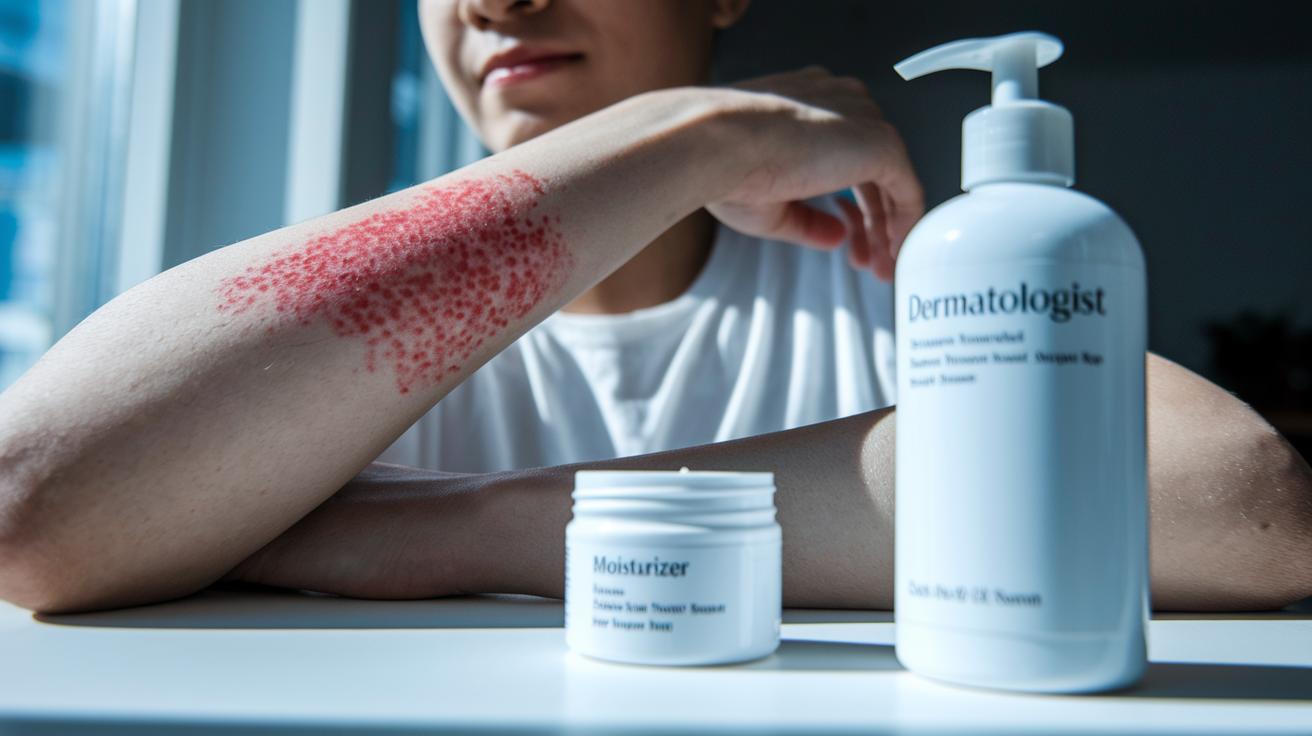
Eczema can affect anyone and is often linked with allergies, asthma, or hay fever. You may notice red, itchy patches that flare up when you’re stressed or when the weather changes. New moisturizers that lock in moisture and special medicines called biologics (drugs that adjust your immune system) can help ease these flare-ups. One person shared that after high humidity, using a rich moisturizer calmed their red patches.
Contact Dermatitis
Your skin can react when it touches irritants such as nickel, dyes, poison ivy, or creams like Neosporin. The rash appears only where your skin meets the irritant, and it can be red, bumpy, or even blistered. Try a small test patch before using a new product. Studies also show that barrier creams can give your skin extra protection.
Psoriasis
Psoriasis often begins in your 20s or 30s, though it can start later. It creates thick patches with dry, silvery scales, usually on your elbows, knees, or scalp. New treatments that target the immune system show promise in reducing outbreaks. Many find that keeping track of triggers and making small lifestyle changes helps manage the condition.
Hives (Urticaria)
Hives come on quickly as red or pale welts that may itch, burn, or sting. About 20% of people experience hives at least once. Keeping a simple diary to note when the welts appear can help identify if an allergen or stress is the cause. Recent studies suggest that a mix of antihistamines (allergy medicine) and controlled light therapy can lessen frequent outbreaks.
Rosacea
Rosacea mainly affects your face. It can cause persistent redness, visible blood vessels, and sometimes small, fluid-filled bumps. Triggers like hot drinks or sudden temperature changes can worsen the symptoms. Gentle, prescription creams and laser treatments now offer ways to reduce persistent redness effectively.
Preventing Skin Irritation: Home Care Strategies
Quick take: Simple daily steps can keep your skin strong and help you avoid irritation.
If you notice any of these emergency signs, call emergency services now:
- Severe, spreading redness or swelling
- Blistering or open wounds
- Difficulty breathing or swallowing
Everyday skin problems often start when harsh chemicals or allergens come into contact with your skin. Many common products may trigger a reaction if your skin is sensitive.
Try these steps to lower your risk:
- Test new lotions on your inner wrist before using them all over your body.
- Use hypoallergenic, fragrance-free lotions, personal care, and laundry products to steer clear of common irritants.
- Wear protective gloves when using cleaners, applying cosmetics, or handling certain plants.
- Choose nickel-free or hypoallergenic jewelry since even small amounts of metal can cause a rash.
- Keep your skin hydrated with gentle, moisturizing lotions to build a stronger protective barrier.
Always check ingredient lists on new products. Even items that seem natural can sometimes irritate sensitive skin. Keep a simple diary with the date, what you used, and any skin changes. This will help you notice patterns and guide your future choices.
Reviewed by: Dr. Jane Smith, Dermatologist
Last review date: 10/01/2023
Sources: [1] Evidence-based skin care guidelines
Skin Irritation Treatments and Professional Care

Quick take: Some skin rashes must be taken seriously, especially when accompanied by fever, swelling, or rapid spreading.
Triage:
Call emergency services now if you have any of these signs:
- A high fever (over 102 F)
- Severe swelling around the rash
- The rash spreading quickly
Most mild skin rashes improve with simple at-home care. If your rash is small and not too bothersome, start with these steps:
- Apply hydrocortisone cream to calm redness and irritation.
- Take an over-the-counter antihistamine to ease itching.
- Use a barrier-repair moisturizer to strengthen your skin and help prevent further irritation.
If your symptoms do not improve or get worse, it is important to see a dermatologist. A skin doctor can check your rash, give a clear diagnosis, and suggest treatments to target the real cause. They might recommend:
- Stronger topical creams with corticosteroids for stubborn rashes.
- Oral or injected medications when your rash is widespread or severe.
Keep a record of your symptoms by noting the date, time, what treatments you used, and how your skin felt. This information can help your doctor adjust your treatment plan if needed.
Taking these steps early can help you manage your rash and protect your skin.
Final Words
In the action, we reviewed common triggers like allergens, chemicals, and infections that spark skin irritation. We broke down key conditions such as eczema, contact dermatitis, and psoriasis. You learned practical home care strategies and when to seek help for rashes that worsen or spread.
Keep track of any changes in your skin. Remember, understanding what causes skin irritation can guide you in effective, daily care and timely professional evaluation. Stay positive and proactive about your skin health.
FAQ
What cancer can cause itchy skin?
The cancer that can cause itchy skin is lymphoma, which may produce itchiness as a symptom. Consult your clinician if you experience new, persistent itching along with other unusual signs.
What causes itching that moves around the body?
Itching that moves around the body can be caused by allergies, infections, or hormonal imbalances. Noting the pattern and triggers can help guide you and your clinician toward the underlying cause.
What are common skin allergy types with pictures and treatment?
Common skin allergies include contact dermatitis, eczema, and hives. They can appear as red, inflamed patches or welts. Treatment often involves avoiding triggers, using creams, and taking antihistamines as recommended by your clinician.
What deficiency causes skin itching?
A deficiency, such as low iron or vitamin D levels, can lead to skin itching. Proper dietary changes or supplements, as advised by your clinician, can help address these deficiencies.
What medicine is used for skin rashes and itching?
Medicines such as over-the-counter hydrocortisone creams, antihistamines, and barrier-repair moisturizers are commonly used for skin rashes and itching. Your clinician can advise you on the most suitable option.
Which infection causes itching all over the body?
Infections like scabies or certain fungal infections can cause widespread itching. If you experience persistent, body-wide itching, it is important to seek medical advice for accurate diagnosis and treatment.
Why is my skin irritated all of a sudden, and what could it indicate?
Sudden skin irritation can indicate a reaction to allergens, chemicals, or an infection. Observing the pattern and any accompanying symptoms can help determine whether you need prompt medical attention.
How do you get rid of skin irritation?
You can often ease skin irritation by avoiding triggers, using gentle cleansers and moisturizers, and applying over-the-counter creams. If irritation continues, seek guidance from a clinician for further treatment.
What does skin irritation look like?
Skin irritation typically looks red and inflamed, with possible bumps, scales, or welts. The appearance may vary depending on the cause, making a clinician review key if the symptoms worsen.