
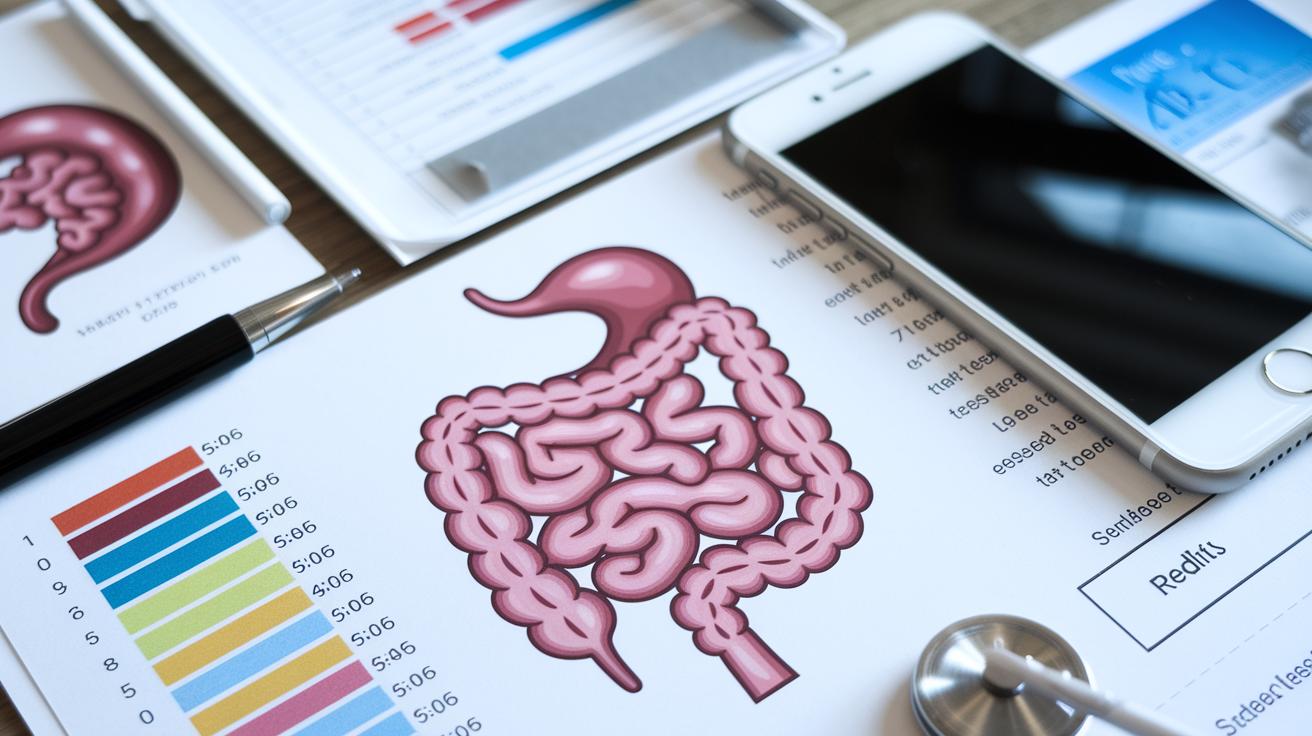

Quick take: Stomach cramps with blood in your stool can be a sign of a minor problem or something that needs quick attention.
If you have any of these emergency signs, call emergency services now:
• Heavy bleeding
• Severe pain
• Fever or chills
• Fainting
Sometimes, blood in your stool may come from hemorrhoids (swollen veins in the rectum) or a small tear from hard stools. Other times, it might point to a more serious condition that needs prompt care.
In this guide, we explain what could be causing these symptoms and what the color of blood might tell you. We also point out urgent signs so you know when to call for help right away.
Keep track of how long your symptoms last, note any changes, and write down details like pain level, the color of the blood, or if you feel lightheaded. This simple record can help your clinician decide what the next steps should be.
Stay safe and take action if you notice any red flags.
Understanding Causes and Urgency of Stomach Cramps and Blood in Stool
Quick take: Stomach cramps with blood in your stool can have several causes. Check for warning signs and act fast if they appear.
If you have any of these emergency signs, call emergency services now:
- Constant, worsening stomach pain
- Unexplained weight loss
- Fever or feeling very tired
Common causes include hemorrhoids and anal fissures. Hemorrhoids (swollen veins near the anus) can cause bright red blood on toilet paper or in the bowl. Anal fissures (small cuts in the lining of the anus) may bring on sharp, burning pain with bright red bleeding during a bowel movement.
Gastrointestinal infections from bacteria like Salmonella or E. coli can lead to abdominal spasms and rectal bleeding. Peptic ulcers (sores in the stomach or first part of the small intestine) often give a burning or gnawing pain in the upper belly along with blood in the stool. In rare cases, colon cancer may be the cause. The color of the blood is important: bright red blood usually means bleeding from the lower part of your gut, while dark, tarry blood suggests bleeding from the upper digestive tract.
If you notice vivid red blood along with ongoing cramps or any of the signs above, it’s important to seek help right away. Keep track of your symptoms, when they started, and how severe they are to share with your healthcare provider.
Common Benign Causes of Stomach Cramps and Blood in Stool
If you notice bright red blood on your toilet paper or in the bowl, it might be from hemorrhoids. These swollen veins in your rectum can form from straining or sitting for too long. They rarely hurt unless they become irritated.
You may feel a sharp burning pain during and after a bowel movement if you have an anal fissure. This small tear in the skin around the anus usually happens when you pass hard, dry stools. The burning pain can last longer than a typical cramp.
A gastrointestinal infection can also cause sudden stomach cramps, diarrhea, and even blood in the stool. These infections often bring extra symptoms like fever or vomiting, which are not common with hemorrhoids or fissures.
Take note of these points:
- Look for red blood on toilet paper or in the bowl.
- Monitor any burning pain during and after a bowel movement.
- Watch for diarrhea, fever, or vomiting, which may signal an infection.
If your symptoms get worse or do not improve in a few days, it is a good idea to contact your doctor.
Serious GI Conditions Linked to Stomach Cramps and Blood in Stool
Quick take: Unexplained stomach cramps and blood in your stool can signal a serious issue. Act now if you notice worsening pain or other red flags.
If you have any of these emergency signs, call emergency services now:
- Severe, continuous pain
- Heavy bleeding or vomiting blood
- Dizziness or lightheadedness
Urgent: Seek same-day medical care if your cramps or bleeding get worse.
Inflammatory bowel disease (IBD), like Crohn’s disease and ulcerative colitis, can cause long-term inflammation. This leads to steady, worsening abdominal cramps and blood in every bowel movement. One person said their pain grew steadily until they finally saw a doctor.
Peptic ulcers are open sores that form in your stomach or the start of your small intestine (duodenum). They create a burning or gnawing pain in your upper belly, especially when your stomach is empty. The pain may ease for a short time after eating but then return stronger with blood in your stool. That burning pain is a red flag you should not ignore.
Colon cancer is another serious cause. It could cause bleeding that shows as bright red or dark blood. Cramps may come and go or stay constant and severe. Also watch for signs like unexplained weight loss, constant tiredness, or changes in your bowel habits. When you see these signs along with blood in your stool, it’s important to get medical help immediately.
Keep a simple record of your symptoms:
- Note the time your pain starts.
- Record how long the pain lasts.
- Describe the pain (sharp, burning, steady).
- Write down the color of any blood you see.
Your notes will help your doctor decide if tests like a colonoscopy or imaging studies are needed to find the exact cause.
Diagnostic Approach for Stomach Cramps and Blood in Stool

Quick take: Stomach cramps with blood require prompt attention.
Triage Box:
• If you feel very weak, dizzy, or the pain becomes much worse, call emergency services now.
• If you see a large amount of blood or experience very severe pain, seek care the same day.
• If your symptoms are mild, keep track of them and share the details with your doctor soon.
Your doctor will begin by asking about your symptoms. They want to know when your pain started, how strong it is, and what type of blood you have seen. They will also perform a brief physical exam to check your body.
A stool test is usually the first step. This test looks for hidden blood, infections (germs causing illness), or parasites. For instance, it may reveal if a bacterial infection is behind the bleeding.
Sometimes a flexible sigmoidoscopy is recommended. In this test, the doctor uses a thin, bendy tube to look at the lower colon and rectum. Many patients say it feels like a quick look inside to spot small tears or swelling.
A colonoscopy is another option that gives a full view of your colon. This test also lets the doctor take a small tissue sample (a biopsy) for further study. This is especially useful if your cramps or bleeding continue.
In some cases, imaging tests like CT scans are ordered. These scans can show problems that may not be visible with other tests.
| Test | Purpose |
|---|---|
| Medical History & Physical Exam | Ask about your pain, bleeding, and overall health |
| Stool Test | Detect hidden blood, infections, or parasites |
| Flexible Sigmoidoscopy | Inspect the lower colon and rectum for tears or swelling |
| Colonoscopy | Examine the entire colon and collect tissue samples |
| CT Scan | Find problems not visible during an endoscopic exam |
Keep a record of
Home Care for Stomach Cramps and Blood in Stool
Quick take: Simple changes in what you eat and drink may ease your cramps and blood in your stool. If you have severe pain, heavy bleeding, a high fever, or feel dizzy, call emergency services now.
If you have any of these emergency signs, call emergency services right away:
- Severe, unrelenting stomach pain
- Heavy or bright red blood in your stool
- High fever or chills
- Dizziness or fainting
You can help your gut feel better with a few easy home changes. Avoid foods and drinks that might upset your stomach, such as spicy foods, alcohol, caffeine, processed meats, dairy, and fried foods. These can make your cramps and bleeding worse.
Drink plenty of water, try to have 8 glasses a day. Water helps soften your stool and makes bowel movements easier. One patient mentioned that tracking water intake made a noticeable difference.
A daily glass of prune juice might also help. Prune juice is full of fiber and sorbitol (a natural, gentle laxative) that can ease constipation and reduce strain. Many find that drinking it in the morning improves their digestion.
You might also add probiotics to your routine. Probiotics help balance the bacteria in your gut and may lower inflammation. You can take them as a supplement or enjoy them in yogurt.
Keep track of what you eat and any changes in your symptoms. Jot down notes to share with your healthcare provider later.
When to Seek Medical Care for Stomach Cramps and Blood in Stool

Quick take: Act now if you see these warning signs.
If you have any of these emergency signs, call emergency services right away:
- Strong, constant stomach pain that doesn’t ease
- Blood in your stool or during bowel movements
- A sudden tightening in your belly with rectal bleeding
- Unexpected weight loss along with your pain
- Fever, feeling very tired, or a big change in your bathroom habits
- Bleeding without pain, even if you think it might be from hemorrhoids or small tears
Keep a simple record of when these signs happen, how severe the pain is, and how often it occurs. This will help your doctor decide what to do next.
Preventing Stomach Cramps and Blood in Stool: Lifestyle Tips
Quick Take: A balanced diet, regular colon screening, and stress management can help keep your gut calm and healthy.
Triage Box:
• If you see a lot of blood with severe pain or feel lightheaded, call emergency services immediately.
• If your cramps or bleeding get worse quickly, get same-day care from a doctor.
• For mild symptoms, try self-care at home and keep an eye on your progress.
Eating foods rich in fiber, such as fruits, vegetables, and whole grains, helps your bowel move smoothly. Fiber keeps your digestive system on track and can lower the chance of cramps and bleeding when you strain. One person shared, "I added more fiber to my meals, and I had fewer cramps throughout the day."
Regular colon check-ups are important too. Tests like the stool blood test and colonoscopy are usually advised starting at 45 if you have no risk factors, or sooner if you do. These screenings can catch problems before they get serious.
Stress can also upset your stomach. Simple ways to ease stress include yoga, meditation, deep breathing, or going for a calm walk. These actions help keep your body steady and can reduce flare-ups.
Staying at a healthy weight is another important step. Excess weight can put extra pressure on your colon. Try these simple steps:
- Enjoy fiber-rich foods every day.
- Schedule your regular colon check-ups.
- Practice stress-relief activities.
- Stay active to help control your weight.
Using these steps can help reduce discomfort and support your overall gut health.
Final Words
In the action, this guide breaks down what might cause stomach cramps and blood in stool. We ran through common, less-serious reasons like hemorrhoids or anal fissures, as well as more serious conditions that need prompt care. You’ve seen simple home steps to ease symptoms and advice on when to seek help. Keeping track of changes and sharing them with your clinician can lead to quicker resolutions. Stay proactive about your health and remember, you deserve care that acts fast and feels reliable.
FAQ
What does it mean if I see abdominal pain and blood in my stool as an adult?
The presence of abdominal pain and blood in your stool can point to conditions ranging from hemorrhoids or anal fissures to more serious issues that need a doctor’s review if they persist.
What does it mean if I have bright red blood in my stool, including upper abdominal pain with bright red blood?
The appearance of bright red blood usually suggests bleeding from the lower digestive tract, although intense upper abdominal pain paired with it may signal bleeding from an ulcer or other condition requiring evaluation.
What does it mean when a child experiences stomach pain and blood in stool?
When a child shows stomach pain with blood in the stool, it may be linked to infections or minor tears, but it is important to consult a pediatrician for a proper assessment and care.
What home remedies can help with stomach pain and blood in stool?
Home care steps include avoiding spicy or fried foods, drinking plenty of water, and trying fiber-rich liquids like prune juice to ease symptoms, though persistent symptoms should be checked by a clinician.
When should I worry about blood in my stool and get urgent care?
You should get urgent care if blood in your stool is accompanied by severe, persistent pain, sudden weight loss, fever, or fatigue, as these signals may indicate a condition that needs prompt medical attention.
How can I tell if blood in my stool is serious?
Blood in your stool becomes serious when it is persistent, coupled with significant pain or changes in your overall health, such as weight loss or altered bowel habits, which should be evaluated by a healthcare provider.
Why might I experience stomach cramping and bleeding when passing stool?
Stomach cramping with bleeding could result from common issues like hemorrhoids, anal fissures, or infections, and while sometimes minor, these symptoms need a countenance if they continue.
When should I go to the ER for blood in stool?
Go to the ER if you experience blood in your stool along with severe abdominal pain, rapid heartbeat, dizziness, or signs of shock, as these are serious red flags demanding immediate medical help.