
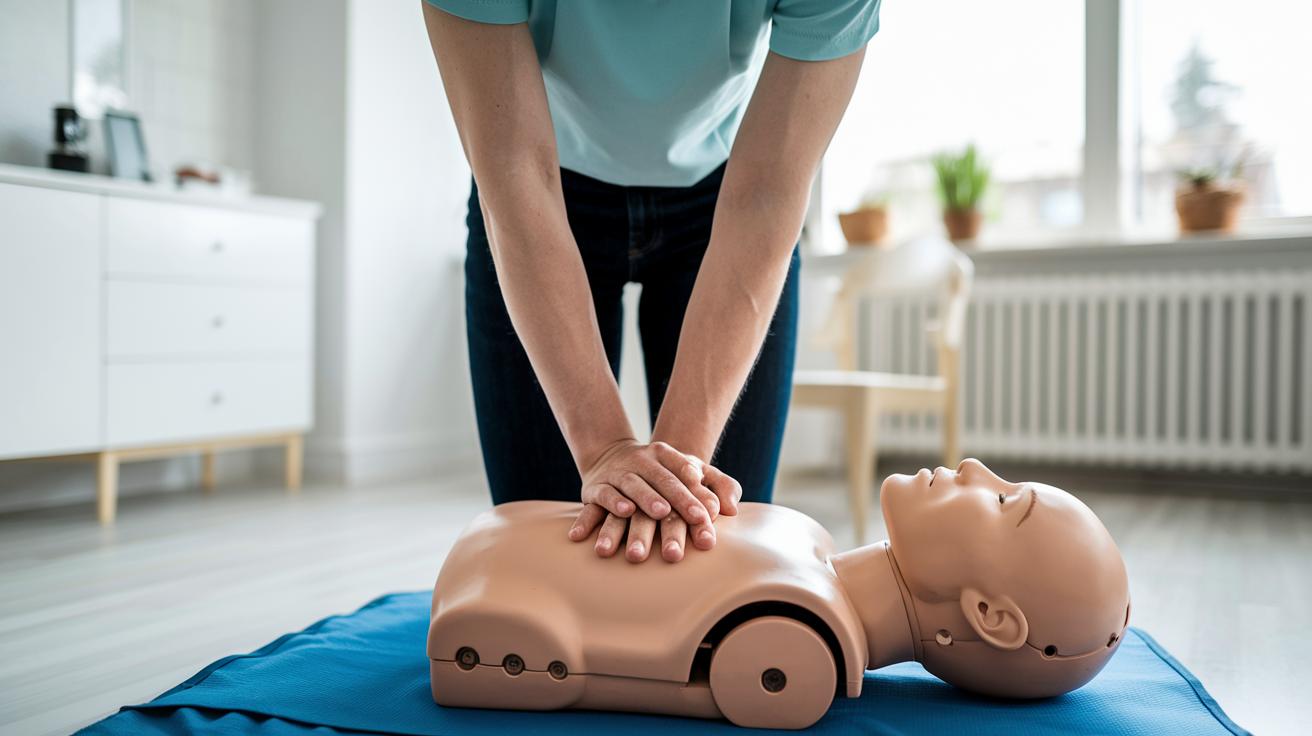

Quick take: Advanced first aid skills can save lives when seconds count.
Triage Box:
• If you see severe injuries or heavy bleeding, call emergency services immediately.
• If someone stops breathing or loses consciousness (heart stop/cardiac arrest), act urgently.
• In any life-threatening situation, follow proper steps and get expert help.
When it comes to emergencies, basic first aid might not be enough. Simple bandaging works for minor cuts, but major injuries need more advanced care. Advanced first aid training teaches you in-depth skills to handle serious injuries and heart stops (cardiac arrest). Board-certified doctors lead these courses, so you learn how to act confidently when it matters most. Online courses let you learn at your own pace and prepare you to manage life-threatening situations.
In short, advanced first aid not only boosts your skills, it can make the difference between life and death.
Comprehensive Advanced First Aid Training Overview
Basic first aid is great for small injuries, but it may not work when emergencies get serious. High-risk situations, such as major injuries, heart stoppages (cardiac arrest), or events with many injured people, need more than simple bandaging. With advanced training, you learn detailed steps and practical skills for tough, life-threatening problems.
These courses are fully online and work on any device, so you can learn at your own pace. Board-certified doctors teach the lessons using the latest standards from ILCOR and JCAHO. The program has a 4.9 out of 5 rating from 35,438 reviews and is accepted in 98% of the country. A risk-free refund guarantee also gives you extra peace of mind that your certification will be recognized. This training not only boosts your skills in emergency care but also earns trust with employers and colleagues.
Modules include:
- Advanced Cardiac Life Support (ACLS)
- Pediatric Advanced Life Support (PALS)
- Tactical Emergency Casualty Care (TECC)
- International Trauma Life Support (ITLS)
- Prehospital Trauma Life Support (PHTLS)
- STOP THE BLEED and Hemorrhage Control
Each module builds your ability to follow essential, life-saving protocols step by step. You learn hands-on techniques that help you act fast in dangerous moments, whether you are managing deep wounds or other critical trauma. When you finish these focused modules, you are ready to handle emergencies with confidence and skill.
Advanced First Aid Interventions and Techniques
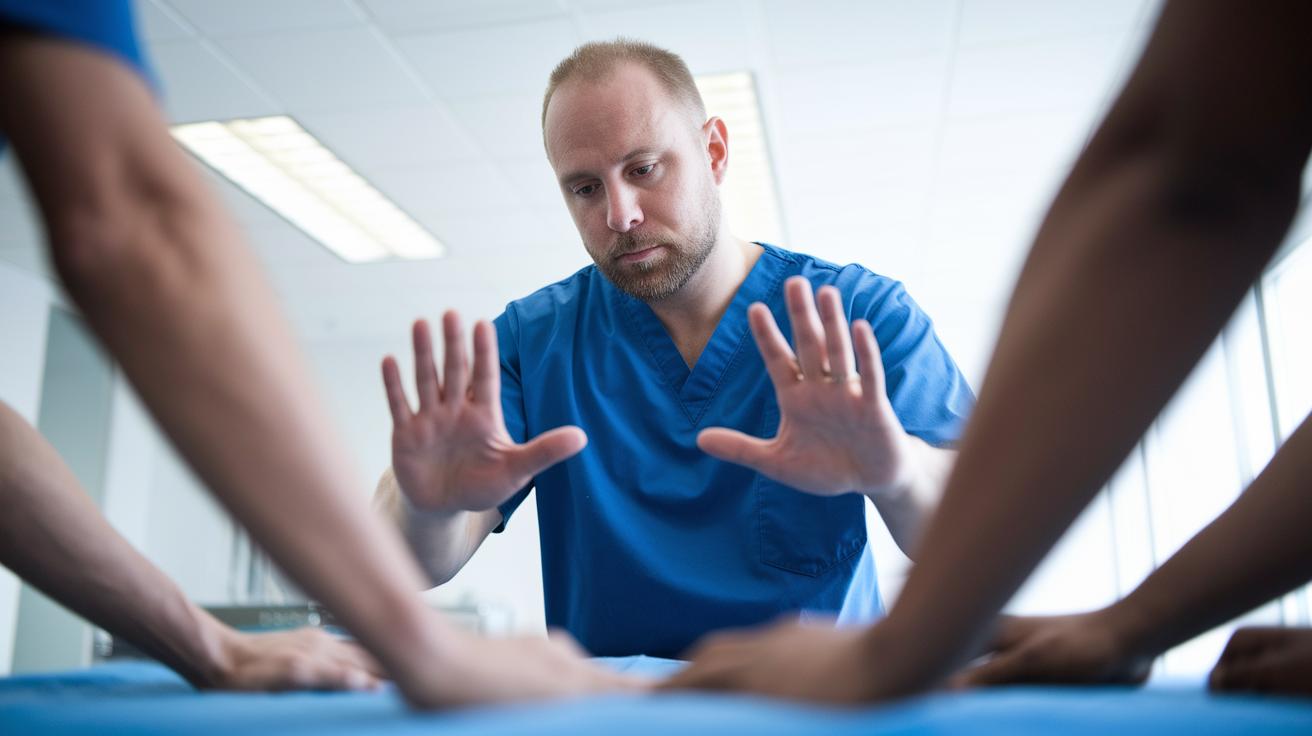
In a serious emergency, advanced first aid can save a life. When time is short, using special techniques to keep airways open, stop heavy bleeding, and protect injured parts is very important. These skills go far beyond basic first aid.
| Intervention | Purpose | Key Steps |
|---|---|---|
| Advanced Airway Management | Keep the breathing passage open | Use a jaw thrust maneuver, oral/nasal airway devices, and suction |
| Hemorrhage Control | Stop heavy bleeding | Apply a tourniquet, pack the wound, or use a clotting agent |
| Fracture Stabilization | Ease pain and prevent more injury | Use traction splints or immobilize the area |
| Wound & Burn Care | Help healing and lower infection risk | Clean the wound well and apply special dressings |
| Temperature Regulation | Manage low or high body temperature | Use thermal blankets and active warming or cooling methods |
| Anaphylaxis Management | Treat severe allergic reactions | Give epinephrine and support the airway |
These methods are practiced often in training drills to build speed and skill. For instance, in a blocked airway, using advanced airway management ensures oxygen reaches the lungs. Tourniquets and wound packing help keep dangerous blood loss at bay. Stabilizing a fracture lessens pain and stops further damage. Special cleaning and dressing lower the chance of infection in burns and cuts. Temperature control techniques protect against the risks of both cold and heat. Recognizing early signs of a severe allergy and quickly giving epinephrine can reverse a dangerous reaction. Regular practice builds your confidence so you can act calmly and precisely during a real emergency.
Advanced First Aid CPR and AED Application
Quick Take: Fast, strong chest compressions and correct AED use can help save a life when every second counts.
Triage Box:
- If the person is unresponsive and not breathing normally, call emergency services immediately.
- Start chest compressions at 100 to 120 per minute, pushing down about 2 inches.
- Use an AED as soon as possible, following its instructions.
- Practice these steps regularly to act quickly under pressure.
Updated guidelines tell you to perform fast, strong chest compressions. Aim for 100 to 120 compressions per minute at a depth of 2 inches. Adding rescue breaths (breaths given to help oxygen flow) can improve oxygen delivery during cardiac arrest. Combining these methods and keeping pauses to a minimum increases the chance of restarting an effective heart rhythm. Regular practice builds the confidence and skill needed in an emergency.
Using an AED correctly is just as important. Place the pads correctly on the chest and let the device analyze the heart’s rhythm before it advises a shock. Advanced AEDs are programmed with trusted guidelines (from ACLS, PALS, and BLS, even updated for COVID-19) to guide you each step of the way. Identifying heart rhythms quickly and delivering a shock promptly can make the difference between life and death.
Keep your skills fresh with regular scenario drills, detailed case reviews, and digital practice tests. Each practice session strengthens your ability to deliver high-quality compressions, proper rescue breathing, and correct AED use. These repeated drills help build the muscle memory and calm needed to act effectively when every second is crucial.
Advanced First Aid Certification Pathways
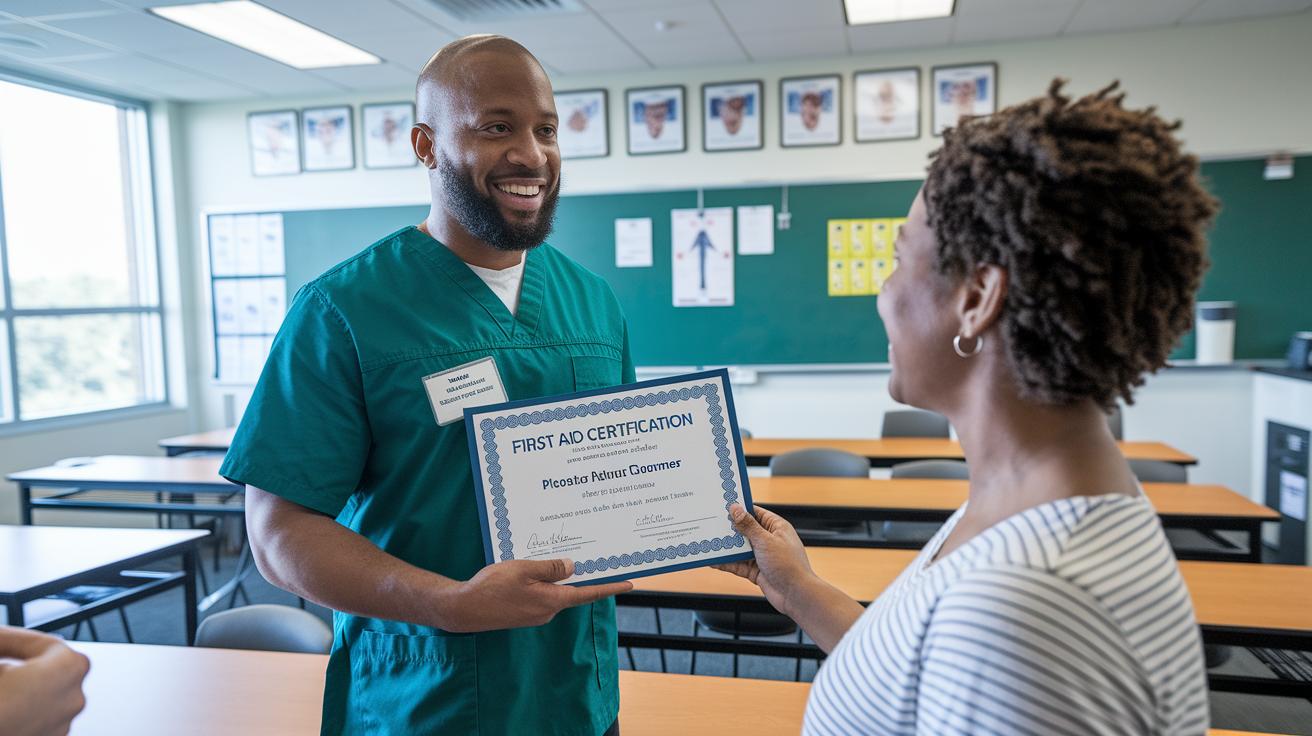
Quick take: These certifications help you build confidence and skills to act safely in emergencies.
Earning formal certification boosts your credibility and shows employers and colleagues that you can handle high-pressure situations. Accredited courses follow trusted guidelines like ILCOR (International Liaison Committee on Resuscitation) and JCAHO (Joint Commission on Accreditation of Healthcare Organizations), giving you a solid base in life-saving techniques. With a 98% acceptance rate across the nation and a refund guarantee, these programs are designed to prepare you for a wide range of emergencies.
Advanced Cardiac Life Support (ACLS)
ACLS training teaches you how to manage dangerous heart emergencies such as ventricular fibrillation (an irregular heartbeat) or tachycardia (fast heart rate). You can choose from initial certification, recertification, or ongoing training packages that include hands-on practice and case studies. This course helps you spot and treat life-threatening heart rhythms quickly using clear, evidence-based steps.
Pediatric Advanced Life Support (PALS)
PALS focuses on caring for children in emergency situations. The course covers practical pediatric care techniques through full certification tracks, practice tests, and bundled learning options so you are ready to manage serious cases with kids. If you work where children may need urgent help, this training is crucial for using age-specific treatment methods safely.
Tactical Emergency Casualty Care (TECC)
TECC is all about handling emergencies in chaotic settings, like mass-casualty incidents or active-threat situations. This certification shows you how to prioritize care quickly, even when things get hectic. It is especially useful for civilian tactical EMS, teaching you proven triage methods that work well under intense pressure.
EMT, AEMT & Paramedic Programs
These programs build your skills step by step. You start with essential care like stopping bleeding or treating shock, and then learn more advanced techniques such as medication administration and on-field procedures. This structured approach helps you grow from basic skills to advanced prehospital care, making sure you’re well-prepared to meet any challenge.
Online course options, high acceptance rates, and a risk-free refund guarantee make these certification pathways a smart choice if you want to improve your ability to save lives in emergencies.
Optimizing Your Advanced First Aid Kit
When you need to act fast during trauma, your kit can be a lifesaver. Pack it with vital items like airway aids (devices to keep breathing passages open), bleeding control tools such as tourniquets, wound packing materials, and hemostatic dressings, plus splints to secure fractures. Also, include thermal blankets to help manage body temperature when conditions are extreme.
Tailor your kit for the setting you usually face:
| Environment | Key Suggestions |
|---|---|
| Urban | Compact, high-quality items that fit small spaces |
| Remote | Extra airway devices and strong bleeding control tools since help may be far away |
| Tactical | Quick-deployment gear, rescue equipment, and protective items for chaotic scenes |
Check your kit often for expired supplies and practice your kit drills to ensure every piece works. Set up regular maintenance to replace items as needed and practice assembling your kit quickly in emergencies.
Advanced First Aid in Remote and Wilderness Settings
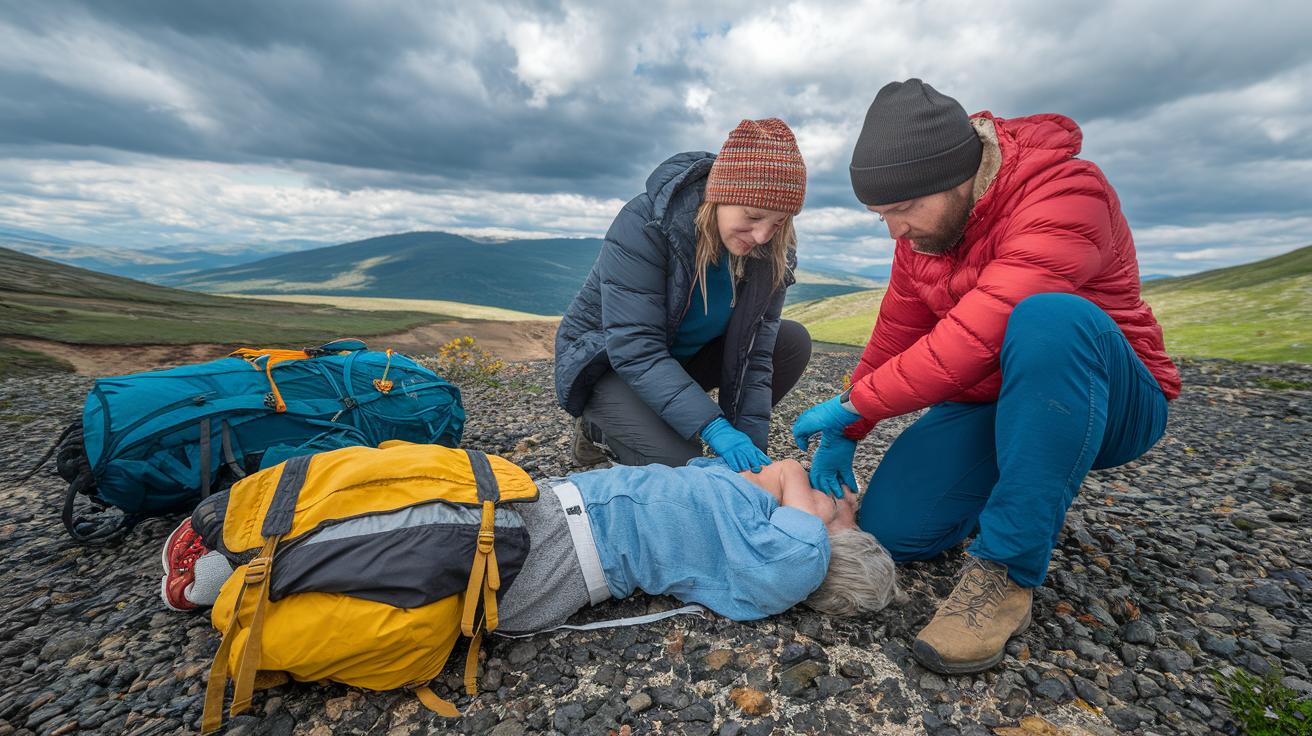
If you are far from help, you need extra first aid skills and tools because a basic kit may not work here. In the wild, rough terrain and few supplies make care more difficult. You might have uneven ground, hours of delay for help, and sudden weather changes. This means you need improved techniques for infection prevention, thorough wound cleaning, and keeping a spine safe when a backboard is not available.
When you are out in these areas, you might have to use smart, improvised solutions to keep a person stable until professional help can arrive. You may need to make your own splints to hold broken bones in place. Special dressings can lower the risk of infection when you are on dirty terrain. Taking care of burns or injuries from extreme cold (hypothermia) or heat (hyperthermia) is key. Quick pain relief and field sedation methods help lower pain and stop further problems when evacuation is delayed.
Modern portable telemedicine tools are becoming very useful in these settings. They link you with medical experts instantly to plan safe evacuation and guide treatment. Regular hands-on training in wilderness rescues builds your skills and confidence. This practice gives you a chance to mix expert advice with your own quick actions when every moment counts.
Evidence-Based Updates in Advanced First Aid Protocols
New guidelines now change how to perform CPR, use an AED (automated external defibrillator), and manage breathing. These changes help save lives in emergencies. JCAHO now also focuses on fast care before reaching the hospital and quick sorting during incidents with many injured. The updates include COVID-19 adjustments and new tools to control bleeding, making first aid more reliable.
Training now uses real-life simulations and case exercises. This kind of practice helps responders work through scenarios that match real emergencies. By running through these drills, you learn to use the new methods quickly and correctly. This hands-on approach has been shown to improve emergency care.
Ongoing training and regular reviews keep your skills sharp and ensure you use the latest guidelines in every situation.
Final Words
In the action of building practical skills and learning life-saving techniques, this guide offered a broad look at advanced first aid training, emergency interventions, certification pathways, essential kit organization, remote care, and the latest evidence-based updates.
It breaks down complex concepts into clear, manageable steps so you can act swiftly during high-risk scenarios. Remember, a well-prepared mind and the right advanced first aid training can save lives. Stay safe and keep learning.
FAQ
What is advanced first aid certification?
The advanced first aid certification verifies that you have mastered complex emergency skills beyond basic care through comprehensive training and expert-led modules designed for life-threatening scenarios.
How do I find advanced first aid near me?
The advanced first aid near you can be located by checking local hospitals, community centers, or trusted online platforms that list certified advanced emergency training courses in your area.
What does Advanced First Aid PF2e refer to?
The Advanced First Aid PF2e typically refers to a specialized module or resource focused on detailed emergency protocols; check with the official provider for specific curriculum and certification details.
What is advanced first aid training PDF?
The advanced first aid training PDF is a digital document outlining higher-level responder protocols, including step-by-step instructions and guidelines for managing severe emergencies in a printable format.
What does an advanced first aid kit include?
An advanced first aid kit includes extra tools such as airway adjuncts, tourniquets, hemostatic dressings, and other equipment designed for managing severe trauma and complex emergencies effectively.
How is advanced first aid training online delivered?
The advanced first aid training online is offered through accessible digital modules, led by certified instructors and designed to meet current standards, allowing you to learn life-saving skills on any device.
What can I expect from an advanced first aid book?
An advanced first aid book provides detailed explanations, evidence-based techniques, and practical guidelines to help you understand and apply higher-level emergency care methods.
What is HSI Advanced First Aid?
HSI Advanced First Aid is a specialized training course offered by HSI that delivers in-depth education on managing high-acuity emergencies using advanced first aid techniques and protocols.
What is considered advanced first aid?
Advanced first aid is considered emergency care that goes beyond basic measures into complex procedures like advanced airway management, hemorrhage control, and specialized trauma interventions.
What is the difference between first aid and advanced first aid?
The difference is that basic first aid covers fundamental care for minor injuries, while advanced first aid involves detailed, critical interventions designed to manage severe or life-threatening emergencies.
What is the highest level of first aid?
The highest level of first aid is advanced first aid, which incorporates comprehensive protocols and techniques such as ACLS, TECC, and specialized trauma management to address critical emergency situations.