
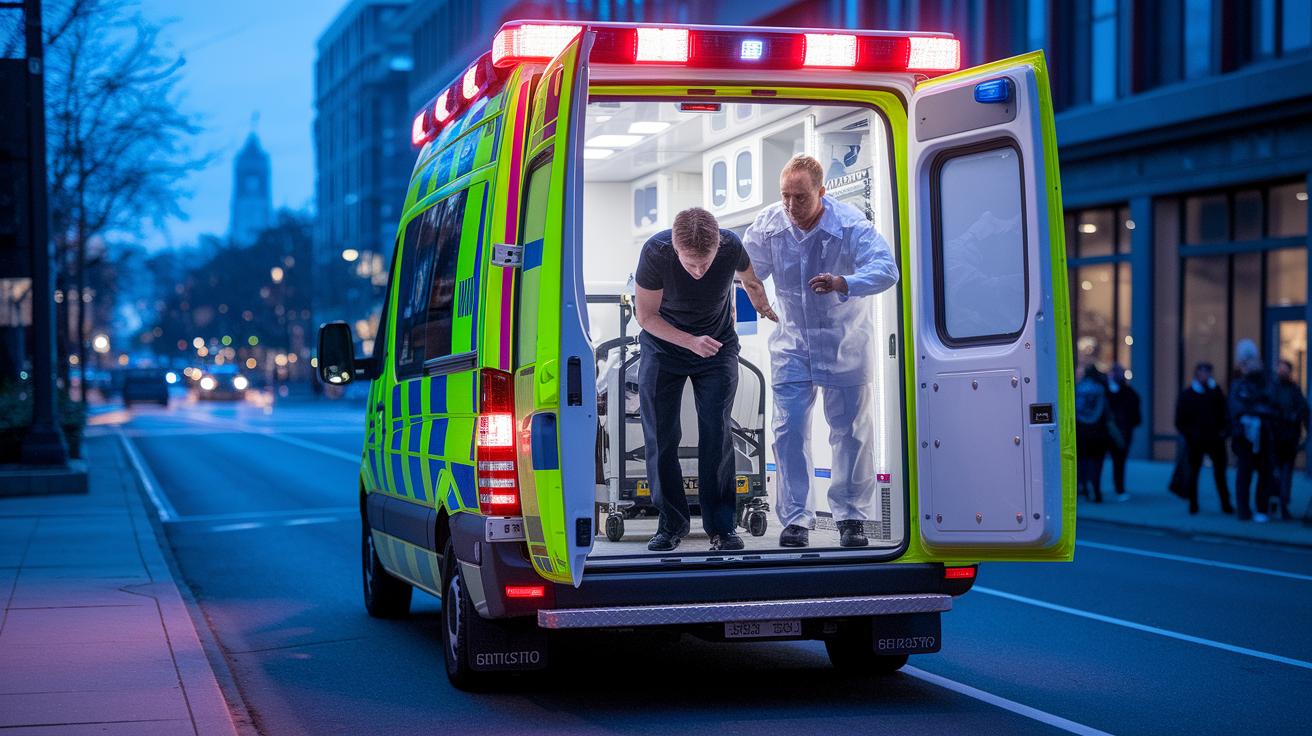

Quick take: When seconds matter, fast, clear action can save a life.
If you face a trauma emergency, act immediately. First, call 911 if the situation is life-threatening. Then, follow quick steps such as controlling heavy bleeding. A practiced plan helps keep someone stable until professional help arrives.
This guide breaks down each step so you can act safely and decisively. Stay calm, use clear actions, and remember that every second counts.
Step-by-Step Trauma Emergency Protocol Guide
Quick take: Fast recognition and calm action can save lives.
Triage Box:
If you see any of these signs, call emergency services immediately:
- Heavy bleeding you can’t stop
- Sharp, severe pain
- Changes in alertness or consciousness
Steps to Follow:
- Call 911 right away and grab your trauma kit.
- Find a clean cloth. Press firmly on any wound that is bleeding.
- If a limb is bleeding, use a tourniquet on that area until bleeding stops.
- Keep the injured person as calm as you can. Write down their ID or mark it as “Unknown” if they have no ID.
These actions help keep the person stable until help arrives.
Next, perform the ABCDE primary survey:
• Airway – Make sure the breathing passage is clear and support the neck.
• Breathing – Watch for chest movement and listen to the breath sounds.
• Circulation – Control any bleeding and check the pulse and skin color.
• Disability – Check how awake the person is and look at their pupil responses.
• Exposure – Remove clothing to check for hidden injuries while keeping the person warm.
Finally, set up two large-bore (18-gauge) IV lines to start fluids and help maintain circulation.
Primary Survey in a Trauma Emergency Protocol: ABCDE Approach

The primary survey is a fast check to spot life-threatening issues and guide your immediate care steps. Use this approach to keep the patient safe while you look for any problems that need urgent action.
• Airway (with C-spine immobilization): Make sure the airway is open. If there is major facial injury, consider using video laryngoscopy.
• Breathing (inspect chest movement, listen to breath sounds): Watch the chest for uneven movement and listen for strange sounds. Be ready to relieve pressure if you suspect a tension pneumothorax (air trapped in the chest).
• Circulation (control bleeding, check pulse and skin color): Quickly stop any heavy bleeding and check the pulse and skin tone. If shock is suspected, consider placing two large-bore IV lines for fast fluid support.
• Disability (assess level of consciousness, check pupil response): Look for any drop in alertness using tools like the Glasgow Coma Scale (GCS, a quick check of brain function) and check if the pupils respond properly. This may call for immediate imaging or a neurologic consult.
• Exposure (remove clothing, prevent hypothermia): Fully expose the patient to spot hidden injuries. Use warming techniques, especially for children or others at risk of getting too cold.
After you finish these steps and do not see any signs that need urgent attention, you can move on to a more detailed secondary survey to look over all injuries.
Trauma Emergency Protocol: Swift Steps for Safety
Quick Take: Once you are stable, extra checks help catch hidden injuries fast.
If you notice urgent problems such as a drop in alertness or rapid breathing, call emergency services immediately.
After initial stabilization, a secondary survey is done. In this step, your medical team gathers your complete history and performs a full head-to-toe check. They check areas that might hide injuries you cannot feel. They also use simple tools to look deeper.
One tool is the FAST exam. This is an ultrasound test that finds hidden bleeding inside the body. For example, a quick FAST exam once spotted a small internal bleed, so doctors could act fast.
| Adjunct | Modality | Purpose |
|---|---|---|
| FAST | Ultrasound | Detect free fluid |
| eFAST | Ultrasound | Assess chest & abdominal trauma |
| Whole-Body CT | CT Scan | Identify multi-system injuries |
| DPL | Peritoneal Lavage | Confirm intra-abdominal bleeding |
| CXR/Pelvic X-ray | X-ray | Evaluate fractures & chest pathology |
Within 24 hours, a tertiary survey is completed. This is a repeat of the physical exam and history check. The goal is to spot any injuries that may have shown up later. This step helps make sure nothing is missed and keeps you safer.
Hemorrhage Control and Massive Transfusion Principles in Trauma Emergency Protocol
Quick take: Fast, focused steps can stop heavy bleeding and save a life.
Triage Box:
- If the patient shows signs of shock (confusion, rapid breathing, pale skin), call emergency services now.
- If bleeding does not slow with forceful pressure, seek urgent help.
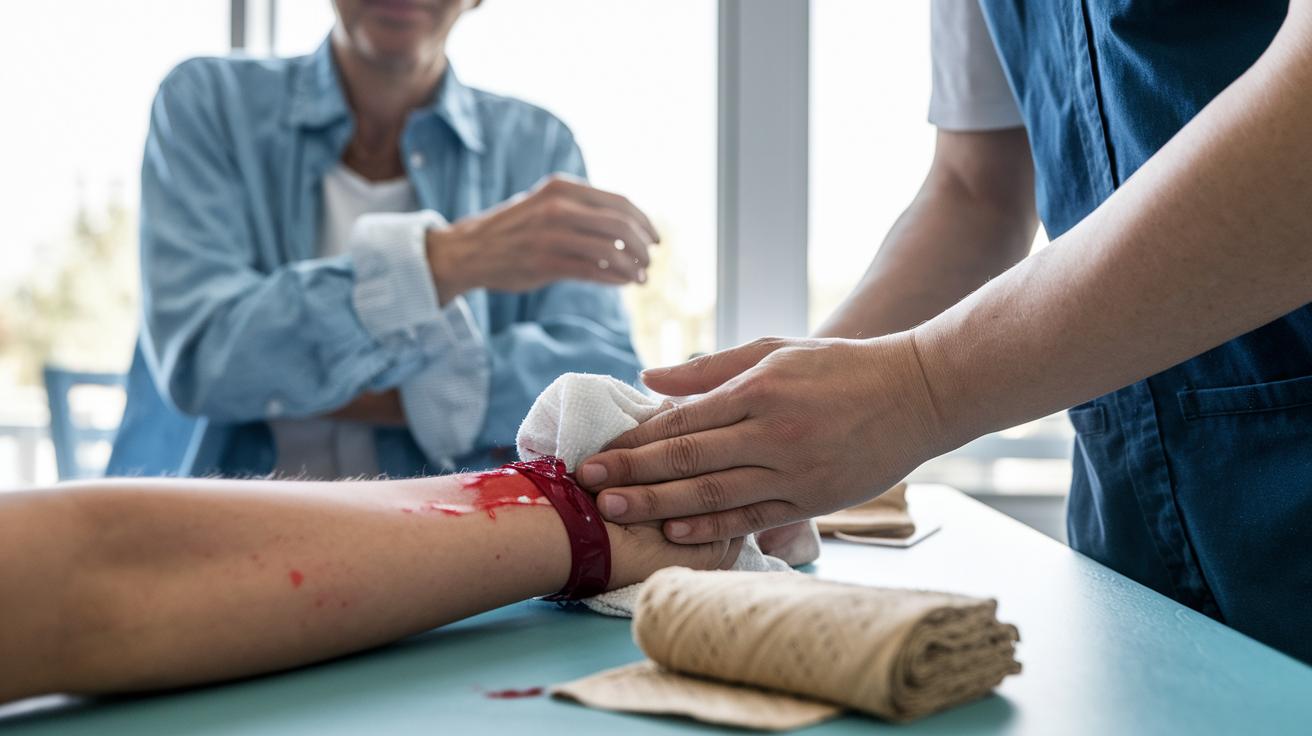
- Begin immediate first aid: press a clean cloth firmly against the wound, and use clot-promoting dressings if available.
- For arm or leg injuries with persistent bleeding, use a tourniquet and tighten until the bleeding stops.
Act quickly to curb deadly blood loss. First, press a clean cloth firmly on the wound to help slow the flow of blood. Special dressings that help blood clot faster can make a big difference. If bleeding from an arm or leg continues despite pressure, put a tourniquet on it and tighten it until the bleeding stops. These quick measures not only help stabilize the patient but also prevent shock, since heavy bleeding is a leading preventable cause of death in trauma.
Once external bleeding is under control, set up two large IV lines (18 gauge) as soon as you can. This allows for the fast delivery of fluids and blood products. Massive transfusion protocols use packed red blood cells, plasma, and platelets in fixed ratios to restore blood volume and treat shock effectively. Correcting low blood volume early on can lower the risk of death. Following a pocket guide for transfusion amounts and speeds can help guide these lifesaving steps during a crisis.
Prehospital and Transport Procedures for Trauma Emergency Protocol
Quick take: Secure the scene, stabilize your patient, and keep the trauma center informed.
If you arrive at the scene, first make sure the area is safe for you and the patient. Look for warning signs like a high-speed crash or worrisome vital signs. Immediately secure the airway, stop heavy bleeding using a clean cloth with firm pressure, and keep the spine still to prevent more injury. Constantly check the patient’s breathing and pulse while making sure that no extra hazards are nearby.
When it comes to transport, clearly share key details with the trauma center. Tell them if the patient’s alertness has changed, what you did to control bleeding, and their current vital signs (like heart rate and breathing rate). Make sure the patient is securely fastened, with the airway kept open and bleeding under control. Keep a close eye on the patient during the ride and update the center if anything changes.
Special Population Adaptations in Trauma Emergency Protocol
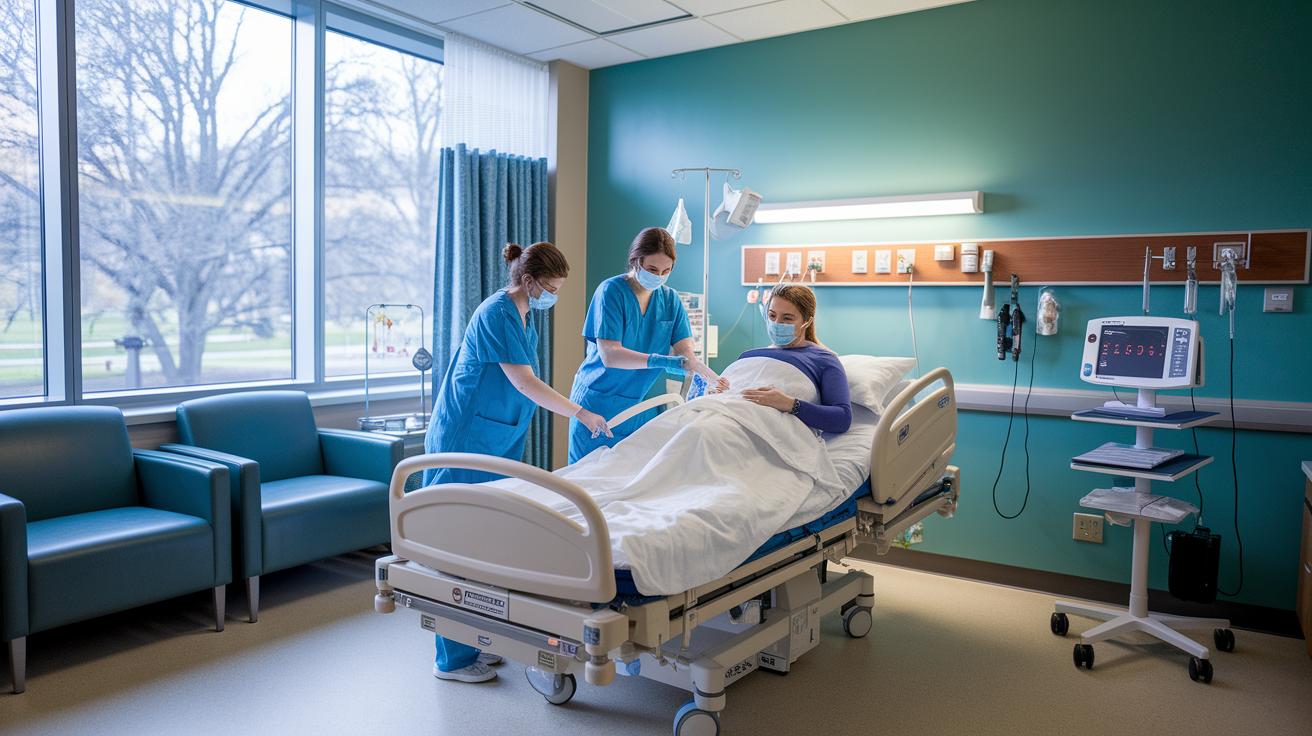
For pregnant patients, use techniques that help ease pressure on major blood vessels. This includes shifting the uterus to the left (left uterine displacement) and adjusting airway methods to fit the changes in body shape that occur during pregnancy.
When treating children, use equipment in sizes that match their age and weight. Carefully base medication doses on their weight and keep a close watch on their temperature to avoid hypothermia. Kids can be very sensitive to fluid shifts and medication amounts. For example, using a smaller, age-appropriate airway device helps keep their breathing passage open.
Elderly patients need special care because they are often frail and may have many chronic conditions. Monitor them closely and adjust fluid rates to prevent overloading their system. Keep a close eye on heart rate and blood pressure and take steps to avoid falls or other injuries. These careful adjustments help ensure they get the right care during a trauma emergency.
Final Words
In the action, this guide breaks down quick steps for trauma care. You learned how fast injury evaluation, bleeding control, and calling 911 can limit harm. It explains clear measures from the primary ABCDE survey to special population adjustments so you know what to do when seconds count. Following this trauma emergency protocol can help you act safely and confidently in a crisis. Stay calm, track changes, and rely on these steps to guide you through urgent incidents.
FAQ
What information does a trauma management protocol PDF or PPT provide?
The trauma management protocol PDF or PPT provides clear, structured steps for emergency care, including rapid injury evaluation, bleeding control methods, ATLS-based primary survey instructions, and guidelines for transport and nursing management.
How does a trauma protocol in the emergency room differ from other resources?
The trauma protocol in the emergency room outlines on-scene actions and in-hospital stabilization steps, emphasizing prompt assessment, hemorrhage control, and rapid IV access based on evidence-based ATLS guidelines for optimal patient care.
What do trauma resuscitation guidelines detail?
The trauma resuscitation guidelines detail immediate, life-saving actions including airway management with cervical spine control, breathing checks, circulation stabilization, and disability evaluation using the ATLS ABCDE approach for rapid patient stabilization.
How are nursing management resources for trauma patients useful?
Nursing management resources offer concise protocols for assessing trauma patients, controlling bleeding, establishing IV lines, and following ATLS primary survey steps, ensuring nurses can provide rapid, coordinated care during emergencies.