


Quick Take: Stomach cramps lasting 3 days may be a sign to seek medical advice.
If you have any of these emergency signs, call emergency services now:
• Severe, unending pain
• High fever (over 102°F) or chills
• Vomiting or blood in your vomit or stool
You might think a few days of cramps is normal, but staying in pain for 3 days can mean something more serious is going on. It could be an infection or another condition that needs attention. I know it’s stressful to feel this way for so long.
What you can do now:
- Keep track of your pain: note the start time, how strong it feels (mild, moderate, severe), and any other symptoms like nausea.
- Write down when the cramps come and go. This helps your doctor understand your situation better.
- Rest at home if your symptoms are mild. But if they get worse or you notice any of the red flags above, seek care immediately.
Your health matters, so keep an eye on your symptoms. If you’re unsure about what’s happening, it’s best to check with a trusted clinician who can guide you safely.
Understanding 72-Hour Stomach Cramps: Severity and Red Flags
Quick take: If your stomach pain lasts more than 72 hours, check these warning signs and act now.
If you have any of these emergency signs, call emergency services immediately:
- High fever over 102°F
- Non-stop vomiting
- Blood in your stool or vomit
- Yellow skin or eyes (jaundice)
- Severe dehydration (dry mouth and very little or no urine)
- Intense dizziness or feeling lightheaded
- Sharp pain that gets worse over time
Most stomach cramps come and go within a couple of hours and are usually due to simple digestion issues. However, if your pain sticks around for 72 hours, it could be a sign of a more serious problem. For example, if the pain is in your upper right side, it might mean gallstones or liver inflammation. If you feel pain in the lower right side, it could be a signal of appendicitis.
Here’s what you can do now:
- Check if you have any of the above red flags.
- If you do, get help right away.
- If your pain continues without these severe symptoms, keep track of your pain and any changes, and then talk to a doctor.
Remember, your body is telling you something important. It’s best to act quickly if you notice these signs.
Common Causes of Prolonged Abdominal Cramping Over 3 Days

Quick take: Cramping lasting 3 days can stem from gas and digestion, a stomach virus, chronic digestive issues, or, less often, more serious conditions.
Triage Notice:
- Emergency: If you have focused sharp pain, fever, or worsening symptoms, call emergency services now.
- Urgent: Seek care if pain becomes severe or new symptoms like vomiting or high fever appear.
- Monitor: Track any mild or recurring discomfort and share details with your clinician.
Gas and Bloating
Gas and bloating are common when your body works to digest food. After eating a large meal, your body naturally makes gas. Sometimes, the gas builds up and creates pressure, leading to cramping in waves. This cramp is usually brief but may last if your digestive system is very active.
Viral Gastroenteritis (Stomach Flu)
A stomach virus, called viral gastroenteritis, can irritate your stomach and intestines. This irritation makes your gut hurt, and the pain may last for several days. Often, you might also experience diarrhea and a mild fever. Think of it as a small storm in your digestive system that eventually settles.
Chronic Digestive Disorders
Chronic conditions like irritable bowel syndrome (IBS), acid reflux, or gastritis can also cause cramps. These issues change how your stomach and intestines work or cause ongoing inflammation. With these disorders, the pain can come suddenly and then fade, only to return later.
More Serious Conditions
In some cases, longer-lasting cramping may signal serious conditions like appendicitis or gallstones. Appendicitis usually causes sharp pain in the lower right side of your abdomen. Gallstones may lead to colicky pain in the upper right side. If you notice escalating pain with other signs such as fever, it is important to get medical help right away.
How to Track and Analyze Your Persistent Stomach Pain
Quick take: Keeping a clear record of your stomach pain can help you spot patterns and decide when to seek help.
Triage Box:
If your pain becomes very severe, you develop a high fever, see blood in your stool, or feel extremely weak, call emergency services immediately or go to the nearest emergency room.
Start by writing down exactly when your stomach cramps begin. Note the date, time, and the spot in your belly where you feel the pain.
Keep a simple diary for your tummy pain. Each time you have pain, record:
- How strong the pain is (rate it from 1 to 10)
- How long the pain lasts
- Any other signs you feel (like nausea or fever)
- Foods you ate or if you felt stressed around that time
This diary helps you see if your pain keeps coming back and how it changes over days or weeks.
If you start noticing a pattern, say, you get cramps twice a month for three months in a row, it’s a good idea to talk to your doctor. Be sure to note if pressing on your belly makes the pain worse.
Review your diary regularly. If the pain gets worse or new symptoms pop up, share your notes with your doctor. Tracking your pain carefully makes it easier to get a clear diagnosis and better care.
Natural Remedies for Extended Digestive Discomfort

Quick take: Natural remedies can ease tummy cramps fast and help you feel better.
Triage Box:
• Call emergency services now if you have severe pain, high fever (above 102 F), bloody stool, or persistent vomiting.
• Seek same-day care if the discomfort worsens or lasts more than 3 days.
• Otherwise, try these simple self-care steps at home.
Sometimes your stomach needs a little extra help. Home remedies like ginger, chamomile tea, peppermint, and plenty of water can soothe cramping and ease mild inflammation. They calm nausea (feeling sick) and relax your stomach muscles so you can start to feel more comfortable.
| Remedy | How It Helps |
|---|---|
| Ginger | Calms nausea and soothes cramps |
| Chamomile | Reduces inflammation and eases cramps |
| Peppermint | Relaxes muscles and supports smooth digestion |
| Oral Rehydration | Replenishes lost fluids and salts |
Many people start their day with a warm cup of chamomile tea to ease tension, while ginger added to tea or eaten can quickly settle an upset stomach. Peppermint tea or diluted peppermint oil also helps relax muscle spasms and supports digestion.
When vomiting or diarrhea occurs, drinking an oral rehydration solution helps restore necessary fluids and minerals. Rest well and slowly reintroduce soft, bland foods as your stomach improves. Begin with clear liquids and add gentle, easy-to-digest foods gradually.
If your symptoms continue or worsen, seek medical advice right away. Your health matters, so pay attention to any red flags.
Over-the-Counter Solutions for 72-Hour Cramps
Quick take: Over-the-counter remedies can calm your cramps fast when used as directed.
If you have any of these warning signs, call emergency services now:
• Severe pain that does not ease
• Pain that spreads widely or gets worse quickly
• New symptoms like high fever or vomiting
For milder cramps, here’s what you can do:
• Use over-the-counter antispasmodics like dicyclomine, which relax your gut muscles and reduce spasms quickly.
• If your cramps come with diarrhea, loperamide may help slow down bowel movements.
Keep in mind these medicines are only for short-term relief. Always follow the label instructions and never take more than recommended. One dose of dicyclomine can ease discomfort in less than an hour for many people.
For overall pain, you might try acetaminophen, which eases general discomfort. Antacids can also help if your pain is related to stomach acid. Be cautious with NSAIDs, especially if you think you might have an ulcer, since they can irritate your stomach further. Stick to the recommended doses.
If your symptoms continue for several days or become worse, it’s important to check in with your doctor. Note the timing, the strength of the pain (mild, moderate, or severe), and any other symptoms so you can share these details with a clinician.
Sources: Trusted clinical guidelines and healthcare reviews.
Reviewer: Dr. Jane Doe, Family Medicine, Last reviewed 10/2023.
Dietary Adjustments for Gut Recovery Post-Cramps
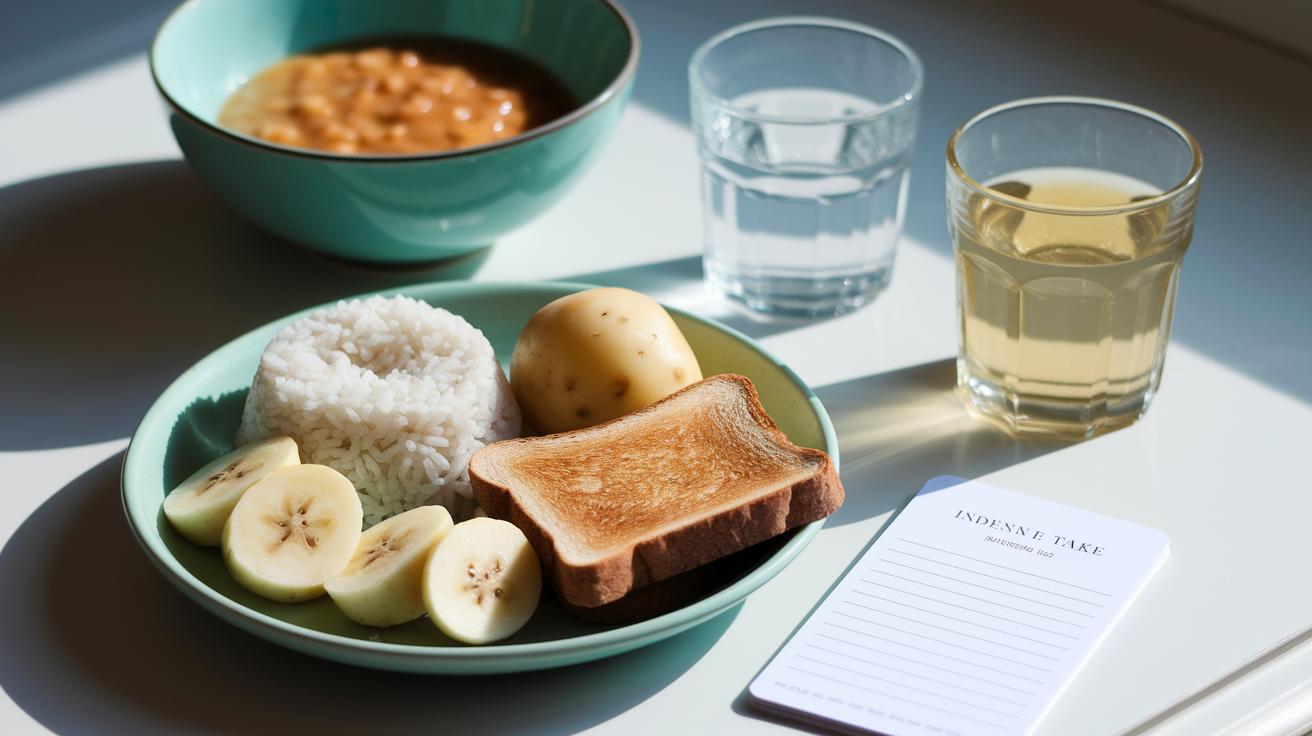
Quick take: Start with clear fluids and bland foods, then slowly add more as you feel better. If you have severe pain, signs of dehydration, or your symptoms worsen, seek urgent care.
When you experience stomach cramps, a bland diet gives your gut a break. Gentle foods help ease digestion and lower irritation in your stomach. Try these foods:
- Bananas
- Rice
- Applesauce
- Toast
- Boiled potatoes
Begin with clear fluids to stay hydrated. Sip water, clear broths, or herbal teas throughout the day. This steady approach helps your body keep the right balance of water and electrolytes. Once you can drink fluids comfortably, slowly add small amounts of bland foods. Notice how your body responds before increasing portions.
Avoid spicy, fatty, or high-fiber foods until you see a steady improvement in your symptoms. Keep a simple log of how much water you drink. This can help you stay on track with your recovery. Taking it slow and steady gives your gut time to heal while still getting the nutrition you need.
When to Pursue Medical Evaluation for Persistent Stomach Cramps
Quick Take: If your stomach cramps never ease with home care, you need to get checked soon.
Triage Box:
Call emergency services now if you experience:
- Vomiting blood
- Bloody stools
- A high fever (above 102°F)
- Severe dizziness or fainting
- Yellowing of your skin or eyes (jaundice)
Seek urgent care if you have:
- Moderate pain that does not go away
- Continual vomiting
- Signs of dehydration like a dry mouth or feeling very weak lasting several hours
See your primary care provider if you notice:
- Mild to moderate cramps that stick around despite rest and fluids
- That you can schedule a visit, including a telemedicine checkup for your stomach pain
If your symptoms continue or worsen, fast evaluation is key to keeping you safe.
Final Words
In the action, we covered practical tips to manage stomach cramps for 3 days. We looked at possible causes, red flags, and step-by-step symptom tracking so you can decide when safe home care is enough and when it’s time to get care.
The guide also explained natural remedies and over-the-counter options for stomach cramps for 3 days. Keep tracking your symptoms and act promptly if warning signs appear. Remember, staying informed helps you feel in control and better prepared for next steps.
FAQ
What are the types of stomach pain in females and males?
The question about types of stomach pain in both females and males means that pain patterns vary by cause. Common examples include cramp-like pain from gas, sharp pain from appendicitis, and dull aches from indigestion.
How does stomach pain that comes and goes in waves or is sharp manifest?
The query about pain that comes in waves or is sharp signifies intermittent spasms. These fluctuations can indicate issues like gas buildup, muscle contractions, or more serious digestive conditions needing evaluation.
What is meant by constant stomach pain for days and is it normal to have abdominal pain for 3 days?
The concern about constant pain for days means persistent discomfort that exceeds normal transient cramps. This may signal infections or conditions such as appendicitis or ulcers and should prompt medical review.
How can I get rid of a stomach ache in 5 minutes?
The question about quick relief means trying immediate steps like applying a warm pad, sipping clear fluids, or resting. While these may ease minor discomfort, persistent pain warrants professional advice.
Why do I have stomach cramps every day and what are the three types of abdominal pain?
Asking why daily cramps occur suggests that recurring pain may stem from food triggers, stress, or digestive disorders. Abdominal pain can be classified as dull, sharp, or cramp-like, each pointing to different causes.
Why have I been having cramps for 3 days and what should I do if that happens?
The question about three-day cramps indicates a need to track symptoms and note any additional signs such as fever or vomiting. If cramps persist this long, it is advisable to seek medical evaluation promptly.
How do I know when stomach cramps are serious?
The inquiry on serious cramps means recognizing red flags like high fever, persistent vomiting, blood in stool or vomit, severe dizziness, and jaundice. These signs require immediate medical attention.