
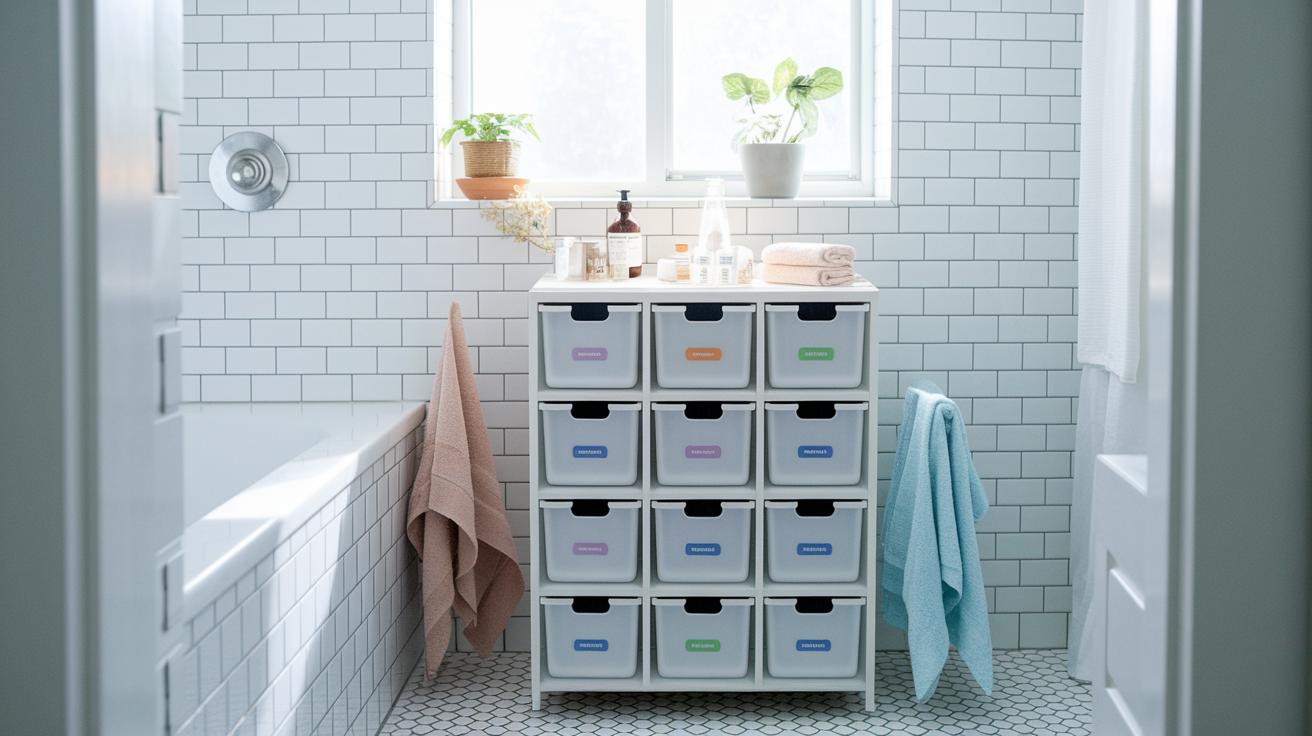

Quick take: A well-organized first aid cabinet can make a big difference in an emergency.
Many people miss that a neatly arranged kit changes panic into control when every second counts. With a smart setup, you can grab the right supplies fast when time is short.
In this guide, you’ll learn how to select a cabinet that fits your space and needs, whether you need one at home, in your office, or in your car.
Get ready to see how a simple, secure first aid cabinet can be a vital part of your safety plan.
Selecting and Purchasing a First Aid Cabinet
There are many types of first aid cabinets. Some are small and portable with about 50 items, which work well in cars or small spaces. Others are larger units that can hold up to 200 supplies, making them a good fit for offices or community centers.
They are made from tough materials like stainless steel or durable ABS plastic. A clear door lets you see what is inside quickly, while a lockable metal door adds extra security when you need it most.
When you pick a cabinet for your home, office, or car, think about the type and size that best fits your needs. A stand-alone cabinet works well in a room, a wall-mounted one saves floor space, and a portable option makes it easy to move your kit.
Consider these features:
• Capacity and number of items
• Material strength and durability
• Whether it stands alone or mounts to the wall
• Locking and security style
• Portability and handle design
Prices vary with the features and size. Cheaper models usually offer basic storage with fewer security measures. More expensive cabinets often have better durability, enhanced protection, and special mounting options. Compare costs to the features you need because a sturdy, well-made cabinet can help you be ready in an emergency.
Stocking and Organizing Your First Aid Cabinet
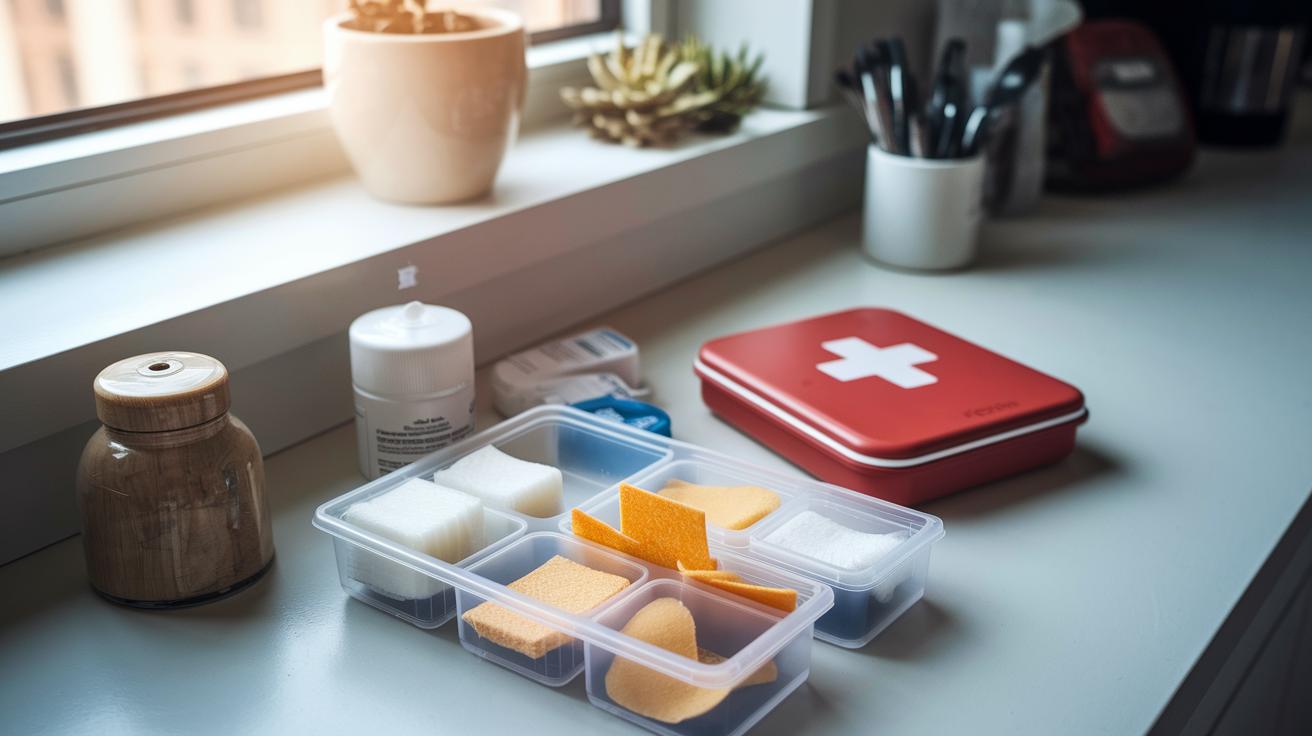
Keeping a good first aid kit at home can help you act fast during an emergency. Check that you have all the key supplies based on ANSI Z308.1-2015 standards. For example, include 16 adhesive bandages, 8 antiseptic wipes, 4 triangular bandages, and 2 burn dressings. Group like items together so you can quickly grab what you need when a problem occurs. Using a kit with compartments makes it easy to see everything and helps you avoid missing any crucial supplies.
A smart layout can make a big difference. Divide your kit into sections for wound care, burn treatment, and other everyday needs. This makes it easier to use a digital log or manual check to see what you have. Be sure to label each section and arrange items by their expiration dates. This helps you spot items that need to be replaced soon. An organized kit not only speeds up your response but also makes regular checks simple.
It is important to check your first aid kit every month. Write down the quantities of each item and note their expiration dates. Keep your log on paper or in a digital app. This simple habit helps prevent shortages and makes sure all your supplies are current. Regular checks give you peace of mind knowing that your first aid kit is ready for any situation.
| Supply Item | Minimum Quantity | Notes |
|---|---|---|
| Adhesive Bandages | 16 | For minor cuts and scrapes |
| Antiseptic Wipes | 8 | For cleaning wounds |
| Triangular Bandages | 4 | For slings or wrapping injured limbs |
| Burn Dressings | 2 | For minor burn injuries |
| Gauze Pads | 4 | To cover wounds and control bleeding |
| Medical Scissors | 1 | To cut bandages or tape |
First Aid Cabinet Design and Installation Options
If you need to store your emergency supplies, there are several cabinet designs to consider. Wall-mounted cabinets are very popular because they save space and are easy to reach. A typical wall-mounted cabinet measures 12×16×4 inches and is securely attached with brackets. Some models are raised to give a sleek look while keeping supplies within arm’s reach. Others come with a built-in LED light and need a 3.5-inch gap in the wall to help you see what’s inside even when it’s dark. This style works well at home or in offices where a clean, built-in look is important.
Surface-mounted cabinets offer another smart solution. These units attach directly to drywall, so you don’t have to make major changes to your space. They are perfect for hallways or small offices. Plus, portable models let you move your first aid cabinet if your needs change. Choose a design that fits your space and meets your safety needs.
Compliance Standards for First Aid Cabinets: OSHA & ANSI
Quick take: Keep your first aid cabinet clear and ready to help when an emergency happens.
OSHA rule 1910.151(c) tells you that workplaces must have easily accessible medical services and first aid supplies. In other words, your workplace needs a reliable first aid cabinet that is easy to reach during an emergency. Check your storage area often to ensure nothing is blocking access, as this simple step can save lives by helping you manage injuries fast.
ANSI Z308.1 divides first aid cabinets into two types. Class A cabinets hold basic supplies, while Class B cabinets are for more extensive needs and include 300 or more items. It is important to inspect these cabinets regularly and keep a log of checks and expiration dates. Doing this not only supports a quick response in emergencies but also helps you meet both legal and voluntary safety standards.
Maintaining and Restocking Your First Aid Cabinet
Check your first aid kit every month to be sure all supplies are in good condition. Look at each item and toss out anything that is expired or used. A clean kit makes sure you are ready when an emergency happens.
Many people keep a simple log or spreadsheet to track what they have and what they need. This helps you notice which supplies run out quickly, so you can plan ahead.
Local stores and online services make refilling your kit very easy. Many companies offer bulk refill packs and next-day delivery plans. Ask your vendor how they manage inventory so you know when a refill will arrive.
Keep up with this routine to keep your first aid kit safe and ready for any emergency.
Advanced First Aid Cabinet Features: Smart and Customized Solutions
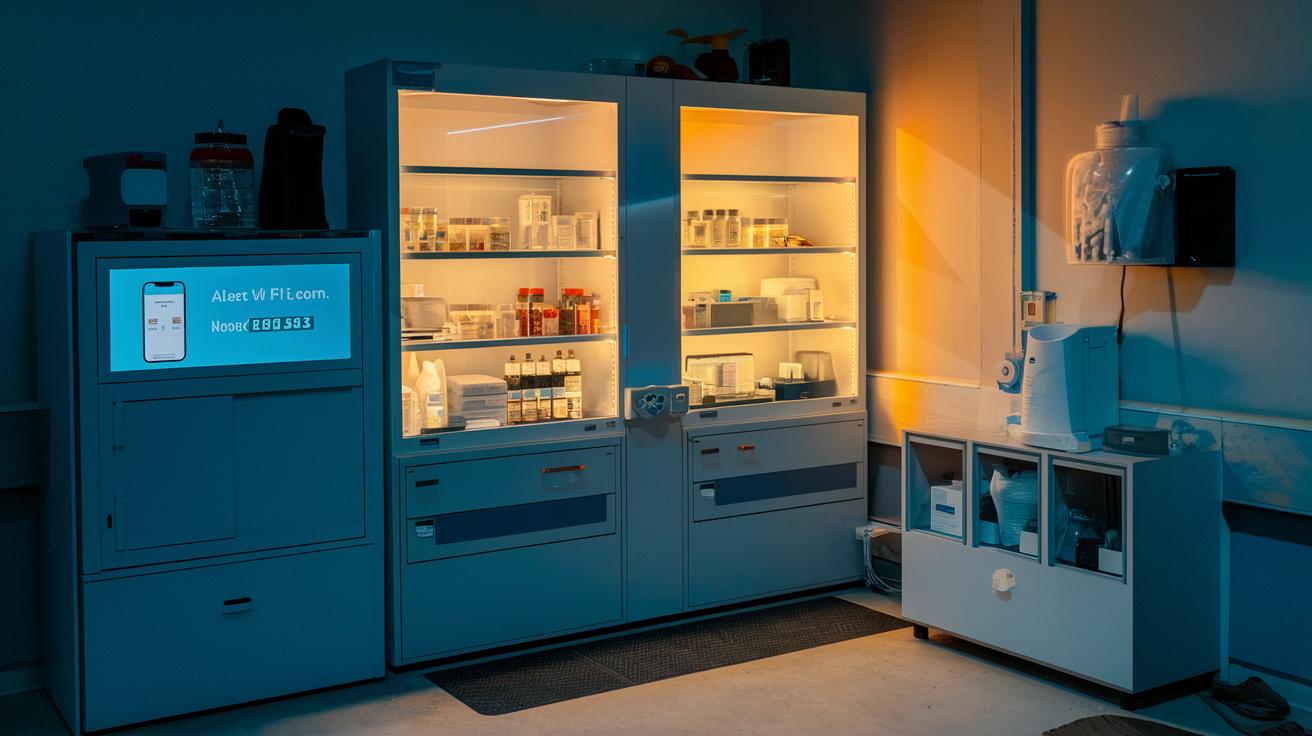
Quick take: Smart first aid cabinets alert you automatically when supplies run low, keeping you ready for any emergency.
Modern first aid cabinets now use Wi-Fi to send low-stock alerts straight to your phone. They work with inventory software to track what you use so you always have the right supplies on hand. Imagine your cabinet telling you when gauze pads, bandages, or other vital items need to be replaced, fast and clear.
These cabinets offer flexible storage with adjustable compartments that fit your needs. Some even include temperature sensors to keep sensitive items safe and QR codes that make reordering supplies a breeze. With this smart design, you can quickly find what you need, even during a crisis.
Final Words
In the action, you got a clear guide on choosing and setting up a first aid cabinet. You explored options, from compact portable units to high-tech designs, with key factors listed to help you decide. You also learned how to stock, maintain, and comply with safety standards. Each section offered actionable steps to keep your kit ready for emergencies. Stay confident in managing your supplies and keep your home safe. Remember, a well-organized first aid cabinet can make all the difference.
FAQ
What should be in a first aid cabinet?
The contents of a first aid cabinet should include essential supplies like adhesive bandages, antiseptic wipes, triangular bandages, and burn dressings as recommended by ANSI standards to handle common emergencies.
What are the requirements for a first aid cabinet?
The requirements for a first aid cabinet include meeting OSHA and ANSI guidelines, maintaining a clear inventory list, ensuring supplies are within expiration dates, and being easily accessible in emergencies.
What does a wall-mounted first aid cabinet offer?
The wall-mounted first aid cabinet offers secure, visible storage in busy areas and typically measures around 12×16×4 inches, making it an ideal choice for homes and offices.
Does IKEA offer a first aid cabinet?
The IKEA first aid cabinet refers to cost-effective, adaptable storage options that you can customize with approved medical supplies to turn them into a reliable emergency kit.
What should I do if my first aid cabinet is empty?
An empty first aid cabinet indicates a need to restock with standardized supplies, check and replace expired items, and organize the contents to follow ANSI guidelines for effective emergency response.
How can I manage first aid cabinet refills?
Managing first aid cabinet refills involves conducting regular inventory checks, using bulk refill packs when available, and promptly replacing any used or expired supplies to ensure readiness.
What defines a large first aid cabinet?
A large first aid cabinet is defined by its ability to hold 200 or more items, making it suitable for industrial or office settings where extensive storage and multiple compartments are required.
Where can I get free first aid supplies?
Free first aid supplies may be available through community health programs, non-profit agencies, or local schools; however, always verify the source for proper quality and safety.
What is First Aid cabinet Cintas?
The First Aid cabinet by Cintas is a professional storage solution designed for commercial environments, offering durable construction, organized compartments, and compliance with safety standards.