
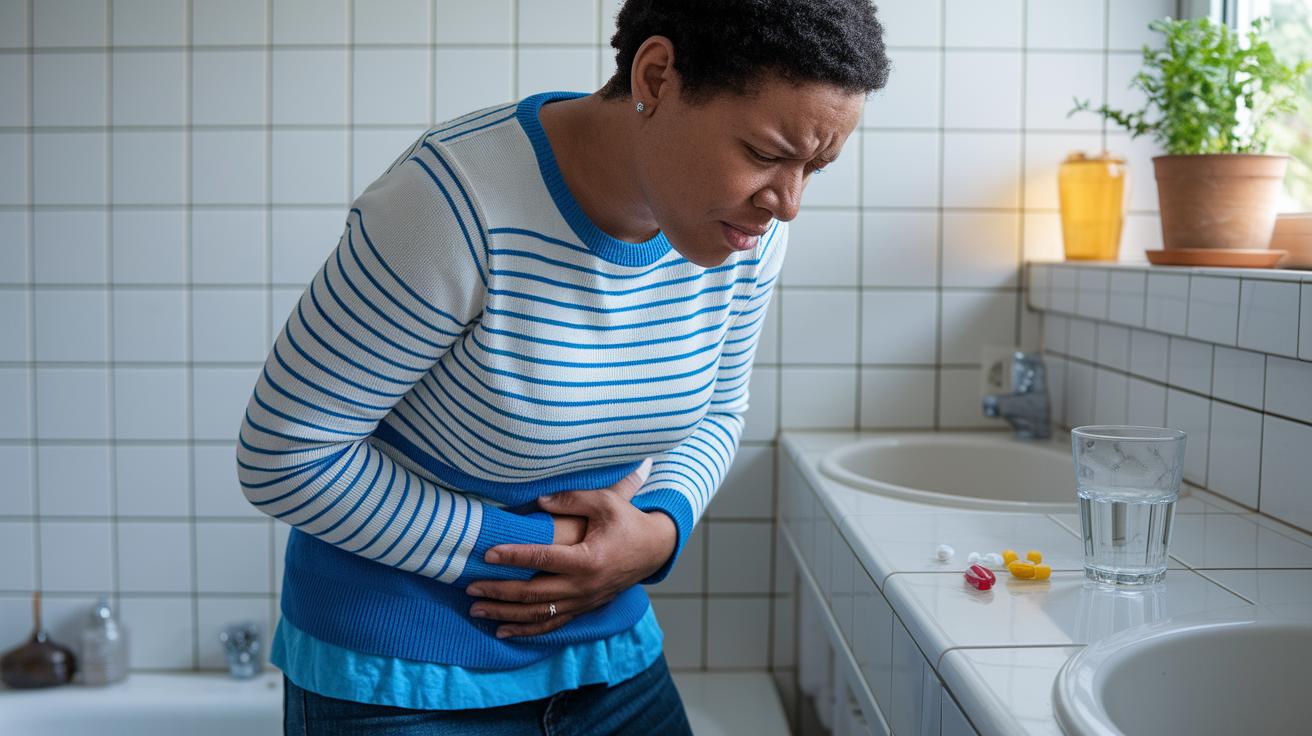

Quick take: Food poisoning can cause sudden, sharp stomach pain and cramps. Follow the steps below if you experience severe signs.
If you have any of these symptoms, seek medical care immediately:
• Severe dehydration (dry mouth, little or no urination)
• High fever (over 102°F)
• Bloody vomit or diarrhea
Food poisoning can hit fast, leaving you with intense cramps, nausea, and sometimes diarrhea. This guide explains why these cramps occur and offers clear, step-by-step tips to ease your discomfort. You’ll learn which symptoms to watch for, when to call your doctor, and simple actions to help soothe your stomach quickly. Stay with us for practical relief strategies that work now.
food poisoning stomach cramps: Quick Relief Now
Quick take: Food poisoning strikes fast and may cause sharp cramps, nausea, or diarrhea soon after eating.
If you have any of these emergency signs, call emergency services now:
- Very severe, unrelenting pain
- High fever (above 102°F)
- Signs of dehydration (extreme thirst, very little urine output)
- Blood in your vomit or stool
Food poisoning happens when you eat food that has harmful germs like Salmonella, E. coli, or Campylobacter, or the toxins these germs produce. Typically, belly pain and cramps start 6–12 hours after eating. When toxins are the cause, symptoms may begin in just 1–4 hours.
Watch for these early clues:
- Rapid, sharp stomach pain
- Nausea and vomiting
- Diarrhea, sometimes severe
- A low-grade fever
- Signs of dehydration, such as feeling very thirsty or urinating less
For instance, Mark felt intense cramping just 2 hours after a meal at a new restaurant. This quick pain is a classic warning sign of food poisoning.
Act quickly. Rest and sip clear fluids to help prevent dehydration. Keep a simple log of your symptoms (time, what you feel, and how severe it is). If your symptoms worsen or don’t improve, seek medical attention.
Differentiating Food Poisoning Stomach Cramps from Stomach Flu
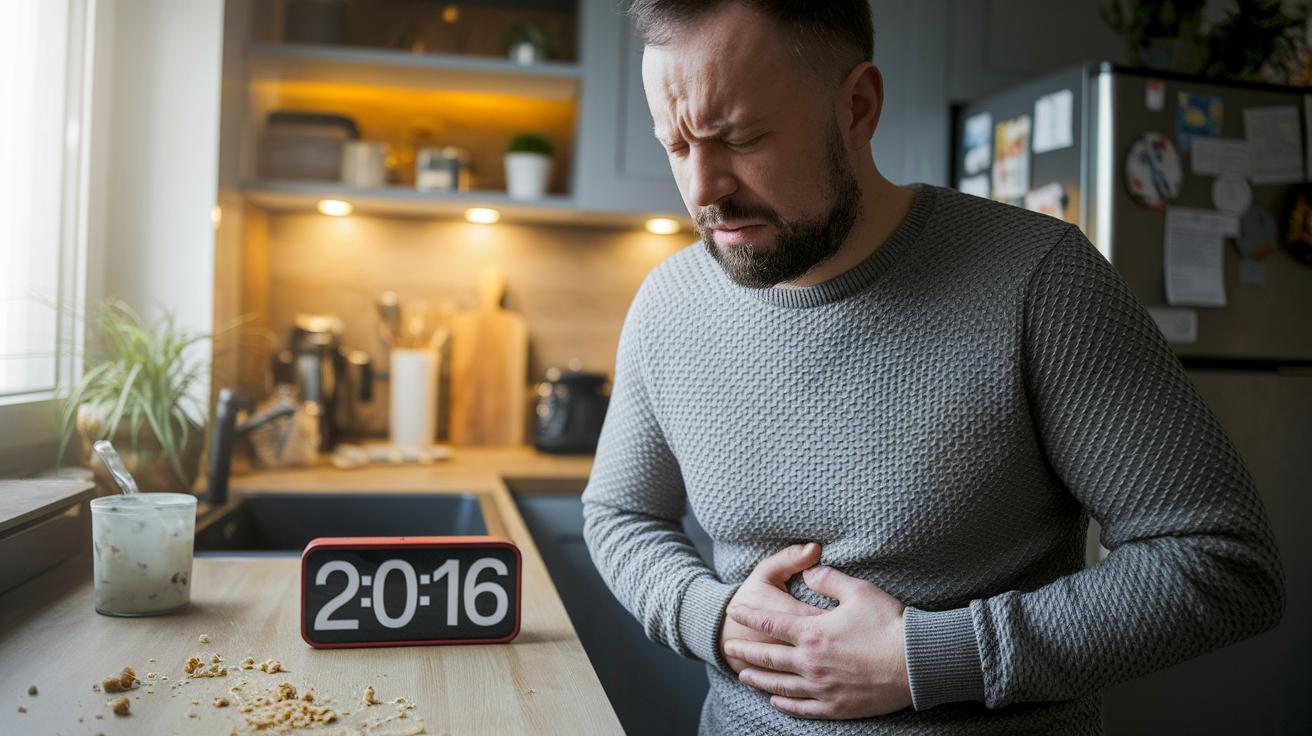
Quick take: If you get severe, sudden cramps soon after a meal, it might be food poisoning. If the pain comes on later with a mild fever and muscle aches, it is more likely the stomach flu.
Food poisoning happens when toxins from bacteria in contaminated food cause sharp, intense cramps. These cramps often start within 1 to 4 hours after you eat. In contrast, the stomach flu (a viral infection) usually makes you feel unwell 24 to 48 hours later, with loose, watery diarrhea and more spread-out pain.
Here are the key points to note:
- Rapid onset: Food poisoning cramps start within 1-4 hours, while stomach flu usually takes 24-48 hours.
- Cramps intensity: Food poisoning gives you sudden, strong cramps. Stomach flu brings more gradual, diffuse discomfort.
- Diarrhea differences: Food poisoning may cause diarrhea with blood or mucus; stomach flu typically leads to watery, non-bloody diarrhea.
- Other symptoms: Stomach flu often includes a low fever and muscle aches. Food poisoning, on the other hand, may cause quick vomiting and severe spasms.
- Duration: Food poisoning symptoms tend to hit fast and then improve with proper care, whereas stomach flu signs can last for a few days as your body fights the virus.
Keep track of when your symptoms start and note any extra signs you experience. This record can be very helpful if you decide to see a clinician for further advice.
Immediate Home Remedies for Food Poisoning Stomach Cramps
Quick take: Food poisoning can trigger painful cramps, but simple home steps may ease your discomfort.
If you see any of these red flags, call emergency services now:
- Severe, unrelenting pain
- Signs of dehydration (feeling dizzy, lightheaded, or having little urine)
- Confusion or a rapid heartbeat
Rest and gentle care are key. When cramps strike, lie down in a quiet spot and give your body a break. Start with small sips of clear liquids like water or an oral rehydration solution so you stay hydrated without upsetting your stomach further.
Try these steps:
- Rest comfortably in a calm place.
- Sip liquids slowly to avoid upsetting your stomach.
- Apply a warm compress (a warm, damp towel can help relax tense muscles).
- Consider an over-the-counter antispasmodic such as peppermint capsules to ease muscle spasms.
- Enjoy a cup of herbal tea like ginger tea, which may soothe nausea, or peppermint tea to relax your muscles.
- Avoid heavy meals until the pain improves; later, switch to bland foods when your stomach feels calmer.
For example, after a meal that ended with sharp cramps, Lisa rested, sipped water, and placed a warm towel on her belly. She then sipped ginger tea and felt her discomfort ease over the next hour.
These home steps can reduce cramping and support your recovery from food poisoning. Keep track of your symptoms and consult your clinician if you do not see improvement.
Hydration and Diet Strategies for Food Poisoning Stomach Cramps Relief
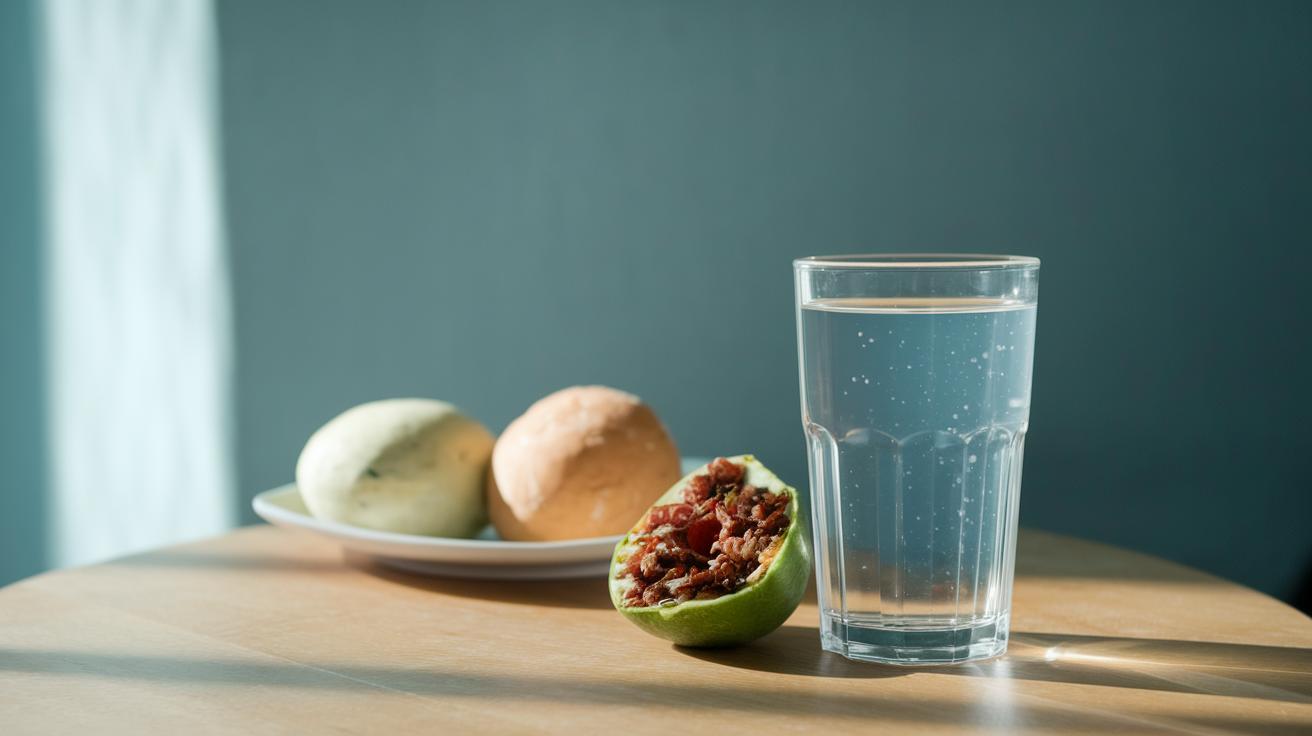
Quick take: Rehydrate and eat simple foods to ease cramps fast.
If you have any of these emergency signs, call emergency services now:
- Severe dizziness or confusion
- Little or no urination
- Inability to keep fluids down
Urgent: Seek same-day care if symptoms worsen or you cannot hold down liquids.
For most people, starting with rehydration and a gentle diet should help you feel better quickly.
When you have food poisoning, your body loses fluids. Drinking an oral rehydration solution or an electrolyte drink helps replace minerals lost from vomiting and diarrhea. Sip slowly so your stomach can absorb the liquids without feeling overwhelmed.
Keep your eating simple while you recover. A good way to start is the BRAT diet (bananas, rice, applesauce, and toast), which many find soothing. As you improve over 24-48 hours, add bland foods like boiled potatoes and plain pasta. This gradual change restores nutrients without stressing your digestive system.
Avoid dairy, caffeine, spicy, and fatty foods during recovery because they can irritate your gut and worsen cramps.
For example, Sarah began with a small glass of an oral rehydration solution and a bit of toast. Soon, her cramps eased, and she was able to add plain pasta to her meals gradually.
- Sip small amounts of rehydration or electrolyte drinks often.
- Stick to the BRAT diet initially.
- Slowly introduce bland foods like boiled potatoes and plain pasta.
- Avoid irritants such as dairy, caffeine, spicy, and fatty foods.
When Food Poisoning Stomach Cramps Demand Medical Attention
Quick take: If your food poisoning cramps persist for more than 48 hours, seek medical care immediately.
When your food poisoning cramps last over 48 hours, get checked by a doctor. This is crucial for high-risk groups like children, older adults, or those with a weak immune system because even mild symptoms can become serious fast.
Keep a simple symptom log to help your doctor:
- Record the date and time your cramps began.
- Note the pain level (mild, moderate, or severe).
- Write down extra signs such as dizziness or confusion.
For example: "3/15 at 2:00 PM: moderate cramps with slight dizziness."
Preventing Food Poisoning Stomach Cramps with Safe Food Practices
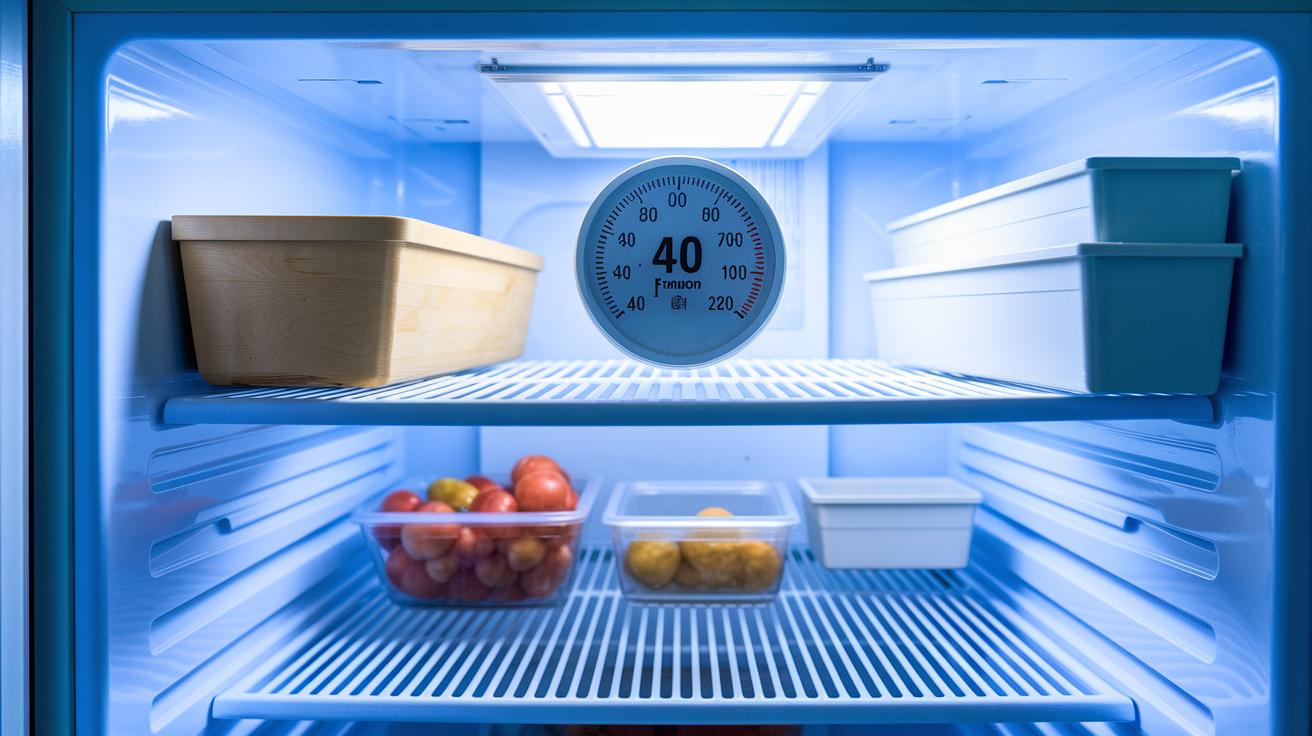
Quick take: Use simple food safety steps to keep food safe and avoid painful cramps.
Triage Box:
• If you develop severe stomach cramps, high fever, or constant vomiting, call emergency services now.
• If you feel very dizzy, lightheaded, or are unable to keep fluids down, seek urgent care.
• Otherwise, follow these food safety steps at home.
Keep perishable foods under 40°F (about 4°C). Use a fridge thermometer to check the temperature so you know your food stays safe. For example, if you see your refrigerator reading below 40°F, that reassurance matters.
Cook poultry until it reaches 165°F and ground meats until they hit 160°F. These temperatures help kill harmful germs that can lead to food poisoning. When handling food, use separate cutting boards for raw meat and for fruits and vegetables. This helps stop bacteria from transferring between foods.
Always wash your hands before handling food. Rinse them for at least 20 seconds, which is like giving your hands a good cleaning before they touch your meal.
Refrigerate leftovers within 2 hours so toxins do not have time to form. Following these clear, simple steps can help you prevent food poisoning and protect you from painful stomach cramps.
Final Words
In the action, we broke down key signs of food poisoning stomach cramps, comparing them with viral stomach bugs. We covered quick home remedies like clear fluids and warm compresses, followed by hydration and gentle diet tips to ease the pain. You also saw red flags indicating when to get immediate help and practical food safety tips to prevent future issues. This guide serves as a helpful tool to manage symptoms confidently and take swift, safe action when needed. Stay positive and trust these steps to help you recover swiftly.
FAQ
What are the food poisoning symptoms?
The food poisoning symptoms include nausea, vomiting, diarrhea, stomach cramps, and sometimes fever. These signs help you recognize a possible reaction to contaminated food.
How soon after food poisoning do you vomit?
The timing of vomiting after food poisoning can vary. Toxin-related cases may trigger vomiting within 1–4 hours, while bacteria-related cases often show symptoms within 6–12 hours.
How can food poisoning be cured fast?
Quick relief for food poisoning involves rest, hydration with clear fluids, and a bland diet. Over-the-counter medications may ease symptoms, but consult your provider if the condition worsens.
Is food poisoning contagious?
Food poisoning itself is usually not contagious. However, some infections like norovirus can spread between people, so it’s important to practice good hygiene.
What is the treatment for food poisoning?
The treatment for food poisoning centers on staying hydrated, resting, and following a bland diet. Medications may help ease nausea or cramps, yet seek care if symptoms persist or dehydration develops.
What are some food poisoning home remedies?
Food poisoning home remedies include drinking water or oral rehydration solutions, using a warm compress on the abdomen for relief, and sipping herbal teas like ginger or peppermint to reduce nausea and cramps.
How long does food poisoning last in adults?
Food poisoning in adults typically lasts between 1–3 days. If symptoms continue beyond 48 hours or become severe, you should seek immediate medical attention.
What are the first signs of food poisoning?
The first signs of food poisoning often include stomach cramps, nausea, and sometimes vomiting or diarrhea. Recognizing these early signs can help you take prompt action.
How long do food poisoning cramps last?
Food poisoning cramps usually last from a few hours up to a couple of days. If you experience severe or persistent cramps beyond 48 hours, it is wise to consult a clinician.
What should I do for stomach cramps from food poisoning?
For stomach cramps from food poisoning, rest and drink clear fluids. Applying a warm compress and using gentle remedies like peppermint capsules can help relieve discomfort.
How does your body flush out food poisoning?
Your body flushes out food poisoning by triggering vomiting and diarrhea to expel toxins and bacteria. Drinking fluids supports this process, but persistent symptoms need medical evaluation.
How do I know if it’s gastroenteritis or food poisoning?
You can differentiate by the onset and symptoms. Food poisoning usually causes rapid symptoms after eating contaminated food, whereas gastroenteritis often starts 24–48 hours later and may involve body aches along with stomach issues.