


Quick take: A sudden chest squeeze can sometimes be harmless or a sign that you need to watch your heart.
If you have any of these emergency signs, call emergency services now:
• Pain that lasts more than a few minutes or worsens suddenly.
• Pain that spreads to your arm, neck, or jaw.
• Severe shortness of breath or feeling faint.
A chest squeeze might be due to a minor muscle strain or it could be a signal to monitor your heart more closely. This guide breaks down the signs so you know when to get help and when to keep calm. Track your symptoms, note the time, what you felt (sharp, aching, or tight), and how long it lasted. If things get worse or you’re unsure, reach out to your doctor right away.
How Serious Is Tightness in Chest? Recognizing Critical Versus Benign Cases
Quick take: Chest tightness can be simple or signal a serious issue. Review these warning signs and act fast if they occur.
If you have any of these emergency signs, call 911 immediately:
- Severe chest pain that doesn’t fade
- Pain spreading to your arm, neck, or jaw
- Feeling very lightheaded
- Trouble breathing or shortness of breath
- Coughing up blood
Chest tightness means you feel pressure or a tight squeeze in your chest. It might come from a minor muscle strain, but it can also be a sign of heart or lung problems. Some causes aren’t serious. Others, like a heart attack or a lung clot, need prompt medical care.
When you notice chest tightness at rest or with activity, especially if other symptoms appear, take it seriously. A sudden increase in pain or a pain that lingers could show reduced blood flow or a blocked artery.
Keep track of when the pain starts, how long it lasts, and what might have triggered it. Writing these details down can help if you need to see a doctor. If symptoms get worse, don’t wait, call emergency services right away.
Staying alert and acting quickly can make all the difference.
Symptoms and Red Flags of Chest Tightness You Should Know
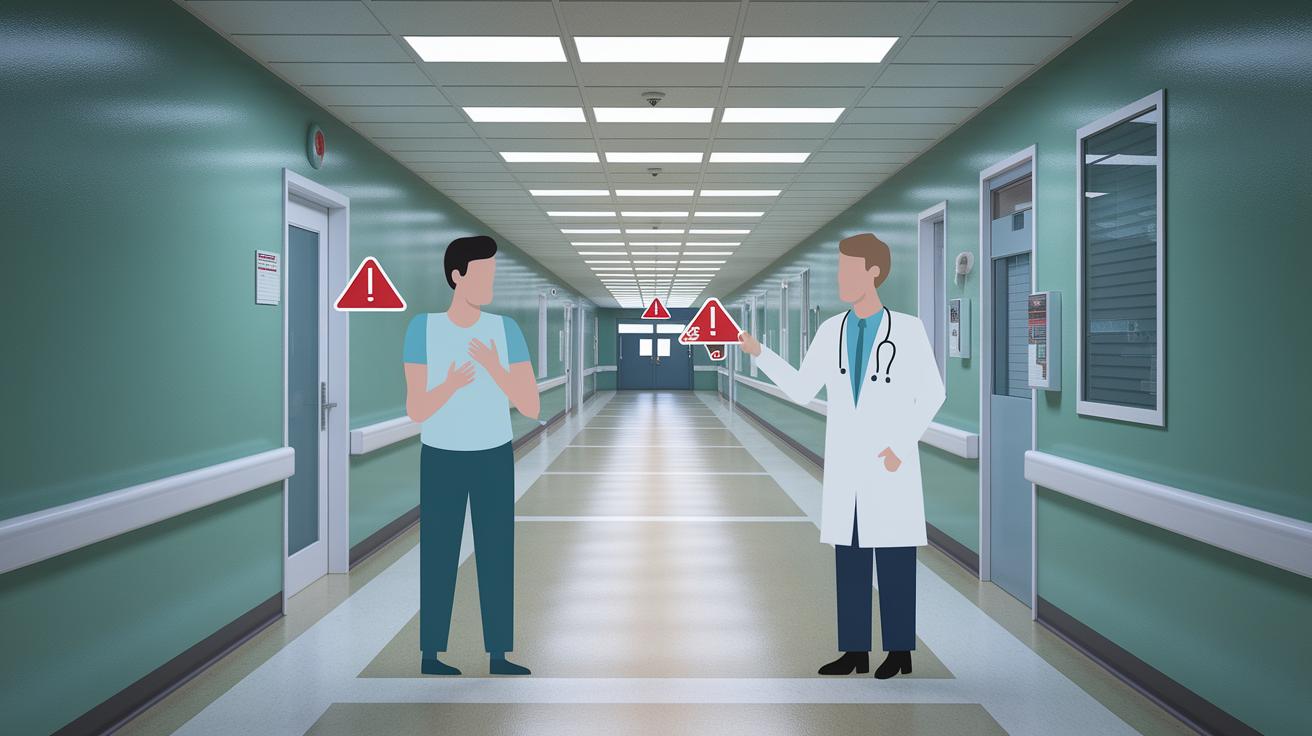
Chest tightness can come in different forms. This guide adds extra warning signs that may need urgent care. It covers signs like steady wheezing, nausea, or pain that becomes worse during exercise, cold weather, or after a meal.
Watch for these red flags and note any changes in how they feel:
- Pressure that spreads to your arm, neck, or jaw
- Heavy sweating
- Sudden shortness of breath
- Feeling lightheaded
- Coughing up blood
- Ongoing wheezing
- Nausea
- Pain that gets worse with exercise, cold, or certain foods
If you have any of these signs, call 911 or head to the emergency room right away.
Cardiac Causes of Tightness in Chest: What Your Heart May Be Telling You
Quick Take: Ongoing tightness in your chest may be a heart problem that needs quick evaluation.
If you feel steady pressure or a squeezing pain in your chest, especially during activity or even when at rest, your heart might not be getting the blood it needs. This can mean there is an issue that could affect your heart’s ability to work well.
| Condition | Key Features | When to Suspect |
|---|---|---|
| Coronary artery disease | Arteries narrowing because of plaque buildup (a sticky substance that blocks blood flow) | If you feel pressure during activity or even at rest, especially if you have high cholesterol or other risk factors |
| Heart attack | A blockage that causes a crushing, tight pain and sudden discomfort | If the pain quickly gets worse, spreads to your arm, neck, or jaw, and comes with sweating |
| Congestive heart failure | Fluid buildup in the lungs which leads to chest pressure and breathlessness | If you experience ongoing shortness of breath or tiredness along with chest tightness |
| Pericarditis | Inflammation of the heart’s lining that causes sharp or stabbing pain | If the pain worsens when lying down, feels very sharp, or follows an illness or infection |
If you notice that chest pressure comes with pain spreading to your arm or jaw, or if it gets worse during activity, please see a doctor right away. Your doctor may use tests like an EKG (a simple heart tracing) or imaging studies (detailed pictures of your heart) to check if your symptoms are caused by blocked arteries, a heart attack, heart failure, or pericarditis.
Keep a note of when your pain happens, how long it lasts, and how severe it feels. This information is very helpful when you talk with your clinician.
If your chest pain grows stronger or new symptoms set in, act quickly and get help.
Pulmonary and Gastrointestinal Origins of Chest Tightness
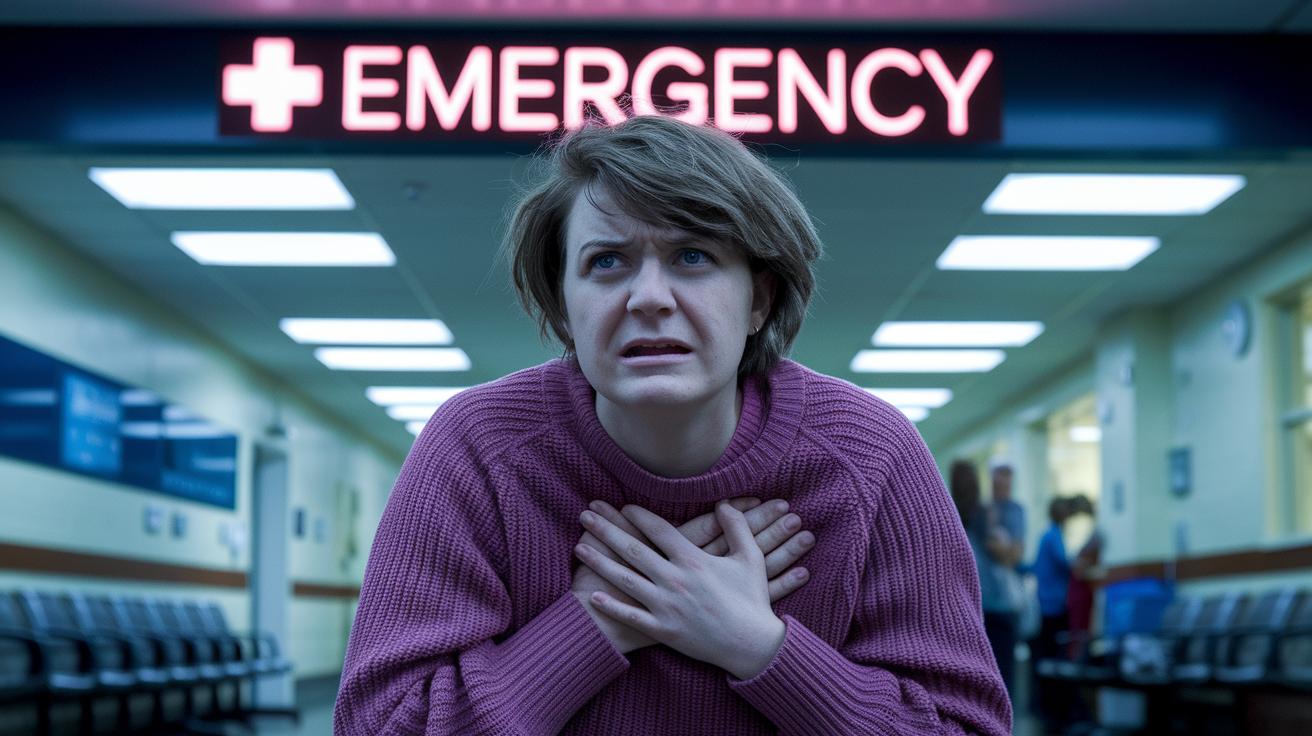
Quick take: Chest tightness may come from lung issues or from your digestive system. Note the timing and triggers to decide if you need urgent care.
If you have any of these emergency signs, call emergency services now:
- Trouble breathing with rapid, shallow breaths
- Coughing up blood
- Severe, sudden chest pressure
Lung causes include problems that change your breathing suddenly. For example, a pulmonary embolism (a blood clot in your lung) can block lung vessels and lead to sudden shortness of breath and sometimes blood in your cough. Pneumonia causes your lung air sacs to become inflamed, which leads to a cough and a tight, pressured feeling in your chest. Asthma narrows your airways and can cause wheezing and a squeezing sensation that comes on quickly.
Chest tightness can also be due to digestive issues. GERD (gastroesophageal reflux disease) lets stomach acid move into your esophagus, causing a burning pain that is often confused with heart trouble. Esophageal spasm can cause sharp, brief episodes of chest constriction. These issues tend to flare up after meals or when lying down and are different from the constant, heavy pressure seen with heart problems.
Use these tips to figure out your symptoms:
| Cause Type | Key Signs | When It Happens |
|---|---|---|
| Lung-related | Sudden breath changes, cough, possible blood | Occurs quickly, often with rapid breathing |
| Digestive-related | Burning pain, intermittent tightness | After meals or when lying down |
Watch your symptoms closely. If you notice rapid breathing, a cough with blood, or severe pressure, seek help right away. On the other hand, if your chest tightness follows meals and changes with your position, it may be related to your digestive system. Keep track of when and how your symptoms happen, and share this with your clinician for a clear evaluation.
Musculoskeletal and Costochondral Factors in Chest Tightness
Quick take: Chest tightness caused by muscles or cartilage issues is usually not heart trouble, but check in with a clinician if your pain worsens.
Triage:
- If you have difficulty breathing, feel lightheaded, or notice pain spreading, call emergency services now.
- If your pain gets worse after an injury or heavy use, seek same-day medical advice.
- If the pain stays mild and local, keep track of your symptoms and follow up with your doctor if needed.
Sometimes, a sore chest comes from the muscles or cartilage instead of your heart or lungs. Overuse or a small injury can strain the muscles between your ribs. This pain tends to get worse when you move or press on the spot.
Costochondritis means the cartilage that connects your ribs to your breastbone becomes inflamed. This creates localized tenderness along your chest wall. In rare cases, pleuritis (inflammation of the lining around your lungs) causes sharp pain with breathing, though this is less common when muscles or cartilage are the issue.
If your pain starts with certain movements or deep breaths and you feel tenderness when you press on the area, it likely points to a musculoskeletal cause. Keep an eye on the pain and see a healthcare provider if it continues or gets worse.
Anxiety-Triggered Squeeze: Psychological Contributors to Chest Tightness

Quick take: Anxiety can make your chest feel squeezed by speeding up your breath and heart, but this is usually not dangerous.
Triage:
- If you have trouble breathing, pain that spreads to your arm or jaw, or feel faint, call emergency services now.
- If the tightness does not improve with relaxation methods, seek same-day medical care.
- Track your symptoms and let your doctor know if they worsen.
When you feel anxious, you might start breathing quickly and shallowly. This can lead to a fast heartbeat, sweating, and an intense feeling of panic. Your chest muscles tighten during these moments, causing a squeezing sensation that can seem like heart trouble. Even though the feelings are strong, they come from stress and are not harmful on their own.
It is important to notice if your chest tightness comes with anxiety rather than a heart or lung problem. Check to see if the pressure eases when you try deep, slow breathing or gentle stretching. Write down your symptoms, like a fast heartbeat or a burst of panic, so you can see a pattern that links them to stress. If the tight feeling sticks around or you start to notice other warning signs, get medical help to rule out other issues.
Diagnosing and Evaluating Tightness in Chest: Professional Assessment Guidelines
Quick Take: Chest tightness can be a sign of a serious heart or lung problem.
If you have severe chest pain, trouble breathing, pain that spreads to your arms or neck, or sudden lightheadedness, call emergency services now. If your chest feels tight but the feeling is mild or comes and goes, schedule a checkup with your doctor soon.
Doctors use simple tests to understand your symptoms. They might do an EKG (a test that records your heart’s electrical signals), a stress test (which checks your heart while you exercise), or take images with a chest X-ray or CT angiography. These tests help decide if your tightness is due to heart issues or lung problems so you get the right treatment.
After seeing a doctor, keep a diary of your symptoms. Write down the time they happen, how long they last, how severe they are, and any triggers you notice. This record gives your clinician clear details to help rule out serious conditions like a heart attack (myocardial infarction) or a lung blood clot (pulmonary embolism).
Home-Care and Self-Help Strategies for Relief of Chest Tightness

Quick take: If your chest tightness is mild, you can care for it at home. But if you have severe pain, trouble breathing, or pain spreading to your arm or neck, call emergency services immediately.
If you notice any of these emergency signs, call emergency services now:
- Severe, worsening chest pain
- Shortness of breath or trouble breathing
- Pain that spreads to your arm, neck, or back
For now, try these self-care steps:
- Rest in a reclined position
- Avoid triggers like spicy foods and cold air
- Keep a simple diary to note when the tightness starts, how long it lasts, and how strong it feels
Breathing exercises can help ease chest tightness. Sit or lie down comfortably. Place one hand on your stomach. Slowly breathe in through your nose so your belly rises. Then gently exhale through your mouth so your stomach falls. Taking small, deep breaths can help relax your chest and calm your mind.
Making some lifestyle changes may also ease your symptoms. Try avoiding foods that trigger discomfort and stick to balanced meals that support heart and muscle health. Drink water regularly throughout the day. Keeping good posture, whether you are sitting or standing, can reduce strain on your chest. Also, gentle chest stretches now and then can help relieve tightness.
Keep track of your progress. If your chest tightness does not improve or if you start to feel more pain, have trouble breathing, or notice pain going into your arm or neck, contact a healthcare professional right away.
Final Words
In the action of assessing your symptoms, we explained how tightness in chest ranges from simple muscle strain to serious cardiac or pulmonary issues. We broke down red-flag signs, offered self-care steps, and discussed when to seek urgent evaluation.
Keep tracking how you feel and use our tips to guide your next steps. Stay proactive in caring for your health and remember that early action leads to better safety and peace of mind.
FAQ
Q: How to relieve chest tightness and heavy feeling in the chest?
A: The answer explains that to relieve chest tightness and heaviness, try deep breathing exercises, rest in a reclined position, and avoid triggers. Monitor how you feel and seek help if the discomfort worsens.
Q: What causes chest pain in a woman?
A: The answer reveals that chest pain in women may be linked to heart conditions, acid reflux, muscle strain, or anxiety. Because causes vary, it is wise to get a professional evaluation.
Q: Why does my chest feel tight and heavy?
A: The answer indicates that a tight and heavy chest can result from heart stress, lung issues, muscle strain, or stress-related anxiety. Tracking symptoms can help determine when to seek urgent care.
Q: What does a weird feeling in the chest with no pain indicate?
A: The answer notes that a strange, pain-free sensation in the chest might be due to muscle strain, mild anxiety, or digestive issues. If this feeling persists, it is important to consult a healthcare provider.
Q: Where is chest pain commonly felt in women?
A: The answer states that chest pain in women is commonly felt in the middle or left side of the chest, though it may vary. Persistent or worsening symptoms should be evaluated by a clinician.