
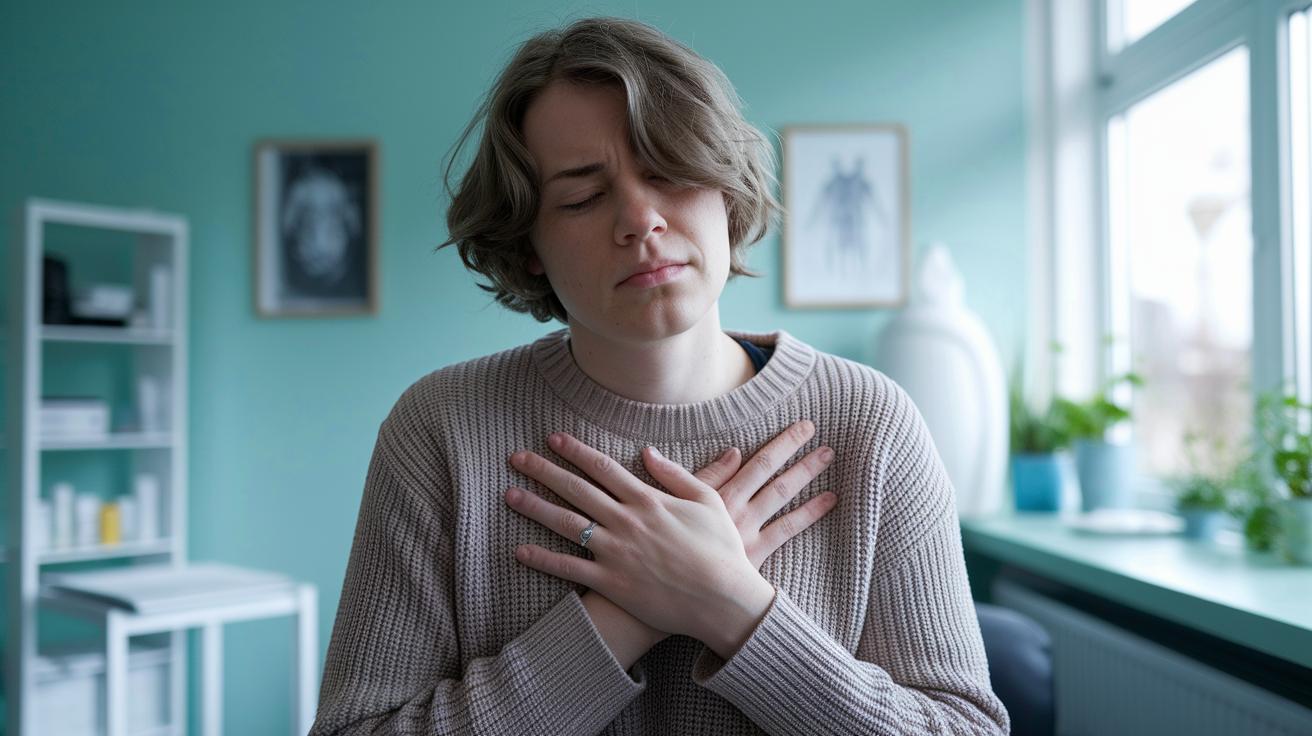

Quick Take: Chest tightness with a headache can have many causes, so watch your body closely.
Triage Box:
• Emergency: Call 911 immediately if you have severe chest pain, trouble breathing, or feel faint.
• Urgent: Get care today if your symptoms worsen suddenly or your headache becomes very painful.
• Self-Care: If your symptoms are mild, rest, monitor them, and follow up with your doctor if they do not improve.
Chest tightness and a nagging headache might feel scary. They may come from heart or lung issues or even from stress and anxiety (feeling very worried). Knowing what could be causing these signs helps you decide if you should get help right away or manage at home.
This guide explains common causes and lists simple steps you can take now. It also points out clear signs that mean you need to act fast. Read on for advice that can help you stay calm and take care of yourself.
chest tightness and headache: Stay Calm Today
Quick take: Chest tightness with a headache can be a sign that needs quick attention.
Triage Box:
If you have any of these signs, call emergency services now:
- Pain spreading to your arm, neck, or jaw
- Sweating, nausea, or feeling lightheaded
- Difficulty breathing or worsening symptoms
Common causes:
Chest tightness and headache may come from several issues. Heart problems like a heart attack or angina (when the heart gets less blood) might cause these symptoms. A lung blood clot (pulmonary embolism) can feel similar. Sometimes, a migraine or tension headache brings a mild pressure in the chest because the nerves serve both areas. Breathing issues such as severe bronchitis or asthma can cause chest discomfort and headache from the effort of breathing. Stomach problems like acid reflux or trapped gas might also send pain upward into the chest and head. Stress, anxiety, or panic attacks can lead to rapid breathing and muscle tension that trigger both symptoms.
What to do:
- Stop any strenuous activity.
- Sit or lie down and focus on your breathing.
- Note the time your symptoms started and how severe they are (mild, moderate, or severe).
- If your condition worsens or you see any red flags, seek urgent care immediately.
Keep a simple log of your symptoms to share with your doctor if needed. Remember, listening to your body is important. If these signs appear, don’t wait, act promptly.
Cardiac vs. Non-Cardiac Differentiation in Chest Tightness and Headache
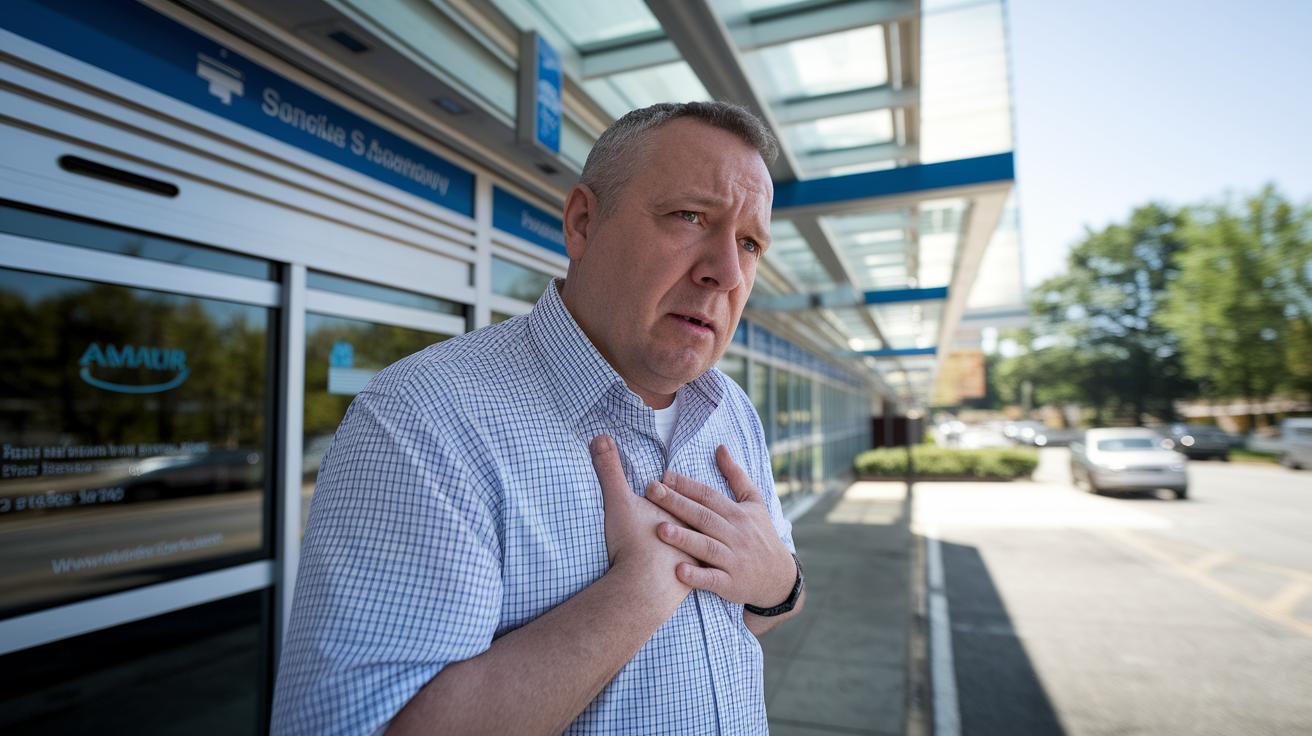
Quick take: Chest tightness with red flags like pressure spreading to your arm, neck, or jaw, and feelings of nausea or lightheadedness may signal a heart issue. If these occur, act now.
If you have any of these emergency signs, call emergency services immediately:
• Pressure that spreads to your arm, neck, or jaw.
• Severe nausea, sweating, or dizziness.
• Chest tightness that worsens with physical effort.
Cardiac chest tightness typically happens when your heart is under stress. You might notice it during exercise or even at rest. The pain feels like pressure and may spread from your chest to your arm, neck, or jaw. You could also feel sweaty, nauseous, or lightheaded. Women may not always have the classic crushing pain. Sometimes, they feel very tired or deal with a mild headache instead of sharp chest pain. These signs need urgent evaluation since they suggest your heart may not be getting enough blood.
Non-cardiac chest tightness usually comes on gradually. It may tie to muscle strain, acid reflux (stomach acid rising into your throat), or anxiety. The pressure you feel is often less intense. Any headache tends to build slowly, feeling more like a tension headache rather than a sudden, severe pain. Noticing if your discomfort gets worse with exercise or develops slowly during daily activities can help you and your doctor decide whether it is heart-related or not.
Common Non-Cardiac Triggers of Chest Tightness and Headache
Quick take: Chest discomfort and headache can sometimes come from non-heart issues, like stomach upset, stress, or migraine.
Important: If you experience severe chest pain, trouble breathing, pain spreading to your arms or jaw, or fainting, call emergency services immediately.
Chest tightness and headache might not always point to a heart problem. At times, they can be driven by issues such as acid reflux (a burning feeling from stomach acid), anxiety, or migraine (a severe headache). These sources can create a pain that feels similar to heart-related discomfort.
Here are common non-heart triggers:
- Acid reflux and trapped wind can cause heartburn, burping, or a pressure in the chest.
- Panic attacks may lead to rapid breathing, a tight chest, and a pounding head.
- Tension headaches related to neck strain and muscle knots can make your chest feel tight.
- Migraine episodes can bring a throbbing headache along with occasional chest pressure.
Also, note that the vagus nerve (a nerve that sends signals from your gut and lungs) can mix up signals. This means that stomach discomfort might feel like chest pain. Keeping track of when your symptoms occur and what might trigger them can help your healthcare provider tell the difference between heart and non-heart causes.
Red Flags & Urgent Care for Chest Tightness and Headache

Quick Take: Chest tightness with a headache can be a sign of a serious problem.
If you experience any of these signs, call 911 immediately or go to the nearest emergency room:
- Crushing chest pressure that spreads to your jaw or arms
- A headache that hits hard within minutes (often called a thunderclap headache)
- Fainting or passing out
- Excessive sweating
When your chest feels tight even when you are resting or doing light work, and you also feel dizzy or nauseous, it could mean your heart is in trouble. This might be a heart attack or a rare emergency like an aortic dissection (a tear in the main blood vessel). A sudden, severe headache can also point to a serious brain event. Sometimes, very bad head pain with fainting might even look like a stroke.
For example, imagine you feel a tight, heavy pressure in your chest that soon spreads to your jaw, and you then get a pounding headache in just a few minutes. This is a red flag. Don’t wait, act now and get help immediately.
Diagnostic Tests for Chest Tightness and Headache
Quick take: Your tests check your heart, lungs, and blood so your care team can act quickly if needed.
If you have any of these emergency signs, call emergency services now:
- Severe chest pain, especially with shortness of breath or pain spreading to your arm or jaw.
- A sudden, very intense headache that feels different from your usual headaches.
If your symptoms worsen even without these signs, seek same-day medical attention.
Your doctor starts by reviewing your medical history and doing a focused physical exam. They ask when your chest tightness and headache began, how long they last, and what seems to make them worse. An electrocardiogram (ECG, a test that records your heart's electrical activity) is usually done to check for stress or damage. This initial check helps decide if your symptoms might be related to your heart and if more tests are needed.
After this exam, imaging tests and blood work follow. A chest X-ray can show lung issues such as a blocked vessel, which might signal a pulmonary embolism (a blood clot in the lungs). If your doctor still suspects heart problems, they may use CT angiography to take detailed pictures of your blood flow. Blood tests can check for heart injury by measuring enzymes like troponin and include a full blood count plus a D-dimer test (a check for blood clots). They might also look at inflammation levels to rule out other causes. By comparing the strength of your chest pressure and headache, your doctor can better pinpoint what is causing your symptoms.
For very severe or sudden headaches, your doctor might order neurological imaging, like a CT or MRI scan. This helps get a quick and clear picture of your brain if there are any red flags.
All these tests work together to make a clear roadmap for your treatment and next steps.
Home Care & Relief Tips for Chest Tightness and Headache

If you feel a little tightness in your chest along with a headache and no severe pain or warning signs, you can try some simple home steps. These tips are only for mild symptoms. Keep track of any changes and call your doctor if things get worse.
• Use over-the-counter antacids or simethicone (a medicine that helps gas) after meals to ease gas pain and heartburn.
• Practice breathing exercises like Box Breathing: breathe in for 4 seconds, hold for 4 seconds, and breathe out for 4 seconds for about 5 minutes daily.
• Do gentle chest-opening yoga stretches to help relieve muscle tension.
• Sit up straight at your desk and take a break every hour.
• Try stress relief methods like guided meditation or a short walk.
Keep a daily log with the time your symptoms start, how bad they feel, and any meals or activities that might cause them. If your chest tightness or headache does not improve or if it gets heavier, contact your healthcare provider right away.
Final Words
In the action, we broke down the link between chest tightness and headache, noting how these signals can range from minor issues to serious concerns. We covered the key differences between cardiac and non-cardiac causes, outlined common non-cardiac triggers, and reviewed red flags that call for urgent care. Practical home-care and assessment tips were shared to help you track symptoms and decide on the next steps.
Stay focused on your well-being and take positive, informed actions when dealing with chest tightness and headache.
FAQ
Chest tightness headache fatigue
The symptoms of chest tightness, headache, and fatigue can indicate issues with blood flow or stress responses in your body. They should be evaluated if they occur suddenly or worsen over time.
When should I be worried about a headache and chest pain
A headache and chest pain are worrisome when the pain is severe, sudden, or comes with extra signs like jaw pain, nausea, or confusion. In such cases, seek emergency medical help immediately.
Sudden chest pain and headache
Sudden chest pain and headache could point to serious conditions like a heart attack or stroke. Immediate medical attention is crucial if these symptoms appear unexpectedly.
Chest pain and headache and dizziness
When chest pain, headache, and dizziness occur together, they may indicate reduced blood flow to the heart or brain. It is important to have these symptoms checked promptly by a healthcare provider.
Chest pain and headache in women
In women, chest pain and headache can present without the classic crushing pain. Instead, symptoms may include fatigue and nausea. If these signs seem unusual or worsen, consult a clinician.
Can gas cause chest pain and headache
Gas can trigger chest pain and headache by causing acid reflux and irritation that mimic heart pain. Monitor your symptoms and try simple home remedies, but see a doctor if the pain continues.
Left side chest pain and headache
Left side chest pain combined with a headache may signal heart-related issues or non-cardiac causes. Noting the intensity and any additional symptoms helps determine if immediate medical evaluation is needed.
Headache and chest pain COVID
When headache and chest pain occur in COVID cases, they might be linked to the virus’s impact on the heart and lungs. If COVID is suspected, get tested and follow your provider’s guidance.
What does a cardiac headache feel like?
A cardiac headache feels sudden and severe, often coming with chest tightness. This rare symptom may signal reduced blood flow to the heart and should prompt urgent medical evaluation.
How to know if chest tightness is serious?
Chest tightness is serious if you experience additional signs like extreme pain, pain spreading to your jaw or arm, sweating, or dizziness. In these cases, immediate medical evaluation is necessary.
How to relieve tightness in chest?
Relieving mild chest tightness may involve deep breathing, resting, or gentle stretching. Over-the-counter antacids can help if gas is the cause, but seek medical advice if the pain persists.
Where is heart attack pain felt?
Heart attack pain is typically felt in the center or left side of the chest and may radiate to the arms, neck, jaw, or back. Immediate emergency care is crucial if these symptoms occur.