
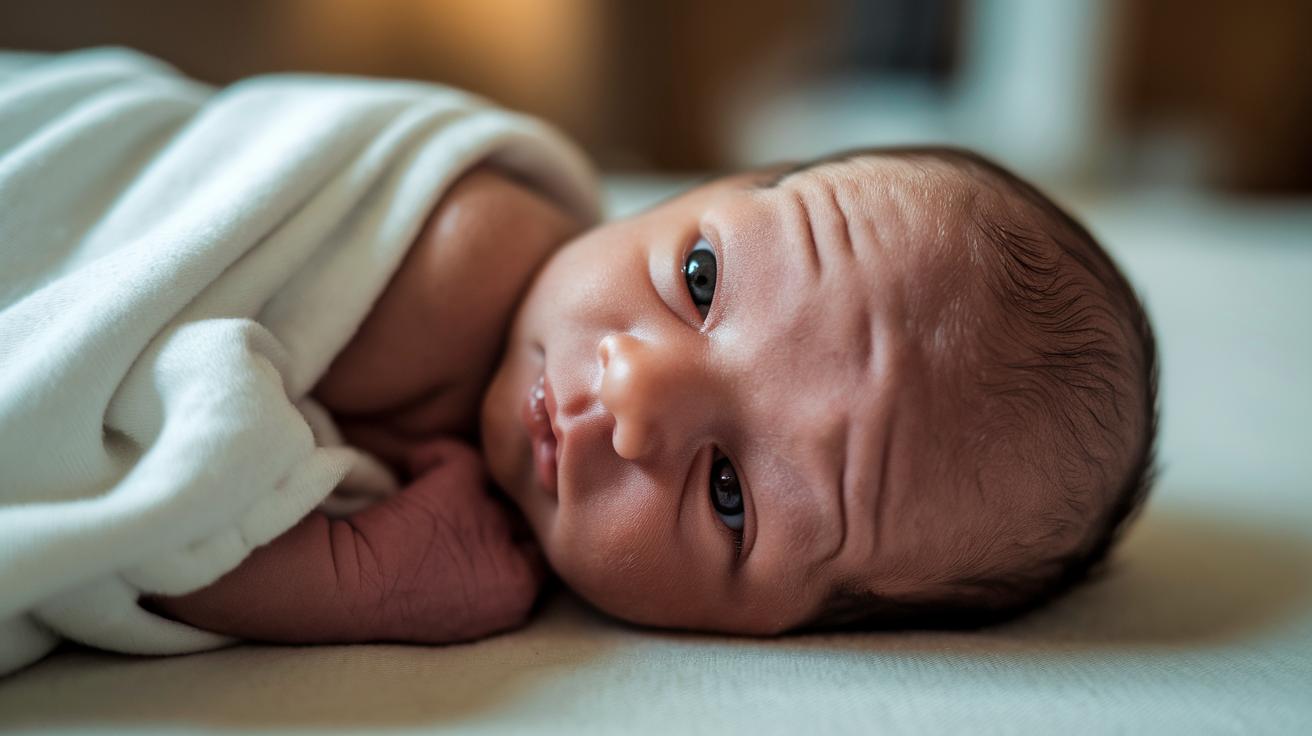

Quick take: Baby face bumps like baby acne are usually normal, but keep an eye out for any signs of trouble.
If you see these signs, call your doctor right away:
• High fever (above 100.4°F)
• Bumps that become very red or swollen
• Baby seems unusually fussy or uncomfortable
Many parents notice small red or white spots on their newborn’s face. You may call these bumps baby acne or milk pimples. They are common and usually show that your baby is adjusting to life outside the womb. In this guide, we explain what causes these bumps and when you should watch them closely.
What Causes Bumps on a Newborn’s Face?
Quick Take: Nearly one in three infants develop small, harmless bumps that fade as the baby grows.
Triage:
• Emergency: If your baby’s bumps turn very red or swollen, or if they are accompanied by a fever (over 100.4°F), call emergency services.
• Urgent: If the bumps spread quickly or your baby seems very uncomfortable, contact your healthcare provider.
• Self-care: Keep it simple – gently wash your baby’s face with lukewarm water and a soft cloth. Avoid scrubbing.
Baby acne, also known as milk pimples, is a common reason you might see bumps on your newborn’s face. About 30% of babies develop these small red or white spots between 2 and 4 weeks old. They often appear on the cheeks, forehead, and sometimes on the upper body. These bumps occur when the hormones from mom briefly activate your baby’s oil glands, creating a mild, harmless breakout.
Your baby’s skin is also still learning how to work on its own. When they are born, their skin adjusts from the womb’s safe environment to the outside world. This natural process, shedding old skin cells and building new ones, can cause small bumps.
Other non-disease reasons may play a role. Friction from clothing, irritation from laundry detergents, or even changes in temperature and humidity can lead to minor bumps. These skin changes are normal and settle on their own as your baby’s skin matures.
5 bumps on newborn face shine with promise
Quick take: Most newborn skin bumps are harmless, but watch for any changes.
Triage Box:
• If your baby shows signs of fever, spreading redness, or the bumps seem painful, call emergency services or contact your pediatrician immediately.
• If the bumps start to bleed or if your baby seems very uncomfortable, seek same-day medical advice.
• Otherwise, monitor the bumps, as they usually clear up on their own, and follow up at your next check-up.
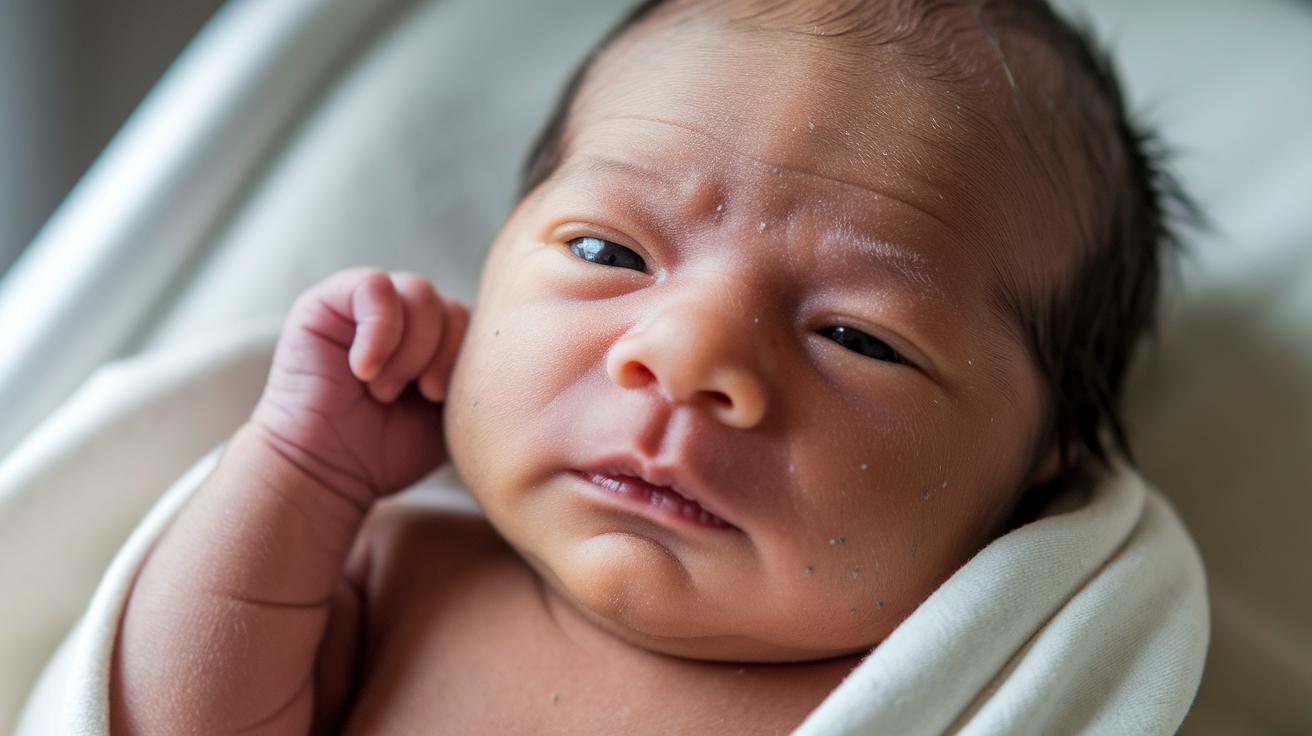
Many babies develop simple skin bumps in the first few weeks. One common type is milia. These tiny white bumps occur when dead skin cells get stuck in tiny pockets on the face. They often appear on the nose or cheeks and fade as the skin renews, usually within about 1 month.
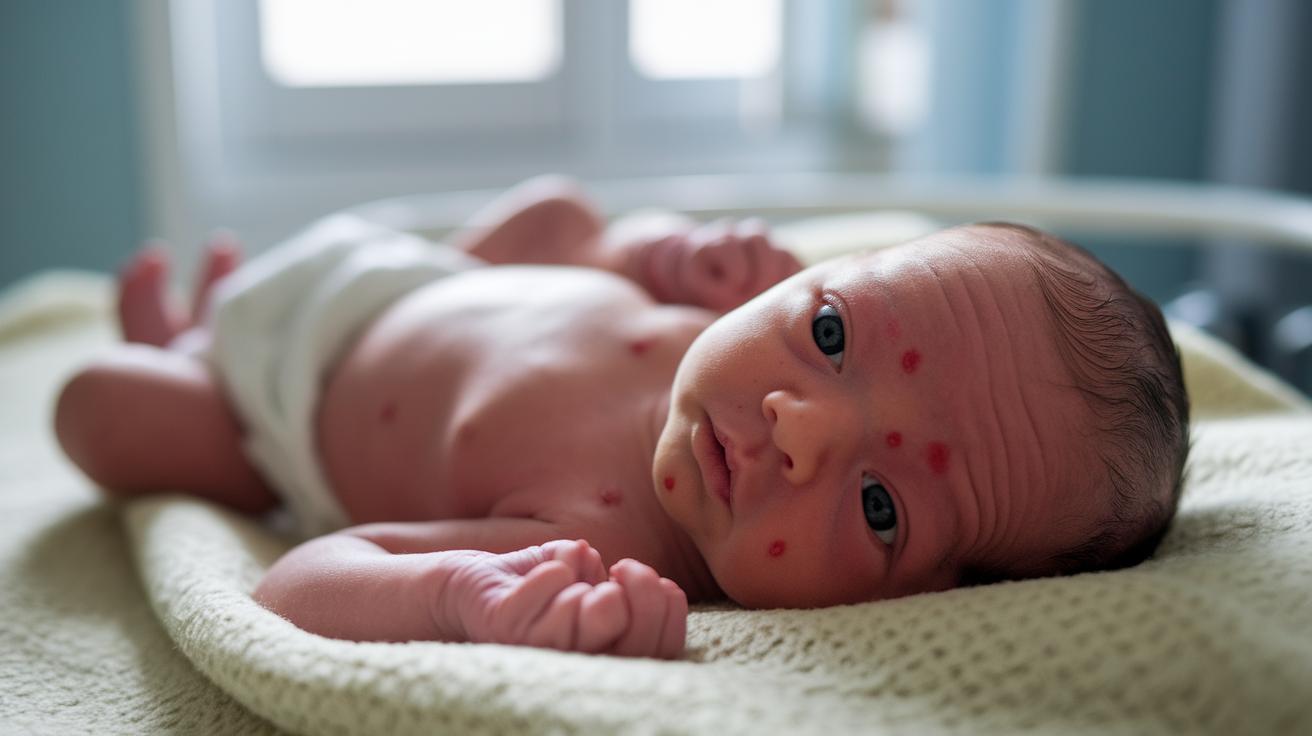
Another skin change is called erythema toxicum neonatorum. This condition shows up as red spots with tiny white or yellow dots. It may begin on day 2 or 3 and usually goes away by 1 to 2 weeks. Though it might look worrisome, it does not hurt your baby and is not contagious.
Heat rash is also seen in newborns. It happens when sweat ducts become blocked, leading to small red bumps. This rash often appears when the baby is in a warm environment or feels overheated. Cooling the room often helps clear it up fast.
Neonatal acne, sometimes called milk pimples, can appear between 2 and 4 weeks of age. These small bumps generally show on the cheeks and forehead. They do not include blackheads or cause scars and usually disappear on their own in time.
These bumps are part of your baby’s normal skin development. Keep an eye on them, and if you notice any new symptoms, don’t hesitate to call your pediatrician for advice.
Differentiating Acne, Rash, and Other Skin Eruptions
Quick take: Most newborn skin bumps go away on their own, but call your pediatrician if you see signs of infection or severe irritation.
Triage Box:
• Red flags: If your baby’s skin becomes very red, swollen, or the bumps start to ooze.
• Urgent: If you see fever or signs of pain, seek same-day medical care.
• Self-care: Monitor the skin and note any changes.
Newborn acne appears as small red or white bumps on the cheeks and forehead. These bumps do not have black spots like teenage acne. They are not caused by the bacteria seen in older children or adults and usually fade without pain or scars.
In contrast, rashes cover a wider area of the skin. They do not form neat clusters but spread out as a blanket of red. Eczema, another condition, shows dry, flaky patches that may itch. Its spread-out, irritated look makes it different from the small bumps of acne.
You can tell these conditions apart by their features:
• Baby acne: Occurs only on the face with small, clear bumps and no black spots.
• Rash: Covers larger areas with diffuse redness.
• Eczema: Causes dry, flaky patches that may be itchy.
Tracking where and how the bumps appear can help you decide if you need to call your pediatrician.
Serious Causes of Newborn Facial Bumps to Monitor
Quick Take: Most facial bumps in newborns are harmless, but some signs need quick action.
Triage Box:
- If you see red bumps that worsen or change color.
- If bumps turn pus-filled or become very tender.
- If your baby develops a fever or seems unusually fussy.
Bacterial Infections:
Bacteria like those causing impetigo or staph infections can make small, red bumps. Impetigo (a common skin infection) often starts with tiny blisters that burst and form a yellow crust. Staph infections can spread fast and hurt when you touch them. If you notice these changes or a rise in temperature, call your doctor now.
Viral Lesions:
Herpes simplex (a virus causing painful blisters) may create clusters of clear, small bubbles that can break open. These spots can be painful and may come with a fever or extra fussiness. If this happens, seek medical help quickly.
Allergic Reactions:
Sometimes, a reaction to creams, fabrics, or insect bites can cause small red marks or inflamed bumps. These bumps might pop up suddenly and spread or swell. If they spread fast or seem very painful, write down when they started and any changes, then call your pediatrician.
Always watch your baby’s symptoms and act now if any red flags show up.
Warning Signs and When to Consult a Pediatrician
Quick take: If your baby's bumps stick around for over 3 weeks or come with new behavior changes, call your pediatrician.
If you notice any of these signs, reach out to your doctor right away:
- Bumps that stay for a few weeks without getting better.
- Red streaks near the bump area.
- Changes in behavior like more fussiness, trouble feeding, or unusual drowsiness.
Keep a simple log that includes the start date of the bumps, how long they last, any behavior changes, and any new skin findings. This record will help your pediatrician understand what’s happening.
Gentle Home Care and Treatment for Newborn Facial Bumps
Quick take: Gently cleaning your newborn’s skin can help keep it safe and calm.
Triage:
• If you see signs of infection (redness, swelling, fever), call emergency services now.
• If the bumps get worse quickly or your baby seems very uncomfortable, seek same-day medical care.
• Otherwise, continue with gentle home care and watch for any changes.
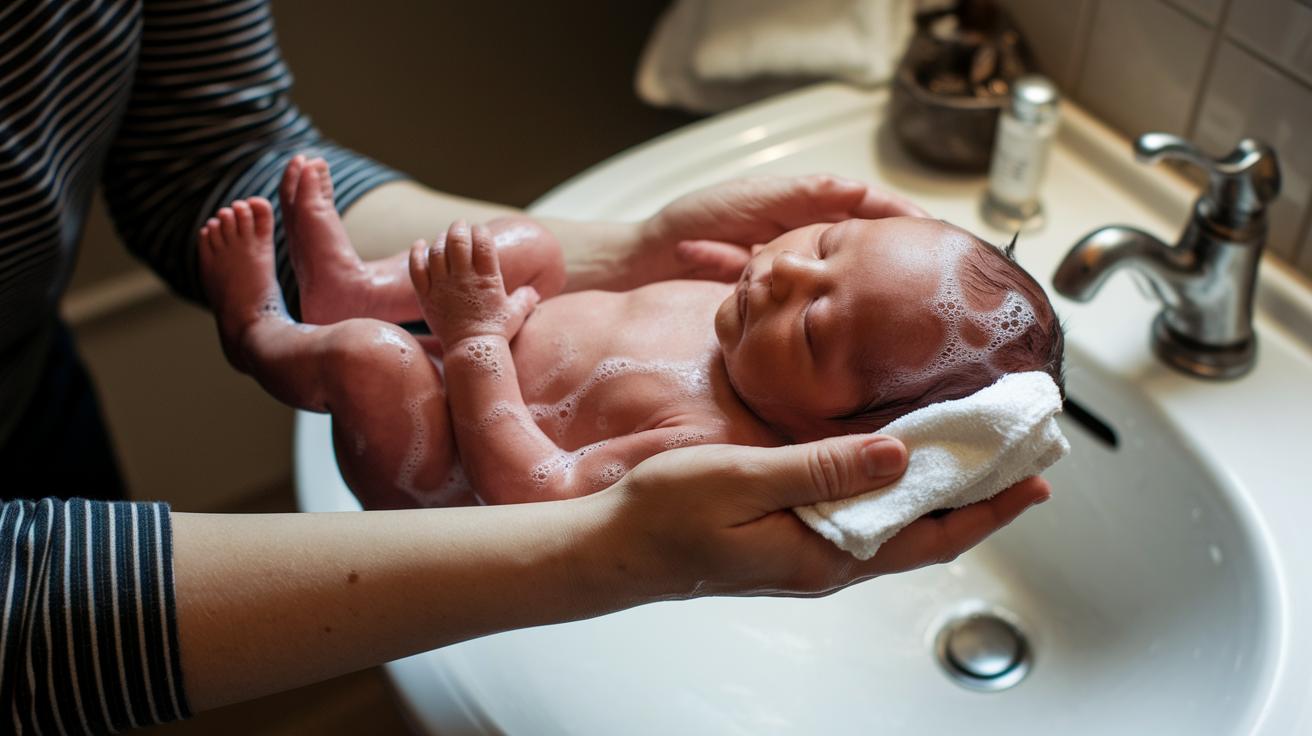
Follow this simple routine to care for your baby’s delicate skin. Start by using lukewarm water and a soft washcloth. Use a gentle, mild soap made for sensitive skin. A tiny drop on the cloth is enough.
Steps to clean your baby’s face:
- Use lukewarm water to avoid shocking the delicate skin.
- Wet a soft washcloth and add a small amount of mild baby soap.
- Gently wipe your baby’s face in circular motions without scrubbing.
- Rinse the face with lukewarm water until no soap remains.
- Pat the area dry with a clean, soft towel.
Remember these tips:
- Do not pick, pop, or squeeze the bumps. This can irritate the skin or cause scars.
- Do not use acne or other treatments meant for older children or adults.
- Only use cleaning products that are approved for newborns.
- Keep a consistent routine to protect your baby’s natural skin barrier.
If your pediatrician has advised using a moisturizing cream, apply only a small dab of a safe, unscented product. Always check with your doctor before adding anything new to your baby’s care.
Keep track of any changes in your baby’s skin. Write down what you notice and share it with your pediatrician at checkups. This careful routine supports healing and helps keep your baby comfortable.
Timeline and Healing Stages of Newborn Facial Bumps
Here's a quick guide on when different newborn facial bumps may clear up:
• Baby acne usually goes away by 3 to 4 months and does not leave scars.
• Erythema toxicum neonatorum (a common newborn rash) tends to peak around 2 to 3 days after birth and fades within 1 to 2 weeks.
• Milia often clear up by the end of the first month.
• Infantile acne can last longer, up to 1 year, and may sometimes form larger, cyst-like bumps.
For more in-depth information, please check the detailed sections on each condition.
Final Words
In the action, we explored why bumps on newborn face occur. You learned about common, benign causes like baby acne, milia, and other minor skin eruptions that usually clear over time. The guide also compares skin conditions and highlights when to seek medical help based on red-flag signs.
We provided practical, gentle home care tips and a healing timeline to ease your worries. Stay calm, track changes, and know that most bumps resolve on their own, helping your baby stay comfortable and safe.
FAQ
Can breast milk cause baby acne?
The idea that breast milk causes baby acne is not proven. Baby acne relates mostly to hormones and skin immaturity, and it usually fades on its own after a few months.
What are the stages of baby acne healing?
The stages of baby acne healing start with the appearance of small red or white bumps. These gradually fade over several weeks and typically resolve by three to four months of age.
What causes baby acne?
Baby acne is caused mainly by maternal hormones and the baby’s developing skin glands. This condition is common and harmless, appearing in up to 30% of infants.
How can I cure baby acne?
Treating baby acne means using gentle care. Clean the skin with lukewarm water and a soft washcloth with mild baby soap. Avoid scrubbing or picking at the bumps as they clear on their own.
What do red bumps on a newborn’s face indicate?
Red bumps on a newborn’s face typically indicate conditions like baby acne or erythema toxicum, which are normal. If the bumps become painful or widespread, contact your pediatrician.
What do baby acne pictures show about infant skin?
Baby acne pictures show small red or white bumps on the face that are common in infants. These photos help parents recognize and understand the normal, self-limited nature of the condition.
What is infantile acne?
Infantile acne is a type of acne seen in babies. It may resemble neonatal acne and can sometimes persist longer than typical baby acne, so monitoring it helps determine if any treatment is needed.
How do you differentiate baby acne from eczema?
Baby acne appears as small red or white bumps, while eczema shows dry, flaky, and itchy patches. Recognizing these differences in skin texture and distribution is key in deciding whether to seek medical advice.
How do I get rid of bumps on my newborn’s face?
Getting rid of bumps involves using a gentle cleaning routine. Wash your baby’s face with lukewarm water and a soft cloth using mild baby soap, and avoid picking or squeezing the bumps.
When should I worry about bumps on my baby’s face?
You should worry if the bumps become painful, fill with pus, are accompanied by fever or swelling, or persist beyond the normal healing period. In such cases, contact your pediatrician promptly.