
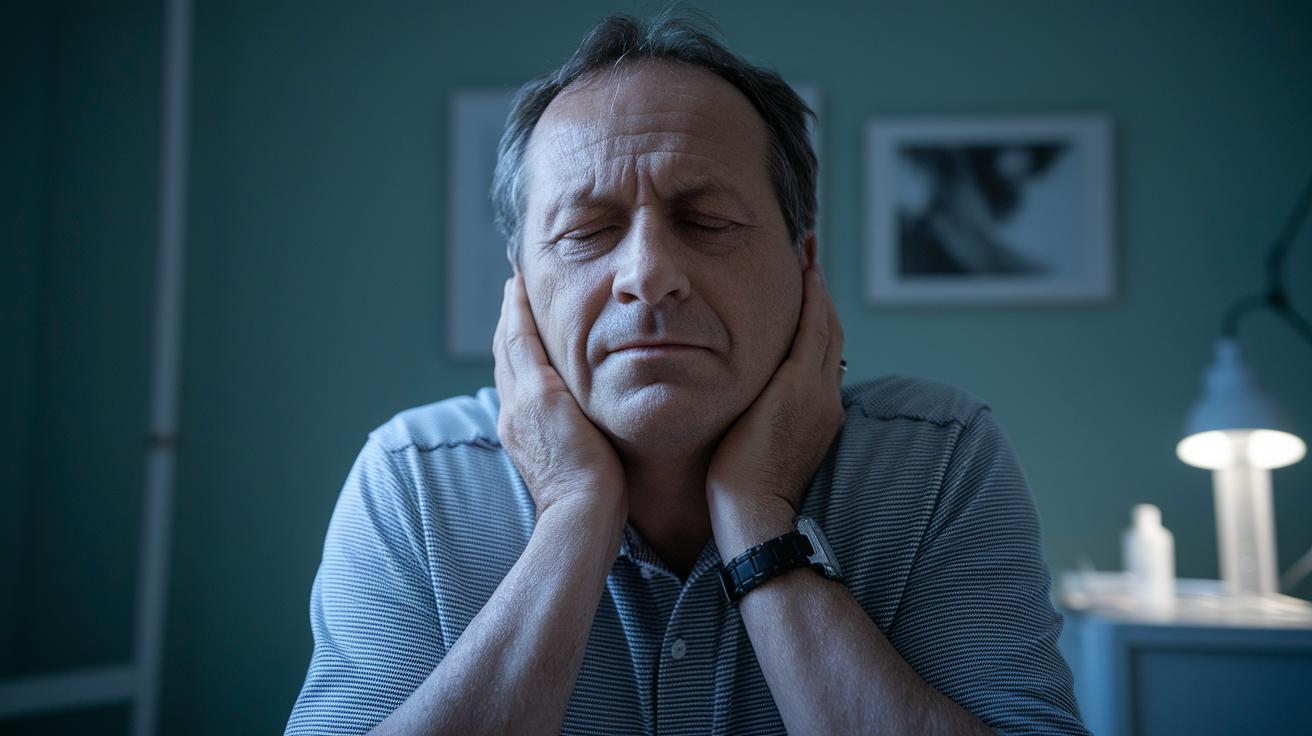

Quick take: A nagging pain at the base of your skull might be more than a regular headache.
Sometimes that dull ache behind your head turns into a sharp, pounding pain that makes even simple tasks hard to do. It can start as a mild annoyance and quickly become severe. Notice if your neck feels stiff or if bright lights hurt your eyes. These signs can mean you’re dealing with a suboccipital headache.
This guide shows you the key symptoms to watch for and offers simple, practical steps to help ease the pain so you can keep going with your day.
Identifying Symptoms & Red Flags of a Suboccipital Headache

Suboccipital headaches can feel different from day to day. One moment, you might just feel a mild, nagging pain. The next, it might become sharp and hard to ignore. These headaches can make it tough to focus or sleep, which makes everyday tasks more challenging.
Watch for these signs:
- Dull, throbbing pain at the base of your skull.
- Stiffness and tightness in your upper neck.
- Pain that gets worse when you rotate or tilt your head.
- Pain that spreads to your temples or forehead.
- Sensitivity to bright light or loud sounds.
- Episodes of dizziness or feeling unsteady.
- Occasional nausea or blurry vision.
- Trouble sleeping because of ongoing tension.
If you suddenly experience very severe pain, notice changes like slurred speech or weakness in your arms or legs, or develop a fever along with these symptoms, call emergency services now. These red flags can point to a serious problem that needs immediate care.
Keep a simple record of when your symptoms occur and how bad they feel. This note can help you and your doctor manage your condition safely.
suboccipital headache: Clear Signs and Positive Relief
Quick take: Overusing your neck muscles from poor posture can trigger suboccipital headaches, so simple changes may bring relief.
Triage Box:
- Call emergency services now if you have sudden severe headache, weakness, numbness, or trouble coordinating your movements.
- Seek same-day care if your pain worsens or you notice other concerning symptoms.
- Monitor and adjust your habits if the pain is mild.
Daily habits can strain your neck muscles. Sitting for hours with a poor computer setup forces your neck into awkward positions. Slouching at work or sleeping without supportive pillows overworks the muscles at the base of your head. Overuse weakens these muscles and sets the stage for pain.
When your neck muscles tighten, they may spasm. This limits the smooth movement of your upper neck joints. Even a small shift can pinch nearby nerves and change blood flow around your head. A minor neck twist might start a pressing, throbbing pain that radiates upward.
High stress can add to the strain by making your muscles contract. Without frequent movement breaks or proper neck support during rest, the discomfort can grow. Simple adjustments, like improving your posture, taking short stretching breaks, and using a supportive pillow, can ease muscle tension and lead to lasting relief.
Diagnostic Approach to Suboccipital Headache: Evaluation & Tests

Your clinician starts by asking about your headache history. They will want to know when it began, how it feels, and what may have triggered it. During the exam, you may be asked to move your head. The doctor will gently press on the muscles at the back of your neck to find any tense or sore spots. For example, you might be told to turn your head and notice if the pain gets worse, which can point to muscle strain.
Sometimes, tests like X-rays, MRI, or ultrasound are needed to check for other problems. X-rays show if your joints are out of line. MRI and ultrasound help look at your soft tissues and can spot muscle spasms or nerve irritation.
Your condition may be recorded using the ICD-10 code G44.8. This clear documentation helps your healthcare team tell the difference between occipital neuralgia and other types of neck pain.
Effective Self-Care and Home Treatment for Suboccipital Headache
Quick take: Simple stretches, massage, and small daily changes can ease neck pain.
If you have any of these warning signs, call emergency services now:
- Severe pain that keeps getting worse
- Fever or stiff neck with numbness
- Weakness, trouble moving your arms, or sudden vision changes
Suboccipital headache pain can come from tight neck muscles and small habits that strain your muscles. At home, you can work on loosening these muscles and easing the pain with regular self-care. Simple stretching and massage can help relax a stiff neck and boost blood flow at the base of your skull. Over time, these easy steps may help lower how often the pain comes back.
When you feel pain, try these simple massage and stretching ideas:
- Use a tennis ball to roll gently on the base of your skull.
- Do mild chin tucks with a slow head turn.
- Press your fingertips gently at the start of the neck muscles.
- Massage your scalp to help blood flow.
Everyday changes make a difference too. Here’s how to support your neck:
- Set your computer monitor so your eyes are level with it.
- Take a short break every 30 minutes to stretch your neck.
- Drink water often and eat balanced meals.
- Sleep on a cervical pillow and try to keep your chin slightly tucked when sleeping on your side.
Keep a simple tracker to record your progress. Write down the date, time, what self-care methods you used, and how you felt afterward. This log can help you notice small improvements over time. If you do not see any progress after a few weeks, reach out to your clinician for advice.
Professional Treatment Options for Persistent Suboccipital Headache

If you’ve tried home methods like self-massage, gentle stretching, and lifestyle changes for several weeks without improvement, it’s time to seek professional help. When your headache continues to interfere with daily life or you start noticing new symptoms like weakness or blurred vision, ask your doctor for a referral.
Conservative treatments can help ease your pain. Your doctor might suggest physical therapy that uses specific stretches, strengthening exercises, and hands-on techniques to reduce muscle strain in your neck. A chiropractor can work on your spine to help relieve pressure on nerves, while acupuncture may be added to lessen muscle tension by improving your body’s energy flow. These methods work together to ease pain by addressing muscle strain and enhancing neck function.
If these simple methods do not bring relief, there are more advanced options available. For example, image-guided occipital nerve blocks use precise injections to calm irritated nerves and provide targeted relief. Botox injections might also be used to relax tight muscles and lower chronic tension in your neck. These treatments aim to build on earlier methods by offering long-lasting pain relief and better neck mobility.
When to Seek Medical Help for a Suboccipital Headache
If your headache below the back of the head does not get better after 2 to 3 weeks of home care, with gentle stretching, better posture, and regular breaks from screens, contact a clinician. Use this time to note any changes in your pain or its strength.
Stop treating yourself and get immediate help if you experience these warning signs:
- A sudden, intense headache
- Blurred or double vision
- Dizziness that affects your balance
- Nausea with neck pain
- Any weakness or trouble speaking
- A recent head injury
If any of these occur, call emergency services or visit an urgent care center.
Remember: if your headache lasts 2 weeks despite rest and self-care, it’s important to speak with a doctor.
Final Words
In the action, this guide broke down suboccipital headache, from its muscle tension origins to the signs that demand fast attention.
We covered key symptoms, home care steps like gentle stretching and ergonomic tweaks, and tips to track progress.
You learned about warning signs that call for urgent evaluation and when self-care might be enough.
Staying informed helps you decide safely and act quickly if changes occur.
Keep monitoring your symptoms and use these insights to support your path to relief.
FAQ
What are suboccipital headache causes?
The suboccipital headache causes include tension in the neck muscles from poor posture, stress, and prolonged screen time that irritate nerves and affect blood flow at the base of the skull.
What are suboccipital headache symptoms?
The suboccipital headache symptoms include a dull, throbbing pain at the skull base, tight neck muscles, and sometimes sensitivity to light or sound, accompanied by nausea, dizziness, and disrupted sleep.
What are suboccipital headache stretches?
The suboccipital headache stretches involve gentle neck exercises like chin tucks and head rotations along with self-massage techniques to ease muscle tension and promote better blood flow.
What do discussions on suboccipital headache on Reddit share?
The suboccipital headache Reddit discussions share personal experiences of dull pain and effective remedies, such as stretching, self-massage, and ergonomic adjustments to manage symptoms.
What are suboccipital headache exercises?
The suboccipital headache exercises include slow, controlled movements like chin tucks, gentle head rotations, and light stretches that help relieve muscle tension and restore proper neck alignment.
How does suboccipital headache relate to nausea?
The connection between suboccipital headache and nausea occurs when muscle tension irritates nerves at the base of the skull, triggering both pain and the feeling of nausea.
How does suboccipital headache lead to dizziness?
The suboccipital headache dizziness happens when nerve irritation from tight muscles disrupts balance, causing lightheadedness or unsteadiness that can be alleviated with posture adjustments and stretching.
What is involved in a suboccipital headache massage?
The suboccipital headache massage involves applying gentle pressure with fingers or a tennis ball along the base of the skull, which helps relieve tight knots and improve local blood flow.
How do you do a suboccipital release on yourself?
The method to do a suboccipital release on yourself includes using your fingers or a tennis ball to apply gentle, sustained pressure on the muscle origin near the skull base to ease tension.
How do I know if I have occipital neuralgia?
The indicator for occipital neuralgia includes sharp, shooting pain at the back of the head paired with neck stiffness and heightened sensitivity, making a medical evaluation necessary for diagnosis.
What does suboccipital pain feel like?
The suboccipital pain feels like a persistent, dull ache that radiates from the base of the skull to nearby areas, often accompanied by neck tightness and occasional sensitivity.
How can I relieve neck pain at the base of the skull?
The strategy to relieve neck pain at the skull base includes engaging in self-massage, gentle stretching, maintaining proper ergonomics, staying hydrated, and managing stress to reduce muscle tension.