
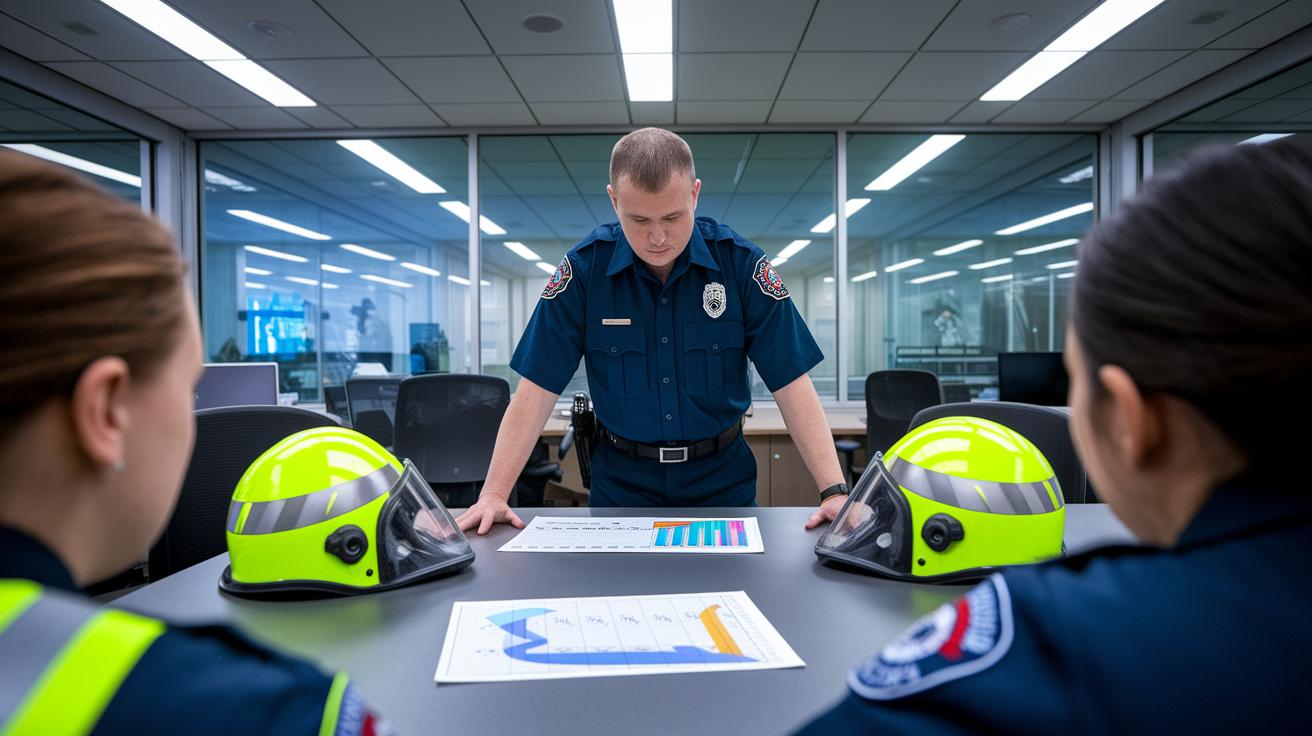

Quick take: A clear emergency plan can save lives.
If you face danger, follow these steps:
• Check for risks early.
• Know the role you need to play.
• Act fast when warning signs appear.
When a crisis strikes unexpectedly, being prepared is key. A solid plan helps you know what to do, from reviewing potential hazards to understanding team responsibilities. By following simple, clear actions, you can protect lives and property. Get ready now so that if trouble comes, you’re not caught off guard.
Core Steps for an Effective Emergency Response Protocol
A strong emergency plan helps you stay safe during a crisis. It gives you clear steps to check risks, list key contacts, assign roles, and take measures to protect people and property. This plan makes it easier for you to act fast when alarms sound or safety alerts come in. For example, some systems use built-in triggers (pre-set limits) that automatically start extra safety measures.
Your plan should also list ready-to-go actions and set times to check lifesaving items. For instance, refill reusable fire extinguishers every 10 years and replace disposable ones every 12 years. Test alarm systems every month (with full inspections once a year) and look over your first aid kit every 3 months. Regular checks like these keep your plan in great shape when you need it most.
Good planning also means clear ways to share information and review your plan often. Writing down each person’s role, from the incident commander to the utilities manager, makes the team work better. The plan starts when a command center order or a safety alert comes in. Using these clear steps helps you cut risks and makes sure you review and learn from each event.
- Risk Assessment
- Contact and Resource Documentation
- Role and Responsibility Assignment
- Protective Action Development
- Communication and Activation Protocols
- Response Execution
- Recovery and After-Action Review
Key Roles in an Emergency Response Protocol
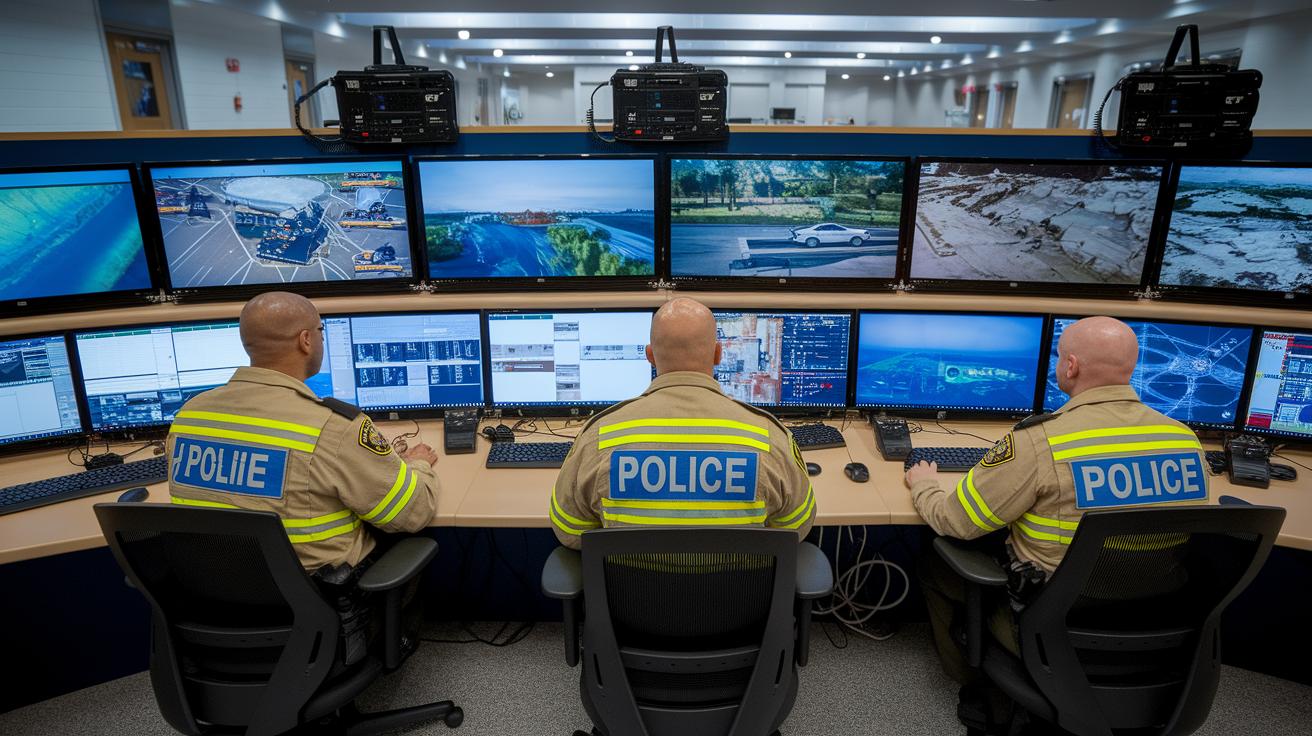
When emergencies hit, it is vital that everyone knows their role. Every team member has a part to play, which helps first responders work together and act quickly. The command center brings together leaders from fire services, law enforcement, EMS, and facility management. This teamwork makes sure decisions are made fast and correctly during a crisis. You will have a specific role with clear instructions on making decisions and reporting updates.
| Role | Primary Responsibilities |
|---|---|
| Incident Commander | Leads the crisis response, makes final decisions, and oversees all operations. |
| Communication Commander | Handles information flow, updates first responders, and keeps in touch with outside agencies. |
| Building Utilities Manager | Monitors building systems, checks fire alarms and safety equipment, and keeps the environment secure. |
| Route Guide | Directs safe escape routes, helps manage crowds, and deals with route problems during emergencies. |
When everyone understands their duty, the response is faster and more organized. This clear structure helps the team act swiftly to lower risks and protect lives and property. Regular drills and updated role instructions keep the team ready to handle any situation.
Building the Emergency Communication Plan
A strong communication plan tells everyone what to do when a crisis happens. It uses a simple set of words from the Standard Response Protocol (SRP): Hold, Secure, Lockdown, Evacuate, and Shelter. When you hear "Lockdown," you know to secure the room right away. Automated text alerts, mass notification systems with audit trails, and mobile apps help spread the word quickly, even to remote workers. A clear chain of command, as shown by the Incident Command System (ICS), ensures radio messages and email updates flow reliably with current details.
Standardized Terminology
Using SRP’s clear words speeds up decision making and prevents confusion. When everyone hears the same instructions, responders can act quickly and in unison, keeping coordinated even in fast-changing events.
Communication Channels and Activation
Key channels like public address systems, text alerts, radio, and email are chosen based on the incident. For example, a public address may be used during a fire, while a text alert reaches remote team members instantly. Clear rules on when to activate each channel ensure that important messages are shared in real time.
Ensuring Regulatory Compliance in Emergency Response Protocol

FEMA’s CPG 101 and CPG 201 give you clear advice for building emergency plans that protect lives and property. These guides break down tasks like risk analysis (looking at potential dangers) and resource management (using supplies smartly) into simple steps.
OSHA rules also guide you. For example, fire alarm systems need an annual inspection and tests every two months according to EH&S rules. First aid kits should be checked every three months. These routine checks help ensure that all your vital equipment works when you need it the most.
Many organizations face challenges like outdated contact lists, alarm systems that aren’t tested, and missing drill records. If you don’t update these, safety can be at risk during an incident. Keeping accurate records and a current list of contacts is crucial for following regulations and having an effective emergency plan.
Regular reviews and updates of your plan can make all the difference. By including these regulatory steps in your overall strategy, you boost both safety and readiness. This approach helps your team meet standards and act quickly and confidently during any crisis.
Tailoring Emergency Response Protocols for Specific Incidents
Quick Take: Have clear, simple steps for fires, medical issues, pandemics, and mass casualty events, and practice them often.
TRIAGE BOX:
- For fires: Follow marked exit routes, meet at set points, and listen to your fire warden.
- For medical emergencies: Use first aid immediately and call EMS (emergency medical services) without delay.
- For pandemics: Use infection control, shift to remote work when needed, and follow vaccination plans.
- For mass casualty events: Sort and treat victims quickly using a clear triage system.
For fire emergencies, set up clear exit paths, choose safe meeting spots, and appoint fire wardens to guide everyone. This way, every team member knows where to go and who to follow. Regular drills make these steps feel natural, which can save lives when seconds count.
In a medical emergency, act fast with a well-planned approach. List first aid steps to help stabilize someone until professional care arrives. Also, include clear instructions on how to work with local EMS so help comes quickly. Regular training in these steps builds confidence and readiness.
For pandemic situations, update your plan to slow down infection. Add steps for infection control, switch to remote work when needed, and use vaccination plans to protect everyone. These clear guidelines help keep the workplace safe while operations continue despite a health crisis.
During a mass casualty event, use a simple triage system to sort out care. Work closely with public health plans so that resources and multiple care teams are ready when needed. Include clear steps for managing the scene and plans for recovery afterward. This organized method ensures that those in greatest need get help fast.
Training and Drills for Continuous Improvement of an Emergency Response Protocol

Quick take: Regular, planned drills keep your team ready to act fast in an emergency.
If you notice any of these issues, update your protocols immediately:
- Team members unsure of their roles
- Gaps in communication during drills
- Outdated checklists or support materials
Plan regular exercises. Schedule discussions around a table, step-by-step walkthroughs, focused drills, and full-scale simulations that involve local public agencies. Use digital tools to set automatic reminders. For example, set a reminder to run a full-scale simulation every 6 months. This way, everyone knows their role, and you’re better prepared when an emergency happens.
Support your drills with clear tools. Consider using classroom videos, bilingual posters, and easy-to-follow checklists. These aids ensure everyone understands the steps and works well together. After each exercise, ask your team for feedback. If you find a gap, say, a weak moment in communication, fix it right away.
Review and update your emergency response plan every 2 years or after major drills or incidents. This regular check keeps your plan current. Regular training and quick updates build confidence and ensure that when real crises hit, every team member can act swiftly and safely.
Leveraging Technology in Your Emergency Response Protocol
Quick take: Advanced tools give you real-time updates to help you act fast and work safely.
Today, smart systems keep you informed by sending immediate alerts about your surroundings. Video cameras and smart door controls let you watch key spots so you can spot unusual activity as it happens. Temperature scanners can check body heat quickly during health scares, signaling a possible fever so your team can act before things get worse. These live monitors boost your awareness and help protect both people and property with up-to-the-minute details.
Automated alert systems track every step during an incident, so you know exactly what happened. Digital dashboards and ready-made planning forms simplify moving supplies and reassigning tasks. This modern technology cuts response times and reduces errors when every second counts. With these tools, your team can work together clearly and accurately during emergencies.
Final Words
In the action, you learned how an emergency response protocol shapes every phase from risk assessment to recovery. The blog highlighted clear steps for role assignments, communication plans, technology use, and compliance checks.
You now have actionable tips, checklists, and guidelines to handle emergencies with confidence. Use these insights to monitor closely and act fast. Stay positive, prepared, and proactive in every critical moment.
FAQ
What is emergency protocol in hospitals?
The emergency protocol in hospitals outlines clear steps and roles to rapidly address crises. It involves staff preparedness, structured communication, and pre-planned actions to ensure patient safety during urgent events.
What are some emergency protocol examples?
The emergency protocol examples include risk assessments, role assignments, activation triggers, and recovery plans. These examples offer concrete action steps to streamline responses during high-stress incidents.
What are some emergency response examples?
The emergency response examples consist of structured procedures like incident reporting, hazard notification, evacuation plans, and coordinated first responder actions. They illustrate effective practices for managing sudden crises.
What do emergency response guidelines cover?
The emergency response guidelines cover clear instructions for critical situations. They include checklists, step-by-step procedures, and defined communication roles to ensure a synchronized and effective response.
What constitutes an emergency response procedure?
The emergency response procedure consists of pre-planned actions that activate when a crisis occurs. It includes initial assessments, resource mobilization, and clear communication to mitigate risks rapidly.
What is an emergency response plan in safety?
The emergency response plan in safety establishes detailed protocols to protect people and assets. It sets out roles, communication channels, and stepwise guidelines for managing diverse emergencies effectively.
What is an Emergency Preparedness Plan PDF?
The Emergency Preparedness Plan PDF is a downloadable document outlining key protocols, risk assessments, communication channels, and role assignments. It provides a ready-to-use guide for implementing safety measures.
What are the 5 steps of emergency response protocols?
The 5 steps of emergency response protocols typically include risk assessment, resource documentation, role assignment, protective action planning, and response execution. These steps standardize procedures to ensure quick, coordinated action.