
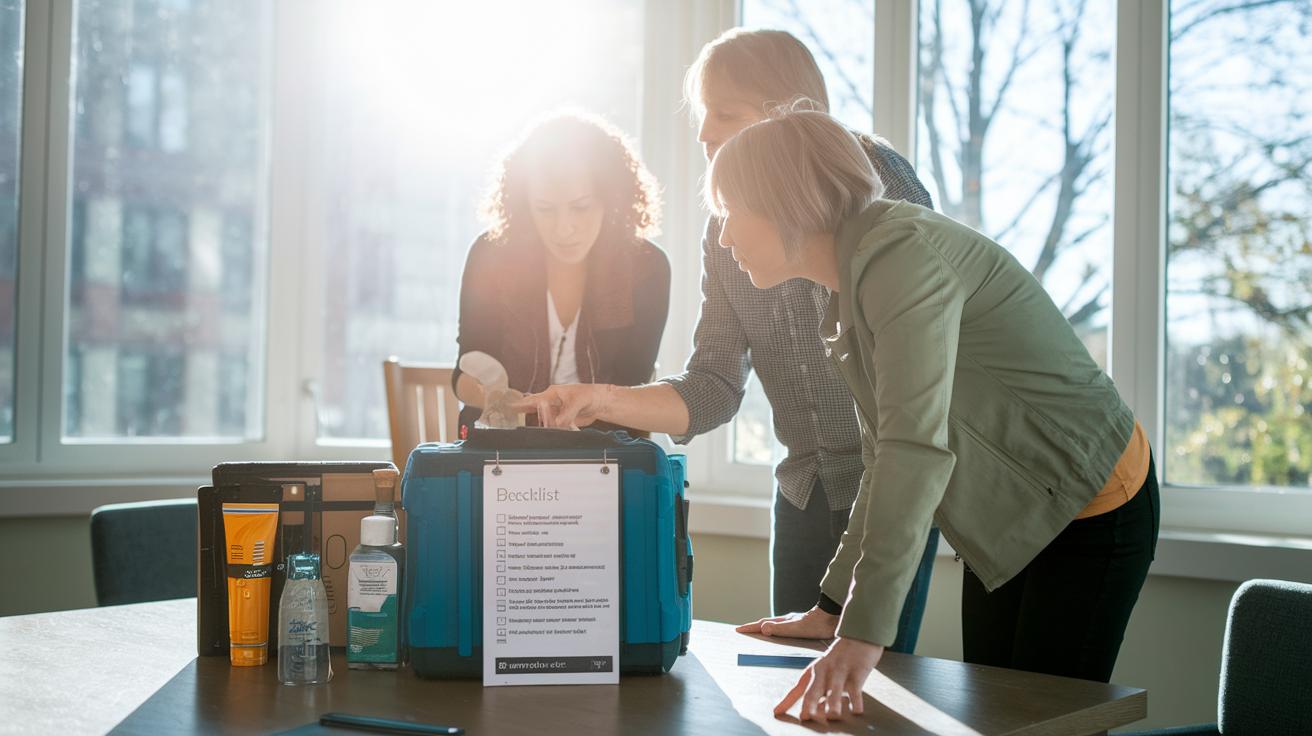

Quick Take: A prepared 72-hour emergency kit can keep your family safe when disaster strikes fast.
Triage Box:
• If you are in immediate danger, call emergency services now.
• If you feel unsafe, seek urgent help from a trusted neighbor or local authority.
• Otherwise, follow this guide to get ready before an emergency hits.
Emergencies happen suddenly. In these critical moments, every second counts. This guide helps you build and check your emergency kit so you can act fast and protect your loved ones.
Here’s what to do:
• Store enough water for each family member (at least 1 gallon per person per day).
• Stock non-perishable food items to last at least 72 hours.
• Assemble a first aid kit that includes bandages, antiseptic, and any needed prescription medicines.
• Gather essential tools such as flashlights, extra batteries, a whistle, and a multi-tool.
• Include other key items like a battery-powered radio, warm blankets, and copies of important documents.
Review your supplies regularly. Note expiration dates on food and medicines, and replace items as needed. Keep the kit in an easily accessible spot so you can grab it quickly when every second counts.
Your safety is our top concern, prepare now and stay ready for the unexpected.
Essential Emergency Preparedness Checklist: Complete Supplies and Actions
Get your emergency kit ready now to keep your family safe when disaster strikes. Gather supplies for at least 72 hours and check your items every 6 months.
Focus on these six key areas:
-
Water
- Store 1 gallon per person per day of bottled water. Replace your stock every 6 months to keep it fresh.
- For example, if you need to leave quickly, you’ll be glad you have bottled water on hand.
-
Food
- Pack a 2-week supply of nonperishable food that needs little or no cooking.
- Choose items such as canned goods, dried fruits, and high-calorie bars.
-
First Aid
- Keep a well-stocked first aid kit at home and another in your car.
- Include common medicines like anti-diarrhea pills and pain relievers that you can use if needed.
-
Clothing and Bedding
- Gather extra clothes, blankets, and bedding so you stay warm if the power goes out.
-
Tools and Emergency Supplies
- Put together a battery-operated radio with extra batteries, flashlights, and a safe fuel source for cooking and heating.
-
Special Items
- Include sanitation products, any needed prescription medications (stored as directed), and baby formula or powdered milk if you have little ones.
Checklist actions:
- Inspect and update your supply inventory every 6 months.
- Rotate food and water stocks regularly.
- Prepare a 72-hour survival kit and keep all items easy to reach when an emergency happens.
emergency preparedness checklist: Your Safety, Our Priority
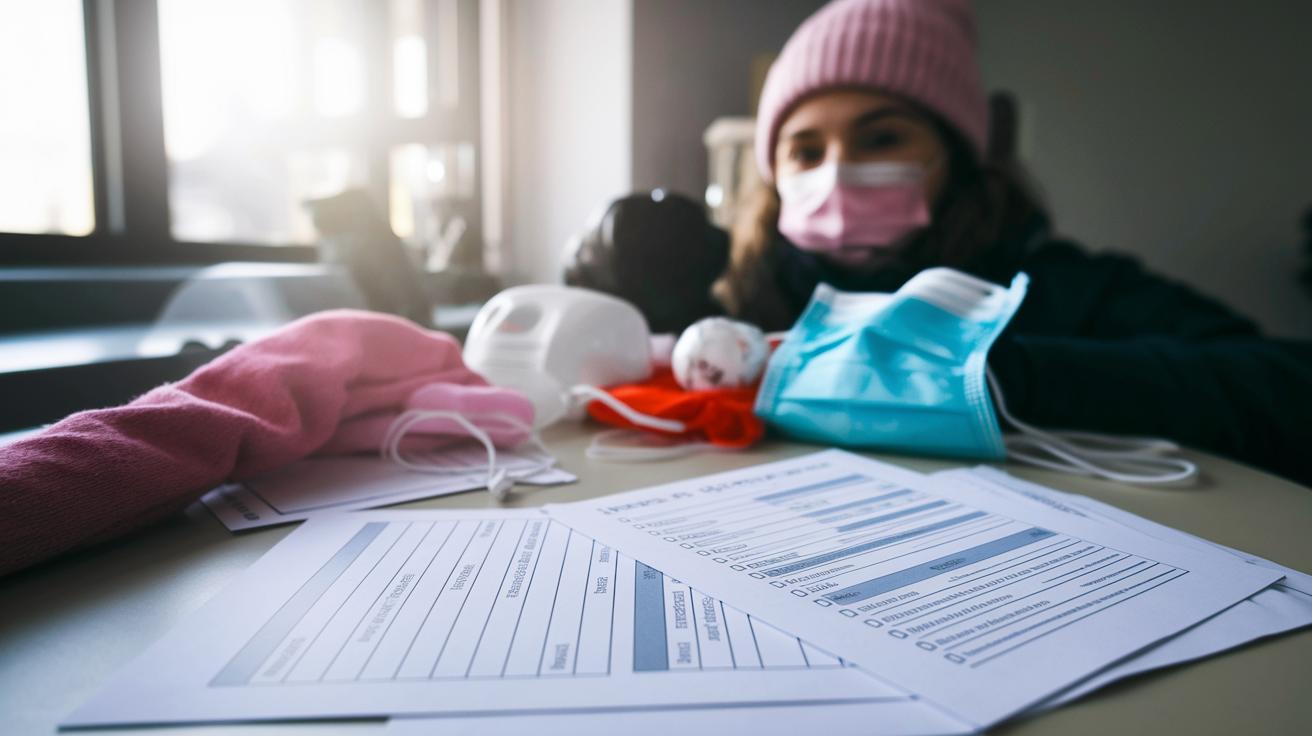
Quick take: Build your kit with a clear plan that meets your local risks.
If danger is near, follow these steps:
- Check local alerts.
- Review your household disaster plan guide.
- Grab your emergency kit and follow your plan.
Plan by season and risk:
For winter storms, add extra fuel and heating tools along with emergency blankets and non-perishable food.
For wildfires, pack dust masks and a fire shelter to stay safe.
For floods, keep waterproof containers and sandbags ready.
For earthquakes, include a helmet and sturdy shoes as key safety items.
For hurricanes, add a portable shelter and thermal blankets. Use reliable camping gear if it works for you.
Review and update your disaster readiness outline often. Keep your plan visible and share it with everyone at home so each person knows what to do and where to go when needed.
Building Your Emergency Preparedness Checklist Kit: Food, Water, and Medical Supplies
Quick Take: Be ready for an emergency by having enough water, food, and medicine for at least 72 hours.
Water:
Keep 1 gallon of water per person every day. Replace your water every 6 months to keep it fresh. In an emergency, this will cover your needs for 72 hours.
Food:
Pack a two-week supply of non-perishable food that needs little or no prep. Choose items like canned goods, dried fruits, and high-calorie bars. Use a planner to track expiration dates and rotate your supply.
Medical Supplies:
Gather a well-organized first aid kit. Include common items like pain relievers and anti-diarrhea medicine. Follow your doctor’s advice for any prescription drugs and keep them in a waterproof bag. If someone needs special foods, such as baby powdered milk, add those too.
Additional Tips:
- Label items with the date.
- Use a checklist to track food and medicine rotation.
- Store your kit where you can easily get to it.
Including Documents, Tools, and Communication in Your Emergency Preparedness Checklist
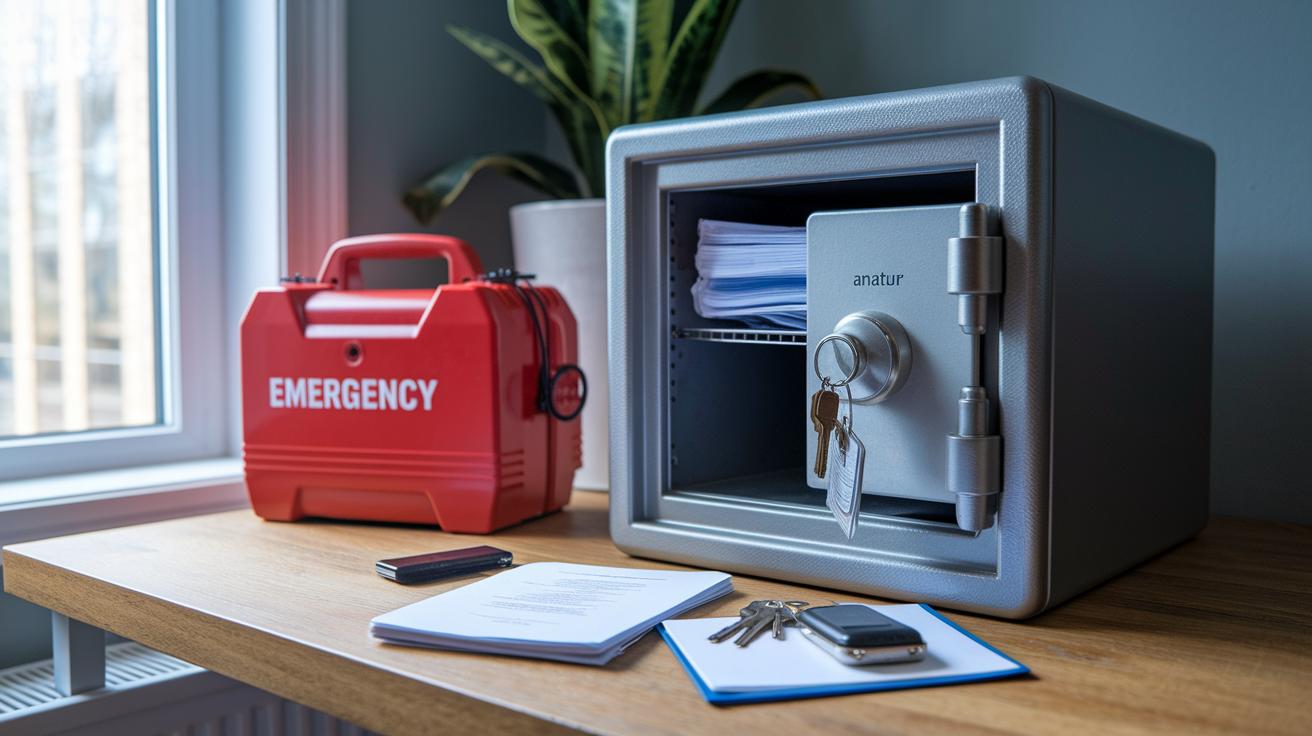
Quick Take: Protect your key papers and tools so you stay ready when emergencies hit.
If you face an emergency, these steps can help keep you safe:
Documents
• Store your IDs, insurance policies, and medical records in a waterproof, fireproof container.
• Keep extra copies offsite to lower the risk of losing vital information.
These papers can be lifesavers when you need to prove who you are or quickly access services.
Communication
• Pack a battery-powered or hand-crank radio and extra batteries to stay updated when the power is out.
• Make a plan with your family on how to contact each other if phone lines fail.
Evacuation
• Write down the safest escape routes from your home and neighborhood.
• Mark clear meeting points and share these plans with everyone in your household.
Fuel Reserves and Appliances
• Stock a safe reserve of fuel for your vehicle and generator.
• Consider using deep-cycle batteries for backup power if the grid fails.
• Clearly label shut-off points on appliances so you can safely disconnect them if needed.
Tool Kit
• Gather a basic kit with a multi-tool, flashlights, and duct tape.
This kit can be crucial for quick fixes when an emergency occurs.
Each of these steps builds a stronger emergency plan, helping you stay connected and secure when it matters most.
Planning, Drills, and Community Coordination for Your Emergency Preparedness Checklist
A good emergency plan keeps your family safe and helps build a strong community. Make a family plan by giving each person a clear role and planning escape routes. Practice drills every 3 months so everyone knows what to do when an emergency happens.
Take a preparedness course to boost your crisis plan. Use what you learn to set up a clear response plan for your community. Check local shelters and arrange a neighborhood network for regular check-ins. Add important contacts and resources to your crisis plan.
Include everyone in your plan, kids, seniors, and those with special needs. Pack games and books to help kids stay calm and upbeat during tough times. Gather pet supplies and follow the guidelines at school and work. Update your plan often as things change.
By practicing drills and sharing your plans with neighbors, you build a strong safety network. This proactive approach makes your community ready to act fast in an emergency. Prepare now and act with confidence.
Maintaining and Updating Your Emergency Preparedness Checklist Over Time
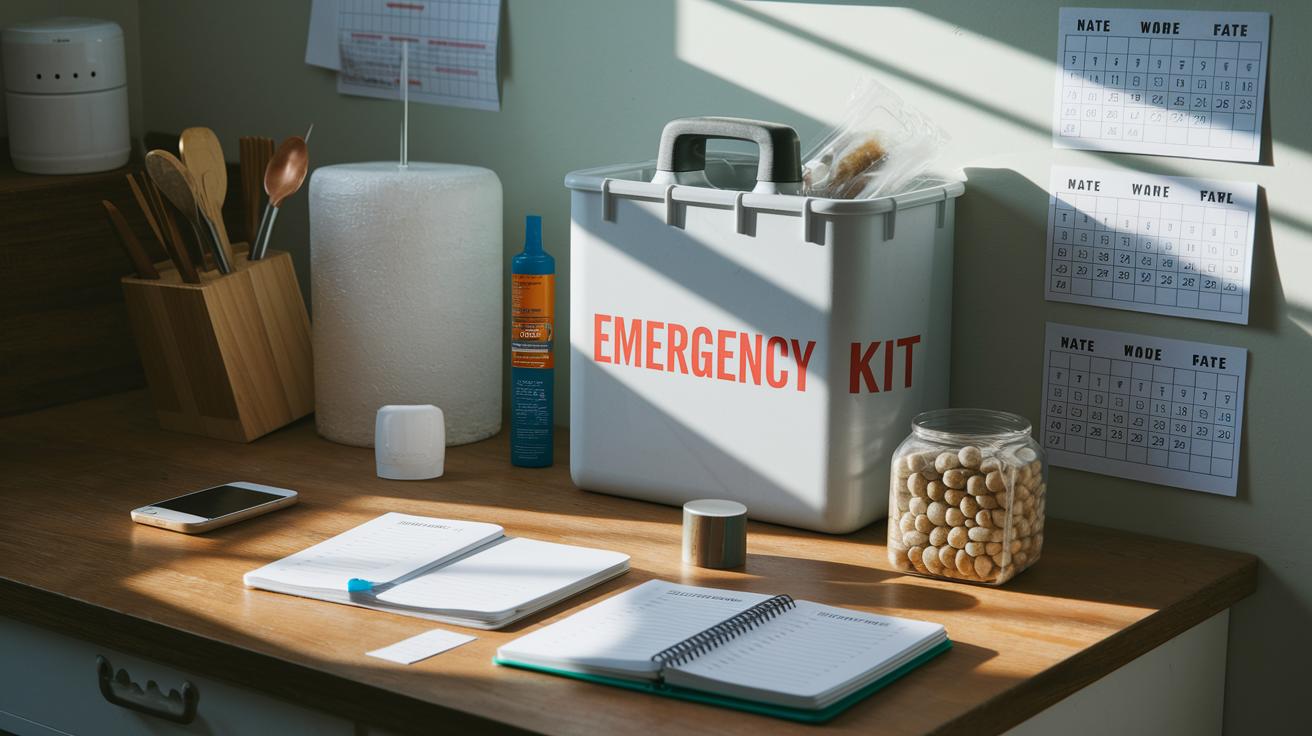
Quick take: Regular reviews and updates keep your emergency kit ready when you need it most.
Keep your kit fresh by checking it every 6 months. Replace food, water, and batteries on schedule. Change your supplies to match the season and local hazards. Look at all medications to see if they are expired, and swap them out if needed. Refresh your important documents in your waterproof, fireproof container after any big life changes. And test your radios and generators every year to be sure they work in an emergency.
After every drill or practice, sit down and review what went well and what could be better. Use each practice session to spot gaps and update your recovery plan. Add needed supplies as you learn from past experiences and as your family’s needs change. Check your homeowner’s or renter’s insurance on a regular basis and consider a plan to cover unexpected costs.
Make a list of actions to stay on top of your kit:
By keeping your checklist current, you build confidence that you are ready to protect your family during any emergency. Schedule a full review every 6 months, and don’t delay making changes when needed.
Final Words
In the action of planning for emergencies, this guide has walked you through building a robust emergency preparedness checklist. You've seen how to gather water, food, medical supplies, and key documents, plus customize your kit to local risks.
We walked through useful tips for assembling, updating, and practicing your plan. Remember to keep your crisis supply inventory current and well-stocked. Stay prepared and stay safe as you take clear steps towards peace of mind.
FAQ
Emergency Preparedness Checklist PDF
The Emergency Preparedness Checklist PDF offers a ready-to-use list of must-have supplies like water, food, and first aid items, designed to help you quickly assemble an emergency kit during urgent situations.
FEMA emergency Preparedness Checklist PDF
The FEMA emergency Preparedness Checklist PDF outlines critical survival items recommended by FEMA. It includes water, non-perishable food, and other essentials to help you prepare in the event of a disaster.
Printable emergency preparedness checklist
A printable emergency preparedness checklist gives you a hard-copy list of vital supplies such as water, food, first aid, and communication tools, making it easy to plan and verify your emergency kit at a glance.
Emergency preparedness checklist prepping for beginners
The emergency preparedness checklist for beginners simplifies planning with a basic list of survival items and clear steps. It guides you in building a kit that includes water, food, first aid, and critical supplies.
What are 10 items in a emergency kit
The 10 items in an emergency kit typically include water (one gallon per person per day), non-perishable food, a first aid kit, flashlight, battery-powered radio, extra batteries, tools, sanitation supplies, clothing, and important documents.
Red Cross emergency preparedness Checklist
The Red Cross emergency preparedness checklist features key supplies such as food, water, first aid essentials, and communication devices, along with simple steps to create a safe plan should a disaster occur.
14-day emergency kit list
A 14-day emergency kit list covers supplies for two weeks, including water, non-perishable food, medications, sanitation items, and emergency tools, ensuring you can remain safe and self-sufficient during a prolonged crisis.
Emergency Preparedness plan PDF
The Emergency Preparedness plan PDF offers a structured guide detailing key actions, essential supplies, and important contact information to help you efficiently respond and stay safe during emergencies.
What are the 10 essential survival kit items?
The 10 essential survival kit items usually include water, food, a first aid kit, flashlight, battery-powered radio, extra batteries, sanitation supplies, basic tools, clothing, and critical documents to support immediate survival needs.
What are the 5 P’s of preparedness?
The 5 P’s of preparedness refer to Personal, Plans, Policies, Procedures, and Practices. These aspects cover must-have supplies, clear communication steps, and coordinated actions to help you stay ready for emergencies.
What do I need to stockpile for an emergency?
You should stockpile water, non-perishable food, first aid supplies, sanitation products, medications, and important documents. These items help maintain safety and self-sufficiency until assistance becomes available.
What should be in a doomsday kit?
A doomsday kit should include water, long-lasting food, a sturdy first aid kit, essential tools, clothing, sanitation supplies, a flashlight, a battery-powered radio, extra batteries, and vital documents to support survival in extreme circumstances.