
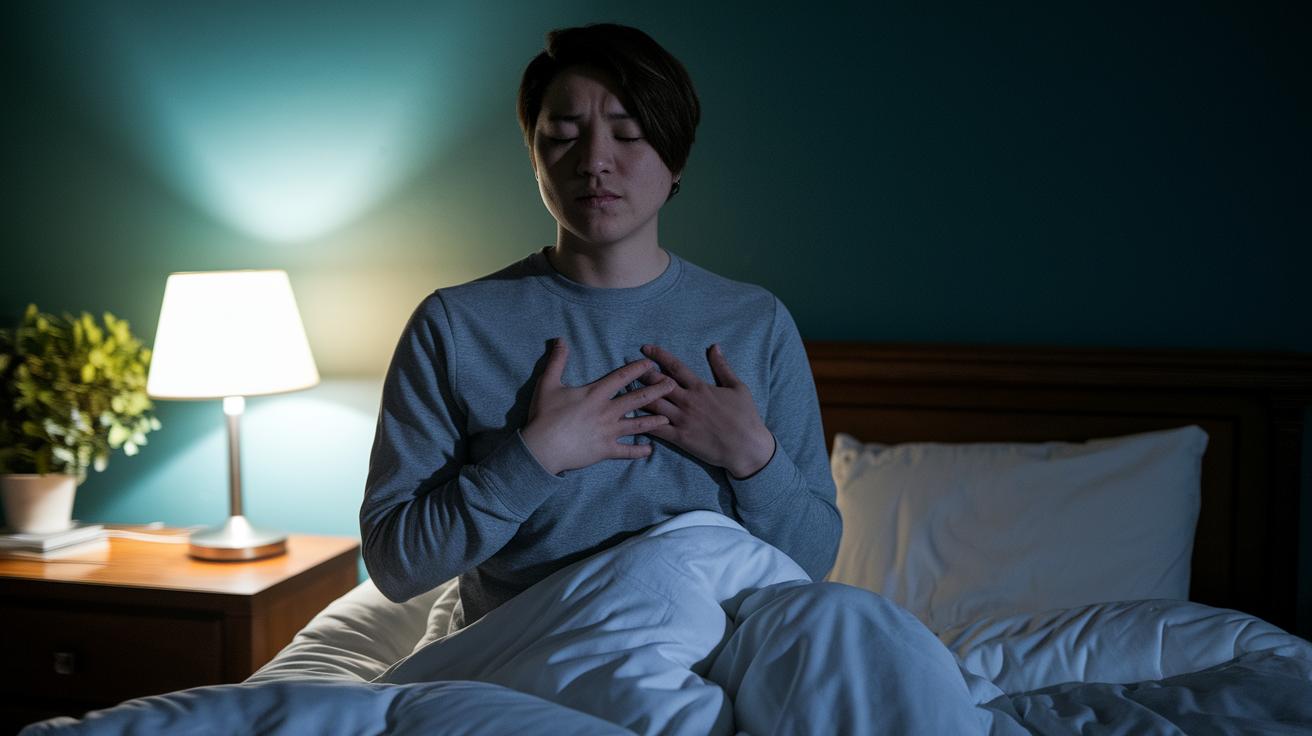

Quick Take: Chest tightness at night can be harmless, but it sometimes needs urgent care.
If you have any of these signs, call emergency services immediately:
• Severe, worsening pain that doesn’t ease with rest.
• Trouble breathing or shortness of breath.
• Pain spreading to your arm, neck, or jaw.
Often, chest pressure feels like a tight band around your chest. It might be caused by a sore muscle from an odd sleeping position or by acid reflux after a late meal.
Here’s what to do:
• Note when the pressure starts and if it changes.
• If the pain is mild, keep track of it and rest.
• If the discomfort grows or you feel any red-flag signs, get medical help right away.
Taking these steps can help you decide when it’s safe to wait it out or when to seek urgent care, so you can rest easier and feel better in the morning.
Understanding Tightness in Chest at Night: Definitions and Typical Sensations
Quick take: Chest tightness at night may be caused by minor issues like muscle strain or acid reflux. However, if you also feel severe pain, shortness of breath, or pain spreading to your arm or jaw, seek help immediately.
If you have any of these emergency signs, call emergency services now:
- Severe chest pain
- Shortness of breath (difficulty breathing)
- Pain spreading to your arm, jaw, or back
Often, you might feel a firm pressure or squeezing in your chest, much like the feeling of wearing a tight vest or having a heavy backpack across your chest. This pressure is different from the sharp, stabbing pain that sometimes happens with a heart attack.
Sometimes, a light chest tightness happens from simple causes. For example:
- Muscle strain from an awkward sleeping position
- Acid reflux (when stomach acid flows up, causing a burning feeling) after a heavy meal
These feelings are usually mild and fade on their own.
If the tightness sticks around or gets worse, it may mean something more needs attention. Watch for signs that the discomfort isn’t just a small irritation. If you notice the tightness does not go away or comes with extra signs like shortness of breath or spreading pain, it is important to get checked by a healthcare provider. Especially if these symptoms disturb your sleep, it could be time to seek further evaluation.
Common Causes of Nighttime Chest Tightness
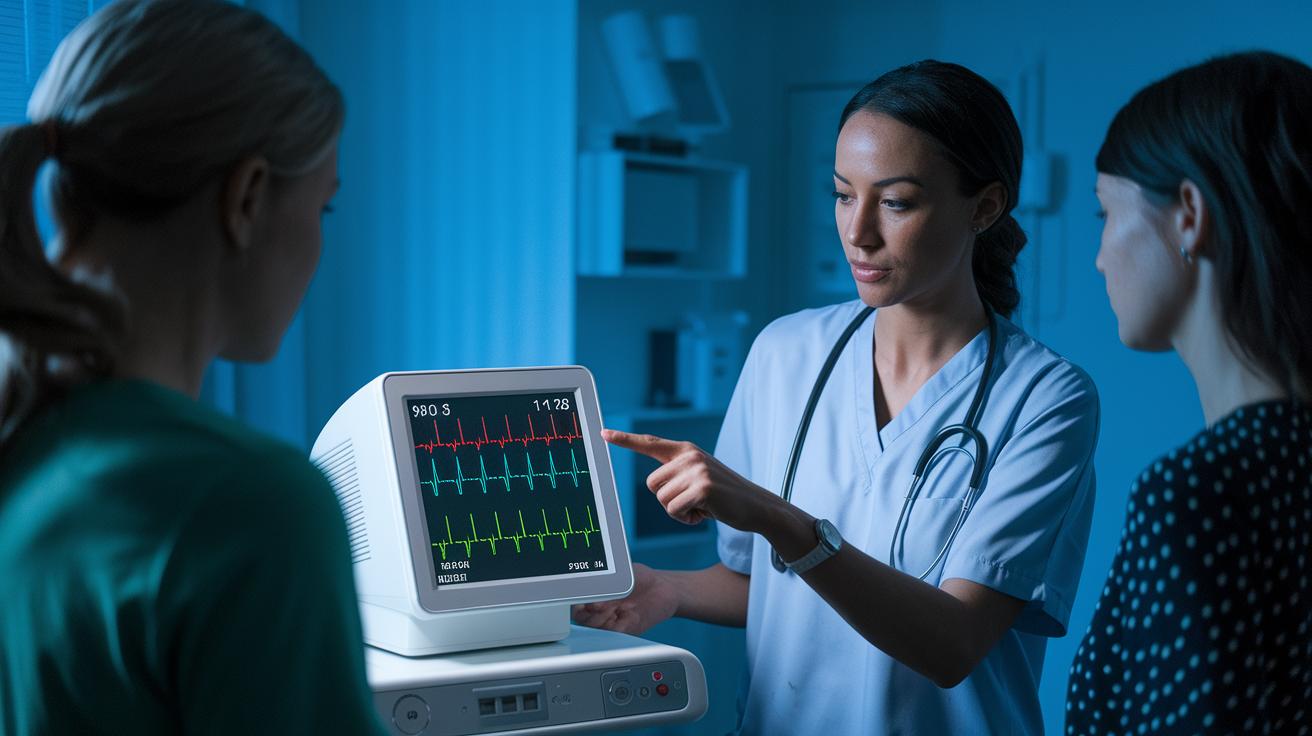
Quick take: Several conditions can cause chest tightness at night. Check these signs carefully and act immediately if your symptoms worsen.
If you have any of these emergency signs, call emergency services now:
- Severe chest pain that does not go away
- Trouble breathing or shortness of breath
- Pain spreading to your arm or jaw
- Dizziness or fainting
If you notice any of the following urgent concerns, get same-day medical attention:
- Sudden, intense chest pressure
- Rapid changes in heart rate or blood pressure
For mild symptoms, follow these self-care steps:
- Monitor your symptoms closely
- Note when the pain occurs and what you were doing
- Record any changes in severity
Common causes include:
- Angina pectoris: This happens when your heart has less blood flow because your coronary arteries narrow (the tubes that carry blood to your heart). It can cause a squeezing feeling in your chest, even while you rest.
- Acid reflux: When stomach acid moves back into your esophagus (the tube from your mouth to your stomach), it can cause a burning sensation and pressure. Lying down can make this worse.
- Sleep apnea: This is when your breathing stops and starts again during sleep. These brief drops in oxygen can make your heart and lungs work harder, leading to tightness.
- Costochondritis: Inflammation of the cartilage connecting your ribs can cause a deep, aching pain. It can change with different sleeping positions.
- Hypertensive emergency: A sudden, high spike in blood pressure can stress your heart, causing chest discomfort. This is a serious concern.
- Pleurisy: Inflammation of the membranes around your lungs can cause sharp pain when you take a deep breath. This pain can sometimes feel like a general tightness as your chest moves.
If your chest tightness or any of these symptoms continue or get worse, seek medical advice. It is important to have a clinician check your symptoms to make sure you get the care you need.
Recognizing Emergency Signs in Nighttime Chest Constriction
Quick take: Nighttime chest tightness with extra symptoms might signal a serious heart issue.
If you have any of these emergency signs, call emergency services immediately:
- Shortness of breath
- Chest pain that spreads to your arm, jaw, or back
- Dizziness
- Sweating
Nighttime chest tightness can show up as brief, recurring moments of discomfort. You might wake up with your chest feeling squeezed and your heart racing. That pattern stresses your heart even if the episodes seem short. If the tightness lasts more than a few minutes or keeps coming back throughout the night, don’t wait, get evaluated right away. These guidelines help you spot when chest discomfort may be more than typical worry.
Distinguishing Cardiac and Non-Cardiac Nighttime Chest Tightness

Cardiac chest tightness feels like a heavy pressure or a squeezing grip in your chest. You might notice it during physical work and even while resting at night. It can spread to your arm, jaw, or back, and you may feel sweaty or nauseous. Think of it as your heart sending you an important warning. For example, imagine lifting a heavy weight while sleeping. The heavy pressure hangs around and moves to other parts of your body. This pain is typical of conditions like angina, where clear medical care is needed.
Chest tightness linked to sleep anxiety feels different. You may feel a squeezing heaviness that comes on suddenly, often during a bout of panic or intense stress as you sleep. You might wake up with a racing heart and a tight band around your chest. This feeling usually comes out of the blue and is more related to anxiety than a heart problem.
Acid indigestion can also cause chest pain at night. This pain feels like a burning sensation and often occurs after a large, spicy, or acidic meal. It gets worse when you lie down, like a lingering burn in your chest that signals reflux while you sleep.
Home Remedies and Lifestyle Adjustments to Ease Nighttime Chest Pressure
Quick take: Simple, at-home changes can ease chest pressure, but if you feel severe pain or have trouble breathing, get help right away.
If you have any of these emergency signs, call emergency services now:
- Severe chest pain that worsens quickly
- Difficulty breathing or shortness of breath
- Fainting or feeling very lightheaded
If these aren’t happening, try these steps tonight:
• Elevate your bed – Raise the head of your bed by 6–8 inches to help keep stomach acid where it belongs.
• Adjust mealtimes – Avoid large meals for 2–3 hours before bed. Skip spicy or acidic foods if acid reflux troubles you.
• Practice relaxation – Do deep-breathing exercises or listen to a guided meditation to calm your mind and relax your body.
• Use OTC antacids – If you suspect acid reflux is causing your chest pressure, over-the-counter antacids can neutralize stomach acid.
• Add anti-inflammatory foods – Include ginger or turmeric in your diet as these can help ease muscle tension and inflammation.
• Change sleep positions – Try sleeping on your side or add extra pillows to lessen pressure on your chest.
Using these tips together can help reduce discomfort and promote better sleep. Elevating your bed and changing meal habits work hand in hand with relaxation techniques to prevent acid reflux and ease muscle strain. Over-the-counter antacids and anti-inflammatory foods offer extra support when symptoms arise. Experiment with these options to see which combination works best for you, and remember, if symptoms worsen or you feel unsafe, seek medical advice right away.
Professional Evaluation: Tests and Treatments for Nocturnal Chest Tightness

Quick Take: Nighttime chest tightness can come from several causes. A proper evaluation helps find the right steps to take.
If you have any of these emergency signs, call emergency services now:
• Severe chest pain that does not stop
• Shortness of breath or pain spreading to the arm or jaw
• Sudden dizziness or fainting
Your doctor starts by reviewing your medical history and doing a full physical exam. This helps rule out many possible causes from the start.
Your doctor may also order tests to find the reason behind your chest tightness at night. They might use heart tests such as an ECG (a check of your heart’s electrical signals), an echocardiogram (a heart ultrasound), stress tests, and blood tests that look for markers of heart problems. These tests help decide if your chest pain is heart-related.
If you have signs of sleep apnea (difficulty breathing while you sleep), a sleep study is often suggested. This test watches your breathing and oxygen levels during sleep. If acid reflux (heartburn) is suspected, you might have pH monitoring or an endoscopy to see if acid is causing chest discomfort. When the pain might come from chest muscles or rib cartilage, your doctor may press on your chest and sometimes do extra imaging to check for costochondritis (inflammation of the rib cartilage).
Based on these findings, treatment is matched to the cause. For heart issues, you might get medications, lifestyle advice, or further monitoring. For acid reflux or sleep apnea, treatments like acid reducers or a CPAP machine (a device that helps you breathe at night) may be recommended to ease symptoms and improve sleep.
Preventive Measures to Reduce Nighttime Chest Tightness Episodes
Stick to a daily routine that includes heart-friendly exercise. Brisk walking or cycling can boost your heart health and lower the risk of chest pressure. Try to eat regular meals and limit spicy foods before bed. Use stress relief techniques like deep breathing or brief meditation breaks to keep your blood pressure steady.
Keep your sleep schedule consistent and set up your bedroom for rest. Make sure your room is cool, dark, and quiet to help improve oxygen flow and overall sleep quality. It can also help to track what you eat, stress levels, and any symptoms in a diary. For example, note what you had for dinner and record if you experienced chest tightness later. This simple record can reveal personal triggers for your symptoms.
Final Words
In the action, this post explained what tightness in chest at night feels like and highlighted common triggers from muscle strain to acid reflux. It outlined when to worry, described similar symptoms, and offered simple home-care tips to ease discomfort.
It also stressed the value of a professional evaluation when needed and suggested prevention strategies for long-term relief. Stay proactive, track your symptoms, and use these insights to guide your next steps. Keep a positive outlook as you manage and monitor your health.
FAQ
Why do women sometimes experience chest pain at night, especially when lying down?
The chest pain women feel at night—particularly on the left side or in the middle—can arise from acid reflux, muscle strain, or heart issues. It usually lessens when you stand up.
What does it indicate if chest pain occurs in the morning and then goes away?
The chest pain that appears in the morning and then fades often points to acid reflux or mild muscle stiffness. Moving around and changing positions usually relieve it.
How do you tell if chest tightness with no other symptoms is serious?
The chest tightness you experience without additional symptoms might be harmless. However, if it lasts more than a few minutes, worsens, or frequently recurs, it should be evaluated to rule out heart problems.
What are the early signs of heart blockage?
The early signs of heart blockage include chest tightness during activity, discomfort that radiates to the arm or jaw, shortness of breath, and a feeling of fatigue. These warning signs need prompt medical evaluation.
What is pre-cardiac catch syndrome?
Pre-cardiac catch syndrome refers to a brief, sharp chest pain believed to result from minor heart membrane contractions. Though it is typically benign, persistent or worsening pain warrants a consultation with a doctor.