


Quick Take: Many headaches get better with a common painkiller and some rest.
If you have any emergency signs like severe pain, new confusion, weakness, or a sudden change in vision, call emergency services immediately. If your headache feels very different from what you usually experience or does not improve with over-the-counter medicine, talk to your doctor as soon as possible.
Ever wonder if a simple pill and a bit of rest might make that headache go away? If your pain eases with common medicines like acetaminophen (a pain reliever) or ibuprofen (an anti-inflammatory), your headache may be one that responds well to basic care. This guide explains why many headaches improve with simple treatments.
We break down clear, easy-to-follow steps so you can manage your headache fast. Follow these steps to help ease your pain and get back to your routine quickly.
Defining Non Intractable Headache: Key Characteristics
Quick take: Most of these headaches get better with simple, common treatments.
If you have any of these emergency signs, call emergency services immediately:
- Sudden, very strong headache
- Confusion or trouble speaking
- Loss of consciousness
- High fever with stiff neck
A non intractable headache is one that usually responds well to everyday care. If you suffer from a migraine or another primary headache, you can often ease your pain with over-the-counter medicines like acetaminophen (Tylenol) or NSAIDs (ibuprofen or similar drugs) along with some lifestyle changes. This kind of headache is different from one that does not improve with standard treatment.
Typically, these headaches last between 4 and 72 hours if left untreated. The pain is usually mild to moderate, and many people feel better when treatment is started early. Doctors often recommend treatments such as acetaminophen, NSAIDs, or antiemetics (medicines that help with nausea) to help manage the attack. Quick relief lets you return to your daily activities without needing stronger medicines.
Recognizing that your headache gets better with regular treatment helps your healthcare provider decide on a simple care plan. They might suggest rest, proper use of common medications, and self-care measures. This clear response to treatment usually means extra testing or seeing a specialist is not needed, which helps avoid unnecessary treatments while still ensuring you receive proper care.
Symptoms and Types of Non Intractable Headache

Quick take: Most non intractable headaches are mild or moderate and tend to follow a steady pattern. They usually ease with rest or over-the-counter medicine. If your headache suddenly changes, worsens, or comes with new symptoms like confusion or trouble speaking, seek care right away.
Non intractable headaches come in two main types. Episodic headaches happen less than 15 days per month. They usually start slowly and go away quickly with simple care. In contrast, chronic headaches occur 15 or more days each month and may follow a regular pattern.
Many of these headaches are tension-type. About 2 in 3 U.S. adults get them at times. Episodes can last anywhere from 30 minutes to 7 days.
The pain usually builds gradually and becomes steady over time. It often improves with rest or taking a common pain reliever. Most people do not experience nausea, and light or sound usually only bothers them a little. These steady features help set non intractable headaches apart from more severe types.
- Pain on both sides that feels like pressure or tightness
- Mild to moderate pain
- No nausea or vomiting
- Sometimes, bright lights or loud sounds are a bother
- The pain lasts from 30 minutes to 7 days
- Triggers can include stress, slouched posture, or eye strain
Differentiating Non Intractable from Intractable Headaches
Non-intractable headaches like common migraines and tension-type headaches usually get better with standard treatments. You typically find relief with over-the-counter pain relievers (NSAIDs) or with prescribed triptans. These headaches often last about 4 to 72 hours if left untreated. This clear response helps your doctor manage them in a regular care setting.
In contrast, intractable headaches do not improve even after trying several types of medicines. They often stick around and need a headache specialist or a neurologist. Knowing the difference is key. It helps you and your doctor choose the right treatment and avoid unneeded extra care when simpler measures work well.
| Feature | Non-Intractable Headache | Intractable Headache |
|---|---|---|
| Medication Response | Relief with NSAIDs or triptans | Little or no relief despite trying |
| Attack Duration | Usually 4 to 72 hours untreated | Often lasts longer and varies |
| Need for Specialist Care | Managed in primary care | Needs a headache specialist or neurologist |
Diagnosis and Clinical Evaluation of Non Intractable Headache
Quick take: This evaluation shows whether your headache is common and manageable.
If you have any of these emergency signs, call emergency services now:
- Sudden, very severe headache
- Changes in vision
- Trouble with balance or speaking
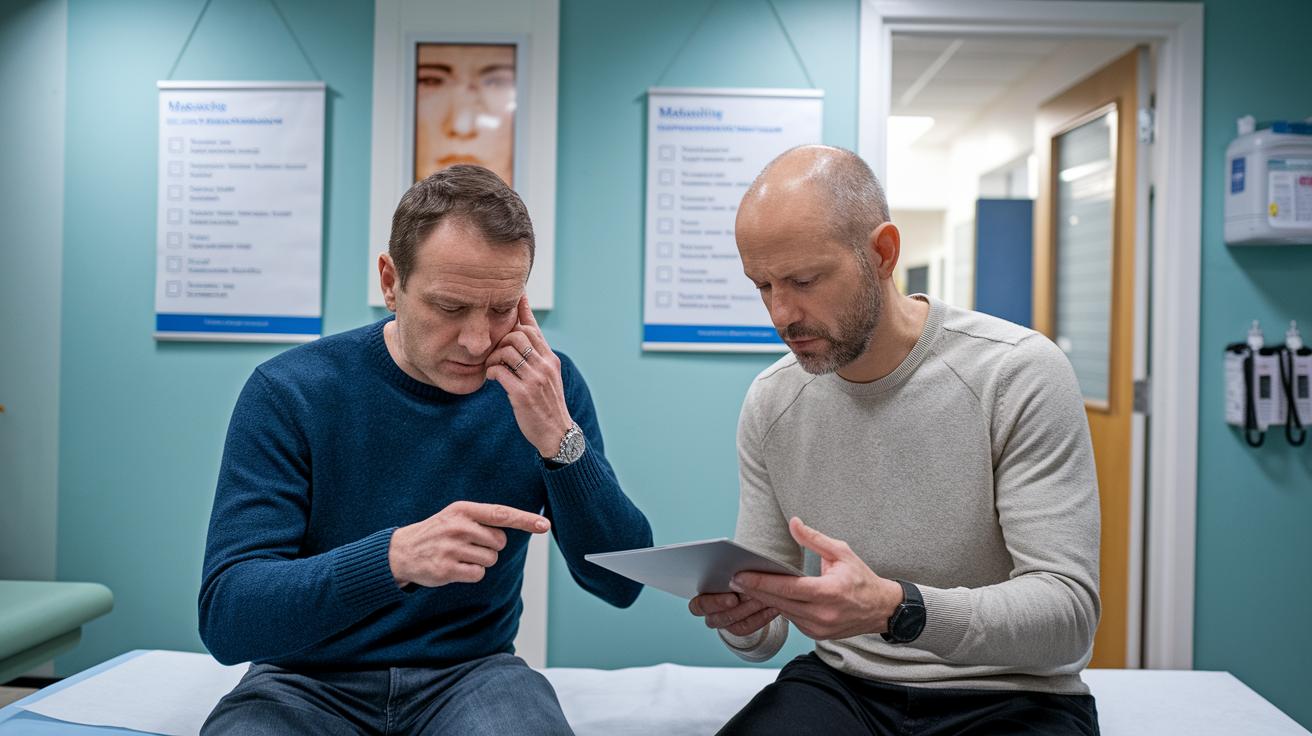
Your doctor will start by asking about your symptoms. They will review your health history and talk about when your headache began, how often it occurs, and what seems to make it better or worse. They may ask, "What were you doing when it started?" This discussion helps decide if your headache fits a familiar pattern that usually responds to everyday treatments.
Next, your provider will do a physical exam. They will perform a basic neurological exam (testing your brain and nerves), check your vital signs like pulse and blood pressure, and look for any red flags (for example, changes in vision or coordination). This step rules out more serious conditions that may mimic a common headache.
After the exam, your doctor records your headache type using ICD-10 codes. Codes such as G44.209 (for tension-type headaches) and G43.909 (for untreated migraines) help guide treatment and ensure everyone on your healthcare team understands your condition.
Treatment Options for Non Intractable Headaches
Quick take: Taking action at the first sign of a headache can help you recover quickly.
If you experience sudden, very strong pain, confusion, weakness, or trouble speaking, call emergency services right away.
Many headaches that are not severe respond well when you treat them early. Using a mix of easy-to-find medicines, a few prescription drugs, and simple daily habits often helps ease pain fast.
Acute Pharmacological Treatments
At first, try over-the-counter pain relievers. You can take medicines like ibuprofen (400–600 mg) or naproxen (500–550 mg) to lessen pain. Acetaminophen is another choice. Follow the label directions exactly. Taking these drugs as soon as you feel a headache may help you feel better sooner. Use the smallest dose that works and note how you feel so you can share details with your healthcare provider later.
Prescription Medication Options
When over-the-counter options do not help enough, your doctor might suggest prescription treatments. Medicines such as triptans (for example, sumatriptan at 50–100 mg) can relieve pain when taken early. Sometimes your doctor may add anti-nausea medicine if you feel sick with your headache. Always talk with your doctor to choose the best mix of treatments for your health and headache pattern.
Lifestyle and Non-Pharmacological Measures
Medicine is only part of the solution. Simple changes in your daily routine help a lot. Aim for 7–9 hours of good sleep to reduce headache weathers. Drink plenty of water and try stress-relief exercises like deep breathing or muscle relaxation. Paying attention to known headache triggers in your daily life may lower the chances of headache attacks. Combining the right medicines with a healthy lifestyle often makes managing headaches simple and effective.
Prevention and Lifestyle Management of Non Intractable Headaches

Quick take: Healthy sleep, hydration, diet, and stress relief can help reduce your headaches.
Triage:
- Call emergency services now if you have a severe headache with confusion, blurred vision, or weakness.
- Seek same-day medical care if your headache worsens or lasts more than 3 days.
- Monitor your symptoms and keep a headache diary for your clinician.
Aim for 7-9 hours of sleep each night. A good night's rest supports your body and may lessen headache frequency. Drink water throughout the day to stay well hydrated.
Watch your diet. Cut down on caffeine and alcohol and steer clear of tobacco. These changes help you stay hydrated and avoid common headache triggers.
Ease your stress with simple techniques. Try deep breathing or progressive muscle relaxation (a method that eases muscle tension). These exercises help calm your body and mind.
Keep a headache log. Write down when your headaches occur, how strong they feel, and any foods or events before they start. This record can help you spot triggers and adjust your daily routine.
Recognizing When to Seek Further Evaluation for Non Intractable Headache
Quick take: If your headache lasts over 24 hours or happens many times in a month, have it checked out.
Triage Box:
| Emergency Signs | Urgent Concerns | Self-Care Steps |
|---|---|---|
|
• Sudden vision changes • Weakness or numbness • Trouble speaking |
• Recent head injury or concussion • Signs of stroke |
• Track headaches in a diary • Record date, time, duration, and triggers |
If your headache keeps coming back or lasts longer than 24 hours, it may be time to review your treatment plan. Watch for signs like new vision problems, weakness, or trouble speaking. Overusing headache medicine can also lead to rebound headaches that worsen your pain.
When you see these warning signs or your headache does not improve with regular treatment, contact your doctor as soon as possible. Keeping a diary with details such as the date, time, how long the headache lasts, and any triggers you notice will help your clinician decide if you need more tests or a referral to a specialist.
Stay safe and seek help when these red flags appear.
Final Words
In the action, we explored non intractable headache by defining its key characteristics, reviewing common symptoms, distinguishing it from intractable forms, and outlining diagnosis steps. We discussed treatment options, from over-the-counter medications to lifestyle measures, and highlighted prevention tactics to reduce recurring episodes.
This guide offers clear, trustworthy tips to help you decide when to act, monitor your condition, and know when to seek care. Stay positive and confident in managing your non intractable headache.
FAQ
What is a non-intractable headache and how does it differ from an intractable headache?
A non-intractable headache responds predictably to medications and lifestyle changes, often lasting 4–72 hours untreated, while an intractable headache remains resistant to standard treatments and requires specialized care.
What is an acute non-intractable headache or episodic headache?
An acute non-intractable headache is a sudden onset headache that responds to treatment. Episodic headaches occur less than 15 days per month, are not refractory, and typically resolve within 4–72 hours.
What causes tension headaches and how can I relieve them?
Tension headaches often result from stress, poor posture, or eye strain, producing a dull, pressing pain that usually affects the forehead and surrounding areas. Relief can come from rest, OTC pain relievers, and relaxation techniques.
Where do headaches triggered by emotional stress typically occur?
Headaches from emotional stress often appear in the forehead, temples, or the back of the head, and are usually described as a tightening or pressure-like sensation.
What does “migraine unspecified not intractable” mean?
“Migraine unspecified not intractable” refers to a migraine that is responsive to typical treatments and does not meet criteria for being resistant to therapy, usually following a predictable duration and pattern.