

Quick take: Emergency teams act fast to protect you during a crisis.
If you or someone near you is in a crisis, call emergency services immediately if you see signs of danger.
When trouble hits, a fire, storm, or sudden threat, trained teams move quickly. They work like a well-tuned machine. Each member plays a clear role, from giving medical care to keeping communication strong. Their careful planning and quick work help save lives and keep order.
These teams are there to bring relief when you need it most. Their clear steps and strong leadership make all the difference in hard moments.
Emergency Response Team Sparks Rapid Relief
Emergency response teams are groups that step in during a crisis. They follow clear rules and have set roles to keep things under control. People from areas like leadership, facilities, IT, HR, operations, safety, communications, and medical care work in these teams. Their main job is to protect people and property. They plan for many types of problems. For example, an ERT might quickly gather to manage a sudden fire and guide everyone out safely.
Unlike staff who have daily emergency duties, Community Emergency Response Teams (CERTs) are made up of local volunteers. These volunteers add extra help when disasters hit. They train from time to time to support the work of full-time emergency staff. This clear split of roles builds a strong, layered network that helps the whole community stay safe.
Core Roles and Command Structure in an Emergency Response Team
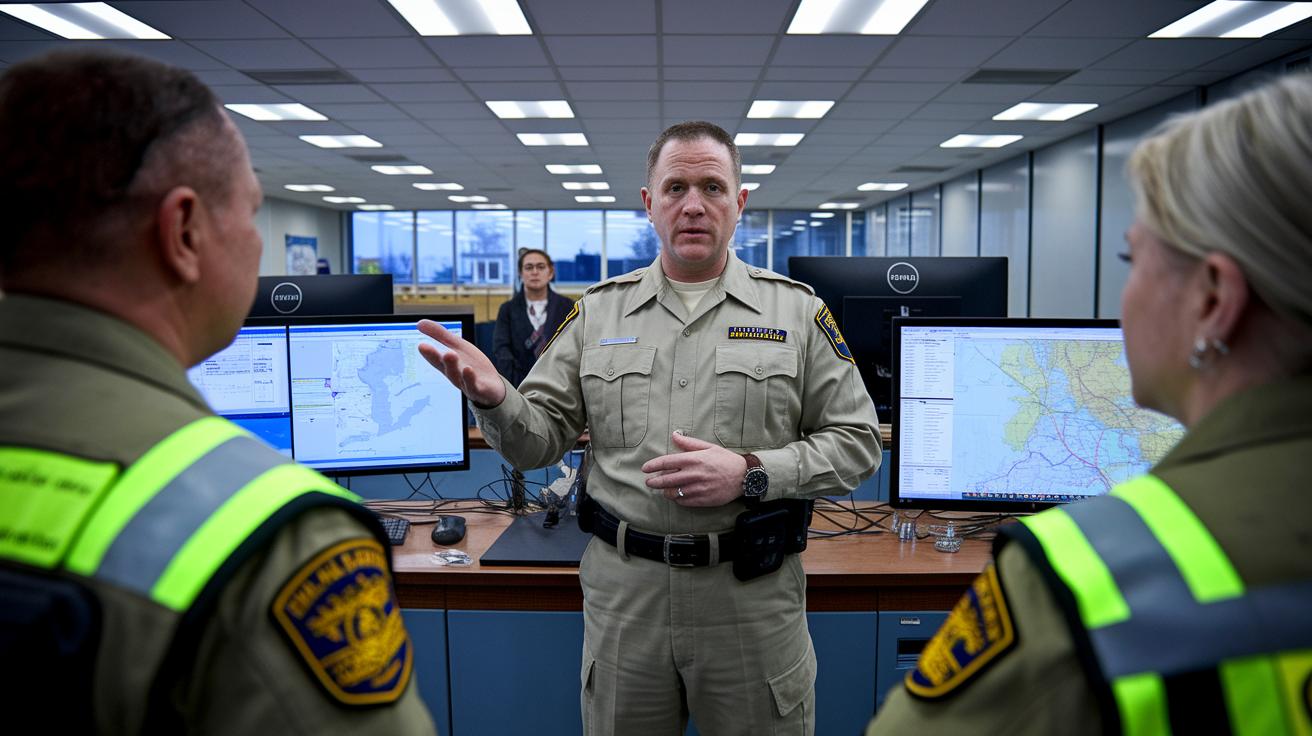
When trouble strikes, a clear chain of command makes all the difference. The Incident Commander sets the overall plan, while each coordinator focuses on a key area of the response. Local government fills over half of these roles, showing its importance in managing emergencies. Recent job postings highlight a strong need for emergency service directors and management specialists. They look for skills such as emergency management, being prepared for a crisis, FEMA (Federal Emergency Management Agency) knowledge, proficiency with the Incident Command System (ICS), and project management.
| Role | Responsibility |
|---|---|
| Incident Commander | Sets the overall response plan |
| Operations Coordinator | Handles tasks on the scene |
| Logistics Coordinator | Manages supplies, transport, and resource distribution |
| Planning Coordinator | Prepares plans for changing situations |
| Communications Coordinator | Sends clear and consistent messages |
| Safety Officer | Watches conditions to keep everyone safe |
| Emergency Management Specialist | Brings expertise in planning and following rules |
Each role works closely with the others to form a steady command structure. The Incident Commander leads and coordinates the team, while the specialists ensure that every vital part of the response is handled well. This clear and organized framework helps the team move fast and plan ahead, making sure everyone stays safe during a crisis.
Training, Certification, and Simulation for Effective Emergency Response Teams
Emergency response teams take courses like FEMA training and ICS credentials (a system for managing emergencies) to build the skills needed for quick, safe action during crises. Many professionals find these courses prove they are ready to handle emergencies. Some team members say ICS training gave them the clear tools to make vital decisions under stress. Certification makes sure every person on the team knows exactly what to do when lives and property are at risk.
Many responders also study through academic programs to boost their on-the-job training. For example, Franklin University offers more than 50 online programs at the bachelor’s, master’s, and doctoral levels that focus on disaster management, emergency response planning, and crisis leadership. These flexible courses help you balance work and learning while opening doors to new career opportunities.
Hands-on simulation exercises are essential for improving response skills. In these drills, teams rehearse real emergency scenarios to test their plans and find weaknesses. One simulation even uncovered gaps in communication that were quickly fixed using updated checklists and role-based practices. Regular drills help teams adjust in real time so that when the unexpected happens, every member is ready to act fast and safely.
Operational Protocols and Procedures for Emergency Response Teams
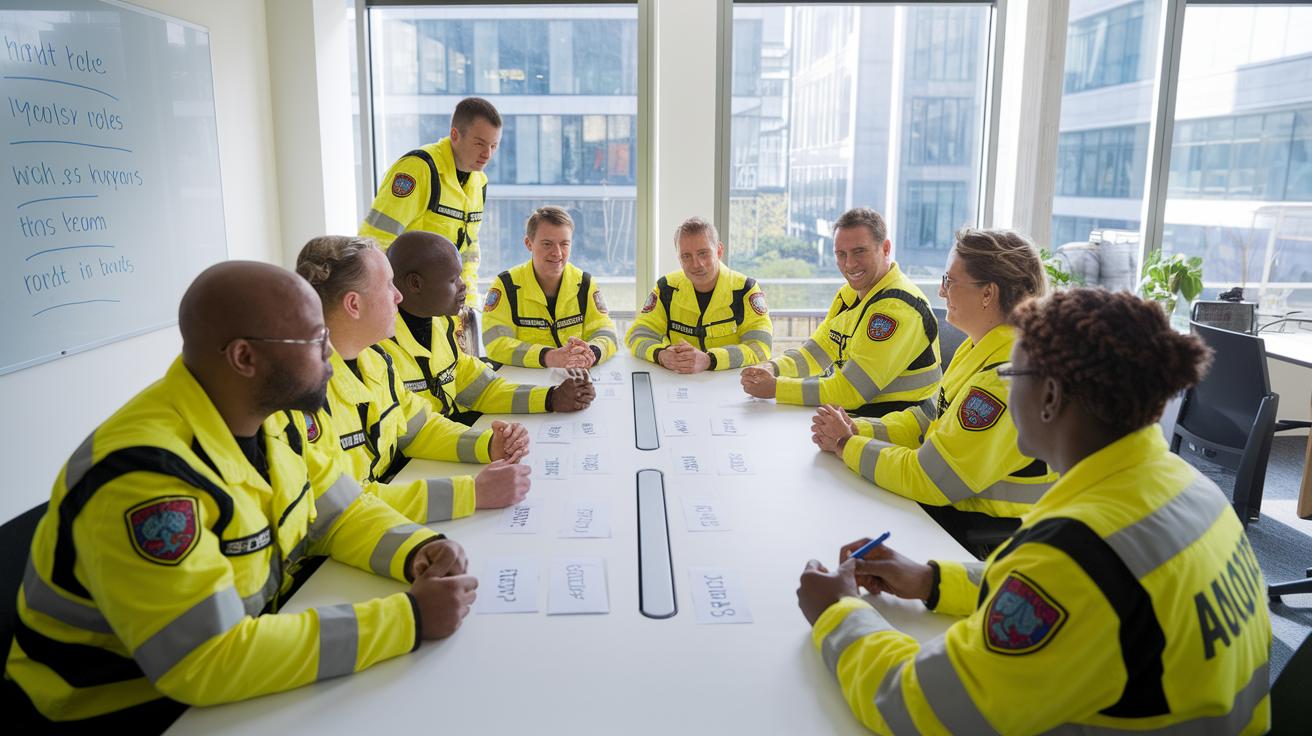
Quick take: This guide helps you set up a strong team and clear steps so you can act fast when a crisis happens.
If you have any of these emergency signs, call your team leader immediately:
• The designated Incident Commander is not present.
• No one knows what their role is.
• The digital tracking system is offline.
Your emergency plan works best when you choose the right people. Pick team members who know operations, planning, logistics, and communications. When everyone has a clear role, the team can act quickly with fewer mistakes.
Use an Incident Command System (a way to clearly assign roles) to help everyone know what to do. Digital tools like mobile apps and checklists let you monitor tasks, assign duties, and make fast decisions. Here’s what to do when an emergency starts:
- Call the Incident Commander to take overall control.
- Assign roles for operations, logistics, planning, and communications.
- Start digital tracking with a real-time task management tool.
- Follow your set escalation steps and triage methods.
- Hold a quick status meeting to review and adjust your actions.
These steps help your team work smoothly. They let you start immediate actions and change plans as you get new information. A clear plan reduces delays and stops confusion right when you need to act.
Digital Tools for Task Management
Mobile apps and software dashboards update tasks in real time. They let you assign, change, and track tasks across all team areas. This way, you see live progress and can quickly shift resources if needed.
Structured Checklists and Status Briefings
Use ready-made checklists to ensure every step is completed during a crisis. Hold regular briefings to keep everyone in the loop. These simple steps build accountability and make sure every critical task gets done when it counts.
Coordination and Communication Strategies in Emergency Response Teams
Working together well can boost your emergency team when time is short. When you partner with outside first responders, local officials, and nearby regions, you form a united team all aiming for one clear goal. Sharing details and planning roles ahead of time stops confusion and wasted effort. With many groups working together, shelters, nonprofits, and community services back up the professionals by adding extra help during long emergencies.
A reliable communication system is key in a fast-changing emergency. Using tools that work together, like radios, digital networks, and repeaters, and following FEMA and Incident Command System guidelines, helps keep everyone connected. A good plan cuts delays and avoids mix-ups when a crisis hits. Setting clear channels and backup plans keeps your team in touch even if the main lines go down. After a drill, one team member said that a solid communication plan made quick decisions feel more manageable.
Regular drills help test and improve these ways of working together. Real exercises that include every agency let teams practice with digital tools and checklists. During these practices, everyone learns to shift resources quickly, handle fast updates, and respond as one. Scheduled drills show where improvements are needed and build trust between different groups, so everyone is ready to work together smoothly when an emergency happens.
Equipment, Logistics Planning, and Resource Management for Response Teams
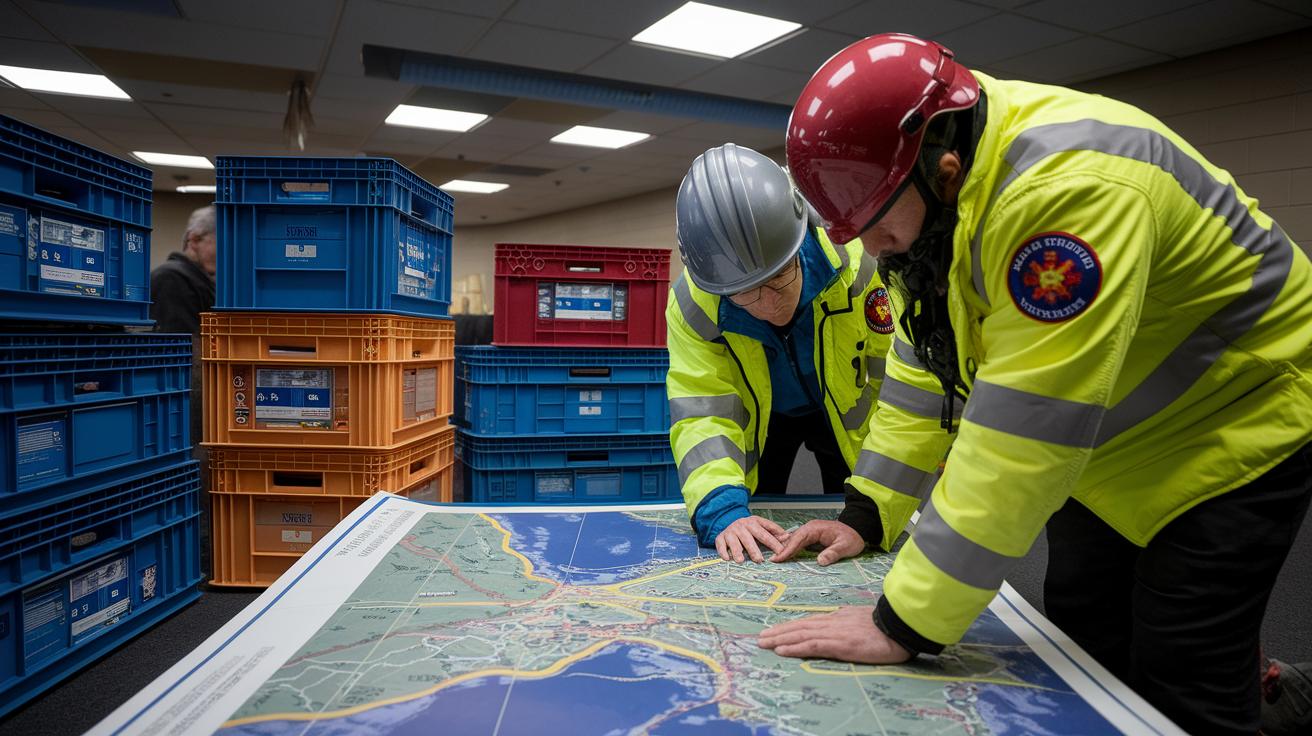
Quick take: Good planning connects supplies, transportation, and staff to match the incident’s needs.
When you plan for emergencies, you want to match your supplies, transport, and team to the type and size of the event. In an emergency, people in the Incident Command System (ICS) make sure every link works together. They manage supplies and send out the right number of helpers quickly. Think of it like dominoes falling, each piece must be in place to keep things moving fast.
For example, one team leader said, "We kept response kits at set spots so we had the gear ready before the storm hit." By placing kits in advance and having firm plans with vendors, you help your team get moving quickly and keep operations running smoothly.
It’s not just about having the right gear. You must also balance the number of staff with the supplies on hand. Follow a simple checklist to count your supplies and team members so nothing is missed:
- Check available supplies.
- Verify transport options.
- Confirm staffing and roles.
Quick reviews of resource levels and fast adjustments are key. These steps boost readiness and ensure a speedy, organized response when every minute counts.
Final Words
In the action, our guide shows how clear roles and smart planning keep emergency response teams ready during crises. We broke down command structures, training steps, and digital tools that ease task management and communication.
Quick checklists and protocols help you know when to act and when to monitor symptoms. This information empowers you to face emergencies with calm assurance.
Staying informed and prepared means you're working with an emergency response team that keeps safety and control at the forefront.
FAQ
What is the Emergency Response Team?
The emergency response team is a group dedicated to managing crises with established protocols and defined roles. They work to safeguard lives and property during emergencies by quickly assessing and mitigating risks.
What are the typical roles and responsibilities of an Emergency Response Team?
The typical roles and responsibilities include incident command, operations oversight, planning, logistics, and communication coordination. These roles work together to manage risks and respond effectively during a crisis.
Who are the members of an Emergency Response Team?
The members range from leadership and operations experts to specialists in safety, communications, and medical services. Volunteer community groups also support professionals during emergencies.
What training do Emergency Response Teams undergo?
The training includes certification courses, simulation drills, and obtaining FEMA-approved and Incident Command System credentials. This preparation equips members to handle diverse crisis situations.
What types of jobs are available on an Emergency Response Team?
Jobs on an emergency response team include roles such as Incident Commander, logistics coordinator, and emergency management specialist. These positions require specialized training, certifications, and practical crisis response experience.
Where can I find a Community Emergency Response Team near me?
A community emergency response team can be found through your local government or emergency management office. Check official websites or community centers for information on nearby volunteer groups that assist during emergencies.
What is the Emergency Response Team phone number?
The Emergency Response Team phone number varies by organization and location. It is best to verify the proper contact information through your local emergency management office or official agency website.