


Quick take: A small ache can be an early sign of changes that may need attention.
Have you ever noticed a tiny ache and wondered if it might hint at a bigger issue later? Even subtle symptoms that seem like minor annoyances can be early clues about changes in your health that you shouldn’t ignore. Doctors use symptom indexes to turn these small signals into clear scores that help track your overall well-being. By paying close attention and recording these tiny signs, you add an extra tool to stay on top of your health and make quick decisions if your treatment needs to change.
Identifying Subtle Symptoms: An Overview of Symptom Indexes
Quick take: Symptom indexes help you catch small health shifts early.
Triage Box:
• Emergency: No urgent danger signs here.
• Urgent: If you notice these minor signs suddenly worsening or new symptoms appearing, seek same-day advice from your clinician.
• Watch and self-manage: Track any changes and follow up with your provider if the signs persist or change.
Symptom indexes are simple tools that turn little health clues into clear scores. They capture small signals that might be missed during a regular check-up. Clinicians use these scores to note tiny changes that may need extra attention.
Using these indexes is important because missing small signs can lower your quality of life, limit your daily activities, and make you feel less sure about your care. By turning subtle signals into numbers, healthcare teams can spot early hints of problems and rule out conditions before they get worse.
Benefits of Symptom Indexes:
| Benefit | Description |
|---|---|
| Standardized Records | Keeps track of weak signs clearly. |
| Early Pattern Spotting | Helps spot emerging issues early on. |
| Data-Driven Decisions | Supports clear choices based on measurable data. |
| Ongoing Monitoring | Makes it easier to watch small changes over time. |
| Early Alerts | Signals early warnings so you can act quickly. |
When health professionals use these indexes day to day, they get a better picture of how your condition might be shifting. This method makes it simple for both you and your clinician to see trends and adjust treatment as needed. Recognizing even a small symptom is a step toward getting care early and staying on top of your health.
Key Principles of Diagnostic Index Methodology in Subtle Symptom Detection

These methods sort what you feel (symptoms) from what your body shows (signs). They use special, tested tools to pick up even the smallest signals. Each tiny change, like a slight shift in mood or a small feeling of unease, is counted by how often it happens and how strong it is. This turns your feelings into clear numbers that doctors can track over time.
Making sure these tools are accurate is very important. Each test is checked many times to be sure it measures what it should. This process makes sure that what you report matches the body's signs. Regular checks help confirm that the measurements stay reliable over time and for different people. Even the smallest changes are recorded properly, so doctors can catch early signs of a problem.
Looking at many factors together helps build a full picture of your health. Information from what you feel, your body measurements, and clinical checks comes together to give a clear view. This approach shows that even small symptoms are part of a bigger, measurable plan. It helps guide safe and targeted treatment decisions.
Structure and Metrics of the Brief Symptom Inventory Symptom Index
The Brief Symptom Inventory (BSI) is a 53-item self-report tool designed to quickly assess how strong your symptoms are on a simple 0 to 4 scale. In about 10–15 minutes, it helps spot even minor shifts in mental health. Doctors use it to check for small signs that might point to changes in your emotional state.
Nine Primary Symptom Dimensions
The BSI groups signs of mental health into nine main areas, such as depression, anxiety, and sensitivity in social interactions. You answer questions about everyday feelings like slight sadness or nervousness, building an overall picture of your state. Each question is placed in a way that even mild feelings, when added together, show a clear pattern that your doctor can use to guide further care.
Three Global Indices of Distress
Aside from the nine main areas, the BSI gives three overall scores that tell a broad story about your distress. The Global Severity Index (GSI) adds up all the symptom scores and is very reliable (above 0.85). The Positive Symptom Total (PST) counts how many questions you marked above zero. The Positive Symptom Distress Index (PSDI) shows how intense your symptoms are. Together, these scores help your care provider recognize even small changes that might need attention.
| Index Component | Items | Completion Time | Reliability/Validity |
|---|---|---|---|
| Global Severity Index | 53 | 10–15 minutes | >0.85 reliability |
| BSI-18 | 18 | Short form | Validity correlations up to 0.96 |
| Total BSI | 53 | 10–15 minutes | Comprehensive assessment |
Early Symptom Detection Strategies and Screening Protocols for Minor Health Cues

Catching small changes in your health early can really change how your care goes. Often, symptoms appear in groups, with four common clusters seen during routine checks. Ask your family, friends, or care partners to note even the lightest changes. These small signs can help your doctor adjust treatments before problems get worse. Regular check-ups using clear screening steps are a smart way to catch changes that might otherwise fly under the radar.
Using simple methods in everyday care improves how we spot issues. Checklists and digital records help track even tiny signals over time. These tools connect small skin-deep cues with what your doctor finds during exams, giving a full picture of your health. When everyone, from your doctor to your loved ones, keeps an eye out, even minor hints aren’t missed. This cooperative approach leads to timely care and stronger, clearer treatment decisions.
- Follow regular screening steps at set times
- Use checklists to record slight changes
- Teach care partners how to spot and note small shifts
- Use tools that examine groups of symptoms
- Rely on digital tracking for real-time updates
Case Study on Symptom Index Tracking Systems for Vague Symptom Signs in Clinical Practice
A recent case involved a 35-year-old client who noticed mild distress signals over several weeks. They mentioned small mood shifts and occasional anxious feelings that were not severe. The Brief Symptom Inventory (BSI), a tool that measures emotional strain, recorded these subtle signs. This case shows how tracking early warning markers can guide better care.
Clinicians used the BSI to monitor the client over a 3-month period. Regular check-ups picked up small changes in symptom levels. The care team then adjusted therapy based on clear numbers from the BSI, which helped them respond quickly as the client’s condition changed. This consistent monitoring was key to matching treatment with the client’s evolving needs.
Within three months, the client showed measurable improvement. The BSI scores steadily dropped, which went along with a better mood and higher satisfaction with the care received. This case underscores the value of symptom tracking tools and how early detection can shape more effective treatment plans.
Integrating Medical Assessment Protocols with Symptom Indexes in Healthcare Systems
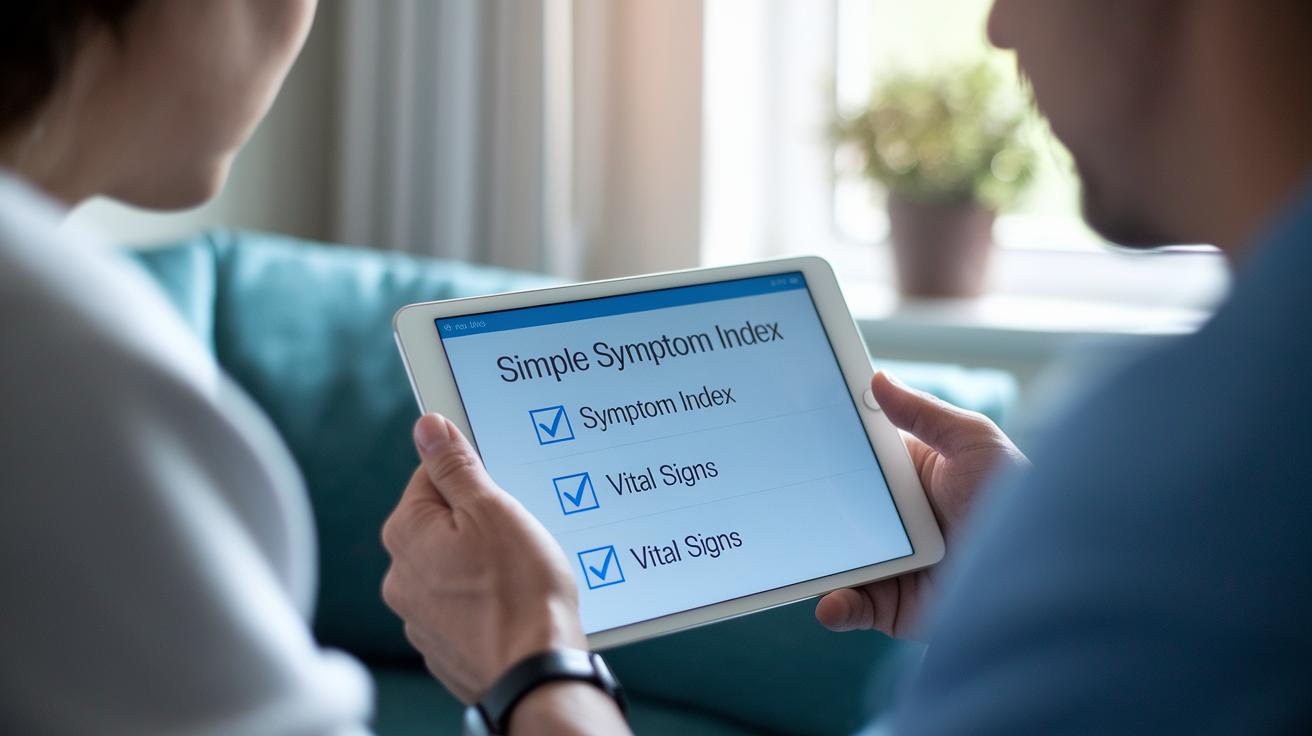
Quick take: Adding simple checklists and digital forms into routine care helps you catch small changes in real time.
If you notice a sudden drop in key health numbers like heart rate or temperature, call emergency services now. If you see small, consistent shifts in your data, let your clinician know right away. Otherwise, keep using your checklist to track your progress.
Start by clearly explaining the symptom index (a simple list that tracks what you feel) to patients. This helps them see how self-reported signs work together with objective measures such as vital signs. Using a basic checklist or digital questionnaire during check-in and follow-up visits lets your team spot even tiny changes as they happen. This simple step can lead to smoother, more integrated care.
Next, use clear tools to keep every record the same. Choose easy-to-follow templates and structured digital forms. Check these forms regularly against set standards so you can easily compare results over time. This steady method builds a solid base for spotting small shifts that might matter for your health.
Finally, keep your system fresh. Regularly review index scores, retrain staff, and update digital tracking tools based on what you learn.
Final Words
In the action, you explored ways to track subtle symptoms using symptom indexes. The guide broke down how indexes standardize documentation and help you spot early warning signs. It covered key principles in diagnostic methods and detailed how tools like the Brief Symptom Inventory work to record faint signals. This overview of symptom indexes shows you clear steps to monitor and prepare vital health information for your clinician. Stay engaged with your health and keep tracking these subtle symptoms for better overall insights and care.
FAQ
What are index symptoms?
The term index symptoms refers to early, often subtle signs that help track health changes over time. They act as standardized markers, allowing clinicians to detect issues early and guide further testing.
What symptoms should you never ignore?
Certain symptoms, like sudden severe pain or difficulty breathing, should never be overlooked as they may signal an emergency. Immediate evaluation ensures you receive safe and timely care.
What are 5 examples of symptoms?
Examples of symptoms include mild aches, slight dizziness, low-grade fever, subtle mood changes, and occasional fatigue. These cues help signal potential health issues requiring further monitoring.
How to identify signs and symptoms?
Identifying signs and symptoms starts with noticing your body’s changes. Use clear checklists and recording methods to capture even faint signals, supporting proactive and timely health assessments.