
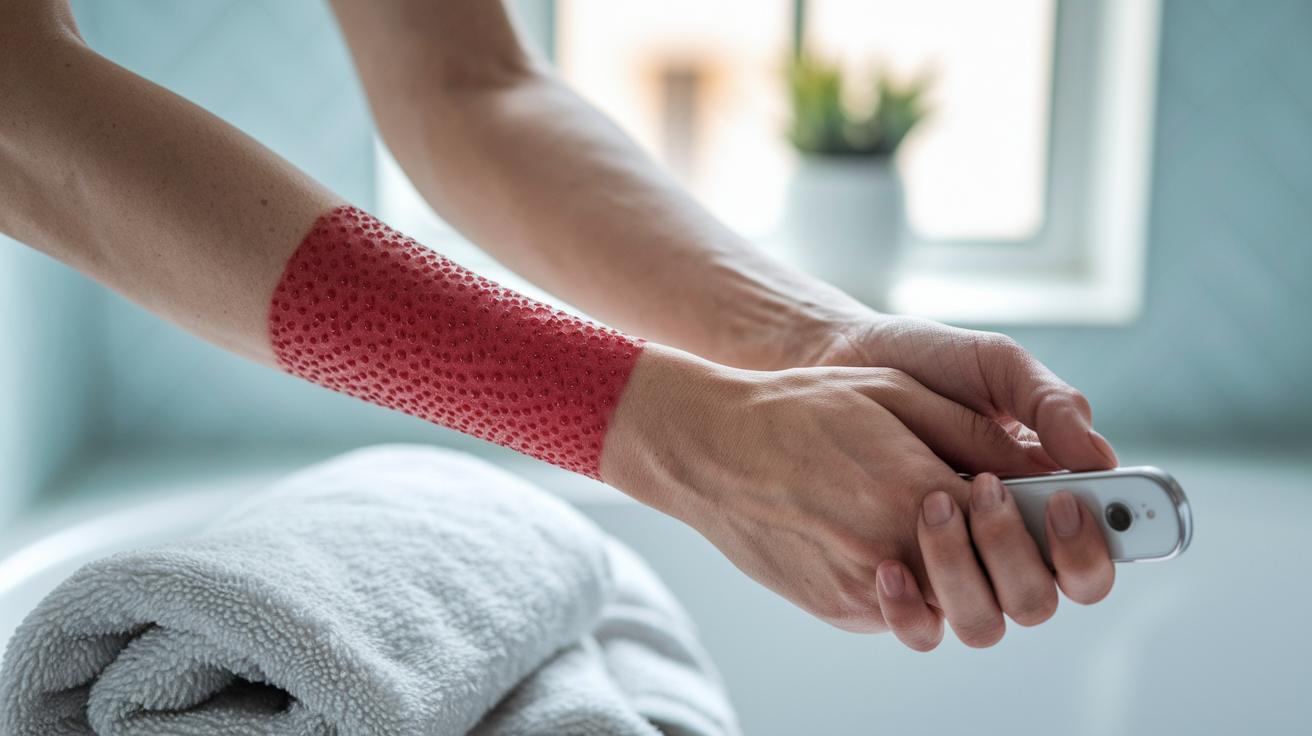

Quick take: Most small, itchy bumps are harmless, but a fast-spreading rash or severe discomfort may need urgent care.
If you have any of these signs, call emergency services now:
• Rapid rash spread
• Severe pain or swelling
• Fever or chills
Many people notice red, bumpy rashes and worry they might be serious. You’re not alone. Often, a tiny itchy bump is just a minor irritation. This article explains common causes behind these skin flares and gives you practical tips to soothe your skin.
These rashes can be caused by allergies, insect bites, or irritation. Sometimes they may need medical attention if they worsen or come with other symptoms. Keep an eye on how your skin feels, and note any changes.
Try these steps at home:
• Gently clean the area.
• Avoid scratching to prevent infection.
• Use a cool, damp cloth to ease itching.
Record any changes in size, color, or discomfort, and reach out to your doctor if the rash grows or you develop new symptoms.
Stay calm and take action as needed. Your well-being is our top priority.
Understanding Itchy Skin Rashes with Bumps: Definition and Key Facts
Quick take: Itchy, bumpy rashes can be harmless or signal a bigger problem. Check for warning signs and act accordingly.
If you see any of these red flags, call emergency services right away:
- Difficulty breathing or swallowing
- Swelling around your face or throat
- A high fever (102°F or more)
- A rash that spreads very fast
If you have these urgent concerns, seek same-day medical help:
- Rash covering a large area or causing severe pain
- Rash with intense, disruptive itching
For basic self-care:
- Monitor your skin and note any changes
- Use gentle skin care and avoid harsh products
A rash is an area where your skin becomes irritated or swollen. It can look bumpy, blotchy, or even scaly. Sometimes, you might see a red, bumpy patch or an itchy spot that really bothers you. Many times, these rashes clear up on their own, but they can also be a sign that something isn’t right.
There are many reasons you might develop a bumpy, itchy rash. In fact, we know of over 20 causes. Some common reasons include infections (germs that make you sick), allergic reactions (your body’s response to things like certain plants or chemicals), autoimmune disorders (where your immune system attacks your own body), and irritants from your surroundings. While many rashes are mild and go away, others might need special treatment depending on what is causing them.
Keep a close eye on your skin. Even a small red bump could be just a minor irritation or a clue that there’s something more serious happening. Noticing changes early can help you decide when to seek care and find the right relief.
Common Causes of Itchy Skin Rashes with Bumps
Quick take: Itchy, bumpy skin can come from many causes. If you have trouble breathing, severe swelling, or rapid spread of the rash, call emergency services now.
If you feel any of these emergency signs, call emergency services immediately:
- Trouble breathing or shortness of breath
- Swelling of the face, tongue, or throat
- Intense pain or rapid worsening of the rash
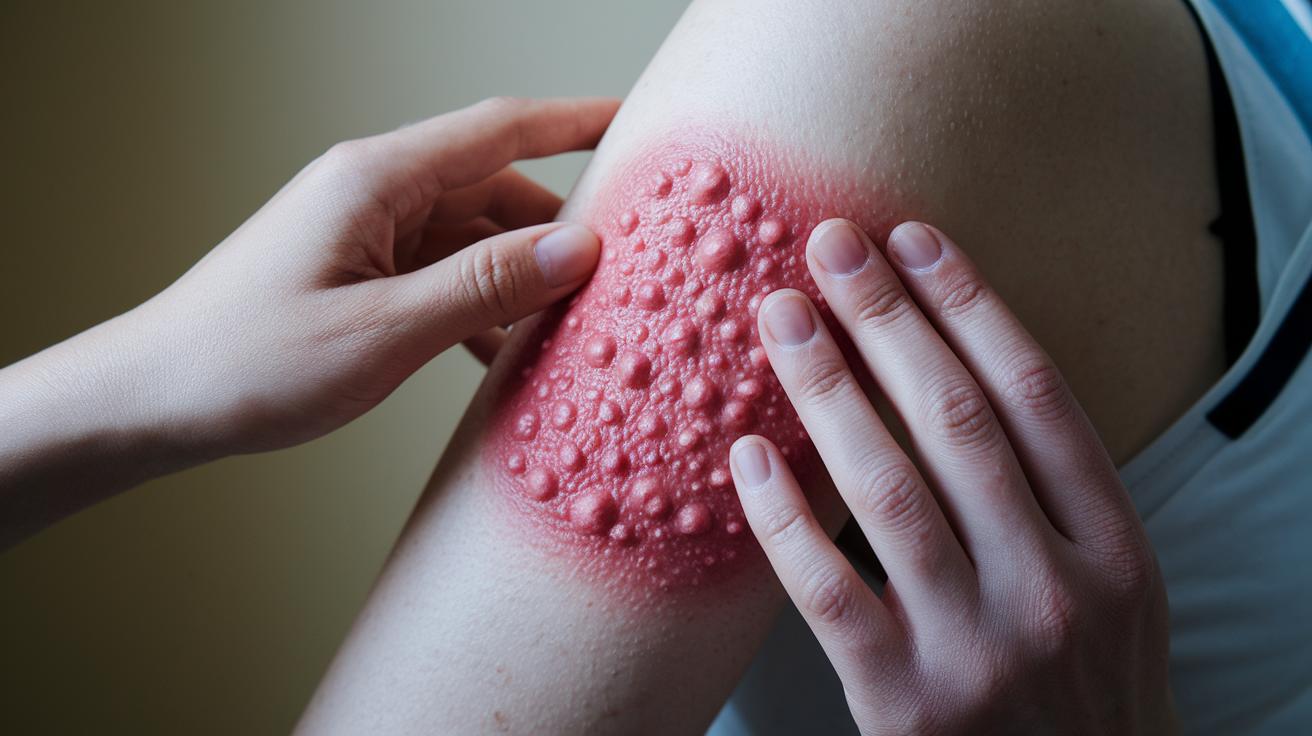
Hives happen when your body releases histamines (chemicals that cause swelling). These red, raised bumps appear suddenly and can itch a lot. They are often triggered by things you eat, medications, or things in your environment.
Keratosis pilaris occurs when a protein called keratin builds up and blocks hair follicles. This usually causes small, rough bumps on your arms and back that can itch.
Eczema makes your skin inflamed, red, and flaky. It affects many children (about 20%) and some adults (around 2%). Though it is very uncomfortable, it is typically not dangerous.
Psoriasis is a long-term condition in which the immune system speeds up skin cell growth. This leads to red patches with silvery scales and bumps. Because it can look like other skin issues, it is important to pay attention to its pattern and location.
Heat rash occurs when sweat ducts get blocked in hot weather, creating red, itchy bumps. Insect bites, like those from bedbugs, can also leave red welts that irritate your skin.
Viral infections such as chickenpox produce clusters of itchy blisters that eventually scab over. While some rashes are harmless, others need close watching. If your symptoms worsen or you feel very uncomfortable, track your signs and consult a clinician.
Identifying and Differentiating Bumpy Itchy Rashes
Quick take: Bumpy, itchy rashes can come from allergies, infections, or other skin issues.
Triage Box:
• If you have any of these emergency signs, call emergency services immediately:
- Blisters near your eyes, mouth, or genitals.
- A high fever above 100°F.
• If the rash is very painful, spreads fast, or comes with joint pain, seek same-day care.
• Otherwise, monitor your rash, note any changes, and follow basic self-care until you can speak with a clinician.
Rashes show up in many ways. You might see bumps, blisters, or round shapes. When you press a rash and it turns lighter (blanches), it often suggests an allergic reaction like hives. Blistering rashes, especially near sensitive areas, need prompt professional review. A fever with a rash may mean your body is fighting an infection, and joint pain along with the rash could point to an autoimmune issue (your immune system may be attacking your own body). Rashes that appear in skin folds might be caused by fungal infections.
Noticing specific patterns such as a circular or bull’s-eye shape can help you understand if Lyme disease (a tick bite infection) might be the cause.
| Condition | Appearance | Key Differentiator |
|---|---|---|
| Hives (urticaria) | Raised, red, often blanching welts | Rapid onset triggered by allergens |
| Keratosis Pilaris | Tiny, rough red bumps on arms or back | Due to keratin buildup; often non-severe |
| Chickenpox | Clusters of fluid-filled blisters that crust over | Accompanied by mild fever and itchiness |
| Lyme Disease Rash | Circular, bull’s-eye pattern that expands | Distinct pattern linked to tick bites |
| Heat Rash (miliaria) | Small red bumps in areas of trapped sweat | Occurs in hot, humid conditions |
| Psoriasis/Autoimmune | Red patches with raised, silvery scales | Often accompanied by joint pain and chronic inflammation |
Itchy Skin Rashes with Bumps: Enjoy Soothing Relief
Quick take: Mild skin rashes often come from irritation or allergies, but if your symptoms get worse, seek help.
If you have any of these emergency signs, call emergency services now:
- Rash that spreads quickly or covers a large area
- Severe pain or swelling
- Trouble breathing or swallowing
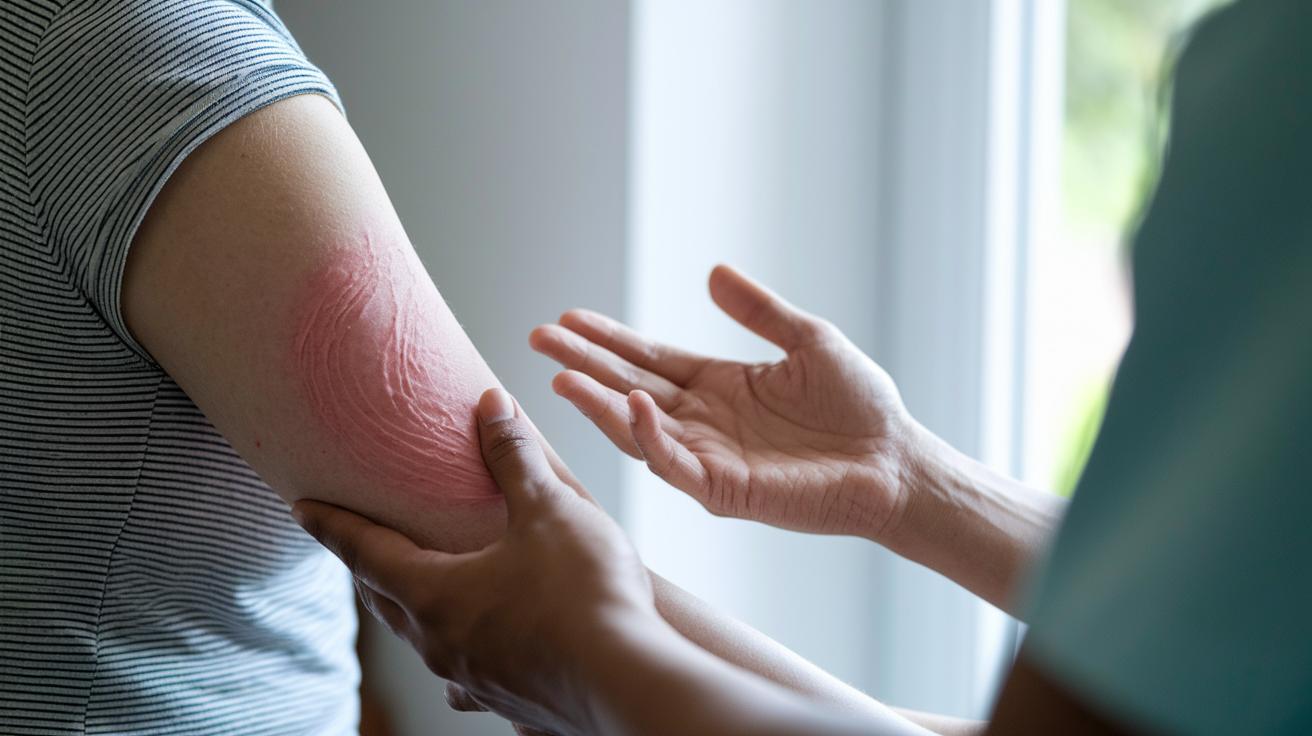
Common causes include mild allergic reactions, irritants, or a small infection. Here’s what you can do at home:
- Place a cool, damp cloth on the rash to ease itching and reduce swelling.
- Take an over-the-counter antihistamine like diphenhydramine (Benadryl) or loratadine (Claritin) to help block the signals that make you itch.
- Gently apply calamine lotion to calm the itchy skin.
- Use a 1% hydrocortisone cream to lower inflammation where you feel discomfort.
- Try an anti-hives cream with oatmeal or aloe vera. Many people find that a little dab of oatmeal cream can quickly ease a burning sensation.
- Enjoy an oatmeal bath or make a baking soda paste at home to relieve ongoing irritation.
- Keep the area clean, don’t scratch it, and choose loose, breathable clothes to prevent further irritation.
These steps may help manage your symptoms. Keep track of when the rash started and note any changes. If it spreads, becomes more painful, or you see other worrying signs, talk with your healthcare provider.
When to Seek Medical Care for Persistent Itchy Skin Rashes with Bumps
Quick take: Some rashes need urgent review when they spread fast, come with fever, or show pain in sensitive spots.
If you notice your rash covering large areas or spreading quickly, especially along with a temperature above 100°F, get medical help right away. These signs may mean an infection is setting in.
If the rash becomes painful or blisters form near your eyes, mouth, or private areas, it is important to see a doctor promptly. These changes can signal complications that need timely care.
If you also feel joint pain or see other worrisome changes, this could be a sign that your body is reacting strongly. Keep a simple record of when the symptoms started and how they progress. This information can help your provider decide the next steps.
If your rash lasts more than 1 week or worsens despite home care, be sure to consult your healthcare provider. Tracking dates and changes will guide your doctor in choosing further tests or treatments.
Prevention and Lifestyle Strategies to Reduce Itchy Skin Rashes with Bumps

Start by avoiding things you know upset your skin. Stay away from harsh soaps, certain plants, or chemicals that can trigger irritation. Use gentle, hypoallergenic skincare products (formulas made for sensitive skin) to keep your skin calm and lower the chance of a rash.
Keep your room cool and well-ventilated. A cool space helps stop heat rashes. Moisturize every day with fragrance-free lotion to strengthen your skin’s natural barrier. Drinking plenty of water also supports your skin and overall health.
You can help your skin by making small changes in your daily routine. Try these steps:
- Choose mild skincare products.
- Keep your home cool and airy.
- Moisturize with a fragrance-free lotion every day.
- Drink enough water throughout the day.
- Practice stress reduction, like deep breathing.
- Eat a balanced diet that includes omega-3 fatty acids.
- Keep an eye on seasonal factors such as pollen counts.
Making these simple lifestyle choices may lower your risk of new rashes and help control any ongoing irritation.
Final Words
In the action, this article breaks down itchy skin rashes with bumps by explaining what they are and outlining common causes. The post covers how to spot differences in rashes, home and over-the-counter remedies, when to seek medical care, and practical prevention strategies.
Each section gives clear, easy-to-follow steps to help you decide your next move. Stay proactive and keep monitoring your symptoms while using these tips for a healthier skin routine.
FAQ
Pictures of skin rashes
The pictures of skin rashes help you compare various appearances, such as color and texture, which aids in recognizing patterns that may require further evaluation.
Itchy bumps on skin that look like mosquito bites but aren’t
The description of itchy bumps resembling mosquito bites indicates skin reactions that can be from allergies, irritants, or insect bites. They may appear suddenly and resolve quickly.
When should I worry about a rash in adults?
The warning signs for a rash in adults include rapid spread, large body areas affected, or accompanying symptoms like fever and pain, which signal the need for prompt professional care.
What happens when an itchy rash spreads during scratching?
The itchy rash that spreads when scratched suggests that irritation is worsening the condition, often due to increased histamine release. Avoid scratching and use cool compresses to help calm the skin.
What are hives?
Hives are raised, red, and itchy welts caused by histamine release during allergic reactions or infections. They are usually treated with antihistamines to reduce inflammation and discomfort.
How do tiny, colorless, itchy bumps on the skin appear?
The tiny, colorless itchy bumps may develop from mild allergic responses or irritation from environmental factors like heat or stress, and they typically resolve with simple self-care measures.
Why is my skin itchy and has little bumps?
The condition of itchy skin with little bumps can signal allergies, insect bites, or mild skin conditions. Observing the triggers and persistence can help decide if a clinical evaluation is needed.
How should skin rashes in children be treated?
Treating skin rashes in children involves gentle care such as keeping the area clean, using soothing lotions like hydrocortisone or calamine, applying cool compresses, and consulting a pediatrician if the rash worsens.
How can I identify what rash I have?
Identifying a rash involves comparing its appearance—color, texture, distribution—and noting any accompanying symptoms. Using reference images and seeking a clinician’s assessment can guide proper diagnosis.
What do histamine bumps look like?
Histamine bumps usually appear as raised, red or pink welts that are itchy and may be swollen. Their appearance varies, and they generally improve with antihistamine treatment.