

Quick take: Several safe, fast-acting medicines can help ease your stomach cramps.
If you have any of these signs, call emergency services now:
• Severe pain that stops you from moving
• High fever or bloody stools
• Pain lasting more than 3 days without improvement
If your cramps aren’t that severe:
• Consider over-the-counter options like antacids (medicines that lower stomach acid) to ease the pain.
• Try simethicone (a medication that reduces gas) if you feel bloated.
• Prescription medicines are available if your pain doesn’t get better with simple treatments.
Stomach cramps can really slow you down. It might surprise you, but many common medicines work gently and quickly to calm the discomfort. Use these options as a guide to ease your symptoms. Keep track of your pain and any other signs you notice, and don’t hesitate to seek care if things worsen.
Leading Over-the-Counter and Prescription Options for Stomach Cramps
Quick take: Most stomach cramps can be eased with common medicines, but if your pain is very severe or your belly feels hard, call emergency services now.
If you have any of these emergency signs, call emergency services immediately:
- Sudden, very strong pain
- A stiff or rigid belly
For everyday cramps, you have several safe options. An antacid like sodium bicarbonate helps quickly by neutralizing extra acid in your stomach. Aluminum hydroxide works in a similar way to relieve fullness and gas. Milk of magnesia (magnesium hydroxide) cuts down acid and soothes pain and burning.
Simethicone helps break up gas bubbles in your gut to reduce bloating. If your symptoms last longer, omeprazole (a proton-pump inhibitor that lowers acid production) may help manage issues like gastritis, ulcers, or reflux. Cimetidine, an H₂ blocker (a type of medicine that stops acid from being made), reduces acid levels to ease ulcers and heartburn. Sucralfate coats irritated areas with a protective layer to help ulcers or inflamed spots heal. For ulcers linked to H. pylori infection, clarithromycin is used along with another acid reducer under a doctor’s care.
| Medicine | Type (OTC/Rx) | How It Works | Main Use |
|---|---|---|---|
| Sodium bicarbonate | OTC | Neutralizes stomach acid | Relieves heartburn and reflux |
| Aluminum hydroxide | OTC | Neutralizes acid | Eases fullness and gas |
| Milk of magnesia | OTC | Reduces acid | Soothes indigestion |
| Simethicone | OTC | Breaks up gas bubbles | Relieves bloating |
| Omeprazole | Rx | Lowers acid production | Helps with gastritis and ulcers |
| Cimetidine | Rx | Blocks acid receptors | Manages ulcers and heartburn |
| Sucralfate | Rx | Forms a protective barrier | Protects ulcerated areas |
| Clarithromycin | Rx | Fights H. pylori bacteria | Treats infection-driven ulcers |
Mechanism of Action: How Medicines Soothe Stomach Cramp Spasms
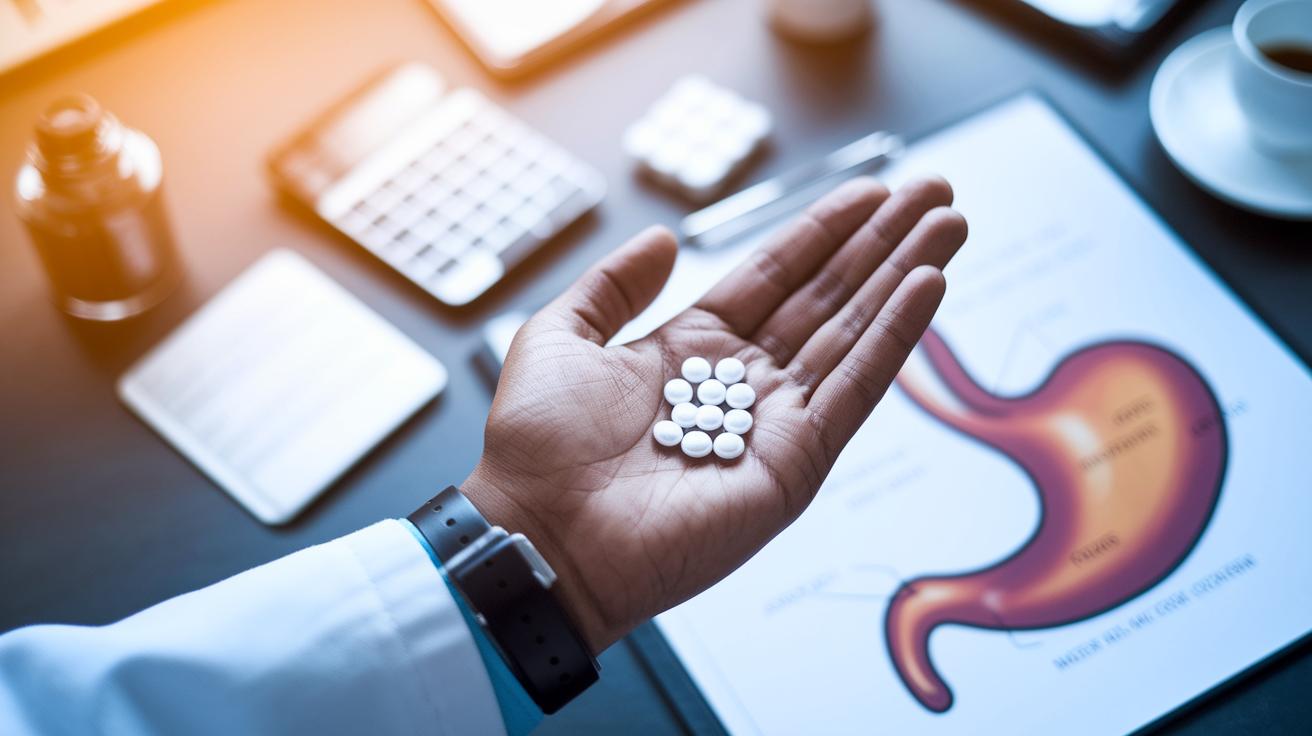
Antacids such as sodium bicarbonate, aluminum hydroxide, and milk of magnesia work by neutralizing stomach acid. This action eases irritation and stops the acid from sending signals that cause cramp-making muscle contractions.
Proton-pump inhibitors like omeprazole stop the acid pump (H⁺/K⁺ ATPase) in stomach cells. Meanwhile, H₂ blockers such as cimetidine attach to receptors that normally boost acid release. Both reduce acid production, which helps lower burning pain and muscle spasms.
Simethicone breaks up gas bubbles in the digestive tract. This eases pressure on the gut’s muscles and helps cramp pain settle down faster.
Sucralfate forms a protective coating on damaged stomach lining and may help promote healing. In addition, when clarithromycin is used with a proton-pump inhibitor, it fights H. pylori bacteria and cuts down inflammation that might trigger spasms.
Dosage Guidelines, Precautions, and Side Effects of Stomach Cramp Medicines
Quick take: When using stomach cramp medicines, follow labels closely and be alert for any changes.
Antacids like sodium bicarbonate, aluminum hydroxide, and milk of magnesia work fast to ease your stomach cramps for a short time. Use them only when you need them and stick to the instructions on the label. For instance, if it advises one dose every 4 hours, don’t take them more often. This helps you avoid electrolyte issues or taking too much.
Simethicone can also relieve gas-based discomfort. It is usually safe and has few side effects, making it a practical choice for reducing bloating and cramp pain.
For longer-term issues like ulcers or acid reflux, your doctor may prescribe medications such as omeprazole or cimetidine. These should be taken daily over several weeks. Always follow your prescribed plan and let your caregiver know if you notice any changes. When used for a long time, your doctor might also check for problems like poor nutrient absorption or liver issues.
Sucralfate helps ease gut distress by forming a protective barrier on your stomach lining. Take it before meals and allow at least 2 hours before you take any other medications. This separation is important so sucralfate doesn’t stick to other drugs and change how they work.
Clarithromycin is an antibiotic often combined with a proton-pump inhibitor. It is important to use this medicine with your provider’s guidance to manage risks like antibiotic resistance and unwanted side effects.
- Follow the label instructions closely.
- Watch for signs such as constipation, diarrhea, or headaches.
- Contact your healthcare provider if you need changes to your dose.
- Take sucralfate at least 2 hours apart from other medicines.
- Stick to the prescribed schedule for any long-term medications.
When to Seek Medical Attention for Stomach Cramps

Quick take: Sudden, intense pain with a firm belly can be a sign of something serious.
If you have any of these emergency signs, call emergency services now:
- Vomiting blood
- Black or bloody stools
- A high fever (above 101°F)
- Feeling faint or dizzy
- Unexplained weight loss along with cramps
These signs may point to conditions like severe appendicitis (inflamed appendix), an intestinal blockage, or an infection. Over-the-counter medicines and home remedies might not be enough if your cramps get worse or do not improve, especially if you also have fever or diarrhea.
It is important that you get checked by a doctor right away to make sure you receive the correct treatment and prevent further complications.
medicine for stomach cramps: Fast and Gentle Aid
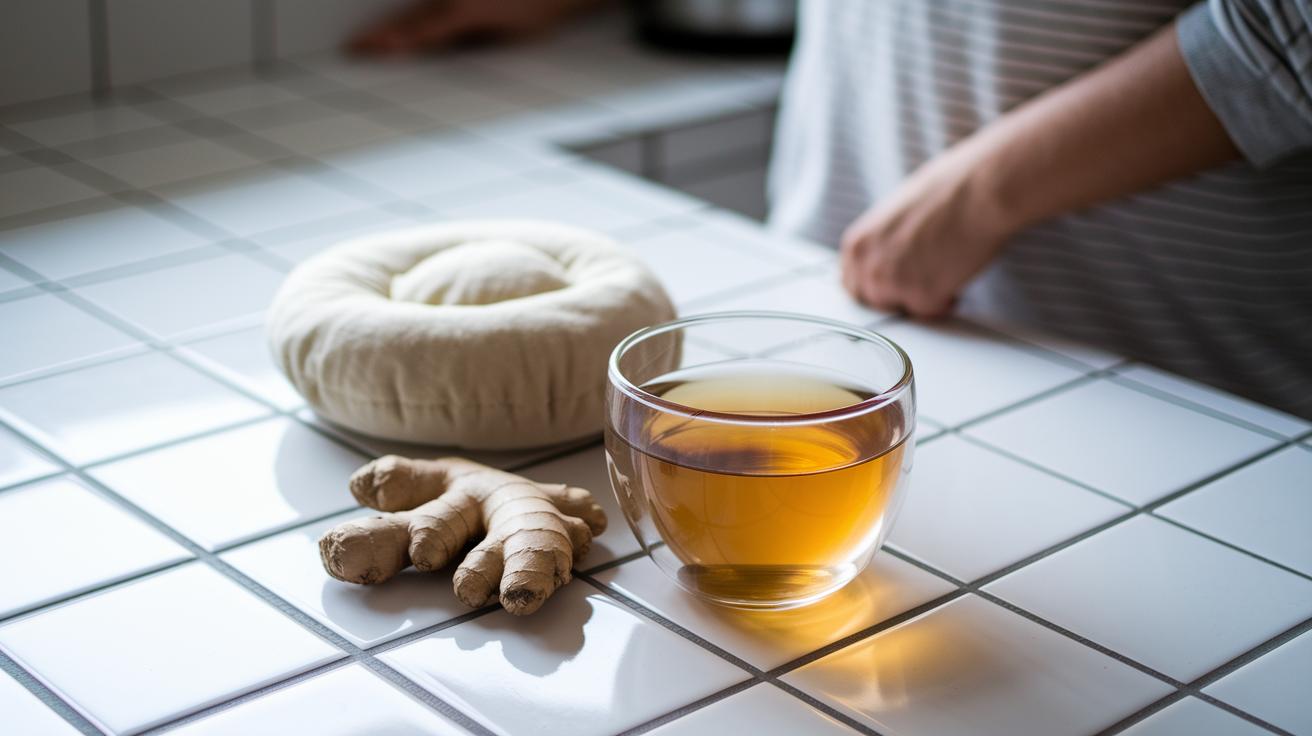
When you feel mild stomach cramps, try simple home remedies for quick, gentle relief. You can sip herbal teas like sea buckthorn, mastic, lettuce, dandelion, or mugwort tea (which helps lower stomach acid and calm swelling). For instance, enjoy a warm cup of dandelion tea slowly to ease your belly and relax your stomach muscles.
A warm compress on your belly can help loosen tight muscles and improve blood flow. A gentle abdominal massage with light, circular strokes for a few minutes can also help move trapped gas and reduce bloating.
Staying hydrated is key. Drink water or herbal infusions, about one glass every couple of hours, to keep your stomach working smoothly and help prevent cramps from worsening.
These tips work well with any medicines your doctor has already recommended. They are meant to ease minor cramps and are not a substitute for proper medical care. If your pain grows stronger or you notice new symptoms, be sure to contact your healthcare provider right away.
Final Words
In the action, this article breaks down your options for quick, effective relief from stomach cramps. We explored various over-the-counter and prescription treatments, explained how each one works, and highlighted important dosage tips and side effects. You also learned when it’s vital to seek immediate medical help and how complementary home methods can ease mild discomfort. Following these clear steps can help you act safely and effectively. Keep tracking your symptoms and stay informed about the right medicine for stomach cramps. Stay positive and take care.
FAQ
What is the best over-the-counter medicine for stomach pain in adults?
The best OTC options include antacids like aluminum hydroxide or simethicone to relieve pain, gas, and burning. They work quickly, but if pain is severe, seek professional advice immediately.
How can you get rid of a stomach ache in 5 minutes?
Rapid relief may come from an OTC antacid such as sodium bicarbonate, which neutralizes stomach acid and eases discomfort quickly. Remember, immediate relief can vary and severe pain needs medical evaluation.
What is the best medicine for stomach cramps, diarrhea, and gas?
OTC antispasmodics and antacids can reduce cramps and ease diarrhea and gas by lowering acid and reducing spasms. Follow dosing directions closely and seek care if symptoms persist or worsen.
What medicine is recommended for stomach cramps in kids or available over the counter?
For children, gentle OTC remedies like pediatric antacids are used to ease cramps. Always follow the dosing guidelines and consult a healthcare professional before using any medication for kids.
What stops cramping in the stomach or quickly cures stomach cramps?
Medications such as simethicone and antacids can calm stomach cramps by neutralizing acid and releasing trapped gas. Quick relief is possible, but persistent pain requires a clinician’s evaluation.
How can an upset stomach be settled during pregnancy?
Pregnant individuals can try mild antacids, like milk of magnesia, or sip ginger tea to soothe an upset stomach. It’s best to discuss any treatment with your clinician to ensure safety during pregnancy.