


Quick Take: Daily habits protect your health.
Triage: If you experience sudden, severe changes or unexpected symptoms, call your doctor immediately.
Have you ever wondered if the everyday choices you make really keep you well? This women’s health checklist shows you simple steps to keep your body strong and vibrant. It covers regular tests like Pap smears (cervical screenings), eating whole foods, staying active, and getting enough sleep. Every small action adds up to help you catch changes early. Let routine care be your trusted guide to lasting health.
Comprehensive Women’s Health Checklist Overview
Quick take: Keep up with regular screenings and healthy habits to stay safe and strong.
Triage Box:
- Red flags: Notice unusual bleeding, severe pain, or sudden changes in your body? Call your doctor right away.
- Urgent: If you miss regular check-ups or see new, worrisome symptoms, seek same-day medical advice.
- Self-care: Follow your checklist for routine exams, healthy eating, exercise, and good sleep.
Your health checklist is your plan for staying on top of important tests and habits. If you’re between 20 and 65, get a Pap smear every 3 years. This test catches early changes and helps reduce the risk of serious illness. Regular check-ups that measure blood pressure, body mass index (BMI), and overall well-being are key.
Eat meals full of whole foods and cut back on processed snacks and alcohol. Even small swaps, like choosing water instead of soda, can make a big difference. Include a workout routine with 75 minutes of high-intensity exercise or 150 minutes of moderate activity each week. Moving more helps your heart, supports weight management, and boosts your energy.
Aim for 7–9 hours of quality sleep each night. Good sleep lowers cortisol (the stress hormone) and supports both your mind and body. Keeping track of how you sleep, exercise, and eat can help during doctor visits. Jot down notes on your daily routines so your clinician gets a clear picture.
Start your checklist today and take charge of your health for a vibrant, active life.
Age-Specific Wellness in Your Women’s Health Checklist
Quick take: Your key health tests change as you age, so it is important to follow the right schedule for early detection.
Triage Box:
• Call emergency services now if you experience sudden chest pain, severe dizziness, or unexplained heavy bleeding.
• If you notice any major changes in your health or test results, seek same-day guidance from your doctor.
• Otherwise, keep track of your screening dates and routine check-ups as planned.
In your 20s, it is wise to start checking your blood pressure and cholesterol. This helps you catch any uncommon changes early on and avoid further issues.
From age 21 to 65, having a Pap smear every 3 years is a key step in protecting your reproductive health. This simple test checks for early changes in the cervix (the lower part of the uterus) so you can act before problems get worse. If you are sexually active, routine testing for sexually transmitted infections is also important.
When you reach 40, a mammogram becomes an extra part of your care. Depending on your personal risk, you may have this test every year or every 2 years to watch for early signs of breast cancer. It is a proactive measure that many women appreciate for its peace of mind.
For women 65 and older, or anyone at higher risk earlier, a bone density scan can help spot early signs of osteoporosis (weak bones). This lets you and your doctor act early to strengthen your bones and prevent breaks.
Make sure to write down the dates of your Pap smears, mammograms, and bone density scans. Keeping a record of these tests helps you and your doctor create a clear plan for staying healthy every day.
Annual Well-Woman Exam Guide in the Women’s Health Checklist
Your yearly exam is key to staying healthy. Even when you feel fine, this visit can catch changes before they become serious.
Quick tip: If you notice unusual pain, heavy bleeding, or a lump, call your doctor right away.
At your exam, your doctor will ask about your medical history and check your blood pressure and BMI (body mass index, a measure based on height and weight). One patient said, "I was surprised how much checking my BMI helped me understand changes in my health."
Your doctor will also perform a pelvic exam to check your reproductive organs and a breast exam to feel for any lumps or changes. They will review your vaccination records to make sure you’re up-to-date.
You will discuss your Pap smear and HPV test schedule. These tests help pick up early changes in your cervix that might need treatment.
Checklist for your exam:
- Update your medical history
- Check blood pressure and BMI
- Do pelvic and breast exams
- Review vaccination records
- Discuss Pap smear and HPV testing schedule
Even if you feel well, this exam sets a clear plan for your health and guides you in taking preventive care.
Key Screening Protocols in the Women’s Health Checklist

Screening tests help catch issues early, but your unique risk factors might change how often you need them. Typically, women ages 21 to 29 get a Pap smear every 3 years and those between 30 and 65 get a Pap smear with HPV testing every 5 years. However, if you’ve had abnormal results before or have a strong family history, you might need testing more often. One patient said co-testing made her more aware of her personal health risks.
For women aged 40 and up, regular mammograms are recommended. If you have dense breast tissue or a family history of breast cancer, it is important to discuss a personalized screening schedule with your doctor. One woman noted that regular mammograms and her doctor’s advice helped her feel confident about her breast health.
If you are sexually active, routine STI testing is very important. Regular tests catch problems early and support your overall reproductive health. Many patients find that keeping to a testing schedule with regular checkups eases anxiety and leads to prompt treatment if needed.
Bone density checks usually start at age 65. However, if you are at risk because of low body weight, smoking, or a family history, your doctor might suggest an earlier test. This proactive step can guide you in making lifestyle changes to keep your bones strong.
Keep track of your test dates and results for a clear timeline to review with your clinician.
| Screening Test | Age/Interval | Notes |
|---|---|---|
| Cervical Cancer | 21–29: every 3 years; 30–65: co-test every 5 years | May need more frequent tests if you have a history of abnormal cells |
| Breast Cancer | 40+: annual or every 2 years | Extra imaging might be needed with dense tissue or family history |
| STI Testing | For sexually active women | Regular tests help with early detection and care |
| Bone Density | 65+ or earlier if high risk | Risk factors may call for an earlier screening |
Essential Diagnostic Tests in the Women’s Health Checklist
Your yearly blood tests are a key part of staying healthy. A basic panel usually checks your red and white blood cells and platelets (CBC), looks at your cholesterol and fats (lipid profile), and tests your blood sugar after fasting (glucose test). These tests help you and your doctor catch problems early.
You should have a thyroid-stimulating hormone test (TSH test) every 1 to 3 years or sooner if you feel very tired, unusually sensitive to heat or cold, or notice unexpected weight changes. This simple test shows if your thyroid gland is working properly.
If you have low sun exposure, a poor diet, or symptoms like weakness or numbness, you might need vitamin D and vitamin B12 tests. Vitamin D is important for strong bones, and vitamin B12 helps keep your nerves and blood cells healthy.
It’s also wise to check for anemia, diabetes, and high cholesterol. One patient shared, "Regular blood tests made me feel in control because I understood what each result meant." Keeping track of these key tests helps guide you to timely care and supports a healthier lifestyle.
Reproductive and Postpartum Care in the Women’s Health Checklist
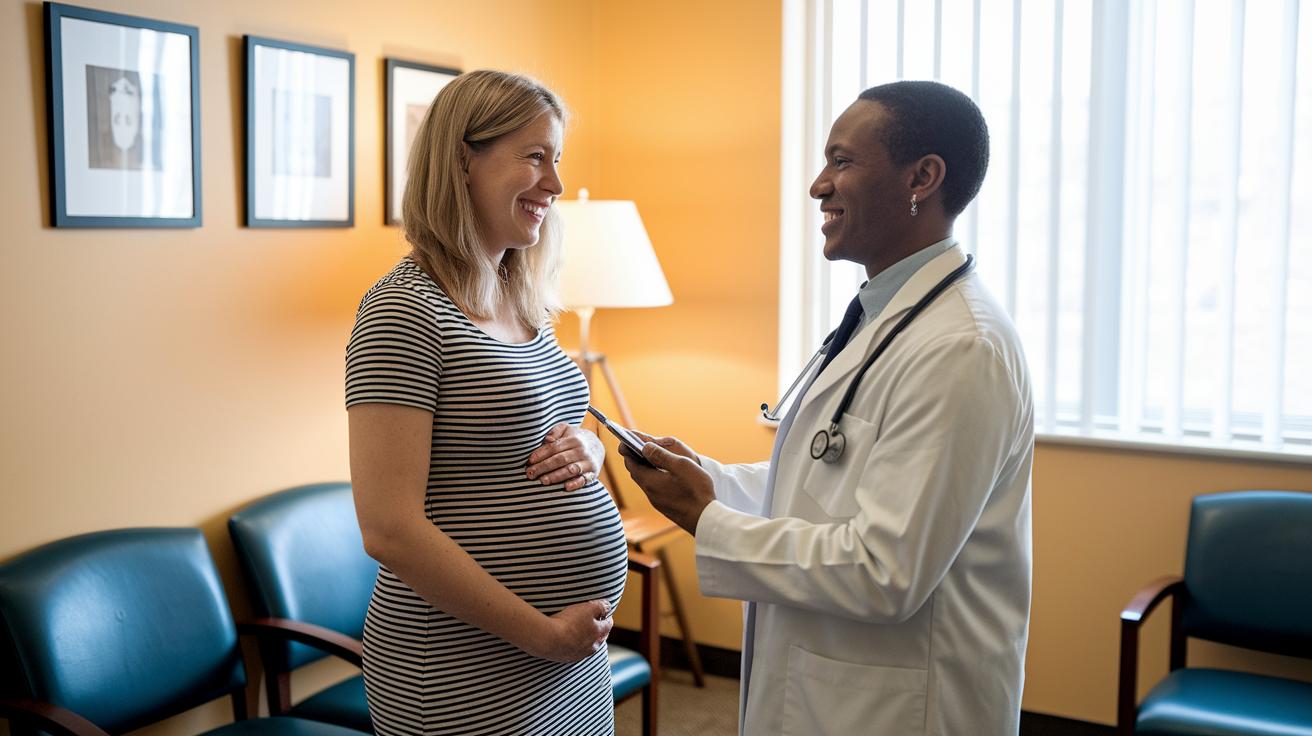
A good plan and early steps help pave the way for a healthy pregnancy and smooth recovery.
Before you start trying to get pregnant, take these simple steps:
- Take 400–800 mcg of folic acid daily (a vitamin that helps prevent birth defects).
- Check your vaccine records and update them if needed.
- Work with your doctor to manage any long-lasting health issues.
One patient shared, "Starting with a clear plan helped me feel prepared for a healthy pregnancy." This shows how planning makes a real difference.
Your doctor will review your risk factors, like your age, past health, and daily habits. This checkup usually includes simple tests like blood pressure and weight measurements to spot any problems early.
After your baby is born, plan to see your doctor around 6 weeks. At this visit, you'll get a check for signs of depression or anxiety, receive support for breastfeeding, and learn about birth control options. A parent once said, "My postpartum visit provided the support I needed as I adjusted to new challenges."
Finally, keep a simple record of your health milestones. Write down the dates, any changes you notice, and how you feel. This record will help you and your health team discuss any concerns quickly.
Mental Health and Lifestyle Reminders in the Women’s Health Checklist
Quick take: Your mind matters as much as your body. If you feel overwhelmed, have thoughts of self-harm, or a deep sense of hopelessness, call emergency services now. Otherwise, keep up your daily self-checks.
Red flags – Act Now if You Notice:
- Severe mood drops or intense anxiety.
- Thoughts of harming yourself.
- A sudden increase in panic or despair.
Urgent Steps:
- Reach out to a trusted friend, family member, or clinician immediately if these signs appear.
Everyday Self-Care:
• Schedule annual checkups for depression (feeling very low) and anxiety (excessive worry) to catch early signs.
• Aim for 150 minutes of moderate exercise or 75 minutes of intense activity each week. Even a brisk walk, cycling, or dance class can lift your mood and strengthen your heart.
• Prioritize 7–9 hours of sleep each night to help lower stress hormone levels and give your brain the rest it needs.
• Eat whole foods and limit processed snacks to support your overall health.
• Set aside time for activities you enjoy, whether that’s joining a community class, puzzling, or exploring a new craft.
• Keep in touch with friends and loved ones to build a supportive network.
Tracking Your Progress:
Keep a simple daily log with these points:
| Date/Time | Activity or Symptom | Duration/Severity | Notes |
|---|---|---|---|
| MM/DD | Exercise, Mood Check | e.g., 30 minutes / Mild | Happy after walk |
Regular self-checks using these tips can support your mental well-being and work alongside your physical health exams. Stay aware, act promptly if red flags arise, and remember that taking care of your mind is a step toward a healthier life.
Tracking Tools and Personalization for Your Women’s Health Checklist

Using a tracking tool can help you manage your health better. You can use a PDF or app to record your symptoms, exam dates, and vaccine records all in one place. One patient said that keeping all her health info in one app made doctor visits less stressful.
Checking your blood pressure and sugar levels at home is an important part of daily care. Keeping a daily log helps you see trends and gives your doctor useful details. Record any changes or new appointments to create a clear, brief history for your clinician.
Set clear goals for your health tests. SMART goals (specific, measurable, achievable, relevant, and time-bound) work well. For example, decide to book your next exam by the end of this month. Updating your checklist every week can also help track your progress.
- Use a downloadable PDF or mobile app
- Record your home monitoring data
- Update your medical history
- Set clear, SMART goals for each exam
Final Words
In the action, this article broke down a full review of what you need for your health. It covered key screening tests, age-specific exams, and steps for reproductive and mental health care. It also shared smart tracking tools to help you record your checkups and stay on track. Each section gives you clear next steps to act fast if something seems off. Use your women's health checklist to keep on top of important screenings and live your healthiest life.
FAQ
What is the women’s health checklist by age?
The women’s health checklist by age offers tailored screening tests, exam guidelines, and lifestyle recommendations adjusted for different life stages.
What does a women’s health screening checklist PDF provide?
The women’s health screening checklist PDF gives you a detailed guide on essential tests and recommended intervals for early detection of health issues.
What is in the annual physical exam checklist for females over 60?
The annual physical exam checklist for females over 60 lists key screenings like mammograms, bone density scans, and blood tests to monitor overall health.
What is included in the annual physical exam checklist for females over 50?
The annual physical exam checklist for females over 50 covers important tests such as Pap smears, mammograms, and blood panels that help track health changes.
What information is provided in a women’s health PDF?
The women’s health PDF offers a comprehensive overview of preventive care, including exam schedules, screening protocols, and wellness tips.
What are women’s health screenings?
Women’s health screenings are routine tests, including Pap smears, mammograms, and bone density scans, that help detect potential health issues early.
What does a female preventive care checklist cover?
The female preventive care checklist outlines necessary exams, lab tests, and lifestyle assessments designed to support and maintain overall well-being.
What does a women’s health chart display?
The women’s health chart visually organizes key screening schedules and exam guidelines by age, making it easy to track your preventive care.