
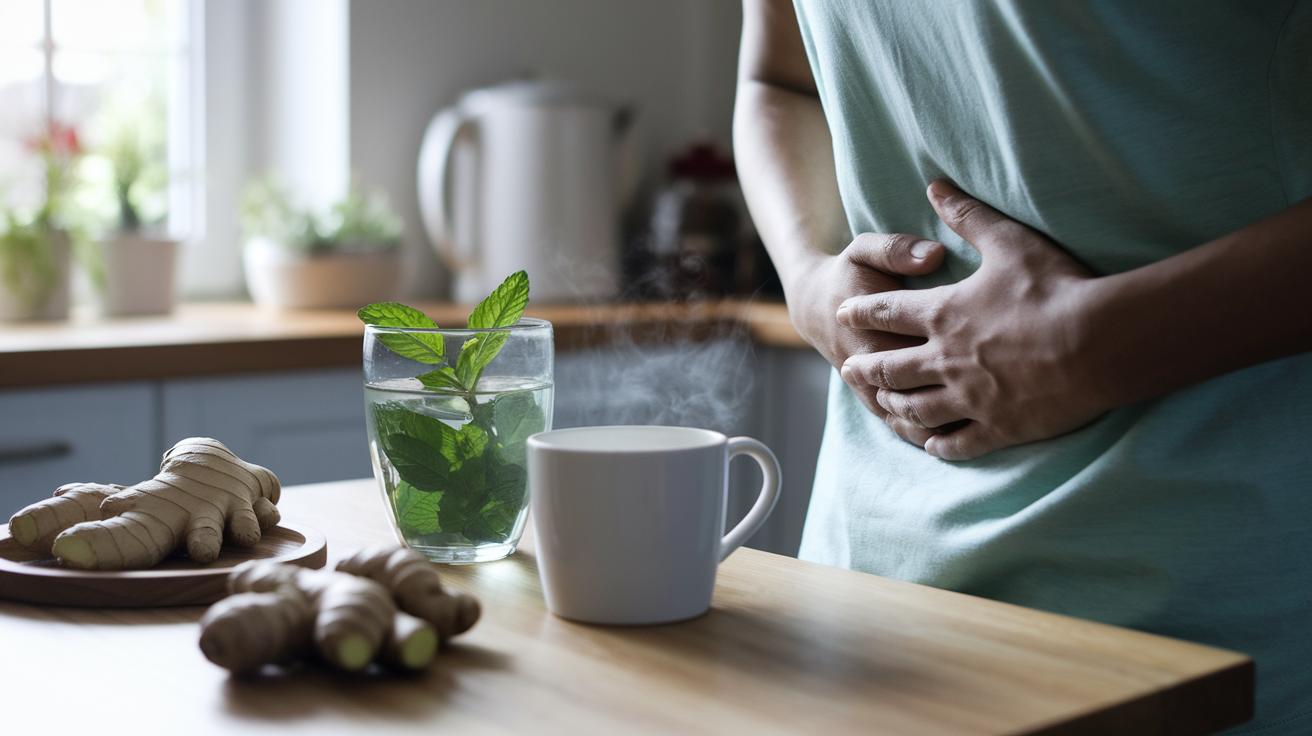

Quick take: Mild tummy pain can often be eased at home, but call for help if serious symptoms appear.
Triage Box
• Call emergency services now if you have severe, unrelenting pain, a fever over 102°F, vomiting blood, or fainting.
• Seek same-day medical care if the pain lasts more than 3 days or gets worse.
• For mild pain, try simple at-home remedies.
Many people deal with sudden stomach cramps that disrupt their day. Often, a mild tummy ache can be soothed with natural remedies you already know. You can sip ginger tea or chamomile while using a warm compress on your belly. These easy steps may help your stomach settle so you feel more comfortable and in control.
Remember, if your pain becomes severe or you experience any warning signs, it’s important to get medical help right away. Stay safe and give these simple tips a try when cramps hit.
Quick Home Remedies for Stomach Cramps
Quick take: Most stomach cramps come from mild digestive issues, but if you have serious symptoms, it's time to seek help.
If you have any of these emergency signs, call emergency services now:
- Severe, unrelenting pain in your belly
- Vomiting that won't stop
- A high fever (above 102°F)
- Blood in your stool
For milder cramps, try these simple home remedies:
- Ginger tea: Steep fresh ginger in hot water and enjoy a warm cup. Ginger can ease inflammation and help your tummy digest better.
- Peppermint tea: Sip one cup to let natural menthol (a soothing compound) relax your stomach muscles.
- Warm compress: Apply a warm pack on your belly. This boost in blood flow can ease tight muscles and reduce pain.
- Chamomile tea: Brew chamomile in hot water and drink slowly. It helps ease gas and calm muscle spasms by soothing both your gut and nerves.
- Apple cider vinegar: Stir a small spoonful into water. This may help balance your stomach's acid levels.
- Fennel seed tea: Boil fennel seeds in water for a few minutes, then sip the tea. Its natural oils can calm cramping.
- Hydration and electrolytes: Drink water or an electrolyte mix. Staying hydrated helps prevent cramps from dehydration.
- BRAT diet: When your stomach is upset, try bland foods like bananas, rice, applesauce, and toast. These options are gentle on your system and can help settle your belly.
Choose the remedy that fits how you feel. If your cramps continue or worsen, consider talking with your healthcare provider.
Causes of Stomach Cramps and When to Be Cautious

Quick take: Most stomach cramps come from everyday triggers, but watch for serious signs.
If you have any of these emergency signs, call emergency services now:
- Severe or long-lasting pain
- Blood in your stool
- High fever (102°F or above)
- Signs of dehydration
- Constant vomiting
If your pain worsens or lasts more than a few days, see your doctor right away.
Many stomach cramps start from simple causes. Eating greasy or spicy foods, overeating, or drinking alcohol, caffeine, chocolate, or soda can lead to gas and upset digestion. Stress and food intolerances (trouble digesting certain foods) can also make your stomach unhappy. For example, after a big, spicy meal, you might notice your belly tightening before cramps begin. These triggers are common and usually do not mean there’s a serious problem.
Other issues can also cause stomach cramps. Menstrual pain, irritable bowel syndrome (a long-term gut condition), and gut infections can create discomfort like indigestion. Some antibiotics (medications to fight infections) may upset your stomach further. These conditions often make your belly more sensitive and can come with bloating or nausea (feeling like you might vomit).
Watch for warning signs. If your pain is severe or lasts a long time, if you see blood in your stool, have a high fever, feel dehydrated, or keep vomiting, contact a healthcare provider immediately. These signals might point to a condition that needs fast treatment.
Herbal Infusions for Digestive Discomfort and Cramp Relief
Herbal infusions can help ease stomach upset and muscle cramps naturally. Our guide explains how these teas work with support from science and history, along with tips on selecting the best herbs.
Ginger Tea
Ginger tea works thanks to gingerols and shogaols, which research shows can speed up how fast your stomach empties and cut down inflammation. This remedy has roots in ancient Chinese medicine. To make it, add a few thin slices of fresh ginger to one cup of boiling water. Let it steep for 5–10 minutes and then strain. Start with one small cup to see how you feel since too much might lead to mild heartburn.
Peppermint Tea
Peppermint tea uses menthol to relax your intestinal muscles by blocking some calcium channels. This tea dates back to ancient Roman practices. Steep a handful of fresh or dried peppermint leaves in boiling water for 5–10 minutes. If you suffer from acid reflux, this tea may worsen your symptoms. Whenever you can, choose organic leaves to avoid pesticides.
Chamomile Tea
Chamomile tea soothes both your stomach and your nervous system. Egyptians and Romans used chamomile to relax and ease gut spasms. Brew your tea by steeping a cup of high-quality, organic chamomile flowers in hot water for 5–10 minutes. This calming tea can help relieve discomfort in your stomach and ease cramps brought on by stress.
Fennel Seed Tea
Fennel seed tea relies on anethole, which can help calm your digestive muscles and reduce bloating. This tea follows a long tradition in Mediterranean herbal remedies. Crush 1 teaspoon of fennel seeds and steep them in hot water for 5–10 minutes. Strain and sip slowly. In rare cases, drinking too much could lower your blood pressure a little, so stick to a modest amount.
| Infusion | Key Compound | Historical Use |
|---|---|---|
| Ginger Tea | Gingerols, Shogaols | Ancient Chinese remedy |
| Peppermint Tea | Menthol | Ancient Roman tradition |
| Chamomile Tea | Flavonoids | Used by Egyptians and Romans |
| Fennel Seed Tea | Anethole | Mediterranean herbal remedy |
Physical Therapies and Lifestyle Adjustments for Cramp Ease

Quick take: These simple steps can relax your belly and ease cramps fast.
Triage:
- Call emergency services if you have severe pain, chest pain, shortness of breath, or a high fever.
- Seek same-day care if your cramps worsen or last more than 3 days.
- Otherwise, use these home techniques to help ease the discomfort.
A warm compress can relax tight belly muscles. Try placing a warm cloth or hot water bottle on your stomach to boost blood flow and widen blood vessels (vasodilation). This simple step can ease your cramp quickly, and you can repeat it as needed.
A gentle stomach massage may also help move trapped gas and reduce pressure. Use light circular strokes on your lower belly to encourage gas to move and ease the tension. This technique works well with a few mild stretches to promote comfort.
Simple yoga poses like child pose and a lying twist can help relax your gut muscles. Deep, slow belly breaths (diaphragmatic breathing) support circulation and calm muscle spasms. These moves can lower stress and ease your cramps during flare-ups.
Making a few lifestyle changes might improve your comfort even more. For example, sleeping on your left side may ease stomach pressure overnight and improve digestion. Adding stress-reduction practices, like meditation and slow deep breaths, into your daily routine can help lower tension and reduce cramp frequency.
Dietary Strategies and Homemade Recipes to Alleviate Stomach Cramps
A balanced diet can help ease stomach cramps by soothing your gut and replacing lost nutrients. Eating gentle, bland foods reduces irritation, firms up stools, and restores key electrolytes. Simple recipes made with everyday kitchen staples can calm an upset stomach and help bring balance back to your gut. Stick with mild foods, stay hydrated, and choose nutrient-rich meals to ease cramp discomfort without upsetting your digestion.
BRAT Diet Basics
The BRAT diet (bananas, rice, applesauce, and toast) is a simple approach for mild stomach cramps. Bananas add potassium to replace lost electrolytes. Rice, applesauce, and toast offer bland, starchy foods that gently firm your stool. Prepare these foods soft and easy to chew. This method lets your stomach recover without creating extra strain.
Soothing Broths and Remedies
Warm broths help hydrate you and comfort an irritated stomach. Chicken or vegetable broth is packed with nutrients easy on your digestion, and its warmth can relax cramped muscles. Simmer lean chicken or vegetables with light seasoning to make a clear, gentle broth. Sip it slowly to restore fluids and get a light boost of energy while your stomach heals.
Gut-Balancing Smoothies
Smoothies made with probiotic yogurt and fruits are a refreshing way to support gut health. Blend plain yogurt with a ripe banana and a handful of berries to create a fiber-rich drink that may ease cramp severity. A little honey adds gentle sweetness without causing irritation. This light, balanced smoothie helps restore healthy gut bacteria and provides essential nutrients while keeping your stomach calm.
Final Words
In the action of these tips, we've reviewed fast, natural solutions for stomach cramps. You learned how simple herbal teas like ginger and peppermint, along with heat therapy and dietary strategies, can quickly ease discomfort. Each remedy offers a clear, safe way to manage tummy pain while keeping an eye on worrisome signs. Use this guide to try home remedies for stomach cramps and follow the detailed steps in each section. Stay calm, follow the steps carefully, and remember that relief is within reach.
FAQ
Frequently Asked Questions
What are effective home remedies for stomach pain, gas, and cramps?
Effective home remedies include ginger tea, peppermint tea, chamomile infusion, a warm compress, hydration, and the BRAT diet. These natural steps help ease pain and promote digestion.
How can I relieve a stomach ache in 5 minutes?
Rapid relief may come from sipping a warm honey-lemon drink or ginger tea, or by applying a warm compress to your belly, easing discomfort in just a few minutes.
What home remedies help with stomach pain at night?
For nighttime relief, try using a warm compress, gentle abdominal massage, or a chamomile infusion before bed. These steps can soothe discomfort and help you rest.
What remedies help lower abdominal pain in females?
Natural steps such as peppermint tea, a warm compress, and gentle rest can help ease lower abdominal pain, especially when linked to menstrual cramps or digestive upset.
How can I stop stomach cramps and diarrhea quickly?
To quickly ease cramps and diarrhea, sip peppermint tea, apply a warm compress, and follow the BRAT diet. These methods help firm stools and ease spasms.
What drink helps severe stomach cramps?
A warm chamomile or peppermint tea is ideal, as these infusions relax intestinal muscles and ease severe stomach cramps naturally.
What food can settle stomach cramps effectively?
Bland foods like bananas, rice, applesauce, and toast (the BRAT diet) settle stomach cramps by providing gentle nutrients while firming stools.