


Quick take: High allergen counts can make your symptoms worse.
If you have any of these emergency signs, call emergency services now:
• Trouble breathing or severe wheezing
• Face or throat swelling
• A very fast heartbeat (over 100 bpm)
If your symptoms are making it hard to do daily tasks, seek same-day medical attention. Otherwise, track your allergy index and adjust your routine as needed.
Have you ever wondered why your allergies hit harder on some days than others? The allergy index gives you a simple number that shows how many allergens, like pollen and mold spores, are in the air. This clear number tells you when to be extra careful with outdoor activities or change your routine. By knowing your trigger level, you can manage your symptoms better and protect your health with confidence.
Understanding the Symptom Index for Seasonal Allergies
Triage Box:
- If you have trouble breathing, swelling of your face or tongue, or feel lightheaded, call emergency services now.
- If your allergy symptoms get worse quickly or start affecting your breathing, seek urgent medical care.
- If your symptoms are mild, watch them and manage at home while staying alert.
The allergy index is a number that tells you how many allergens are in the air. It counts things like pollen, mold spores (tiny bits that can cause reactions), and pollutants. The index uses four levels: low, moderate, high, and very high. On a low day, you can usually enjoy outdoor activities. When the count is very high, it’s a sign to take extra care.
Experts create this scale by using weather details and air samples. Machines collect particles on a sticky surface over 24 hours. Then trained staff check the samples to give a daily score. This number helps you know when to cut back on outdoor time, adjust your medications, or use extra prevention steps.
When you understand the allergy index, you can plan your day more safely. Check the daily readings to see when you might need to be cautious. It also helps you explain your symptoms clearly to your healthcare provider if problems come up.
Common Allergy Symptoms and Severity Scale
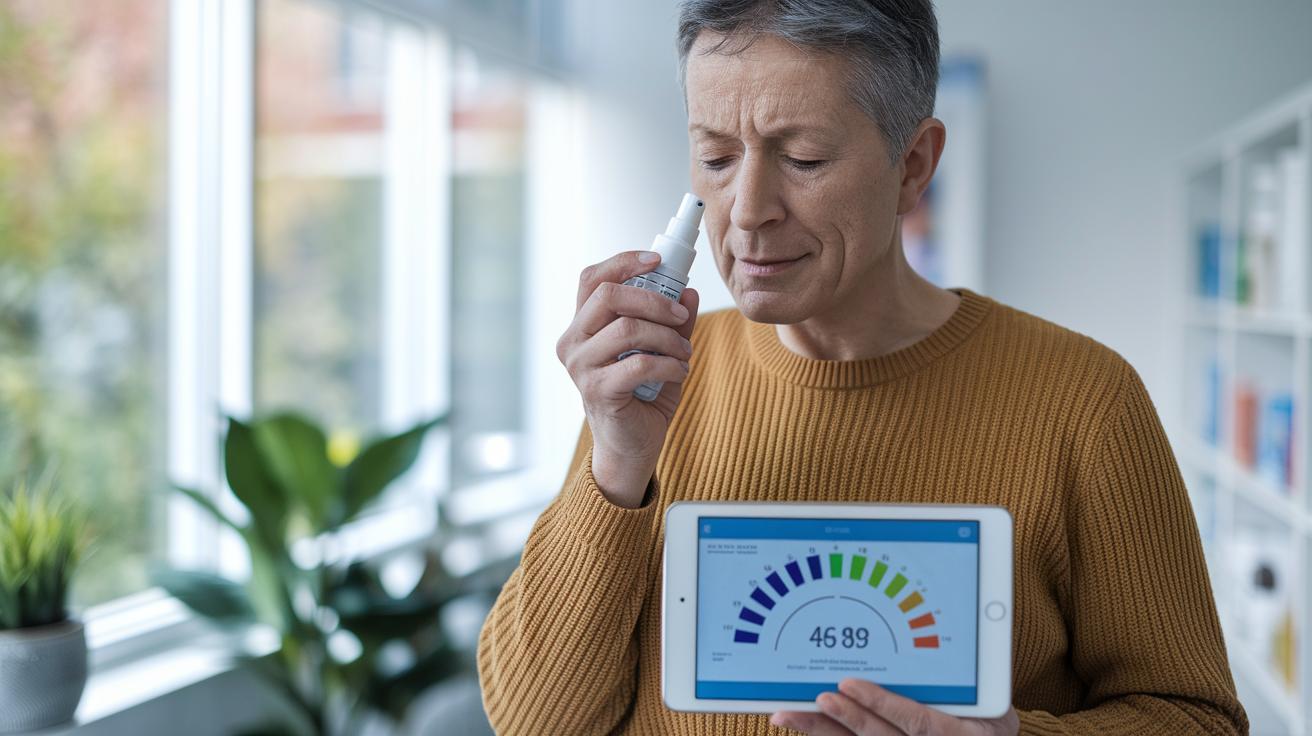
Quick take: Your allergies can be mild or severe. Use the allergy scale to know how to act.
If you have any of these emergency signs, call emergency services now:
• Trouble breathing
• Swelling of the throat or tongue
• Severe chest tightness
Urgent: If your symptoms are very disruptive, seek same-day medical care.
Watch and self-manage: For milder signs, track your symptoms and adjust your care.
Seasonal allergies show up in many ways. Your symptoms can be as light as a gentle tickle in your nose or as strong as irritation that makes your day hard. This scale helps you track inflammation (redness or swelling) and congestion (blocked nose). By knowing where your symptoms stand, you can plan your outdoor time and change your treatment early.
Here are some common allergy symptoms and how they may progress:
• Sneezing: Starts with an occasional tickle and can turn into frequent bouts.
• Itching: May begin as mild irritation and grow into persistent, uncomfortable itching.
• Runny nose: Begins light but can become heavy and constant.
• Watery eyes: Starts with slight tears and may lead to blurred vision from continuous tearing.
• Coughing: Can start with an occasional cough and develop into a strong, long-lasting cough.
• Wheezing: Begins with a minor whistling sound and may turn into tightness and difficulty breathing.
• Hives: May start as a few small bumps and become widespread, raised bumps.
• Nasal congestion: Ranges from a light blockage to complete nasal closure.
Track your symptoms by noting the date, time, type of symptom, and how severe it feels (mild, moderate, or severe). Use a simple checklist for each day. This record will help you and your clinician see changes quickly and decide if you need additional care.
How Pollen Exposure Evaluation Determines Your Allergy Index
A small air sampler collects air through a 2×14 mm opening over a greased surface for 24 hours. This surface catches pollen, mold spores (tiny fungi fragments), and other small particles. Experts then count these particles using a microscope at 400x, giving you a daily pollen count.
That count is converted into a hay fever rating to show if your allergen exposure is low, moderate, high, or very high. This clear measure helps you decide when to take extra care outdoors and if you need to adjust your treatment.
Below is a table outlining the exposure levels and recommended precautions:
| Exposure Level | Recommended Precautions |
|---|---|
| Low | Normal outdoor activities |
| Moderate | Monitor symptoms, consider preventive medication |
| High | Limit outdoor time, use protective measures |
| Very High | Avoid outdoor exposure, seek medical advice |
Monitoring your daily pollen count helps you adjust your care plan and protect your well-being.
Symptom Index for Seasonal Allergies: Feel Empowered

Quick take: Use a daily log to track your allergy symptoms, triggers, and any medicine you take. This helps you see what makes your allergies worse and plan better.
Start by creating a log each day. Write down the time, the symptom you feel, and rate how bad it is on a scale from 0 to 4. For example, you might note, “At 8 AM, sneezing at level 2 after sitting near open windows.” Also record any medication you take and any changes in your routine. This habit builds a clear record that shows you what conditions might bring on more symptoms.
Each week, review your log to check how your allergies are acting. Ask yourself, “How bad will my allergy symptoms be today?” Compare your symptom levels to daily pollen counts. Doing this regularly helps you notice patterns and decide if you should adjust your outdoor plans or treatment.
Checklist:
- Write the date and time for every entry.
- Note the specific symptom and its severity (0–4 scale).
- List any environmental factors (like open windows) and medications used.
This simple, data-driven log helps you track your body’s response over time, making it easier to manage your allergies effectively.
Charts and Graphs to Visualize Your Allergy Symptom Index
Looking at your daily numbers can really help you control your allergies. A line chart that shows your symptom scores alongside pollen counts can reveal clear trends. For example, if the pollen hits 150, you might notice your sneezing score rising from 1 to 3. With this visual guide, you can adjust your plans based on how you feel.
Bar graphs give you a week-long view of your allergies. They work like a scorecard that tells you which day had the highest risk. If a bar graph shows that Wednesday had the highest pollen levels and the worst symptoms, you can plan to take extra care on that day.
A two-week progression chart can show you spikes in discomfort that match very high pollen counts. Tracking these peaks helps you see how your body reacts over time. This chart works as a simple monitor that links your daily symptoms to pollen levels, so you know when to be cautious about outdoor activities or when it might be time to adjust your medicines.
Visual data turns raw numbers into easy-to-read insights, giving you clear and immediate guidance for managing your allergy symptoms every day.
Managing Seasonal Allergy Symptoms Based on Your Index

Quick take: Your allergy index helps you decide how to protect yourself from pollen.
If you notice severe trouble breathing, chest tightness, or intense swelling, call emergency services now. If your symptoms get much worse or you feel very unwell, seek same-day medical help. For milder symptoms, you can follow these home care steps.
Your daily allergy index shows how much pollen is in the air. On days with low or moderate readings, you can stick to your usual routine with some extra care. Keep your windows shut during peak pollen times, use HEPA filters at home, and wash your bedding in hot water. Wearing a mask when you go outside can also help lower your exposure to allergens.
For low or moderate levels, over-the-counter antihistamines or nasal sprays work well. These medicines ease sneezing, a runny nose, and congestion so you can keep going with your day.
When the index is high or very high, take extra precautions. Try to minimize the time you spend outdoors and use stronger protective measures. In these situations, your doctor might recommend oral steroids or a stronger nasal corticosteroid. If the high readings continue for several days, talk with your healthcare provider about long-term options like allergy immunotherapy (allergy shots or drops).
Checklist for Managing Your Allergy Symptoms:
- Close windows during high pollen periods.
- Use HEPA filters and wear a mask when outdoors.
- Use medications that match the current allergy level.
- Contact your clinician if high readings persist.
Final Words
In the action, you learned how tracking key signals, from airborne particle counts to daily symptom logs, guides your steps during allergy seasons. Each section broke down how to measure, monitor, and manage symptoms using clear scales and visual tools. You now have step-by-step tips for recording your reactions and planning safe responses when pollen counts rise.
Keep tracking your progress and adjusting your precautions as needed. This symptom index for seasonal allergies approach helps you stay prepared and in control of your environment.
FAQ
What are ragweed allergy symptoms?
Ragweed allergy symptoms include sneezing, an itchy or runny nose, watery eyes, and sometimes coughing or wheezing when you come in contact with ragweed pollen.
What does it mean when allergies are high today and near me?
When allergies are high today and near you, it indicates that pollen and other airborne allergens are at elevated levels. This raises your risk of experiencing allergy symptoms in your area.
What does the ragweed pollen count indicate?
The ragweed pollen count shows the level of ragweed particles in the air. A higher count means more exposure and a greater likelihood of triggering symptoms.
How is the pollen count by zip code determined?
The pollen count by zip code is measured by local monitoring stations that track airborne allergens. These reports help you know the allergen levels in your specific area.
What is the National Allergy Bureau?
The National Allergy Bureau is a service that tracks pollen and mold spore levels using standardized methods. They provide reliable forecasts to help manage allergy symptoms.
How can I find out which pollen or allergy is high near me today?
You can check local weather reports or dedicated allergy forecast websites. These resources offer real-time data by zip code, showing which pollen or allergens are currently high.
How do you identify seasonal allergy symptoms?
Seasonal allergy symptoms are identified by a sudden onset of sneezing, itchy eyes, runny nose, or cough when you are exposed to increased pollen and other common allergens.
What is a high allergy index?
A high allergy index means that the measured levels of pollen and other airborne allergens fall into the high or very high category, increasing your risk of significant allergy symptoms.
Which state is considered the worst for seasonal allergies?
Some states with long pollen seasons and high allergen production are noted as being worse for seasonal allergies. Local reports and data can provide more detailed comparisons.
What is the F code for seasonal allergies?
The F code for seasonal allergies is a classification used in medical coding. It helps healthcare professionals record and manage allergy diagnoses accurately.