


Quick take: A daily checklist may help you catch early signs of health changes.
Have you ever wondered if a simple checklist could improve your health? In a sea of wellness advice, watching small changes might be the easiest and most powerful step you take. A daily health checklist can reveal early signs that you might otherwise miss until they grow into bigger issues. In this guide, you'll learn straightforward steps to monitor both your body and mind. This simple approach can give you more clarity and control over how you feel each day.
Comprehensive Health Checklist: A Step-by-Step Guide
Quick take: A daily health check can catch small changes early, helping you act before issues worsen.
If you notice any of these emergency signs, call emergency services now:
• Sudden, severe pain
• Extreme shortness of breath
• Confusion or fainting
For urgent concerns, if you experience ongoing discomfort or worsening symptoms, seek same-day care. Otherwise, keep monitoring and note any changes.
Start by listing the key signs you want to track each day. Use a simple checklist at home to watch for changes, like a drop in energy or a new, minor ache. Even in your 20s and 30s, when big problems seem unlikely, a daily look at your health can spot early warning signs.
Every morning, check your temperature, pulse (your heart rate), and weight. Write these down along with notes about your mood or stress levels. Consistently tracking your daily wellness helps you and your doctor catch small shifts earlier.
Also, remember to schedule a full exam at least once a year. These exams help you make the most of your insurance and keep your preventive care on track. Regularly updating your checklist puts you in control, so you can stay healthy today and in the future.
Physical Condition Survey in Your Health Checklist
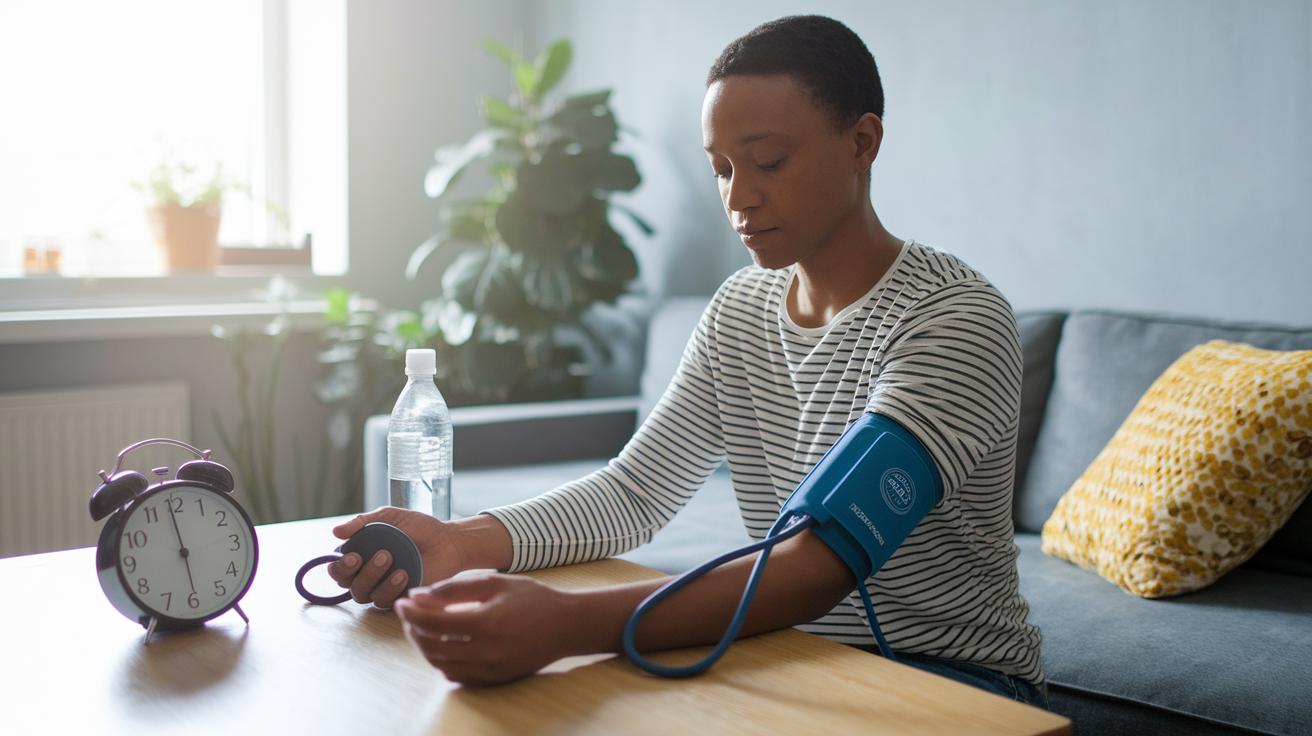
Quick take: Keeping track of your blood pressure, heart rate, BMI, and water intake every day can help you spot changes early.
If you have any of these emergency signs, call your doctor immediately:
- Chest pain or trouble breathing
- Feeling very dizzy or faint
- A sudden, severe headache
- Extreme changes in your vital signs
Start by checking your key numbers. Measure your blood pressure after resting for a few minutes, count your heart beats per minute, and update your BMI (a measure from your weight and height). Also, note how much water you drink. These figures give you a clear snapshot of your overall health.
Use a daily tracker to record any changes. For example:
- Measure blood pressure after a brief rest.
- Count your heart beats over one minute.
- Update your BMI using current weight and height.
- Record your daily water intake.
| Measurement | What to Record |
|---|---|
| Blood Pressure | Systolic/Diastolic values |
| Heart Rate | Beats per minute |
| BMI | Weight and calculated index |
| Hydration | Daily water servings |
Men with average risk should get a PSA test (a blood test for prostate health) and a DRE (prostate exam) after age 50. People 60 and older should also talk with their doctor about lung cancer screening and other tests suitable for their age.
If you notice big changes in these numbers or feel unwell, contact your doctor right away. Regular tracking gives you reliable information to share with your clinician and can help catch problems early.
Mental Wellbeing Overview in Your Health Checklist
Quick take: Check your mood every day to catch stress early.
Triage Box: If you feel overwhelmed, have thoughts of hurting yourself, or find it hard to care for your basic needs, call emergency services now or get urgent help.
Too much stress raises a hormone called cortisol, which can upset your sleep, weaken your immune system, and strain your heart. Keeping a daily mood checklist helps you spot early signs of anxiety or depression.
Try these simple steps as part of your mental wellbeing routine:
- Record your mood at the same time every day.
- Write down events or stressors that felt too heavy.
- Note any changes in your sleep or energy levels.
- List physical signs like muscle tension or headaches.
Use these notes to see patterns over time. They can guide you to try simple stress relief techniques, like deep breathing or a quick walk. And if your stress stays high for several days, share your notes with your doctor.
Lifestyle Habits Survey: Dietary and Exercise Plan within Your Health Checklist

Quick take: Keeping a daily record of your meals, workouts, and water intake can help you spot changes that affect your health.
Start by tracking what you eat. A diet full of fruits, vegetables, and whole grains (foods high in fiber) can lower your risk of colon problems. Write down each meal to see how fiber-rich foods boost your energy. Use a simple meal plan guide to make healthy choices.
Keep your exercise safe and suited to your needs. If you are pregnant or have a long-term health issue (chronic condition), choose exercises that do not strain you. Jot down your workouts, including any changes or discomfort you feel. A daily fitness log can help you balance activity and rest.
Don’t forget about water. Record how much you drink each day. A water tracker can show you if you’re staying properly hydrated.
| Habit | What to Track |
|---|---|
| Meals | Foods eaten and fiber content |
| Workouts | Type, duration, any changes |
| Hydration | Cups or ounces of water |
Record your habits every day. Share your notes with your doctor at routine checkups to discuss any trends in your health.
Preventive Care List: Your Annual Wellness Review in the Health Checklist
Quick take: Your yearly checkup helps spot changes early. If you have chest pain or sudden weakness, call emergency services now.
For your routine screening, book tests based on your age and risks. In your 40s, focus on cholesterol tests and colon exams. Pay attention to changes in your waist size and blood pressure.
When you turn 50, add checks for prostate and lung health. Men should get a PSA blood test (a test for prostate health) and a DRE (a physical exam of the prostate). A low-dose CT scan can spot lung issues if you smoke or have a high risk.
At age 60 and older, include vision exams, hearing tests, and bone density scans. Tracking these tests helps you and your doctor monitor any ongoing health issues.
Each year, review your checklist with your doctor. Keep a simple log that notes the exam date, test results, and any changes you feel. This record will help guide your next steps.
Family Care Overview: Child, Adolescent, and Elderly Audits in Your Health Checklist

Quick take: Regular family health audits help you catch changes early so you can act fast.
For children, set up regular checkups to watch their growth and make sure their immunizations are up-to-date. Use a simple checklist to note any changes in mood, eating habits, or sleep. That way, you can spot issues before they turn into bigger worries.
For teens, use a youth wellness guide to track stress, mood swings, and overall mental health. Watching for these signs lets you address any problems quickly.
For older adults, plan an elderly care audit that looks at balance, mobility, and how chronic conditions are managed. Keep a log of vital signs and any changes you notice. This log gives you good information when talking with your doctor.
Remember to share your notes with your primary care provider. They can help you decide which screenings and care steps are best for each age group. Regular audits give you peace of mind and help build a strong foundation for your family's health.
Final Words
In the action, you saw a step-by-step guide to quickly assess your health. The post broke down how to monitor physical signs, track mood, manage lifestyle habits, and plan preventive care. It also explained tips for family care audits from children to seniors. This health checklist helps you pinpoint when symptoms need immediate attention and when self-care and routine follow-ups will do. Keep tracking your signs daily and stay proactive about your well-being. Remember, paying attention to these details is a positive step towards a healthier you.
FAQ
What is a Health Checklist app?
The Health Checklist app is a digital tool that helps you track your wellness, monitor vital signs, and schedule preventive appointments. It makes health monitoring accessible and easy to manage.
What is a Health Checklist for students?
The Health Checklist for students guides young people to track wellness basics such as mental well-being, physical activity, and immunizations, supporting healthy growth and stress management.
What is a Health Checklist on iPhone?
The Health Checklist on iPhone provides an easy-to-use tool to monitor daily activities, record vital signs, and set reminders for regular self-assessments, making it simple to stay organized in your health care.
What is a Health Checklist for kids?
The Health Checklist for kids helps parents track their children’s growth, immunizations, and developmental milestones by monitoring basic wellness habits, ensuring each child remains on a healthy path.
What is My Health Checklist?
My Health Checklist personally tracks your vital signs, routine wellness habits, and preventive care appointments. It helps you maintain clear records of self-assessments and upcoming health screenings.
What is a Medical Checklist Template?
A Medical Checklist Template provides a ready-to-use guide listing key screenings, vital sign logs, and preventive care tasks. It simplifies tracking health progress and organizing routine doctor visits.
Is there a Healthy Lifestyle Checklist PDF available?
A Healthy Lifestyle Checklist PDF is a downloadable format that outlines daily wellness tasks, nutritional goals, exercise plans, and preventive measures, making it easy to keep track of your health.
What is the Life Essential 8 calculator?
The Life Essential 8 calculator is a risk assessment tool that reviews eight key lifestyle practices and vital measurements, letting you evaluate your overall wellness and guide your preventive care measures.
What is a basic health checkup list?
A basic health checkup list covers essential tests like blood pressure, heart rate, laboratory screenings, immunization status, and physical exams to help detect early signs of illness.
What are the 10 healthy habits?
The 10 healthy habits include balanced meals, regular physical activity, proper sleep, stress control, hydration, routine checkups, mental care, safe behaviors, social interaction, and healthy routine building.
What are the 10 leading health indicators?
The 10 leading health indicators track key factors like chronic diseases, physical activity, tobacco use, obesity, mental health, cancer screening rates, immunizations, injury prevention, environmental health, and overall well-being.
What should be included in a health check?
A comprehensive health check should include physical exams, lab tests, vital sign recordings, mental health screenings, lifestyle assessments, and preventive care reviews tailored to your age and risk factors.