


Quick take: Your gut health plays a big role in how you feel every day.
If you have severe stomach pain, blood in your stool, or a high fever, call emergency services now.
Sometimes, small everyday habits can make your digestion work better. You might not realize it, but what you eat and how you drink water can affect your mood and energy. Adding colorful fruits and vegetables to your meals and staying well hydrated can truly help ease digestive discomfort.
This guide gives you a simple gut health checklist to follow each day. Track your habits and note any changes in how you feel. These steps may help improve your digestion and bring more balance to your day.
Remember, if your symptoms get worse or you feel very unwell, seek medical advice right away.
Core Gut Health Checklist for Digestive Wellness
This quick check shows you how your gut is doing and helps you make small changes that boost digestion.
A simple look at your daily habits can reveal how well your gut works. Use these steps today to improve your digestive health:
- Eat plenty of colorful vegetables, fruits, and whole grains to meet fiber goals (25 g/day for women, 35 g/day for men).
- Drink 8 cups of water and check that your urine is nearly clear to stay well hydrated.
- Walk briskly or engage in similar exercise to help your gut move and lift your mood.
- Get 7–8 hours of sleep each night to let your gut repair and keep your hormones balanced.
- Manage stress with meditation or yoga to ease digestive discomfort.
- Add probiotic foods like yogurt or fermented items to support healthy gut bacteria.
- Eat mindfully by chewing slowly and keeping regular meal times to boost nutrient absorption.
- Note any signs such as bloating, changes in stool, or stomach pain so you can track progress over time.
Keeping this checklist nearby helps you see patterns in your habits. Writing down what you do and any symptoms you feel can also guide your conversation with your healthcare provider.
Dietary Factors in Your Gut Health Checklist
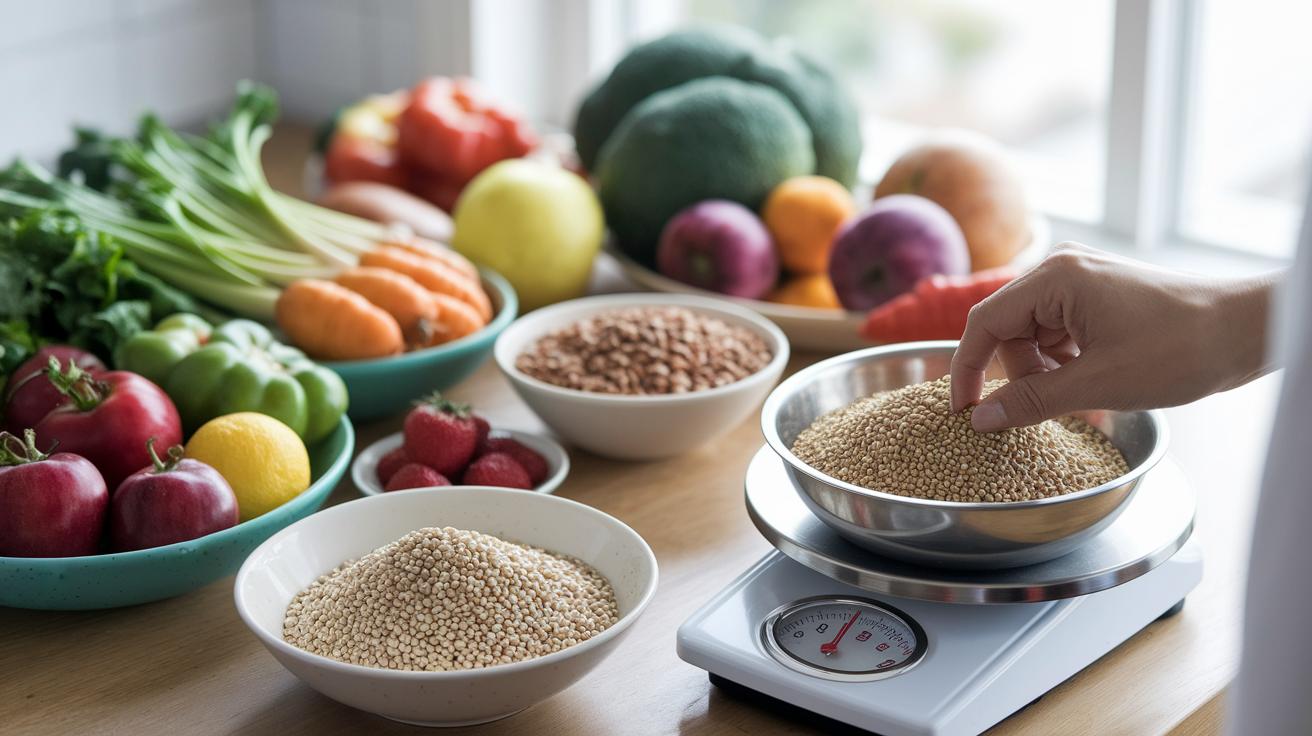
Fiber is like the engine that powers your digestion. It fuels the good bacteria in your gut (tiny helpers) and moves food through your system, keeping things moving so you avoid slow digestion and discomfort.
Colorful vegetables, whole fruits, and whole grains are packed with natural fiber. Aim to eat a mix of these foods every day. Women should try for about 25 grams of fiber daily and men about 35 grams. If you struggle to reach these goals, you might add a supplement such as psyllium husk or ground flax seed. For example, mix ground flax seed into your smoothie to boost your fiber intake.
Fermented foods like kimchi, sauerkraut, and kefir bring live cultures (helpful bacteria) into your gut. These foods support a balanced gut by enriching its natural diversity. At the same time, cutting back on added sugars, saturated fats, and high-sodium processed foods can help reduce bloating, pain, and diarrhea. These dietary tweaks set the stage for a healthier, more balanced digestive system.
Tracking Digestive Symptoms in Your Gut Health Checklist
Keep track of your gut health every day to catch changes you might otherwise miss. Writing down your symptoms helps you see patterns and triggers so you can act early when something feels off.
Start a daily log. Note key signs such as:
- Bloating
- Gas
- Stool consistency (formed and easy to pass)
- Abdominal pain
Record whether your bowel movements feel regular and comfortable. Use a simple scale to rate any discomfort from 1 (mild) to 3 (severe) and note how long the symptoms last. For example, you could write, "Mild gas and slight bloating after dinner lasting about 2 hours." Also, jot down any changes you notice after meals or when you feel stressed.
If your log shows ongoing pain or unusual changes in your bowel habits, share your notes with your healthcare provider. This information helps them understand your situation and offer advice that fits your needs.
Lifestyle Essentials for Your Gut Health Checklist

We brought all the best tips into one clear list so you don't have to sort through repeated advice. This simple guide lets you focus on what really helps keep your gut healthy.
Probiotics, Prebiotics & Supplements in Your Gut Health Checklist
Live cultures and prebiotics help keep your gut balanced by boosting the good bacteria that break down food and protect you from harmful germs.
Yogurt, kefir, and cheese are great dairy choices that support a healthy mix of gut bacteria. If you have trouble with lactose (the sugar in milk), try lactose-free options or goat milk products that might be easier on your stomach. Prebiotic fibers like inulin and oligosaccharides feed your good bacteria. You can find these fibers in onions, garlic, and asparagus. And if your diet is low in fiber, supplements such as psyllium husk or ground flax seed can fill the gap.
Timing is key. Experts recommend taking probiotics about 30 minutes before meals. This helps more of the live cultures survive the stomach’s acid, boosting their benefit. Using both food sources and supplements can create a diverse community of gut bacteria, which is vital for smooth digestion.
Implementing & Monitoring Your Gut Health Checklist

Quick take: Use a simple scorecard and diary to track your gut health day by day.
• Create a scorecard where you rate your meals, water intake, sleep, and exercise on a scale from 1 to 5.
• Each week, review your scorecard and check off what you did while noting any improvements.
• Keep a daily diary to record changes in your gut, such as discomfort or regular bowel movements. Include details about what you ate, how much water you drank, and your sleep quality.
• Look for trends by comparing your scorecard with your diary. If good meals and plenty of water match with fewer issues, focus on those habits.
• Use this routine audit to adjust your meal plan and daily habits, guiding you toward better long-term gut health.
Final Words
In the action, you now have a clear guide to boost your digestive health. You learned practical dietary tips, lifestyle adjustments, symptom tracking, and the benefits of probiotics and supplements. These steps, from fiber and hydration to exercise and stress management, work together to support your overall well-being.
Use this gut health checklist regularly to spot issues early and fine-tune your habits. Small, consistent changes build lasting improvements, so take these steps today and feel more empowered about your digestive wellness.
FAQ
How to improve gut health naturally?
Improving gut health naturally means adopting a balanced diet with plenty of fiber-rich fruits, vegetables, and whole grains, staying well-hydrated, exercising regularly, and managing stress through techniques like meditation.
What is a healthy gut diet plan PDF?
A healthy gut diet plan PDF provides clear instructions to include fiber-rich foods, fermented items, and hydration tips, offering a structured guide that you can print and use to support digestive balance.
What are the worst foods for gut health?
The worst foods for gut health include highly processed meals, added sugars, saturated fats, and excessive red meats. These items can disrupt digestion and lead to inflammation or discomfort.
What does gut health mean (gut check meaning)?
Gut health means your digestive system is balanced and functioning well. It covers proper digestion, nutrient absorption, and a supportive environment for good bacteria in your intestines.
What are the top 10 foods for gut health?
Top foods for gut health include colorful vegetables, whole fruits, whole grains, legumes, nuts, seeds, probiotic-rich yogurt, kefir, fermented vegetables, and bone broth, all helping to nourish and support the gut.
What is a gut health test?
A gut health test evaluates the balance of bacteria and digestive function by analyzing stool samples and sometimes blood. It helps identify imbalances, inflammation, or deficiencies that affect digestion.
What is the best way to check your gut health?
The best way to check your gut health is to combine regular symptom tracking with periodic consultations and lab tests. This approach helps monitor changes, spot issues early, and adjust dietary or lifestyle habits.
What are the 5 R’s of gut health?
The 5 R’s of gut health stand for Remove, Replace, Reinoculate, Repair, and Rebalance. This framework guides you through eliminating irritants, restoring beneficial bacteria, and repairing the gut lining for overall digestive wellness.
What are the 7 signs of an unhealthy gut?
The 7 signs of an unhealthy gut include frequent bloating, gas, irregular bowel movements, abdominal pain, fatigue, skin irritations, and unexplained food sensitivities, signaling that your digestive system may need attention.
What is the 7 day gut reset?
The 7-day gut reset is a short-term plan designed to eliminate common irritants, incorporate nutrient-rich and gut-friendly foods, and give your digestive system a break to restore balance and reduce inflammation.