

Quick Take: Belly pain can be minor or a sign you need urgent care.
Triage Box:
- Call emergency services now if your pain is severe (7 or above on a 1-10 scale), especially if it comes on suddenly.
- Seek same-day medical attention if the pain worsens or you notice other concerning symptoms.
- Track and monitor milder pain at home, and note if it gets stronger or changes.
Have you ever felt a sharp pain in your belly and wondered if it’s just a little ache or a sign to get help? Belly pain can start as a small twinge and sometimes grow into a warning. A pain score of 7 or higher might mean you need to act fast. In this guide, we explain simple steps to track your symptoms and decide when it’s time to seek treatment.
Interpreting Symptom Index for Abdominal Pain: Key Treatment Thresholds
Quick takeaway: High pain scores in your belly might signal a serious issue that needs swift attention.
If you have any of these signs, seek urgent care:
- Severe pain starting suddenly at 7/10 or above.
- Ongoing vomiting or diarrhea that may lead to dehydration.
- Pain that quickly gets worse over time.
Abdominal pain means discomfort between your chest and your pelvic bone. It can be mild or very strong. Sometimes it comes on quickly and lasts less than 1 week (acute). Other times it sticks around for 3 months or more (chronic). In some cases, the pain slowly worsens (progressive).
Many organs can cause this pain, like your intestines, pancreas, liver, gallbladder, kidneys, spleen, and appendix.
A common way to measure pain is using a scale from 0 (no pain) to 10 (worst pain imaginable). If your score is 7 or higher, it can be a sign of a serious problem. For instance, kidney stones might cause pain over 10 with nausea and vomiting, this is an emergency.
Keep a record of your pain details. Note the score, any extra symptoms like fever or blood in your stool, and how long the pain lasts. This helps your healthcare provider decide what to do next.
When in doubt, act now and get help if symptoms worsen or other troubling signs appear.
Using a Belly Ache Severity Scale for Self‐Evaluation
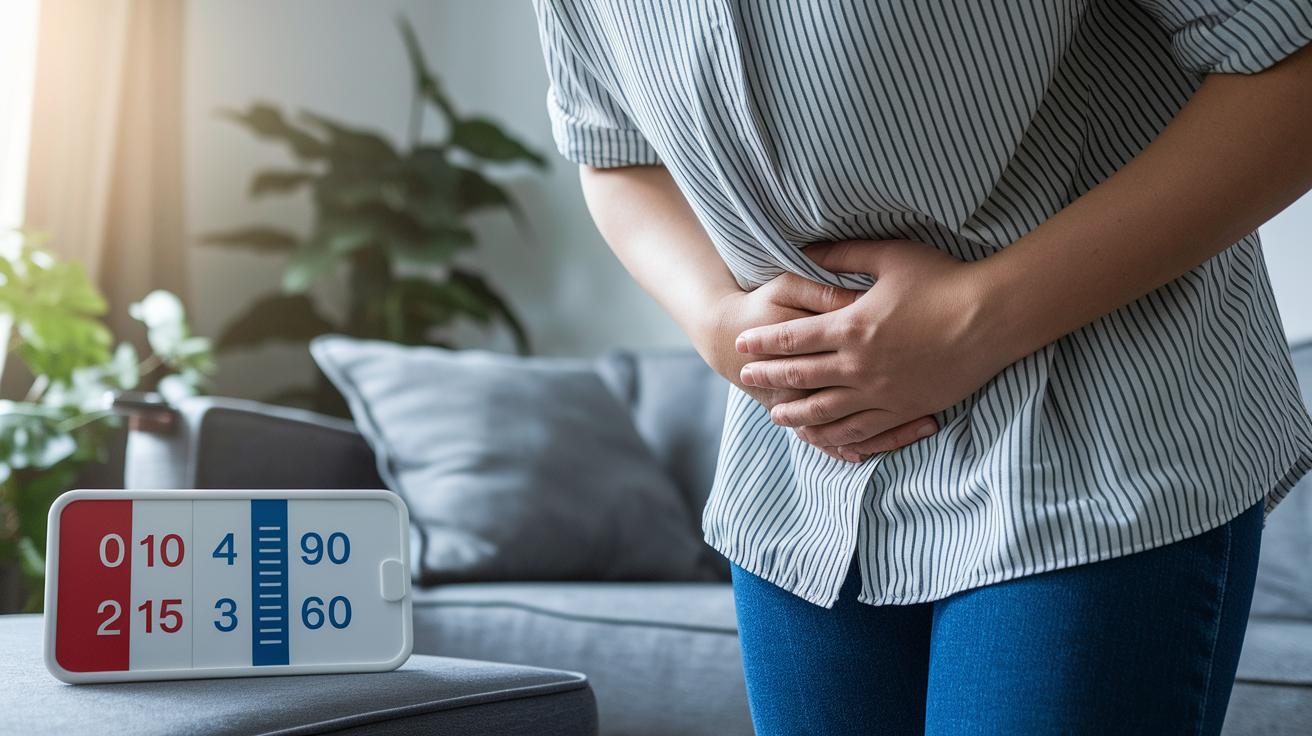
A 0–10 scale lets you quickly see how strong your belly pain is. You score your pain from 0 (no pain) up to 10 (the worst pain you can imagine). Start by rating your pain as soon as you notice it. For instance, after eating dinner you might say, "My pain was a 2," which means you felt only a little discomfort.
A score of 1–3 means you have a light ache that shouldn’t stop you from your normal activities. If your pain is between 4 and 6, you might feel slowed down and could need a break or a medicine from the drugstore. When your score is between 7 and 10, your pain is strong enough to get in the way of what you normally do. At that point, you should consider getting urgent medical help.
Record your pain regularly, say, every hour. Write down the time, your pain rating, and any extra symptoms you notice. This log will help you see patterns and share clear details with your healthcare provider. Taking these steps can help you manage your pain and know when it’s time to seek further care.
Recognizing Red Flag Criteria in Your Abdominal Pain Assessment
If you have severe belly pain, watch for sudden changes. Intense pain can mean serious issues like a burst appendix or kidney stones. If you're vomiting repeatedly, you could be getting dehydrated and might have an infection. A fever over 101°F may signal an infection or inflammation (swelling). Blood in your stool might show internal bleeding, and yellow skin or eyes (jaundice) can point to a liver or bile duct problem. Feeling dizzy or faint is also a warning sign that you might be experiencing internal bleeding or shock.
For example, if the pain starts around your belly button and then moves to your lower right side, it could be appendicitis. Sharp pain that begins along your side and radiates toward your groin is common with kidney stones, especially if you feel nauseous. In women, pelvic pain with vaginal bleeding is a serious sign of an ectopic pregnancy that needs quick evaluation.
Keep an eye on these signs so you know when to get urgent care. Use the checklist below to help you act fast if your symptoms match any of these warnings.
| Warning Sign | What It Indicates |
|---|---|
| Sudden severe pain | May indicate ruptured appendix or kidney stones |
| Persistent vomiting | Risk for dehydration and possible infection |
| High fever (>101°F) | Signals possible infection or inflammation |
| Bloody stools | Can indicate gastrointestinal bleeding |
| Jaundice | Suggests liver or bile duct issues |
| Dizziness/fainting | May indicate internal bleeding or shock |
Digestive Distress Evaluation: Initial Self‐Assessment Protocol

When you track digestive pain, add these extra details to your diary:
- Write down the exact time the pain began and whether it came on suddenly or slowly. For example, "Pain started suddenly at 7 PM."
- Mark the specific spot on your stomach (upper, lower, left, or right). For instance, "Pain in the lower right area."
- List other symptoms like bloating, gas, diarrhea, constipation, or vomiting. Example: "Noticed gas with mild nausea."
- Rate your pain on a scale from 0 to 10.
- Note how long the pain lasts and what makes it better or worse. For example, "Pain worsens after eating and eases with rest."
This checklist helps you notice patterns and warning signs by focusing on when pain starts and what triggers it.
Care‐Seeking Decision Points for Treatment Timing Thresholds
If you’re still in pain after 24 hours of home care, call your doctor. Keep a simple record of your pain. For example, if you rate your pain as 6, and it jumps to 7 or higher and stays there for more than 2 hours, it’s time to get help right away.
When your pain hits 7 out of 10 or above along with ongoing vomiting or signs of dehydration (like a very dry mouth or feeling dizzy), act fast. Here’s what to do:
- Call your healthcare provider if your pain does not get better after 1 day.
- Seek urgent care if your pain is 7 or higher and lasts more than 2 hours.
- Watch out for constant vomiting or clear dehydration signs, such as feeling very dry or dizzy.
Some groups need to act even sooner:
- Young children (under 5 years) may not be able to explain how bad they feel, so any lasting or growing pain should be checked.
- Adults over 65 may recover slower, so getting care quickly is important.
- If you are pregnant, even a small sign of strong belly pain means you should act immediately.
Depending on your symptoms, you might need to call a nurse hotline for advice, set up a same-day visit with your clinician, or go straight to the emergency room if things look serious. Write down when your symptoms started, how long they last, and how strong they are so you can explain your situation clearly when you speak with a healthcare worker.
Differential Diagnosis Cues for Abdominal Pain Severity Index
Gastrointestinal Causes
Some gut issues can cause long-lasting, cramp-like pain along with changes in your bowel habits. Conditions like inflammatory bowel disease (IBD) and irritable bowel syndrome (IBS) may be the cause. If you suddenly get pain with diarrhea or blood in your stool, you might have an infection from a virus or bacteria. Paying attention to the type of pain and any unusual stool changes can help you decide if you need care right away.
Renal and Urinary Causes
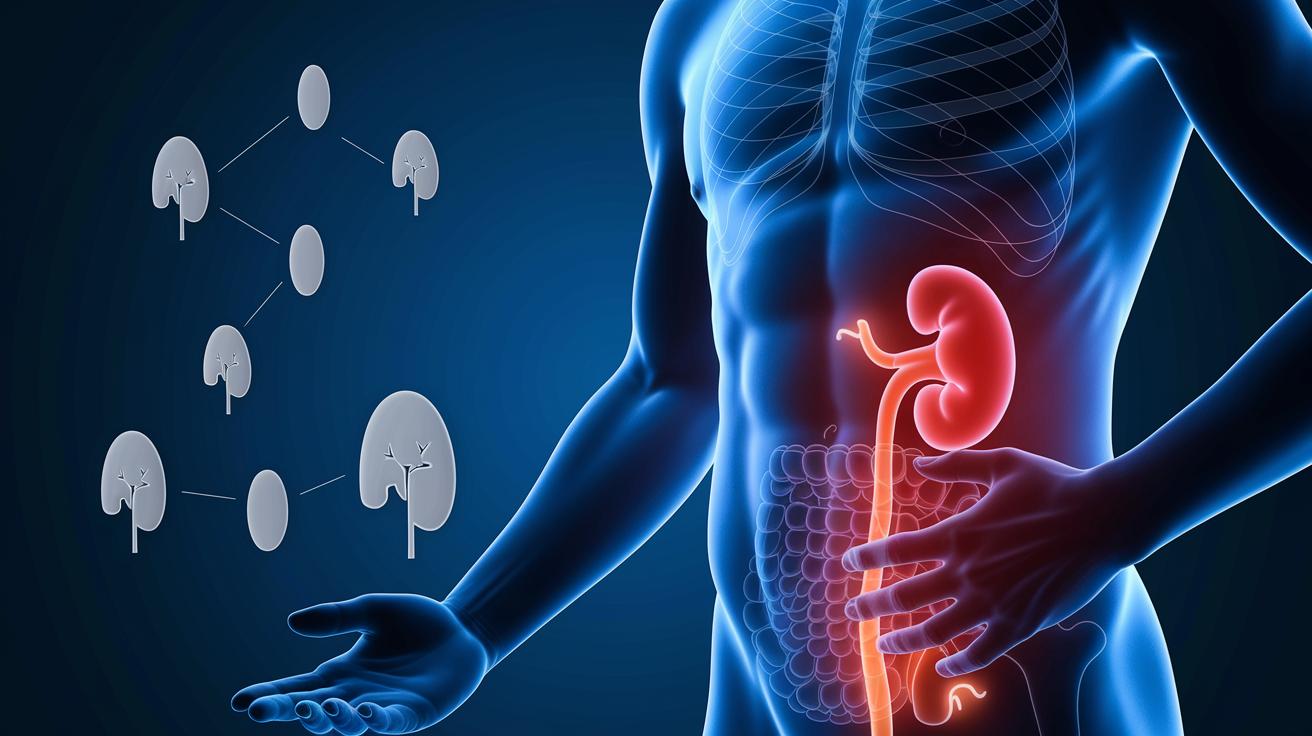
Kidney stones can cause sharp, crampy pain on your side that may spread toward your groin. You might also notice blood in your urine. In contrast, a urinary tract infection usually brings a burning feeling when you pee and a dull ache in your lower belly. These differences in pain and urine symptoms can point to the underlying problem.
Hepatobiliary and Pancreatic Causes
Gallstones can cause discomfort in the upper right side of your tummy, often after eating fatty foods, and you might feel bloated. Pancreatitis (inflammation of the pancreas) usually causes pain in the upper middle part of your belly that can move to your back, a sign often checked by high enzyme levels. Recognizing where the pain is and how it spreads helps tell these conditions apart.
Gynecologic and Vascular Causes
An ectopic pregnancy can cause pain on one side of your pelvis along with vaginal bleeding. Ovarian torsion, a twist in the ovary, leads to sudden, severe pain in the lower belly. Mesenteric ischemia (reduced blood flow to the intestines) often causes pain after meals, especially if you have other risk factors. These signs mean you should seek urgent evaluation.
Final Words
In the action of assessing abdominal pain, this guide broke down treatment thresholds, self-check steps, and red flag indicators into simple terms. It showed you how to use a belly ache severity scale, record changes, and review key warning signs. The guide also outlined what to track in a symptom index for abdominal pain: when to seek treatment, offering clear markers for safe care decisions. Keep monitoring your symptoms and never hesitate to reach out if your pain worsens. Stay proactive and confident in managing your health.
FAQ
How to get admitted to the hospital for stomach pain
The question about hospital admission for stomach pain means that severe pain with high scores on a pain scale, persistent vomiting, or dehydration signals a need for emergency evaluation by clinicians.
When to see a doctor for lower abdominal pain, and when should I be concerned?
The question about when to see a doctor indicates that constant, severe pain lasting over 24 hours or pain with red flags like fever and vomiting warrants prompt medical assessment to rule out serious issues.
What are the types and causes of stomach pain in females?
The question on female stomach pain means that causes can range from menstrual cramps to ovarian issues or gastrointestinal problems; tracking pain patterns and associated symptoms helps guide when to seek further evaluation.
How to get rid of a stomach ache in 5 minutes
The question about quick relief from a stomach ache suggests using simple home remedies like a warm compress, light activity, or over-the-counter antacids, though lasting relief may require addressing the underlying cause.
What does lower abdominal pain with nausea in females indicate?
The question regarding lower abdominal pain with nausea in females indicates possible gynecologic or gastrointestinal causes such as ovarian cysts or food-related issues; monitoring symptoms is crucial, and worsening signs need medical care.
Should I go to urgent care for abdominal pain?
The question on urgent care signals that if abdominal pain is moderate to severe, accompanied by persistent vomiting or dehydration, and does not improve quickly, a same-day medical evaluation or urgent care visit is advised.
What does stomach pain that comes and goes in waves mean?
The question about wave-like stomach pain means the pain may be linked to conditions like gas or bowel spasms; however, if the pain intensifies or is accompanied by other serious symptoms, you should seek evaluation.
What are the 5 F’s of the abdomen?
The question on the 5 F’s relates to risk factors for gallstones: female, fat, fertile, forty, and fair. These factors help clinicians estimate risk but are only one part of the diagnostic process.
What is a red flag for abdominal pain?
The question about red flags for abdominal pain indicates warning signs such as sudden severe pain, high fever, bloody stools, persistent vomiting, or signs of dehydration, which require immediate medical attention.