
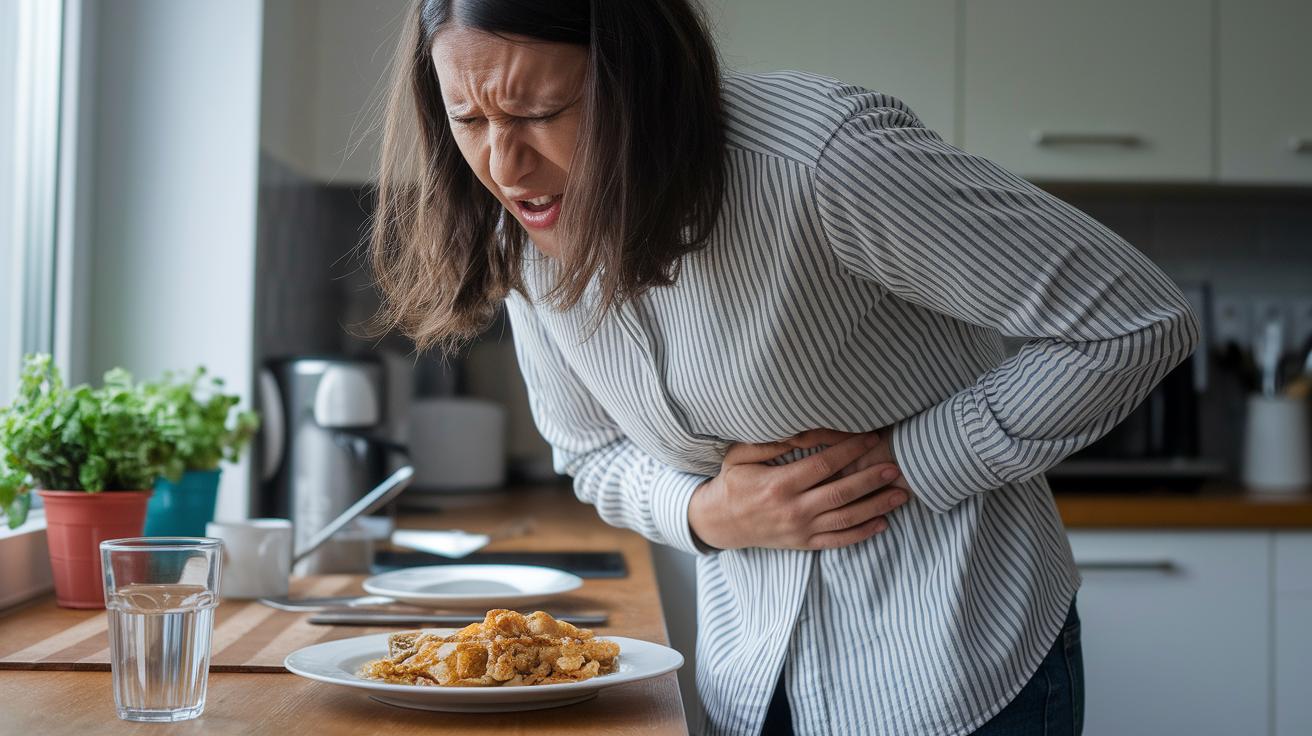

Quick take: Stomach pain after eating can have many causes, but most are not serious, unless you experience red flags.
If you have any of these emergency signs, call emergency services now:
• Severe, unrelenting pain
• High fever (over 102 F)
• Blood in your vomit or stool
• Persistent vomiting or signs of dehydration
Stomach pain after a meal is common. It might be caused by simple indigestion (trouble digesting food), food sensitivity, or even stress. These issues can make your stomach hurt, but they are often manageable at home.
Here’s what to consider:
• Indigestion: This happens when your stomach struggles to break down food, causing discomfort.
• Food sensitivities: Some foods may not agree with your body, leading to pain.
• Stress: Feeling overwhelmed can affect your digestion and trigger pain.
For self-care, try these steps:
- Rest and relax for a bit after your meal.
- Drink water slowly to stay hydrated.
- Monitor your symptoms, note the time, pain level (mild, moderate, severe), and any other signs you feel.
- Avoid trigger foods and try eating smaller meals more often.
If your pain gets worse or lasts more than a few days, reach out to your clinician. Remember, while most stomach pain is not serious, it’s important to check with a healthcare professional if you are worried or if red flags appear.
Stay safe and take care.
Key Reasons for Abdominal Pain After Eating
Quick take: Abdominal pain after meals is common but can signal a more serious problem if red flags appear.
If you have any of these emergency signs, call emergency services now:
- Vomiting blood
- Unexpected weight loss
- Pain that suddenly worsens or lasts more than 2 weeks
A large survey of 54,000 people in 26 countries shows that about 1 in 10 people report belly pain after eating. In this study, 13% of women and 9% of men experienced the discomfort. Many people also notice symptoms like bloating, a swollen stomach, feeling full too quickly (early satiety), constipation, and diarrhea. These issues may seem common, but they can affect your daily life.
You might feel uncomfortably full after a meal or suffer from occasional cramping pains. Some experience one symptom, while others notice several at once. Often, these signs are linked to everyday eating habits and lifestyle choices.
Common triggers include:
- Indigestion and slow stomach emptying
- Food allergies or intolerances (such as eggs, dairy, nuts, shellfish, wheat, or soy)
- Overeating or eating too fast
- Stress-related stomach spasms
- Digestive issues like irritable bowel syndrome (IBS)
- Side effects from certain medications
- Acid reflux or irritation in the upper digestive tract
If you only have occasional discomfort, you might just need to change how and what you eat. But if the pain is severe, lasts longer than a couple of weeks, or comes with red flag symptoms like vomiting blood or sudden weight loss, it’s important to see a healthcare professional for a full evaluation.
Indigestion (Dyspepsia) as a Common Cause of Post-Meal Pain

Quick take: Indigestion after meals is common and usually not dangerous, but you must act if warning signs appear.
If you notice any of these emergency signs, call emergency services now:
- Blood in your stool or vomit
- Unexpected weight loss
- Trouble swallowing
- Yellowing of the skin or eyes (jaundice)
- Symptoms lasting more than 2 weeks
Dyspepsia (indigestion) makes you feel pain or discomfort shortly after eating. You may feel overly full or a burning pain between your belly button and lower chest. This happens when your stomach has trouble breaking down food.
Common triggers include:
- Eating too fast or not chewing well
- Stressful or noisy eating environments
- Exercising right after a meal
To spot dyspepsia, watch for:
- Feeling full soon after you start eating
- A burning or gnawing pain in your upper belly
- General discomfort even if the pain is not severe
For relief, try these simple steps:
- Eat slowly and chew your food thoroughly
- Choose a calm eating spot
- Wait a little while before you exercise after meals
- Consider over-the-counter antacids or acid reducers for extra help
Remember, these changes can ease your discomfort. But if you start noticing any red flags, or if the pain does not get better, see your healthcare provider to be safe.
Food Allergies and Intolerances Linked to Post-Meal Abdominal Pain
Food allergies and intolerances happen when your body reacts differently to certain foods. In a food allergy, your immune system sees a food protein as a threat and sets off responses like gas, bloating, cramps, or diarrhea. With a food intolerance, your body struggles to break down the food without sparking an immune reaction. These reactions can be mild or strong and may continue over time.
Common triggers include eggs, tree nuts, peanuts, shellfish, milk, soy, and wheat. If you feel stomach pain, bloating, or gas after eating foods like these, you might be sensitive to them. Try an elimination diet to help find the culprit, and talk to a doctor for testing and a clear diagnosis. Taking steps to avoid these triggers can reduce discomfort and help you enjoy meals without worry.
Lifestyle and Home Management Strategies for Post-Meal Abdominal Relief
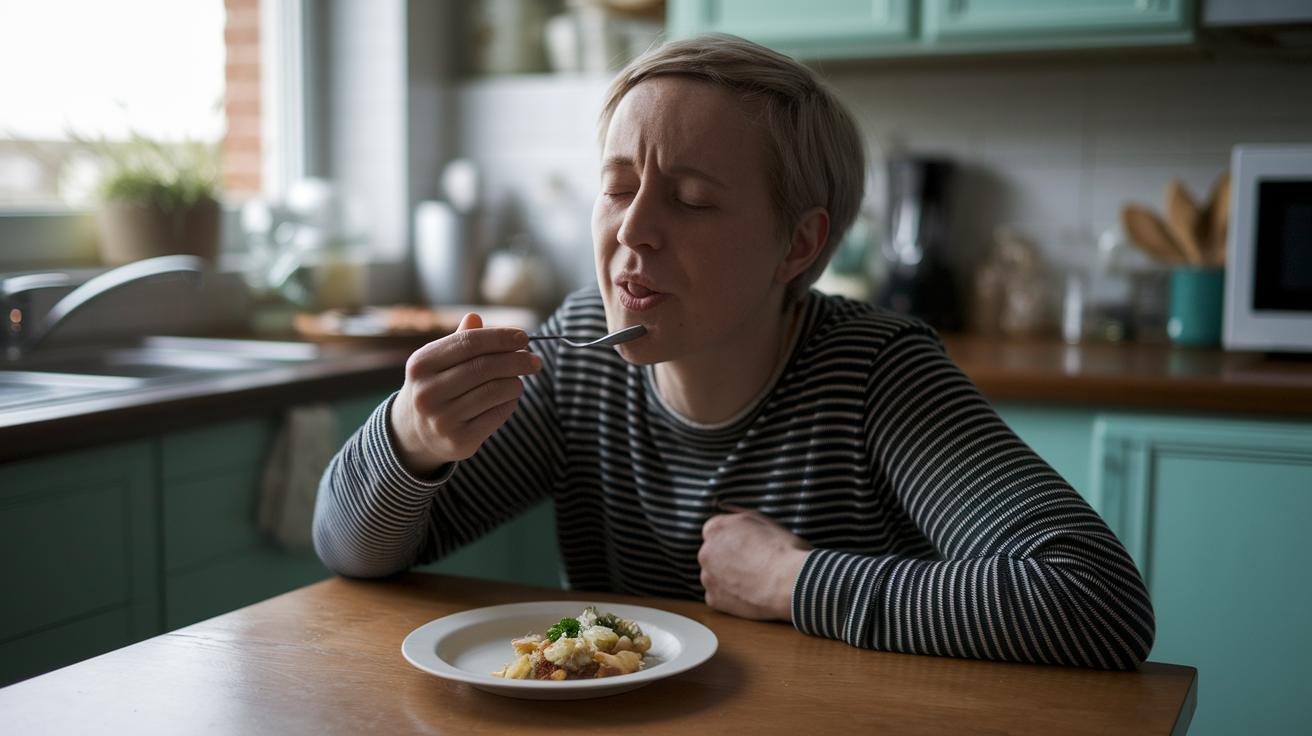
Quick take: You can ease post-meal belly discomfort by watching portions, chewing slowly, and using calm breathing techniques.
What you can do now:
- Use a smaller plate (like an 8-inch plate) to serve modest portions and avoid overeating.
- Chew your food slowly and carefully. This gives your stomach a better chance to digest the meal.
- Breathe slowly during your meal. Sit quietly and try inhaling for 4 counts followed by exhaling for 6 counts. This may help relax your belly.
- Wait at least 30 minutes after eating before you exercise so your stomach can settle.
- If you still feel discomfort, consider a short-term over-the-counter acid reducer while you monitor your symptoms.
Remember to take it easy and listen to your body.
When to Seek Medical Evaluation for Abdominal Pain After Eating
If you have belly pain after eating that lasts more than 2 weeks, or if you experience signs like vomiting blood, blood in your stool, sudden weight loss, ongoing severe pain, trouble swallowing, or yellow skin or eyes, please see a doctor as soon as possible. If you are considered high risk, such as being advised to follow colon cancer screening guidelines, this step is even more important.
Common Diagnostic Approaches
Doctors may use these tests to understand your symptoms:
- Blood tests to look for signs of infection or inflammation.
- Stool tests to check for hidden bleeding.
- Imaging scans (such as CT scans or ultrasounds) to view your abdominal organs.
- A scope test (gastrointestinal endoscopy) to get a close look at your digestive tract.
Remember, this advice does not replace the guidance of your healthcare provider.
Final Words
In the action, we've explored common triggers like food intolerances and dyspepsia, along with how lifestyle habits play a role in abdominal pain after eating. We've reviewed key symptoms and outlined simple steps to ease discomfort.
Remember to track your signs and adjust your eating habits if needed. With careful attention and timely evaluation when red flags appear, you can better manage post-meal issues and feel more confident about your care options.
FAQ
What causes stomach pain immediately after eating?
The stomach pain immediately after eating suggests your body is having trouble digesting food. It may result from indigestion (slow stomach emptying), food intolerances, or eating too quickly.
What does upper middle stomach pain after eating mean?
The upper middle pain after eating means discomfort between your belly button and lower breastbone. It could be linked to indigestion, acid reflux, or even reactions to certain foods.
What might cause lower abdominal pain after eating?
Lower abdominal pain after eating indicates that your lower digestive system might be upset. Common causes include food allergies or intolerances and irregular bowel movements that lead to gas and cramps.
Why does my stomach hurt every time I eat and force me to poop?
The recurring pain with an urge to poop suggests overactivity in your digestive system. It can be due to irritable bowel patterns or sensitivities to specific foods.
Why does my stomach hurt after eating and make me feel like throwing up?
The stomach pain with nausea after a meal signals that your digestive system is under stress. It often relates to indigestion or an adverse reaction to certain ingredients or overeating.
What are some home remedies for stomach pain after eating?
Home remedies for post-meal stomach pain include eating slowly, chewing food well, limiting portion sizes, and using over-the-counter antacids when needed. Reducing stress during meals can also help.
What might cause upper middle stomach pain after eating along with diarrhea?
The combination of upper middle pain and diarrhea suggests a digestive upset. It can stem from indigestion, food intolerances, or an allergic reaction affecting your gut.
What can cause severe upper abdominal pain after eating?
Severe upper abdominal pain after eating may indicate a serious condition. It can be related to intense indigestion, pancreatitis (inflammation of the pancreas), or acid reflux and should be evaluated by a professional.
How soon after eating does pancreatitis pain start?
Pancreatitis pain often begins within a few hours after eating. This pain is usually severe and requires urgent medical attention if it persists.
Why does my stomach hurt after not eating?
Stomach pain when not eating can result from acid build-up or gastritis. Without food to absorb acid, your stomach lining may become irritated, leading to discomfort.