
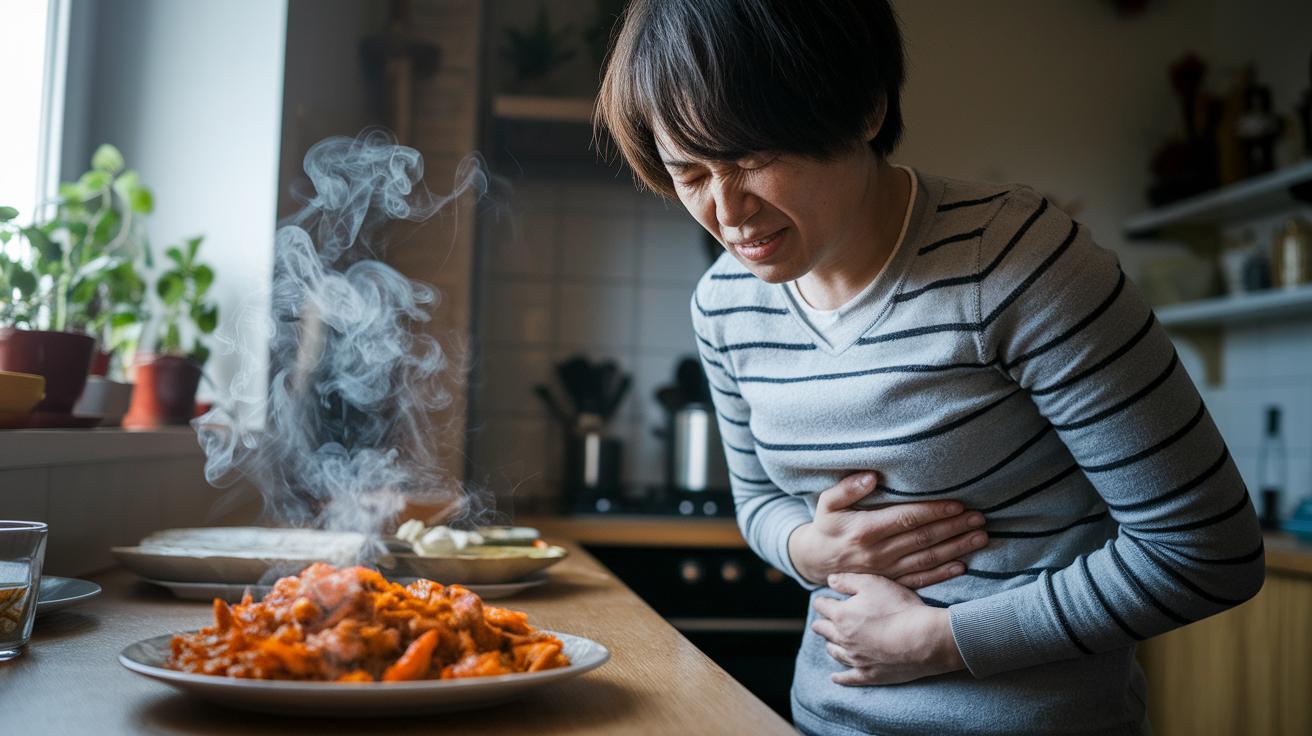

Quick take: Spicy food can burn your stomach, and frequent pain might be a sign to get checked.
If you experience severe stomach pain, chest pain, or constant vomiting after eating, call emergency services now (911).
If the pain happens often or worsens, seek same-day medical advice.
Eating spicy foods can sometimes leave your belly feeling like it’s on fire. That burn happens because capsaicin (the hot chemical in chili) irritates your stomach lining. Usually, this is normal. But if you feel pain often, it could be a sign of acid reflux (when stomach acid flows back into the esophagus).
To ease the burn, try these simple steps:
• Drink a glass of water to help cool and soothe your stomach.
• Eat something bland, like bread or rice, to protect your stomach lining.
• Avoid spicy foods for a while to give your stomach a rest.
Keep track of your symptoms. Write down when the pain starts, how long it lasts, and if you notice other signs like nausea or dizziness. This information can help your clinician figure out the cause and suggest the right treatment.
Your comfort matters. If you’re worried or the pain continues, it’s a good idea to talk with a doctor.
Why Belly Pain Strikes After Spicy Meals
Quick take: Spicy food can cause burning belly pain due to capsaicin (the heat from chili) irritating your stomach and triggering acid reflux.
If you have any of these emergency signs, call emergency services now:
- Severe chest pain, trouble breathing, or intense vomiting
If you notice these urgent issues, seek same-day medical care:
- Sharp pain that worsens quickly
- Frequent burning or severe nausea
For milder symptoms, try self-care:
- Eat less spicy meals
- Track your symptoms and adjust your diet accordingly
When you eat spicy food, capsaicin can irritate your stomach lining, causing a sharp, burning feeling. This irritation may feel like a mild burn inside your belly. Sometimes, a weak valve at the top of your stomach (lower esophageal sphincter) lets acid slip into your esophagus. This acid reflux makes the burning sensation worse and may bring on nausea or bloating.
Imagine biting into a chili and suddenly feeling a rush of heat from your stomach to your chest. This is acid reflux at work. Spicy meals put extra work on your digestive system, which can lead to reflux and pain. A little burning after eating might be normal, but if it happens often, it could signal a problem.
Keep an eye on how your body reacts to spicy foods. Adjusting your spice intake or talking with a healthcare provider can help you enjoy meals without the discomfort.
Common Digestive Disorders Triggered by Spicy Cuisine
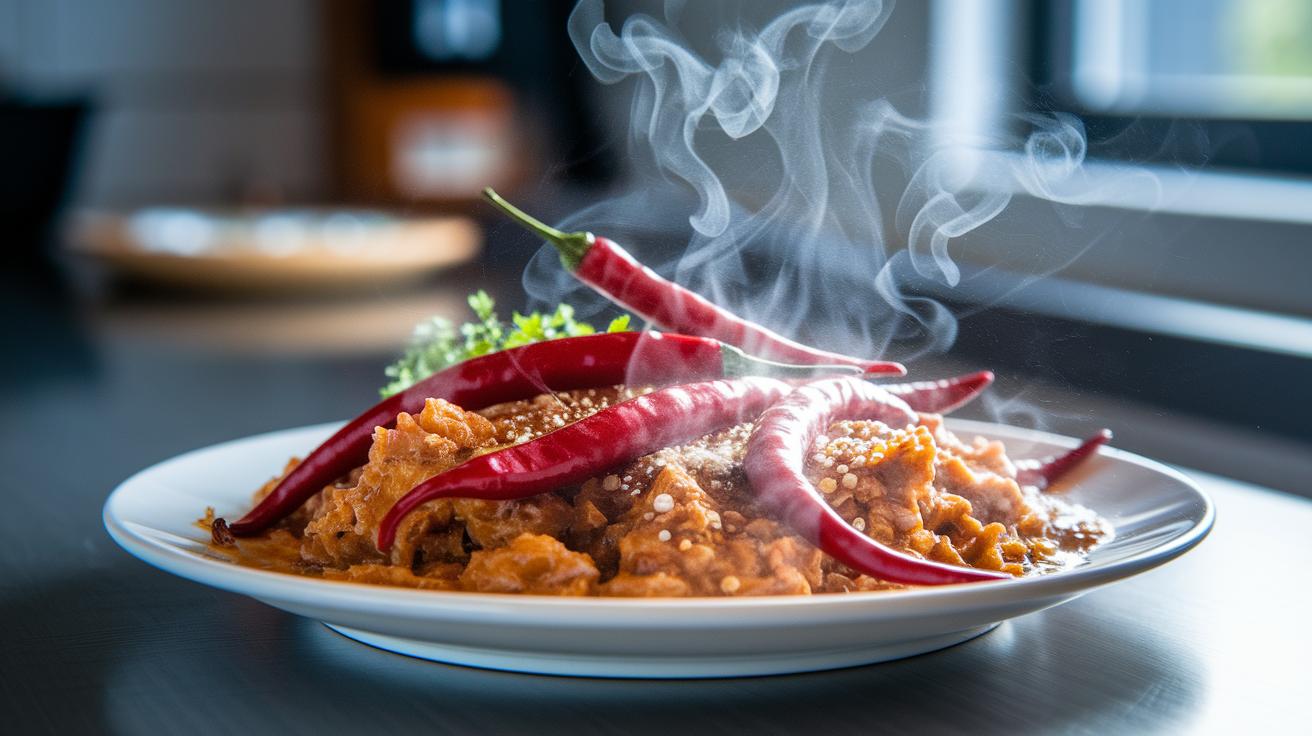
Quick take: Spicy food can upset your gut and cause pain. If you have any of these emergency signs, call emergency services now:
- Severe chest or stomach pain
- Trouble breathing
- Difficulty swallowing
Spicy food can upset your stomach when a compound called capsaicin (the element that gives chili peppers their heat) irritates the stomach lining. This irritation can allow stomach acid to rise into the esophagus, a condition known as acid reflux. You may feel heartburn, nausea, a bloated feeling, or even pain behind your breastbone and a sour taste in your mouth after a spicy meal.
Gastritis is when the stomach lining becomes inflamed. Eating spicy food can trigger this, making your stomach feel tender. You might experience nausea, vomiting, or feel full very soon after you start eating. It can feel like a nagging discomfort following your meal.
Dyspepsia, also called indigestion, typically shows up as bloating and a general sense of stomach discomfort. This can happen if you eat too quickly or if your digestive system is already stressed. You could feel like your stomach is working much harder than usual after eating.
Peptic ulcers are a more serious matter. They occur when stomach acid slowly wears away the stomach wall, causing a burning or gnawing pain that lingers. If your discomfort continues regularly, it’s important to see your healthcare provider.
| Condition | Cause | Key Symptoms |
|---|---|---|
| Acid Reflux (GERD) | Stomach acid rising into the esophagus | Heartburn, nausea, bloating |
| Gastritis | Inflammation of the stomach lining | Nausea, vomiting, early fullness |
| Dyspepsia (Indigestion) | Eating too quickly or stressful digestion | Bloating, discomfort, gas |
| Peptic Ulcers | Stomach acid eroding the stomach wall | Burning or gnawing pain |
Recognizing Symptoms: Differentiating Mild Discomfort from Serious Distress
Quick take: Mild stomach discomfort after spicy food is common, but severe or lasting pain needs medical attention.
If you have any of these emergency signs, call emergency services now:
• Severe upper belly pain that does not go away
• Constant nausea or repeated vomiting
• Blood in your stool
Urgent steps:
• If your pain is strong or lasts more than a few hours, seek same-day medical care.
• If you experience changes like ongoing cramping with diarrhea or constipation, contact your doctor.
Mild discomfort is typical after eating spicy food. You might feel a brief cramp or a sour, burning sensation in your chest from acid reflux. This burning feeling (acid reflux brings a burning pain in your chest) or a light stomach ache is your body reacting to ingredients like capsaicin. A gentle walk or a warm drink can help settle your stomach.
Sometimes, the pain can be more intense. If you have continuous upper abdominal pain along with nausea or vomiting, you might have gastritis, which means the lining of your stomach is inflamed. Such symptoms make eating less enjoyable and more painful.
Other symptoms may point to different conditions. For example:
• Cramping with diarrhea, constipation, gas, fatigue, or sleep troubles may indicate irritable bowel syndrome (IBS).
• Diarrhea, bloating, gas, anemia, or mood shifts might be signs of celiac disease.
• Severe cramps, ongoing diarrhea, fatigue, or blood in the stool can be red flags for inflammatory bowel disease (IBD) such as Crohn’s disease or ulcerative colitis.
Track your symptoms:
• Write down when the pain starts, its severity, and how long it lasts.
• Note any specific spicy foods that trigger your discomfort.
• Use this tracker to decide if your symptoms are mild or if you need to seek professional care.
Effective Home Remedies to Soothe Belly Pain After Spicy Food
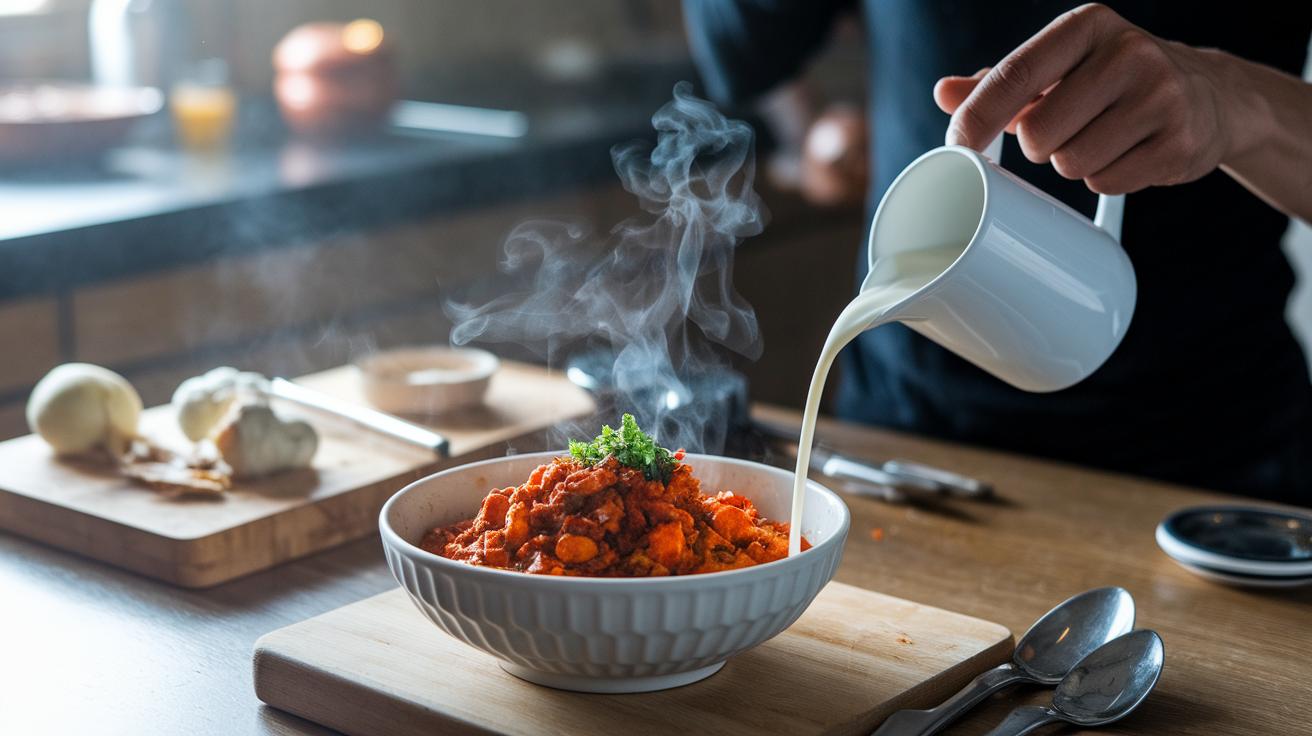
Quick take: Spicy food can irritate your stomach, causing pain that you can ease with simple remedies.
Triage: If you have severe pain, feel very sick, or experience dizziness, call emergency services right away.
When your belly hurts after a hot meal, try these steps:
• Drink a small glass (8 oz) of nonfat milk to quickly calm your stomach acid. For instance, sip some milk after you eat, it might help you feel better in minutes.
• Take small sips of water over an hour (around 4–6 oz total) instead of drinking a lot at once. This helps avoid overfilling your stomach.
• Chew sugar-free gum for a few minutes after eating. Chewing increases your saliva, which naturally carries bicarbonate (a substance that helps neutralize acid).
• Use an OTC antacid if needed. Follow the label instructions for the right dose to get relief fast.
• Brew a cup of ginger tea or chew a small piece of fresh ginger to soothe nausea. Use about 1 teaspoon of grated ginger in your tea.
• Consider trying Iberogast if you often feel bloated or crampy. Always follow the product’s dosing instructions carefully.
• Avoid eating spicy meals for 2-3 hours before bed. Giving your stomach time to settle can help reduce acid reflux and discomfort.
Preventive Meal Strategies to Minimize Post-Spice Discomfort
Quick take: If spicy food leaves you with burning or upset stomach, try these simple meal changes.
If you feel severe pain, burning that won’t stop, or trouble breathing, call emergency services now.
Spicy meals can upset your stomach because of capsaicin (the chemical that causes a burning feeling). Cutting back on portion sizes helps your stomach manage this heat better. For example, have a small serving of your favorite chili dish and add a side that soothes digestion.
Pair spicy foods with bland starches like rice or bread. These plain foods can lower the capsaicin’s effect and may help reduce acid reflux.
Switch to milder peppers. For instance, using poblano instead of jalapeño gives you flavor without too much heat. You can also cook your spices in oil first. The oil helps lessen the capsaicin’s strength.
Lastly, finish your meal a few hours before you lie down. This gives your stomach time to digest and lowers the risk of reflux.
Checklist for a comfortable meal:
• Eat smaller portions
• Pair spicy items with bland starches
• Choose milder peppers
• Cook spices in oil
• Finish eating well before bed
When to Consult a Healthcare Professional for Abdominal Pain

Quick take: Severe or constant belly pain after spicy food might mean you need care fast.
Call emergency services now if you have any of these signs:
- Vomiting blood or seeing black, tarry stools
- Cramp-like pain that lasts for more than a few hours or comes back several times each week
- Dizziness or other signs of severe dehydration, especially if you are 65 or older
- Unexplained weight loss, a sharp pain in one spot, or trouble swallowing
These signs go beyond normal discomfort after eating. They could point to a problem in your stomach or intestines. If you notice any of these symptoms or you are in a higher-risk group, please get evaluated by a healthcare professional right away.
Chronic Conditions That Heighten Sensitivity to Spicy Foods
Spicy foods can really upset your stomach if you deal with IBS, IBD, or celiac disease. These conditions make you more sensitive to chemicals like capsaicin (the spicy ingredient) and other irritants. Knowing your usual reaction can help you steer clear of flare-ups.
If you have IBS, you might get more cramps or diarrhea after eating something spicy. Try keeping a food diary. For instance, you could note: "After eating a spicy taco at 7 PM, I felt moderate cramps."
People with IBD, like Crohn’s disease or ulcerative colitis, may face strong flare-ups. This might show up as sharp abdominal pain or even more intestinal bleeding. Sticking to a set diet and watching your symptoms closely can help.
For those with celiac disease, spicy foods mixed with gluten sauces can quickly upset your stomach. You may feel pain and bloating soon after eating. Tracking these changes can help you choose safer foods.
| Condition | Common Reactions | Management Tips |
|---|---|---|
| IBS | Cramps, diarrhea | Keep a food diary; note times and severity |
| IBD | Severe flare-ups, sharp pain | Follow a set diet; talk to your doctor |
| Celiac | Fast GI upset, pain, bloating | Avoid gluten in spicy sauces; monitor symptoms |
If your symptoms get worse after a spicy meal or flare-ups become more frequent, adjust your diet and talk to your healthcare provider about next steps.
Final Words
In the action, we reviewed how spicy meals trigger stomach discomfort through capsaicin and reflux. We explained common digestive disorders and detailed when to act if symptoms worsen. You learned practical steps like using milk, water, and OTC remedies to ease belly pain after eating spicy food. We also shared meal strategies to reduce flare-ups and identified red flags that need prompt professional care. Keep these pointers in mind to manage and enjoy your meals with more ease and fewer worries. Stay safe and feel better soon.