


Quick take: Most skin irritations can be eased with simple, gentle care.
If you have any of these signs, seek medical attention now:
• Severe pain or the pain lasts more than 24 hours
• Redness or swelling spreads quickly or turns into pus
• You have a fever or feel very unwell
Redness and discomfort can feel like your face is under attack. You are not alone. It can be scary when irritation takes over, but there are easy ways to help your skin feel better fast.
Try these steps:
• Place a cool compress on your skin to reduce swelling.
• Wash your face gently with a soft cleanser that does not irritate your skin further.
These small actions may help calm the irritation and let your skin rebuild its natural barrier over time. With a few simple daily steps, you can move from discomfort to lasting relief.
Quick Steps to Calm Skin Irritation on Face
Quick action can ease redness and discomfort. When you respond right away, you help your skin rebuild its natural barrier and cut down on swelling, which can stop flare-ups.
Taking care of irritation quickly limits sensitivity and stops the cycle of discomfort. For example, a cold compress can reduce swelling fast. Small steps now lead to big benefits later.
- Cleanse with a gentle, pH-balanced cleanser.
- Apply a cold compress for 5-10 minutes.
- Pat on a hydrating serum with hyaluronic acid.
- Dab on some aloe vera gel or chamomile infusion.
- Seal in moisture with a fragrance-free moisturizer.
- Protect your skin with mineral SPF 30+.
- Mist with a soothing toner throughout the day.
Stick with these steps every day to support your skin's healing. Always do a patch test before trying new products to avoid extra irritation. With gentle care and careful monitoring, you can enjoy lasting comfort and a healthier skin barrier.
Understanding What Triggers Facial Skin Irritation

Quick take: Many external, internal, and immune factors can make your facial skin feel red and irritated. If you notice severe or worsening irritation, contact your healthcare provider right away.
Environmental Factors
Dry air, cold winds, and extreme temperatures can strip moisture from your skin. Pollen in the spring or fabrics made from synthetic materials can further irritate sensitive skin. This extra stress makes your skin lose moisture fast, leaving it red and uncomfortable, and may even weaken its natural barrier.
Immune Triggers and Allergens
Allergens like pollen, certain foods, and some ingredients found in skincare products can set off your immune system. When you come in contact with these triggers, your body releases histamines (chemicals that fight invaders). This release causes the redness, swelling, and burning you might feel on your face. Knowing and avoiding these triggers can help reduce irritation.
Internal Contributors
Your gut health plays a key role in your skin’s condition. About 70% of your immune cells live in your gut, so any imbalance there can show up as skin irritation. Hormonal changes can also affect your skin by reducing its ability to hold moisture. These internal changes can weaken your skin's natural barrier, making it more prone to irritation and inflammation.
Natural Home Remedies for Soothing Inflamed Facial Skin
Quick take: Simple natural remedies can help calm mild facial inflammation at home.
Triage Box:
• If your skin becomes very painful, develops blisters, or you feel feverish, seek medical care right away.
• If your redness spreads or you have trouble breathing, call emergency services now.
For a gentle remedy, try mixing fresh aloe gel (scooped from an aloe leaf) with cooled chamomile tea that you brewed for 10–15 minutes. Aloe helps ease swelling and redness. Chamomile soothes and relaxes your skin. Use clean fingers to apply the blend lightly, leave it on for 10–15 minutes, and then rinse off with lukewarm water. This simple mix uses natural ingredients that work together to reduce inflammation and support your skin.
Cooling your skin can also offer quick relief. Place cold cucumber slices on your face or use a gel mask with cucumber extract. Cucumber cools down your skin and can reduce redness by slowing blood flow. A small dab of raw honey may help, too; it pulls moisture into your skin while fighting bacteria. You can also blend a little ground oatmeal with water to make a paste. Apply it to the red areas and let it sit for about 10 minutes. This paste helps calm irritation and the burning feeling on inflamed skin.
Another easy method is a green tea compress. Brew a cup of green tea and let it cool completely. Then, soak a soft cloth in the tea and place it on your face. Doing this once a day can lower redness and soothe irritation, thanks to the antioxidants (natural chemicals that reduce inflammation) in green tea. Remember, when making these remedies at home, avoid using harsh exfoliants, glycolic acid, synthetic fragrances, or strong essential oils, as these can worsen irritation and remove natural moisture from your skin.
Over-the-Counter Solutions to Calm Irritated Facial Skin
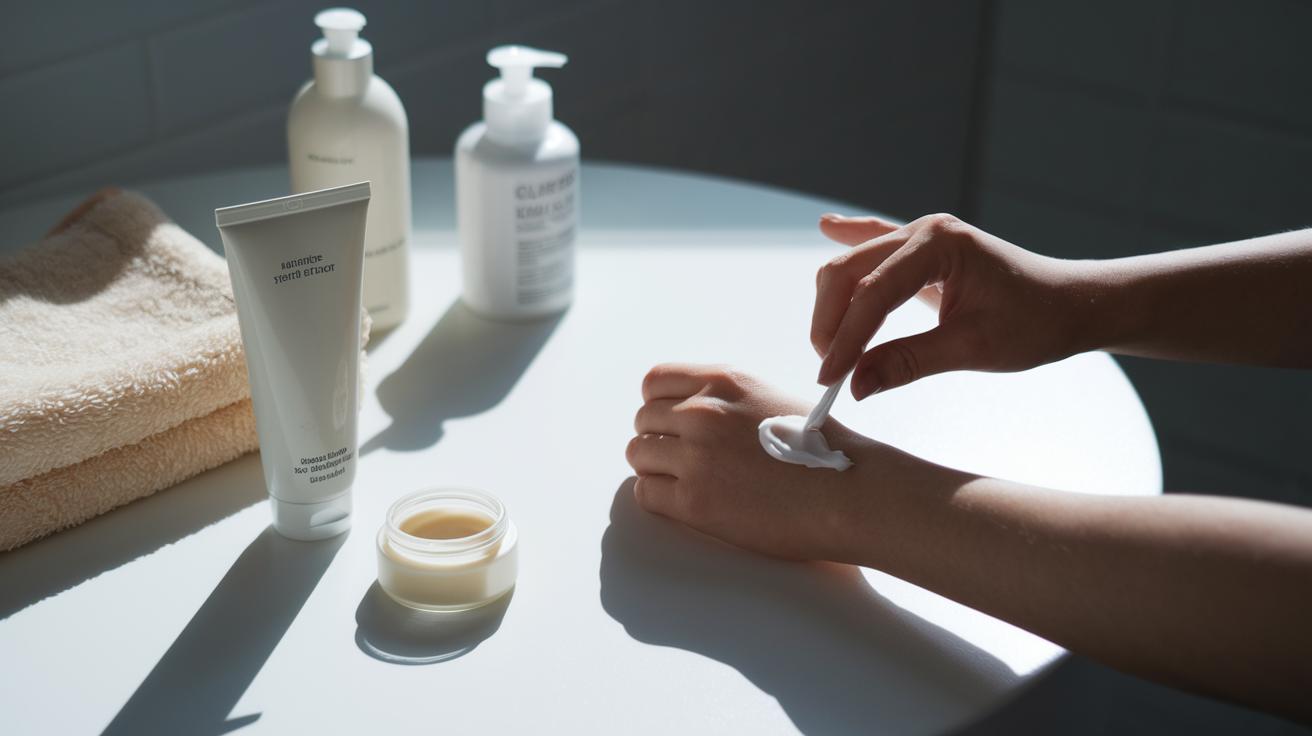
Quick take: Use gentle, fragrance-free remedies to ease irritated skin. If your redness or discomfort worsens, seek advice from your clinician.
Pick products that are fragrance-free and non-comedogenic (won’t block pores) to calm your skin safely. These products avoid extra triggers while using strong ingredients to soften inflammation and rebuild your skin’s barrier.
Calming Creams
Calming creams with ceramides and niacinamide (a form of vitamin B3 that soothes irritation) work to repair and protect your skin. Ceramides help lock in moisture and prevent dehydration. Regular use can lessen redness and make your skin feel smoother.
Soothing Serums
Serums with hyaluronic acid and bisabolol offer deep hydration and help reduce swelling. Hyaluronic acid pulls water into your skin without clogging pores. Bisabolol, a natural soothing ingredient, lowers redness and discomfort. This light treatment works fast to ease irritation.
Cooling Gels and SPF
Cooling gels made with aloe vera or cucumber extract give an instant, refreshing coolness that can reduce swelling and redness. When these are combined with a mineral-based SPF 30 that uses zinc oxide or titanium dioxide, they protect your skin from the sun while keeping it calm and comfortable.
| Product Type | Key Ingredient | Primary Benefit |
|---|---|---|
| Calming Cream | Ceramides, Niacinamide | Repairs skin barrier and locks in moisture |
| Soothing Serum | Hyaluronic Acid, Bisabolol | Deep hydration and reduced inflammation |
| Cooling Gel & SPF | Aloe Vera, Mineral Sunscreen | Cooling relief and sun protection |
Gentle Skincare Routines to Support Facial Barrier Recovery
Your daily routine can calm irritation and strengthen your skin. Start each day with a sulfate-free, pH-balanced cleanser that cleans gently. If you use a toner, choose one without alcohol so that it refreshes without causing any extra irritation. Next, apply a lightweight, fragrance-free moisturizer loaded with glycerin and ceramides (ingredients that help lock in moisture). Finish up by always using a broad-spectrum SPF to keep harmful rays away.
Each week, give your skin a little extra care. Use a hyaluronic acid mask once weekly to boost hydration and help firm your skin. Limit gentle exfoliation to once a week to protect your essential moisture. When cleansing, opt for cool water instead of hot and steer clear of alcohol-based toners to avoid dryness.
When to Consult a Dermatologist for Facial Irritation

Quick take: If your face stays irritated for over 2 weeks or shows worrisome signs, get help now.
Triage Box:
Call for care if any of these are present:
- Severe burning or pain
- Intense swelling
- Signs of infection such as pus or oozing
- Chemical burns from acids or exfoliants
- Allergic reactions that make redness worse or cause unusual pain
Persistent irritation or these red flags mean over-the-counter remedies may not be enough. Your skin might need a custom treatment plan to stop long-term damage.
When you see a dermatologist, they will check your skin closely. They will ask about your skincare routine, recent changes, and any new exposures. You might be prescribed treatments like topical steroids (creams that reduce swelling) or calcineurin inhibitors (medications that calm inflammation) so your skin can heal safely.
Final Words
In the action, you learned simple, practical steps to soothe irritated facial skin. We covered immediate home remedies like a gentle cleanser, cold compress, hydrating serums, and natural options such as aloe vera. You also saw the value of over-the-counter solutions and gentle daily routines that help protect your skin barrier. Tips on red flags and when to seek professional help were provided to keep you safe. Follow the steps on how to calm skin irritation on face to relieve redness and discomfort, and enjoy caring for your skin with confidence.
FAQ
How can I quickly reduce redness on my face?
The approach to quickly reduce facial redness involves gentle cleansing, using a cold compress for 5–10 minutes, applying a hydrating serum, and sealing with a fragrance-free moisturizer to calm the skin fast.
How can I naturally soothe and calm irritated skin on my face?
The method to naturally soothe irritated skin includes using gentle, fragrance-free products, cool compresses, and calming ingredients like aloe vera and chamomile to relieve discomfort and reduce inflammation.
What should I do if my face is burning, red, and dry?
The steps for a face that is burning, red, and dry include applying a cold compress immediately, then using soothing aloe vera or chamomile gel and a hydrating, fragrance-free moisturizer to restore comfort.
How can I permanently reduce facial redness?
The strategy to permanently reduce facial redness involves establishing a consistent, gentle skincare routine that avoids harsh irritants and addresses triggers, thereby strengthening your skin’s barrier over time.
What are effective home remedies for itching on my face?
The remedy for facial itching includes using a cool compress, applying an oatmeal mask, and choosing fragrance-free products to calm irritation and reduce the urge to scratch.
How do I treat contact dermatitis on kids?
The method for treating contact dermatitis in kids involves using a gentle cleanser, applying a cool compress to ease inflammation, and using a mild, fragrance-free moisturizer while consulting a pediatrician for ongoing issues.
How do I treat perioral dermatitis in kids?
The approach to treating perioral dermatitis in kids starts with a very gentle skincare routine and avoiding irritants; it is best to consult a pediatric dermatologist for specialized treatment and guidance.