


Quick take: A headache on one side may send clear signals that you need to act quickly.
If you have any of these emergency signs, call emergency services now:
• A sudden burst of severe pain
• Blurry vision or vision loss
• Trouble speaking clearly
This guide explains five clear signs that your one-sided headache could be a migraine. When you feel a sharp, pulsing headache that comes with changes in your vision or speech, it may be more than just a headache. Recognizing these clues early can help you get faster, safer relief. Read on to learn what to watch for and when to seek help.
5 unilateral migraine signs spark relief
Quick take: One-sided migraines bring sharp, pulsing head pain that can ease with the right treatment.
If you have any of these signs, call emergency services now:
- Sudden, very severe headache
- Confusion or trouble speaking
- Weakness or numbness on one side
- New vision loss or blurry vision
Urgent: Seek same-day care if you notice unusual changes in your migraine pattern or if the pain suddenly becomes much worse.
Watch and self-manage: Track your headache’s start, duration, and any extra symptoms in a diary to share with your clinician.
Unilateral migraines often cause strong, one-sided head pain that gets worse with movement. You might feel a throbbing pulse as your head hurts more when you move. These episodes can last from 4 to 72 hours, and the pain usually sticks to one half of your head. They happen because your blood vessels and facial nerve (trigeminal nerve) react in unusual ways. Right treatment can help bring relief.
Around 30% of people see an aura, a short period of visual changes such as zig-zag lines or blind spots, just before the pain starts. Even then, the pain stays on one side of the head. Besides the pulsing pain, you may also become extra sensitive to light and sound. These additional symptoms can make the migraine feel even tougher.
Studies show that millions around the world deal with these one-sided headaches. Abnormal nerve signals are a common trigger. Up to 40% of people also feel nauseous, and some even experience vomiting. Noticing these signs can lead to an earlier diagnosis and faster care. Keeping a headache diary where you record the start time, duration, and symptoms can
Neurological Aura and Visual Disturbance Patterns in Unilateral Migraine Signs

Quick take: About 30% of people with migraines see warning signals, like flashing zig-zag lines or tingling, before the headache begins.
If you see any of these emergency signs, call emergency services now:
- Severe one-sided weakness, especially if it happens suddenly
- Trouble speaking or other unusual changes
If you notice these signs and they worry you, seek urgent care. Otherwise, keep monitoring and follow your usual migraine plan.
Many migraine sufferers (about 30%) experience a warning phase called an aura before the head pain starts. You might see quick flashes of zig-zag lines, have blind spots, or notice your vision become blurry. These changes usually last for 5–60 minutes before the headache begins. For example, a brief burst of zig-zag patterns can signal that a migraine attack is on its way.
Auras can also affect how your body feels. You might feel tingling or numbness on one side of your face or body. In rare cases, known as hemiplegic migraine, these changes could lead to temporary one-sided weakness. These signs come from a shift in nerve activity that triggers the symptoms.
Key points:
- Visual warnings: zig-zag patterns, blurred vision, or blind spots
- Sensory changes: tingling or numbness on one side of the body
- Duration: usually 5–60 minutes before the headache begins
Recognizing these signals can help you prepare and take early steps to manage your migraine symptoms.
Sensory Sensitivity in Unilateral Migraine Signs: Photophobia, Phonophobia, and Gastrointestinal Clues
Unilateral migraines can make you extra sensitive to light and sound. Many people (about 80%) say that bright light (photophobia) and loud noises (phonophobia) make their headache worse. For example, you might find yourself squinting when you walk into a sunny room or feel more pain when a phone rings.
Nausea shows up in around 40% of migraine attacks and can lead to vomiting in about 25% of cases. One person shared, "I feel so sick that I can barely keep food down," showing that feeling sick with a bad headache is common.
Other signs include pain when you touch your face or scalp lightly and dizziness, which happens in up to 15% of cases.
Key signs to watch:
- Extra sensitivity to light and sound
- Nausea with headache, sometimes with vomiting
- Tenderness on the face or scalp
- Dizziness
Noticing these signs can help you tell a migraine apart from other types of headaches.
Differentiating Unilateral Migraine Signs from Other One-Sided Headaches

Quick Take: Different one-sided headaches show up in distinct ways by how long they last and how they feel.
If you have any of these emergency signs, call emergency services now:
- Sudden severe pain with vision loss or confusion
- New weakness or numbness on one side
- Difficulty speaking or walking
If your headache comes with serious nausea, vomiting, or neurological issues, seek urgent care.
Unilateral migraines typically stick around for 4–72 hours. You might feel a pounding, throbbing pain that hurts more with movement. They often come with light sensitivity and noise sensitivity, and you might feel sick.
Cluster headaches hit fast and fade quicker, usually lasting 15–180 minutes. These headaches bring very sharp, intense pain along with signs such as tearing, a runny or blocked nose, and a restless feeling. They often occur at the same time each day.
Tension-type headaches are different. They usually affect both sides of your head with a steady, pressing sensation. You won’t notice much light sensitivity or nausea, and your pain usually doesn’t get worse when you move.
Key diagnostic cues:
| Headache Type | Main Features |
|---|---|
| Unilateral Migraine | Long-lasting (4–72 hours), throbbing pain, light and sound sensitivity, nausea |
| Cluster Headache | Short duration (15–180 minutes), intense pain, tearing, nasal congestion, restlessness |
| Tension-Type Headache | Bilateral, steady pressure, no worsening with movement, minimal light sensitivity or nausea |
Your healthcare provider will review your history and symptoms to rule out other causes like temporal arteritis (inflammation of the arteries in your head) or trigeminal neuralgia (facial nerve pain). Paying attention to whether your headache feels pulsating or pressing can help guide you toward the right treatment. Keep track of your pain’s timing, nature, and any other symptoms so you can share this information with your clinician.
5 unilateral migraine signs spark relief
Quick take: Certain triggers can cause a one-sided migraine, so watch for these signs.
If you notice any intense headache or worsening symptoms, contact a clinician.
Stress is the top trigger. Up to 60% of people say high-pressure situations start their migraine. After a long day, you might feel your head begin to throb, which means it could be time to rest.
Hormonal changes during your menstrual cycle can also spark pain. These shifts may make your migraine worse. Not getting regular sleep further raises your risk.
Weather can play a role too. A sudden drop in barometric pressure during a storm, for instance, can bring on headache pain. In addition, foods such as aged cheeses, alcohol, or chocolate can trigger symptoms in 20-30% of people. Intense exercise is another possible trigger.
Key trigger points to track:
- Stress-related headache onset
- Hormonal pain flare
- Sleep disturbances affecting your head
- Weather changes causing pain
- Discomfort from certain foods or exercise
Noticing these patterns can help you take early steps for relief, such as changing your routine or avoiding known triggers.
Red Flags and When to Pursue Medical Assessment for Unilateral Migraine Signs
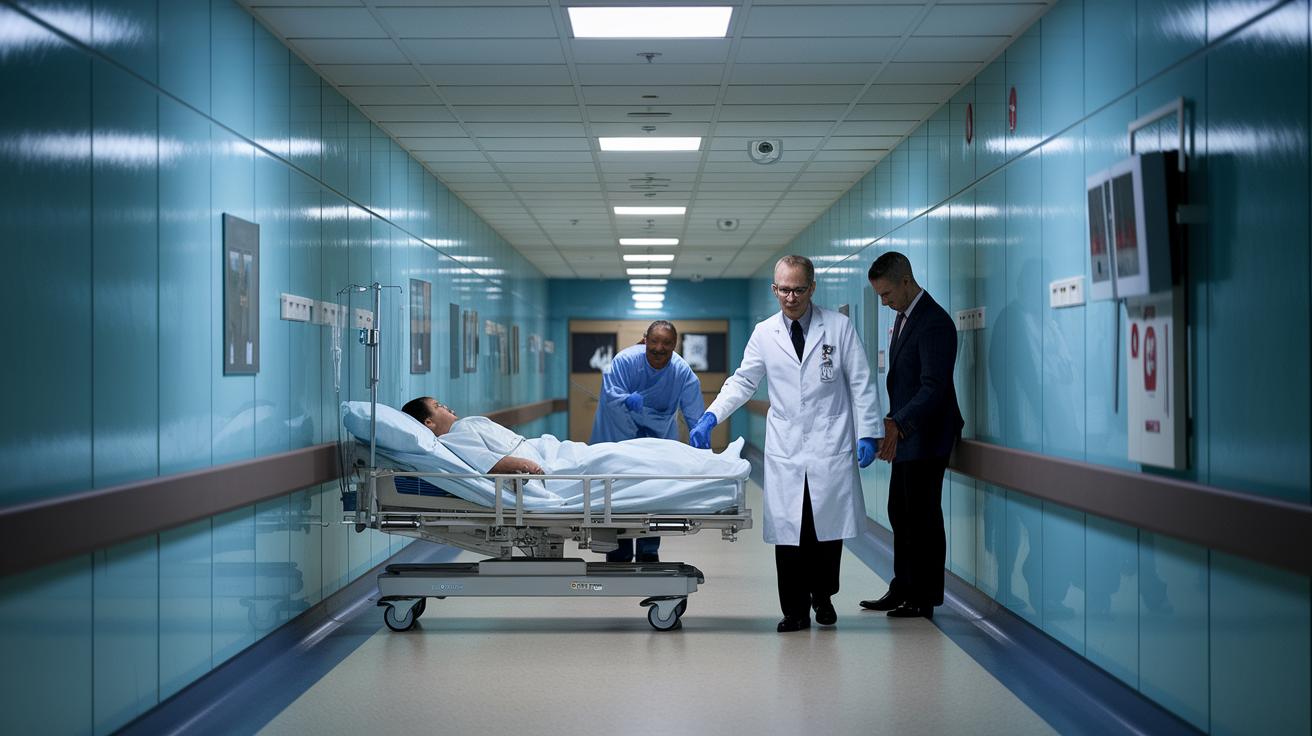
Quick take: Urgent symptoms need fast evaluation as they may signal serious conditions.
Triage Box:
If you notice any of these emergency signs, call emergency services now:
- Thunderclap headache (a sudden, very strong head pain)
- New weakness or vision loss (focal deficits)
- Altered consciousness, fever, or a stiff neck
These symptoms require prompt action. Your doctor will likely order a neurologic exam, blood tests, and imaging (MRI or CT scan) to rule out stroke or bleeding. A headache that strikes like lightning is a serious red flag.
If you experience brief one-sided weakness that could signal hemiplegic migraine, seek a headache specialist. They will review your full medical and family background to ensure it isn’t a more serious condition.
For routine migraine care, keep a headache diary. Record the start time, duration, and any medications used. This simple note helps your clinician adjust your treatment and prevent headaches from worsening due to taking pain relievers more than 10 days each month.
Acute and Preventive Therapies for Unilateral Migraine Signs
Quick take: You have ways to ease migraine pain quickly and ways to help lower future attacks.
Triage Box:
• If you experience sudden weakness, trouble speaking, or vision loss, call emergency services now.
• If you feel unusually confused or lose balance, seek urgent medical care.
• If your symptoms are familiar and you have a history of migraines, follow your routine care steps.
For quick relief during an attack, many people use common pain relievers like NSAIDs (medications that reduce inflammation) to ease the throbbing pain. Sometimes, your doctor may recommend triptans (drugs that block specific pain pathways) to help stop the migraine sooner. If nausea (feeling sick to your stomach) is part of your attack, antiemetic medicines can help you feel more comfortable until the pain lessens.
Preventive treatment is key if you have frequent migraines. Your clinician might suggest beta-blockers (medicines that calm heart rate and blood vessels) to lower migraine triggers. Others might benefit from antiepileptics or calcium channel blockers, which help steady nerve signals in the brain. Lately, CGRP inhibitors (drugs that block a key molecule in migraine pain) have shown promise.
Besides medications, non-drug methods can cut down how often you get migraines. Many find that deep breathing exercises or muscle relaxation help lower stress levels that might trigger an attack. Cognitive behavioral therapy can also ease stress, while biofeedback teaches you to control how your body reacts to pain. Some even use neuromodulation devices (tools that send small electrical pulses) to adjust nerve activity for relief.
It is very important to avoid taking too much pain medicine. Keeping a headache diary to record when you take medicine and note any patterns can help you and your clinician build a better care plan.
Final Words
In the action, this article laid out key points on recognizing one-sided headache attacks. We discussed the diagnostic features, aura and sensory sensitivity patterns, and clear differences from other headache types.
We also covered common triggers, important red flags, and treatment choices for a range of symptoms. Focusing on unilateral migraine signs can help guide you when to seek care and what to track. Remember, understanding these details puts you in a strong position to manage symptoms and feel better ahead.
FAQ
What is a hemiplegic migraine?
The hemiplegic migraine is a rare type of migraine marked by temporary one-sided weakness and stroke-like symptoms, accompanied by headache and often preceded by aura signs.
What are the common symptoms of a unilateral migraine and what does a one-sided migraine feel like?
A one-sided migraine typically presents as throbbing pain on one side, with light and sound sensitivity, nausea, and sometimes visual or sensory aura before the headache begins.
What treatment options are available for hemiplegic migraine?
The treatment for hemiplegic migraine includes acute care with medications like NSAIDs and antiemetics; however, certain migraine drugs may be avoided, so professional guidance is essential.
What causes hemiplegic migraine?
Hemiplegic migraine is triggered by genetic factors and abnormal brain nerve signaling, which lead to temporary motor weakness and headache symptoms in vulnerable individuals.
Can hemiplegic migraine lead to death?
Hemiplegic migraine is generally not fatal; fatal outcomes are extremely rare, yet any stroke-like symptoms should prompt immediate medical evaluation for safety.
How do hemiplegic migraine and stroke differ?
Hemiplegic migraine and stroke differ in that migraines cause temporary symptoms with full recovery, while strokes result from blood flow blockage that causes lasting brain damage and require urgent intervention.
What are the 5 C’s of migraines?
The 5 C’s of migraines refer to key diagnostic features—confined (one-sided pain), characterized by pulsation, of considerable intensity, compounded by activity aggravation, and coupled with associated symptoms like nausea and sensitivity.
Can migraine cause vomiting?
Migraine attacks can lead to vomiting as part of their gastrointestinal symptoms, with many sufferers experiencing nausea and sometimes vomiting during an episode.