
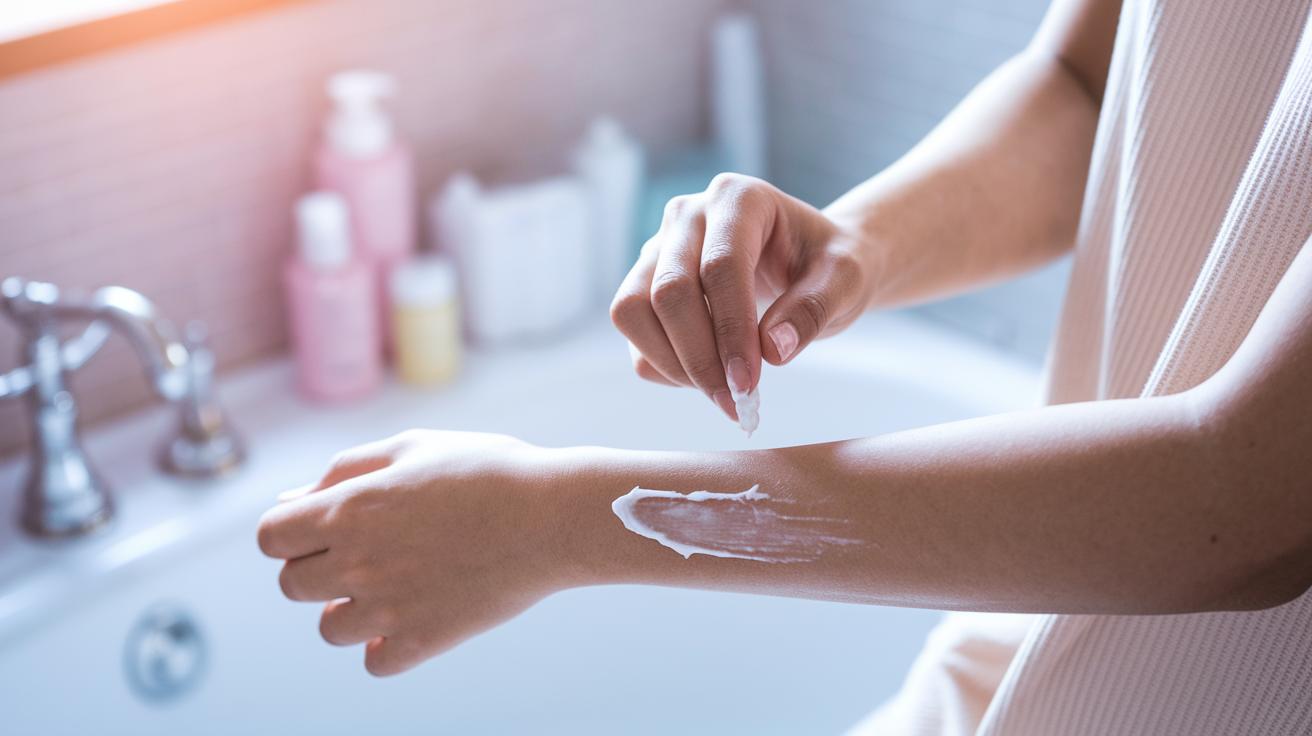

Quick Take: Hives can start suddenly and make you very uncomfortable, but you can ease the irritation with simple steps.
Triage:
• If you notice your hives spreading quickly, especially on your face or lips, or you have trouble breathing, call emergency services now.
• If the welts come with swelling in your throat or dizziness, seek urgent medical care.
Hives are red, itchy welts that often appear without warning. They can move around and feel like a flickering light. This can be very annoying and even scary.
In this guide, we explain how to carefully handle hives. You’ll learn to spot key warning signs and the things that might trigger them, like certain foods or changes in temperature. We also share easy home remedies such as taking antihistamines (medication that helps reduce allergy symptoms) and using cool compresses to calm your skin.
Follow these step-by-step tips to help manage the hives and feel more in control of your skin rash.
hive skin rash: Gentle Relief & Quick Care
Quick take: Hives are sudden, itchy welts that may spread and change shape. If you have trouble breathing or swelling around your face or throat, act immediately.
Triage Box:
- If you have difficulty breathing, swollen tongue or throat, or the rash lasts more than 2 weeks, seek urgent care.
- Note any recent foods, medications, insect bites, or temperature changes.
- For most cases, use home care measures like antihistamines and cool compresses.
Hives (urticaria) show up as small red bumps or raised patches on the skin, and sometimes they cause swelling (angioedema). They appear quickly and may merge or change shape with time. Common triggers include foods like nuts or shellfish, certain medications (like antibiotics or NSAIDs), insect bites, infections such as a UTI or strep throat, and physical factors like exposure to heat or cold.
You may feel intense itching along with burning or stinging sensations. The welts can be concentrated in one area or spread quickly over your body. At home, you can take a second-generation antihistamine to help block the release of histamine (a substance that causes itchiness), use cool compresses on the affected skin, and avoid hot baths because they may worsen your symptoms.
Keep track of your symptoms and any possible triggers. If you notice red flags like trouble breathing or sudden swelling, or if the rash sticks around for over 2 weeks, get medical help right away. Acting fast can prevent a serious allergic reaction and ensure you stay safe while managing the discomfort.
Identifying hive skin rash symptoms and visual characteristics
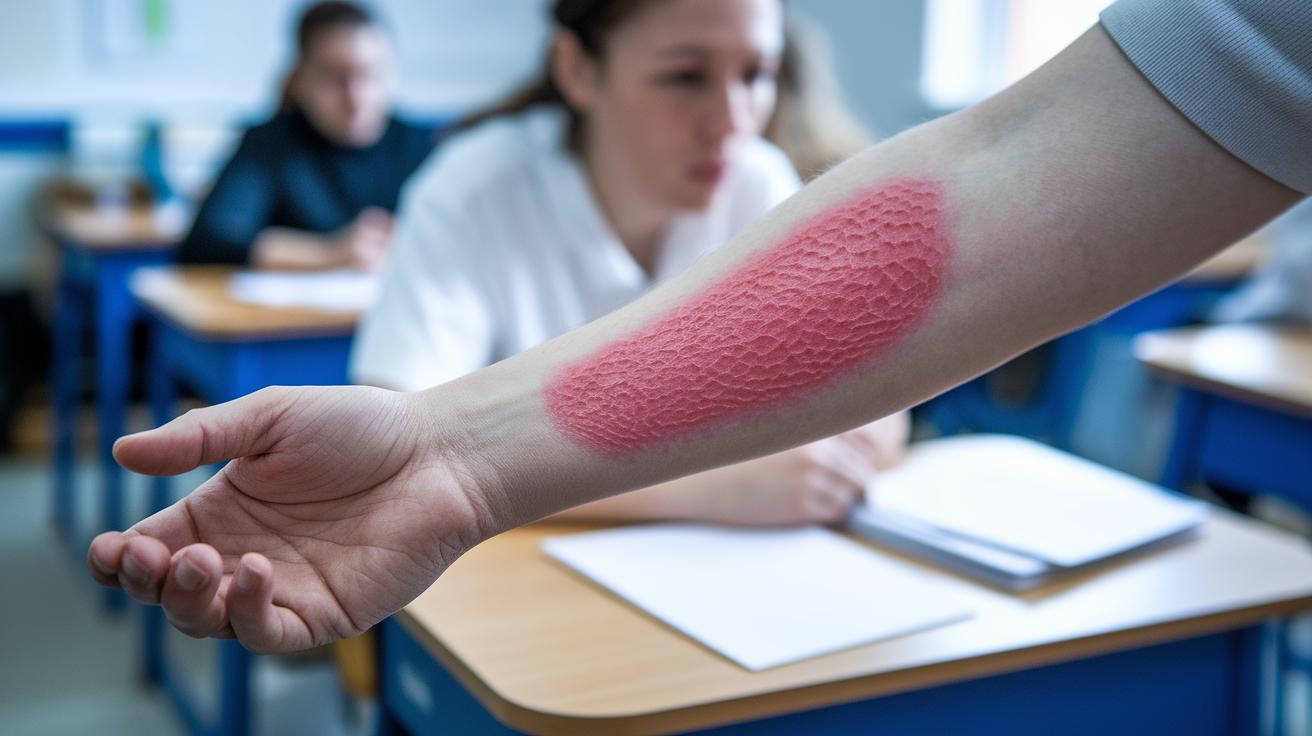
Hives appear as red or skin-colored patches that may be ring-shaped or uneven. They show up suddenly, last anywhere from a few minutes to several hours, and can merge into larger, moving patches. For example, you might see a red spot that grows quickly and changes shape like a flickering light.
The rash often comes with itching, burning, or stinging that can vary from mild to strong. You might also notice that the edges feel extra sensitive or tingle. These unique border sensations help you tell hives apart from other skin issues.
Hives usually occur on the face, arms, legs, or torso and may cause swelling on the lips, eyelids, or hands. Keep an eye out for these signs so you can easily distinguish hives from other skin conditions.
Common triggers and causes of hive skin rash
Hives happen when your body releases histamine (a chemical made by your immune system) in response to a trigger. You might see a red, itchy rash after eating certain foods, taking medications, or even during stressful times or exercise. For example, if you notice quick, itchy bumps after eating shellfish, this could be a sign of an IgE allergy (a type of immune reaction).
- Foods: Eating shellfish or nuts can trigger an IgE allergy.
- Medications: Drugs like penicillin and NSAIDs may cause a drug reaction.
- Infections: Strep throat or urinary tract infections can activate your immune system.
- Physical triggers: Cold water or exercise may set off a process called mast cell degranulation (release of chemicals).
- Stress and autoimmune issues: Ongoing stress or conditions like lupus can boost histamine release.
Home care and natural remedies for hive skin rash relief

Quick take: For mild hives, safe home remedies can ease itching and soothe irritated skin.
If you experience any of these warning signs, call emergency services immediately:
- Difficulty breathing
- Swelling in your face or throat
- Severe dizziness or fainting
When hives appear, you can try natural treatments at home to cool the skin and lower irritation. These methods work by calming irritated nerve endings and reducing the burning sensation that sometimes makes hives feel worse. Simple actions like switching to loose, breathable fabrics or using a cool compress can offer fast relief while you keep an eye on your symptoms.
Here are some practical home steps to help manage a hive rash:
- Use a cool compress or ice pack for 10–15 minutes.
- Take a lukewarm bath with 1 cup of colloidal oatmeal.
- Make a baking soda paste with 3 parts soda to 1 part water and apply it for 15 minutes.
- Apply calamine lotion to ease itching.
- Use over-the-counter 1% hydrocortisone cream twice daily if needed.
- Apply aloe vera gel to reduce inflammation.
- Use chamomile tea compresses to soothe irritation.
- Wear loose, breathable cotton clothing to minimize friction.
Medical and over-the-counter treatments for hive skin rash
Quick take: Many treatments can block the allergic reaction that causes hives.
If you have any of these emergency signs, call emergency services now:
- Trouble breathing
- Swelling of your throat or lips
- Feeling dizzy or faint
Hives can be treated with over-the-counter options that calm your skin or with prescription medicines if needed. Many clinicians start by recommending non-sedating antihistamines such as loratadine 10 mg daily or cetirizine 10 mg daily. These work to lower the histamine (a chemical that triggers allergy symptoms) in your body.
Sometimes your doctor may recommend H2 blockers like famotidine 20 mg twice daily to add extra relief. For small, itchy spots, a 1% hydrocortisone cream or calamine lotion can be applied to ease discomfort.
If your hives are severe, a short course of oral corticosteroids (for example, a prednisone taper) might be suggested. For long-lasting or recurring hives, some patients benefit from dermatologist-prescribed biologics like omalizumab.
These treatments work together to reduce the allergic response and calm the irritation. Always talk with your healthcare provider before starting, stopping, or combining treatments.
When to seek professional care for hive skin rash

Quick take: Watch for dangerous signs and act fast if they appear.
If you experience any of these emergency signs, call 911 (or your local emergency service) now:
- Trouble breathing or feeling like your throat is closing.
- Swelling in your face, tongue, or throat.
- Sudden dizziness that might make you faint.
You should also get urgent care if you notice:
- A hive rash that lasts more than 2 weeks or comes back often.
- A high fever, red streaks, or a warm area around the rash (these may show an infection).
- A suspected reaction to a drug that comes with these symptoms.
Differentiating hive skin rash from other skin conditions
Hives show up as raised, red welts that can move around your body and disappear within hours. Eczema, on the other hand, shows as dry, scaly patches that stick around for weeks. With contact dermatitis, the rash stays where you touched something that irritated your skin.
When you look at your skin, try to note these clear signs:
• Hives change location quickly and have a rounded, bumpy look.
• Eczema patches are dry and scaly.
• Contact dermatitis only appears where your skin met an irritant or allergen.
Other skin issues can seem similar. Heat rash appears as little pimples in warm, sticky areas. Insect bites usually have a mark at the center where the bite happened. Hives typically appear in clusters with a uniform look and no clear bite mark.
Keep an eye on how your rash changes. If you see fast shifts in location or shape, that may be a sign of hives. Remember, these clues can help guide your self-care. Still, if you’re not sure or the rash worsens, it’s a good idea to get checked by a professional.
Prevention strategies and lifestyle adjustments for hive skin rash management

Begin by watching for what might trigger your hive skin rash. Notice if certain foods, medicines, or elements in your surroundings bring on an outbreak. When you spot a trigger, try to avoid it to reduce flare-ups.
Keep your environment cool and calm. Stay in rooms with moderate temperatures, and choose loose, breathable clothes to help prevent skin irritation. Lowering heat and friction on your skin can make a big difference.
Stress can make your symptoms worse. Take moments for deep breathing or muscle relaxation to help ease tension. It might be helpful to keep a simple diary where you note what you eat, your daily surroundings, and moments of stress. This can show you patterns that might be linked to your rash.
Think about changing your diet to support your skin. An anti-inflammatory diet that includes foods rich in omega-3 (healthy fats found in fish, nuts, and seeds), antioxidants, and plenty of fruits and vegetables may cut down on outbreaks. Sometimes, supplements like vitamin C, quercetin, or probiotics might help, but only use them if your provider agrees.
By taking these steps, you can gain better control of your symptoms and help keep your hive skin rash at bay over time.
Final Words
In the action, you now have a clear overview of hive skin rash causes, symptoms, and treatment options. We broke down key home-care methods, red flags to watch for, and ways to tell when to call for help.
Tracking your symptoms, avoiding known triggers, and following prevention strategies can help you manage this condition at home. Stay informed, trust the guidance provided, and keep your care plan up to date for lasting relief and improved wellbeing.
FAQ
What do hives look like in pictures and in person?
The images of hives show raised red or skin-colored welts with smooth edges that vary in size. These patches often appear suddenly and can spread or merge across different parts of the body.
How can I quickly relieve hives and make them go away?
Quick relief for hives can come from taking an antihistamine and using a cool compress. You can also ease discomfort by keeping the skin cool, avoiding hot baths, and steering clear of your known triggers.
What causes hives in adults, including women, and what diseases can trigger them?
Hives in adults are usually due to allergic reactions from foods, medications, or insect bites, and may also be triggered by infections or stress. Certain diseases can lead to hives through immune system activation and histamine release.
How is hives (urticaria) typically treated?
Urticaria is treated with non-sedating antihistamines, cool compresses, and topical creams to relieve itching. More severe cases may need prescription medications or a short course of oral corticosteroids.
Is hives dangerous?
Hives are generally not dangerous, though they can be very uncomfortable. If you experience trouble breathing, swelling of the face, or dizziness, it is crucial to seek urgent care immediately.
What triggers a hives rash?
Triggers for a hives rash include foods like shellfish, medications such as antibiotics, insect bites, physical factors like heat or cold, and even stress. Each of these can cause the skin to release histamine, leading to hives.
Can hives cause bruising?
Hives typically do not cause bruising since they result from histamine release rather than damage to blood vessels. If you notice any unusual bruising, it is a good idea to consult your healthcare provider.