


Quick Take: A clogged nose usually means you’re dealing with congestion that you can help ease at home, but know when to get help.
If you have any of these emergency signs, call emergency services right away:
• High fever (102 F or more)
• Shortness of breath or severe breathing trouble
• Intense pain or swelling
If your symptoms aren’t severe, try these steps:
• Use a warm saltwater rinse to clear your nasal passages.
• Inhale steam from a bowl of hot water to help open your airways.
• Drink plenty of fluids to stay hydrated and soothe your mucous membranes.
A blocked nose can make you feel stuck and uncomfortable, like you’re breathing through a wet sponge. Instead of turning to harsh chemicals, these natural remedies help reduce inflammation and ease that tight, uncomfortable feeling. Keep track of your symptoms and if they worsen or last more than a few days, contact your clinician for advice.
Home Techniques for Instant Clogged Nose Relief
If your nose feels stuffed, these simple methods may help you breathe easier fast. Often a clogged nose happens because a virus, allergen, or irritant inflames your blood vessels (tiny tubes that carry blood), not just because of extra mucus. These natural steps work by relaxing those vessels, opening your nasal passages, and letting mucus drain away quickly.
- Steam inhalation: Boil water and let it cool until it feels warm (about 110°F to 120°F). Add 2-3 drops of eucalyptus or peppermint oil. Cover your head with a towel and breathe in the warm steam for 10-15 minutes.
- DIY saline rinse: Dissolve ½ teaspoon of non-iodized salt in 8 oz (240 ml) of distilled or sterile water. Use a neti pot to gently rinse your nasal passages.
- Warm compress: Soak a clean cloth in water warmed to 104°F to 113°F. Place it over your nose and cheeks for 5-10 minutes to ease sinus pressure.
- Hydrating herbal drinks: Sip warm herbal tea or broth. They help thin mucus and soothe your nasal tissues.
- Essential-oil inhalation: Add a few drops of essential oil to hot water and take deep breaths to help open your airways.
Always use caution. Avoid steam that is too hot and make sure to use distilled or sterile water for rinses to prevent irritation or infection.
Steam Inhalation Methods to Clear a Clogged Nose
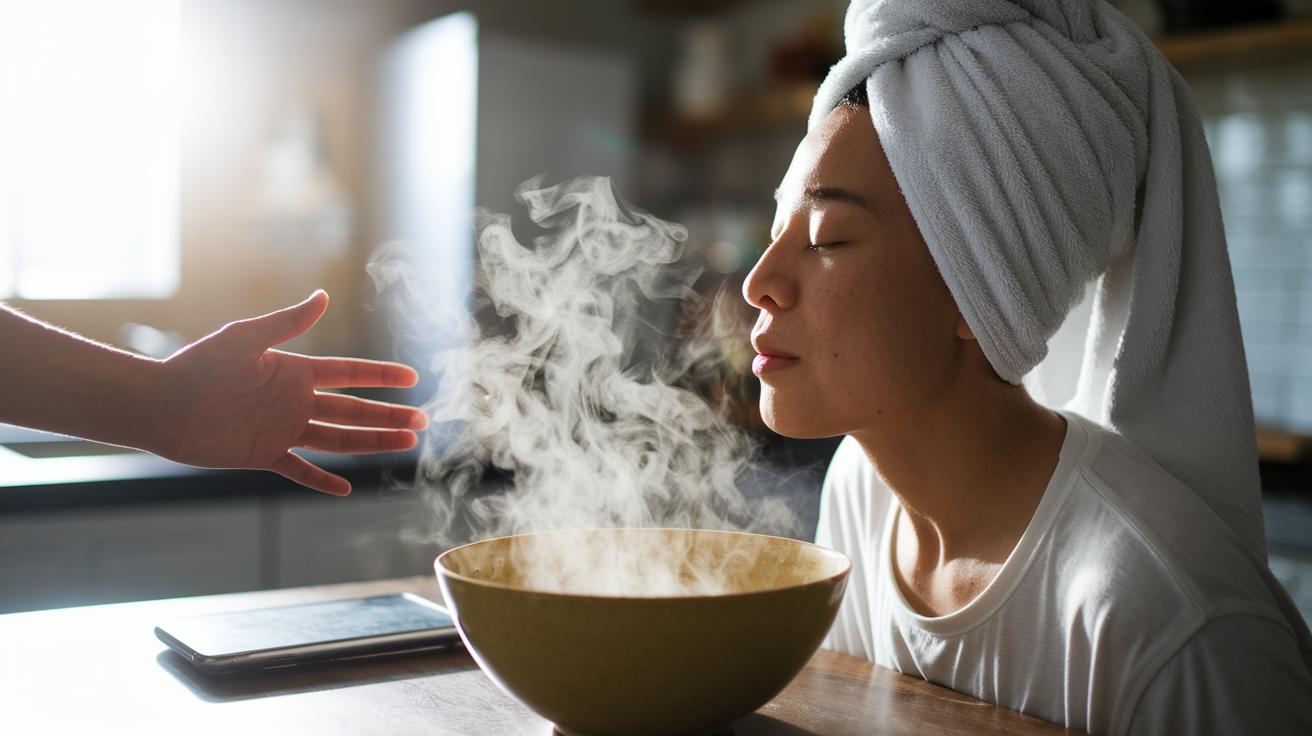
Quick take: Steam can help clear a stuffy nose, but use it safely.
Triage steps:
- Red flag: If you get a burn or blister on your skin, stop immediately and seek help.
- Urgent: If you feel severe pain or have trouble breathing, call emergency services.
- Self-care: Use these steps and keep an eye on your symptoms.
Steam inhalation steps:
- Heat water to 110–120°F (43–49°C). This temperature helps ease congestion without burning you.
- If you like, add 2–3 drops of essential oil (such as eucalyptus or peppermint) for extra relief.
- Cover your head with a towel to trap the steam, then breathe deeply for 10–15 minutes. If you notice the steam escaping, adjust the towel to create a better seal.
- You can repeat this process up to three times daily.
Safety tips:
- Always test the water temperature on your wrist before you begin.
- Make sure the room has good ventilation so fresh air mixes with the steam.
- Wash your bowl and towel after each use to prevent mold or bacteria growth.
Saline Rinse and DIY Nasal Spray Recipes for a Clogged Nose
Saline rinsing helps clear your nasal passages by washing away irritants and extra mucus. To make a gentle rinse, mix ½ tsp non-iodized salt with 8 oz of distilled or sterile water. You can use a neti pot or a spray bottle, choose the tool that feels best for you.
| Method | Ingredient & Ratio | Usage Steps |
|---|---|---|
| Homemade Saline | ½ tsp non-iodized salt + 8 oz distilled/sterile water | Tilt your head, pour the rinse, and breathe normally |
| Neti Pot | Same ratio | Lean over a sink, pour the solution into one nostril, let it drain, then switch sides |
| Spray Bottle | Same ratio | Spray the solution into each nostril while breathing gently |
Always wash your equipment before and after each use to reduce the risk of infection. After rinsing, dry and store your device in a clean, dry place to prevent bacterial growth.
Herbal Teas and Natural Decongestants for Clogged Nose Comfort
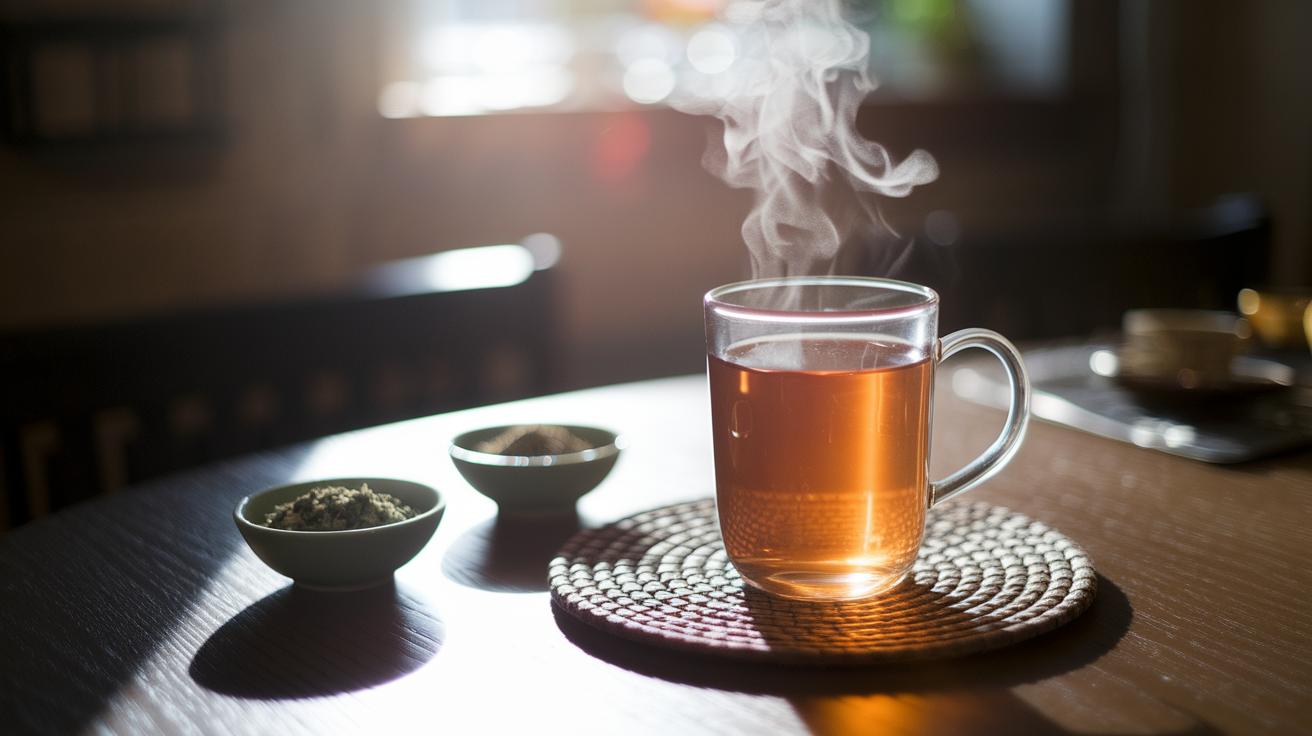
Quick take: Warm herbal teas can help ease congestion and clear your nasal passages.
Triage:
If you have any of these emergency signs, call emergency services now:
- Severe trouble breathing
- Chest pain or pressure
- Confusion or blue lips/face
If your symptoms get worse or you feel very unwell, seek same-day medical care. Otherwise, try these simple home-care steps.
Warm liquids help thin mucus and calm irritated nasal tissues so you can breathe easier. A hot cup of herbal tea can relax inflamed passages and support your body’s natural healing. Plus, these drinks keep you hydrated, which is key to reducing congestion. Using natural ingredients means you avoid harsh chemicals and benefit from nature’s remedies.
Top Herbal Tea Recipes
- Ginger Tea: Slice a 1-inch piece of fresh ginger and steep it in boiling water for 10 minutes. This tea has anti-inflammatory benefits that can ease congestion and reduce discomfort.
- Honey-Lemon Drink: Squeeze the juice from half a lemon and mix it with 1 teaspoon of honey in hot water. This blend can soothe your throat and help clear your nasal passages.
- Peppermint Tea: Steep peppermint leaves in hot water for about 5 minutes. The natural menthol in peppermint works to open your airways and ease nasal blockage.
Before trying these recipes, be cautious. If you are pregnant or have specific dietary needs, check with your doctor. Also, monitor your sugar intake when using honey, and always let the tea cool to a safe temperature before drinking.
Massage and Acupressure Techniques to Relieve a Clogged Nose
Quick take: Gentle massage and acupressure can ease a blocked nose naturally.
Triage Box:
• If you notice a high fever (over 102 F), severe headache, or have trouble breathing, call emergency services now.
• If symptoms get worse or you feel very unwell, seek same-day medical care.
• For basic relief, try self-care with these techniques.
Massage can boost blood flow and help drain mucus. Use your fingertips to gently press and rub your face. This simple workout for your face eases tension, opens up blocked nasal passages, and boosts circulation to your sinuses.
Acupressure is also easy to do. Place your fingers at key points: on the sides of your nostrils, between your eyebrows (the "third eye"), and just below your eyes on your upper cheekbones. Use a gentle circular motion on each spot for 30 seconds. Do this twice daily to lower sinus pressure and help mucus drain.
These at-home techniques can give you soothing relief without medications. Remember to track your symptoms and take note if your condition changes. Always consult a clinician if you are worried or your symptoms don't improve.
Warm Compress and Humidifier Use to Soothe a Clogged Nose
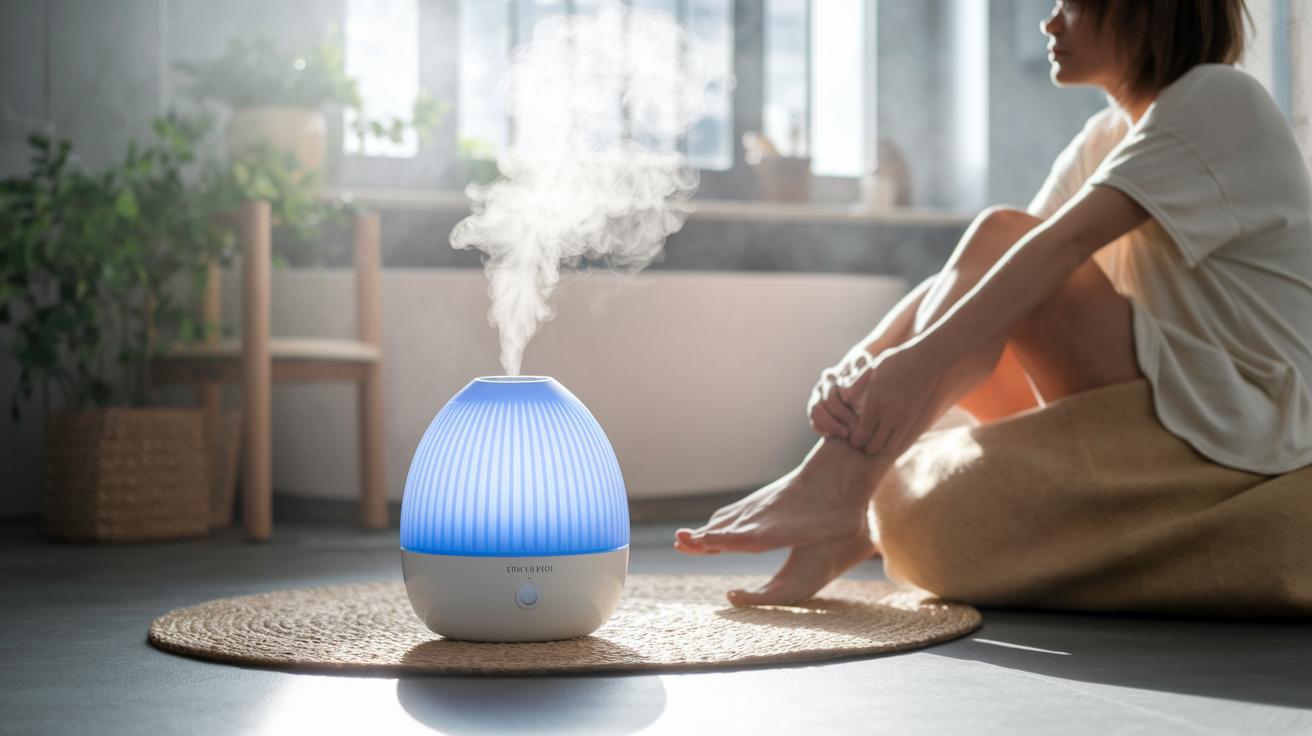
Quick take: A warm compress and a humidifier can help ease a clogged nose by reducing swelling and soothing irritated sinuses.
If you have any of these signs, call emergency services now:
- Severe shortness of breath
- High fever above 102°F
If your congestion worsens or lasts more than 10 days, seek medical care today.
Here’s how you can use these remedies at home:
-
Warm Compress:
- Heat water to 104–113°F.
- Soak a clean washcloth in the warm water and gently wring out the extra liquid.
- Place the washcloth over your nose and cheeks for 5–10 minutes to relieve pressure and promote drainage.
-
Humidifier:
- Set up a humidifier or mist vaporizer so indoor humidity stays around 40–50%.
- This extra moisture helps keep your nasal passages clear and eases discomfort.
- Remember to clean your humidifier regularly to prevent mold and bacteria buildup.
These simple steps may help you breathe easier while you manage nasal congestion.
When to Seek Medical Advice for a Clogged Nose
If your blocked nose hasn’t improved after 10 days of using home care steps like a warm compress or humidifier, it's time to get help from a healthcare provider. Keep following the self-care advice while you watch for signs that need urgent attention.
If you have any of these symptoms, call emergency services immediately:
- Fever higher than 101.3°F (for example, 102°F)
- Severe pain or swelling in your face
- Colored nasal discharge
- A cough that won’t go away with the congestion
Also, reach out to your healthcare provider if your symptoms keep you from sleeping or interfere with your daily life.
Final Words
In the action, you learned several fast home techniques, from steam inhalation and DIY saline rinses to herbal teas and gentle massage. Quick fixes and warming methods help clear congestion while safe practices keep you protected. Remember to use step-by-step guides and checklists so you can track what works best. Follow red-flag tips and know when to seek help. This blend of comfort and care can serve as a reliable home remedy for clogged nose, easing your worries with practical, immediate relief.
FAQ
What are effective home treatments for a blocked nose at night?
Home treatments for a blocked nose at night include steam inhalation, saline rinses, warm compresses, and sipping warm herbal teas. These methods help thin mucus and ease congestion for improved nighttime breathing.
How do I clear or unstuff my nose instantly or in seconds?
Quick methods to clear your nose include using a saline spray, inhaling warm steam, and trying a water-based rinse. These techniques work fast by loosening mucus and reducing inflammation.
What is a natural remedy for a blocked nose?
Natural remedies for a blocked nose include steam inhalation with a few drops of eucalyptus oil, saline rinses, and warm herbal beverages. These approaches help open your airways and soothe nasal irritation.
What drink can help clear nasal passages?
Warm herbal teas like ginger or peppermint tea and a hot water mix with honey and lemon work to clear nasal passages by soothing inflammation and thinning mucus for easier breathing.
Where should Vicks be applied for a stuffy nose?
Vicks should be gently rubbed on your chest and throat rather than directly on your nostrils. This placement lets the vapors help relieve congestion while avoiding skin irritation around the nose.