
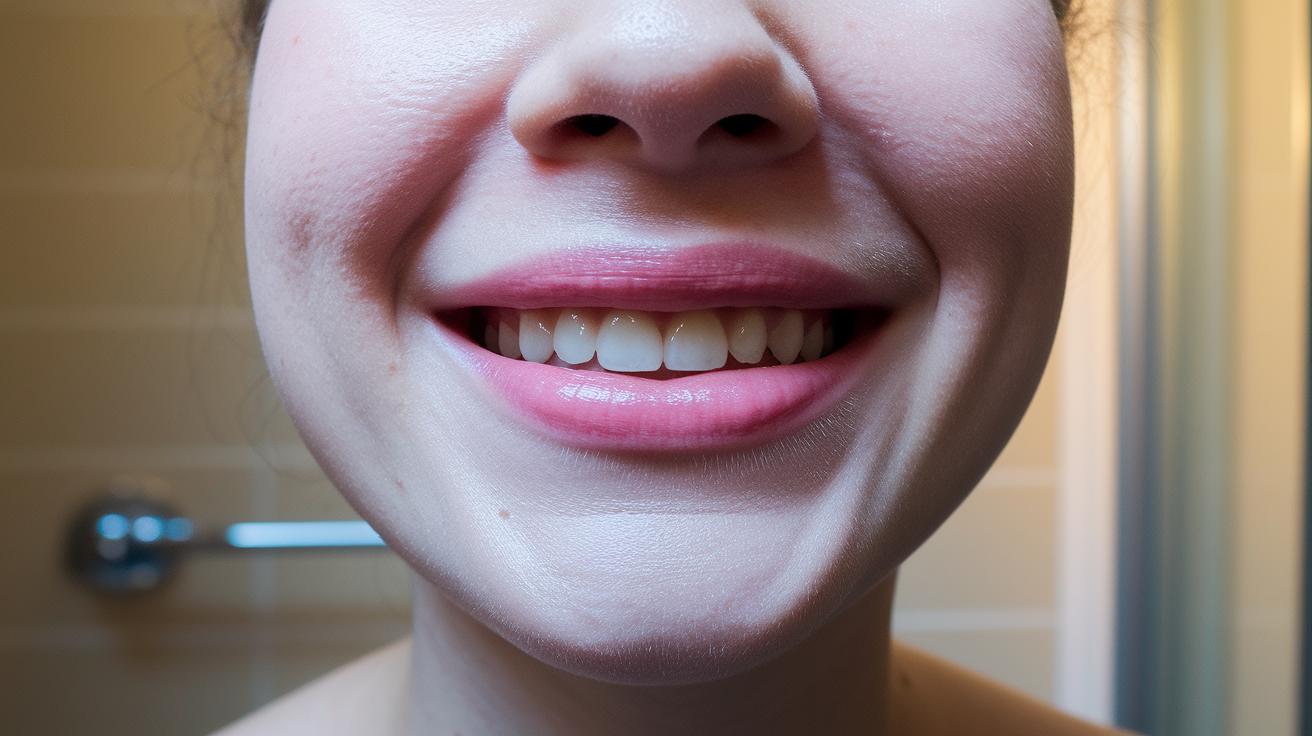

Quick Take: Mild skin irritation around your mouth is usually caused by everyday products that weaken your skin’s natural barrier.
If you have any of these emergency signs, call emergency services now: severe pain, swelling, fever, or trouble breathing. If your irritation spreads or worsens quickly, seek same-day medical attention. For mild symptoms, try gentle self-care and monitor your irritation.
Have you ever noticed your skin feeling raw and sore around your mouth? Many people experience this from products like toothpaste or cosmetics that strip your skin’s natural protection. This loss of the natural barrier can cause redness, flaking, and persistent irritation.
Here’s what you can do:
• Use gentle, fragrance-free products to avoid further irritation.
• Moisturize the area with a soothing, non-irritating balm.
• Patch-test any new product before you use it regularly.
Keep track of any changes in your symptoms. Write down the date, what you used, and how your skin reacted. If the irritation gets worse or you start to experience other symptoms like swelling or fever, be sure to call your doctor right away.
Your comfort matters, taking these simple steps can help rebuild your skin’s strength and ease the irritation.
Understanding Skin Irritation Around the Mouth
Quick take: Skin irritation near your mouth usually comes from harsh or too many skincare products.
Triage:
If you see any of these signs, call emergency services now:
- Severe swelling around the mouth
- Intense pain with fever or blistering that worsens quickly
If your symptoms get worse fast or cause major discomfort, seek same-day medical care. For milder cases, try gentle self-care and monitor your skin.
Skin irritation around the mouth, known as perioral dermatitis, shows up as red spots, small pimples, occasional blisters, and flaky skin. You might feel stinging, burning, or itching in the area. This happens when your skin’s natural barrier is damaged by products like strong exfoliants, acids, or heavy cosmetics.
This irritant reaction is most common in women aged 25-45, though kids can get it too. Your skin might look and feel raw, but it isn’t contagious. Using too many or harsh products weakens your skin’s barrier, letting irritants in and triggering these symptoms. Sometimes, mild irritation can quickly turn severe and make everyday life uncomfortable.
To help your skin heal, simplify your routine. Stick to a gentle, pH-neutral cleanser and a light moisturizer. This simple approach helps repair your skin’s barrier, easing redness and discomfort.
Key Causes of Skin Irritation Around the Mouth
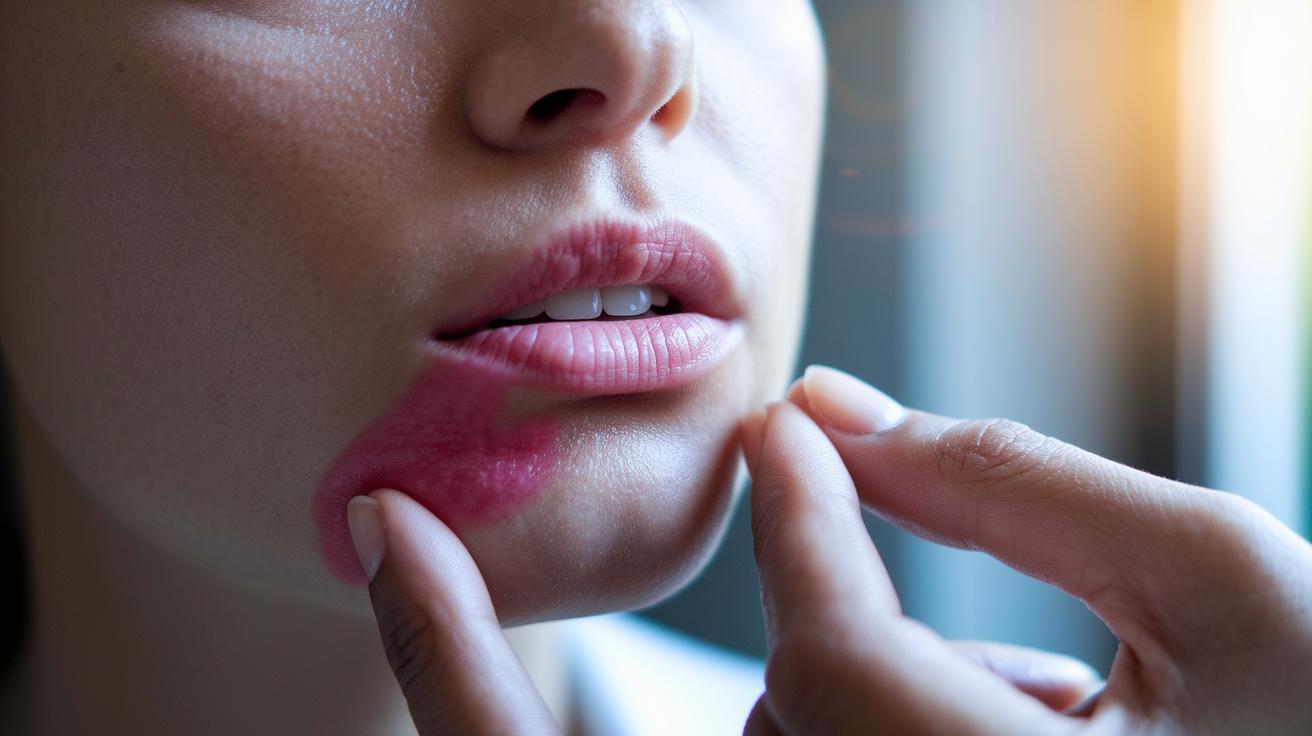
Everyday products and habits can irritate the skin around your mouth, causing redness, chapping, or even a rash on your upper lip. Using too much of creams, inhaled steroids, or heavy moisturizers can weaken your skin (its natural barrier) and make it easier for irritants to cause problems. Sunscreens and certain toothpastes may also trigger sensitivity in some people. Even heavy makeup near your mouth can lead to irritation and a rash that feels like burning. These factors can work together to worsen your discomfort.
Environmental factors also contribute to irritation. Long periods in the sun (UV rays), wind, or heat can further damage this protective layer. Over-exfoliating with strong scrubs, chemical peels, or acids can strip your skin and lead to inflammation. This is especially true if you already have irritations like perioral dermatitis (a rash around the mouth). Your upper lip might feel extra dry or chapped if these triggers persist. Making changes to your routine and reducing exposure can help restore balance to your skin.
Recognizing Symptoms and Red Flags of Mouth Area Irritation
Quick take: Mouth irritation shows up with red, bumpy, and flaky skin near your lips, often making the area feel very sensitive.
If you experience any of these signs, seek medical help right away:
- Severe pain
- Big swelling
- Fever
- Oozing (which could mean an infection)
Skin irritation around your mouth usually shows as noticeable redness, small bumps, and a bit of scaling on the soft skin by your lips. You might feel stinging, burning, or itching, which adds to the sensitivity. Sometimes, these signs spread to the folds by your nose and even around your eyes. They can look a lot like acne or rosacea, and that often means your skin barrier is not doing its job.
Remember, if you start to notice severe pain, a lot of swelling, a fever, or any oozing, it's time to get checked out immediately.
Home Remedies to Soothe Skin Irritation Around the Mouth

Quick take: These gentle, natural steps may help ease mild skin irritation. If you notice severe pain, rapid swelling, or fever, call emergency services or contact your doctor immediately.
If you have any of these emergency signs, call emergency services now:
- Severe pain or rapid swelling around your mouth.
- A fever or spreading redness.
- Difficulty breathing.
For milder irritation, try these home remedies. Start by simplifying your routine using a soft, pH-balanced cleanser and a light moisturizer. These basic products help rebuild your skin barrier without adding extra irritation. Keeping it simple means fewer ingredients that might bother your skin.
Natural ingredients can offer fast relief. Aloe vera gel cools burning sensations, while a cold compress (held on for 5–10 minutes) soothes puffiness and discomfort. An oatmeal mask made by mixing ground oatmeal with water can reduce redness and help smooth your skin during the repair process.
Staying hydrated is also important. Drink plenty of water and enjoy foods rich in vitamins C, D, and E to support your skin’s healing from the inside out.
Here's a quick checklist for your routine:
- Wash your face twice a day with a pH-balanced cleanser.
- Apply aloe vera gel to the affected area to calm the skin.
- Use a cold compress for 5–10 minutes when you feel burning.
- Mix ground oatmeal with water into a mask and leave it on for 15 minutes.
- Use a fragrance-free natural lip balm.
- Eat more antioxidant-rich foods.
These gentle actions and natural approaches can ease irritation and help restore your skin. Stick with these simple steps, and if your condition doesn’t improve or gets worse, don’t hesitate to reach out to your clinician for advice.
Medical Treatments and When to Seek Professional Care for Mouth Irritation
Quick take: If home care does not settle your irritation, you may need a doctor’s help and prescription treatment.
Triage Box:
- Red flags: Sharp pain, heavy swelling, or a rash that spreads beyond the mouth area.
- Urgent action: Increased irritation or signs of infection.
- Watch and care: Continue gentle cleaning and avoid harsh products while tracking your symptoms.
When simple home care fails to ease your irritation, your doctor may try prescription creams. They often suggest topical medications such as metronidazole or erythromycin creams. These treatments help calm the redness and swelling around the mouth. Non-steroidal creams are also an option when over-the-counter remedies do not give enough relief. Your dermatologist can check if this is perioral dermatitis (inflammation around the mouth) or another issue.
In cases where the irritation is moderate to severe or the rash keeps coming back, oral antibiotics like doxycycline may be prescribed. These pills work from the inside to reduce inflammation when creams alone are not enough. Over-the-counter treatments, like zinc oxide ointments, might soothe minor irritation but cannot replace prescription care if symptoms persist or worsen.
If you use steroid creams, use extra caution. Using them without a dermatologist’s guidance may make your irritation worse. If you notice more pain, increased swelling, or if the rash spreads, it is time to see a board-certified dermatologist. They can give you the proper treatment and a clear plan to manage your symptoms safely.
Preventive Strategies for Skin Irritation Around the Mouth
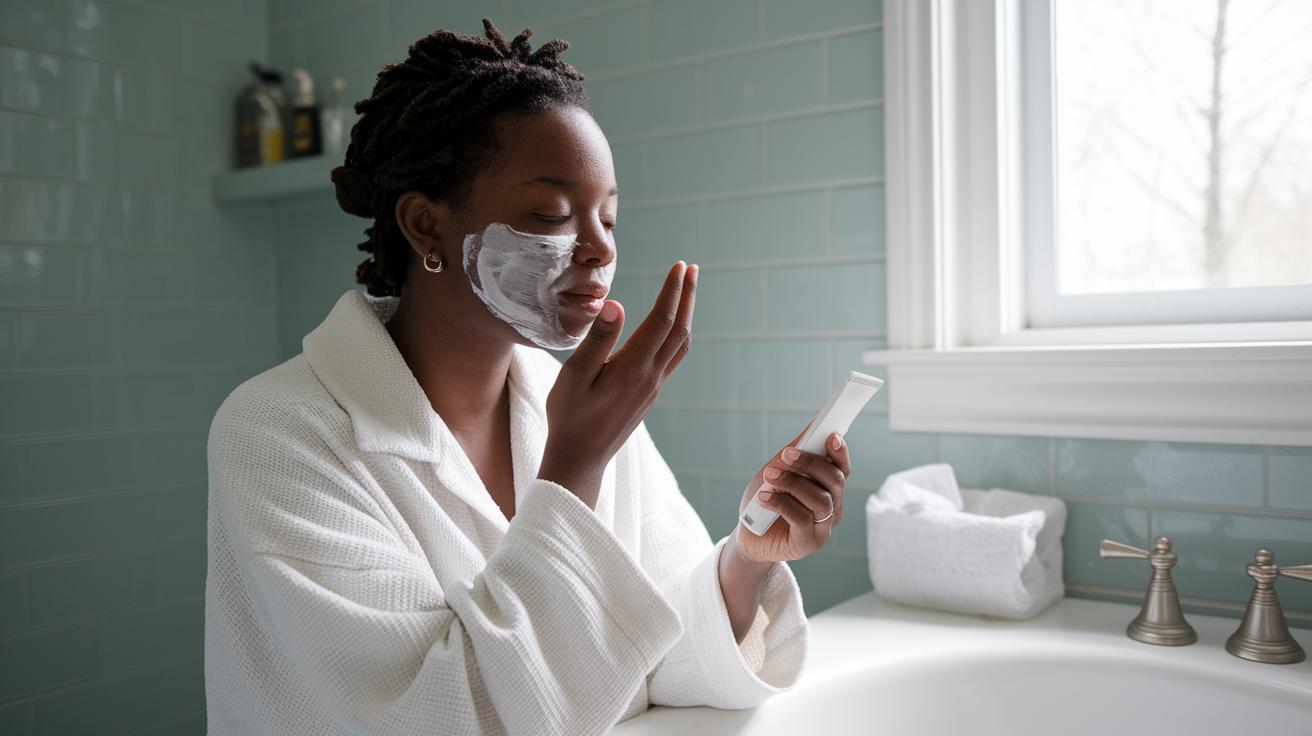
Use gentle, fragrance-free products to care for the skin around your mouth. Pick moisturizers that are non-comedogenic (won’t clog pores) and a mild, pH neutral cleanser. These steps lower irritation and help prevent perioral dermatitis (a rash near the mouth). Avoid harsh cleaners and heavy cosmetics that can hurt your skin. Drinking plenty of water and managing stress also keeps your skin strong.
Protect your skin every day. Use an SPF 30+ sunscreen to block harmful UV rays. Apply a lip balm or a protective ointment as a barrier against wind and other environmental stressors. These easy steps help keep damage down and flare-ups away. By keeping your routine simple and using gentle, nourishing products, you support your skin’s natural healing power.
Differential Diagnosis: Distinguishing Perioral Dermatitis and Other Conditions
When you notice skin irritation around your mouth, it can be hard to tell what is causing it. You might see red bumps or rashes that look similar but need different treatments. For example, perioral dermatitis may look like rosacea, eczema, or allergic contact dermatitis. Each one has its own signs and ways to treat it. Getting a clear diagnosis from your healthcare provider is important so you can care for your skin safely.
| Condition | Key Features | Treatment Approach |
|---|---|---|
| Perioral Dermatitis | Pustules around the mouth | Simple skincare and sometimes prescription medicine |
| Rosacea | Flushing and general redness on the center of the face | Topical and oral medications to reduce inflammation |
| Eczema | Dry, itching patches (often with a history of allergies) | Moisturizers and gentle skin creams |
| Allergic Contact Dermatitis | Rash only where the allergen touched the skin | Avoid triggers and use soothing creams |
Even though these conditions look alike, the best treatment can be very different. Recognizing which condition you have is key to selecting the right care and keeping your skin safe. Always follow up with your clinician to get a clear diagnosis and treatment plan.
Final Words
In the action of this guide, we broke down the causes, symptoms, and red flags of skin irritation around mouth. We discussed triggers like over-exfoliation and heavy cosmetic use while offering simple home remedies and clear instructions for when to see a clinician.
Each section focused on practical steps, from identifying red flags to preventive care. Your growing understanding empowers you to act safely and confidently. Stay proactive and know that managing your symptoms is a step toward lasting relief.
FAQ
What does perioral dermatitis mean?
The term perioral dermatitis refers to a skin condition that causes red spots, small pimples, and sometimes blisters around the mouth, leading to burning and itching.
How do rashes around the mouth differ in children and adults?
The rash around the mouth in children often results from drooling or minor irritants, while in adults it more commonly signals perioral dermatitis triggered by certain skincare products or steroids.
What causes perioral dermatitis?
The causes of perioral dermatitis include the overuse of topical steroids, heavy cosmetics, aggressive exfoliation, and other irritants that disrupt the skin barrier, leading to inflammation and rash.
What are the treatment options for perioral dermatitis?
Perioral dermatitis treatment typically involves gentle cleansing, avoiding known triggers, and using prescribed medicated creams or oral antibiotics under clinician supervision to reduce inflammation.
What home remedies can help reduce redness around the lips?
Redness around the lips may improve with home remedies such as applying aloe vera gel, using cold compresses, and selecting a light, non-occlusive moisturizer to soothe irritation.
How is eczema around the mouth different from perioral dermatitis?
Eczema around the mouth usually presents as dry, itchy, scaly patches linked to atopic conditions, while perioral dermatitis appears as red, pimple-like bumps with a burning or stinging sensation near the mouth.
How can perioral dermatitis be managed quickly overnight or as soon as possible?
Managing perioral dermatitis quickly involves stopping the use of irritants, following a gentle skin routine, and using soothing remedies, though rapid improvement may vary and should be guided by a healthcare provider.
How can one heal irritated skin around the mouth effectively?
Healing irritated skin around the mouth requires the use of a mild, pH-neutral cleanser, a light moisturizer, and avoidance of harsh products, with clinician-recommended treatments for persistent irritation.
Why is the skin around my mouth inflamed?
Inflammation around the mouth can occur when irritants or aggressive skincare products damage the skin barrier, or due to an underlying condition like perioral dermatitis that triggers red, irritated patches.
Can children develop perioral dermatitis?
Children can develop perioral dermatitis, though it is less common than in adults, and typically presents with similar signs of redness and irritation around the mouth.