


Quick take: A migraine is more than just a headache – it’s your body’s way of signaling that something needs attention.
TRAIGE
• Call emergency services right away if your headache comes on suddenly and is much worse than usual, or if you also notice changes in vision, speech, or balance.
• If you experience severe nausea or pain that stops you from moving, seek urgent care.
• Otherwise, monitor your symptoms and note any changes.
What you need to know
Have you ever noticed that one side of your head aches badly, especially when bright lights seem to make it even worse? Migraines do more than give you a headache. They bring one-sided, pounding pain, light and sound sensitivity, and nausea. Even simple movements can increase the pain. Knowing these signs can help you act fast and get the care you need. By keeping track of your symptoms, you’re taking an important step to stay safe and manage your migraines better.
Recognizing the Core Physical Signs of Migraine
Quick take: These signs point to a migraine and help you act fast for proper care.
Triage:
- Call emergency services now if you have sudden, extremely severe head pain with confusion or weakness.
- Seek same-day care if your symptoms quickly worsen or you develop new neurological issues.
- Monitor your symptoms closely and note any changes.
Migraines come with clear signs that set them apart from other headaches. You may feel a strong, pounding pain on one side of your head that builds slowly. This pain often gets worse when you move or are around bright lights. Many people also experience light sensitivity, sound sensitivity, or feel nauseated and may even vomit.
- One-sided, throbbing pain
- Gradually increasing pain
- Worsening pain with movement or bright light exposure
- Episodes lasting between 4 and 72 hours
- Light sensitivity (photophobia)
- Sound sensitivity (phonophobia)
- Nausea or vomiting
Each of these signs helps your clinician tell a migraine from other head pain. For example, a dull ache that turns into a pulsing, one-sided pain is a common migraine signal. Feeling worse with movement or in bright conditions often means you need rest in a calm, dark space. Tracking these symptoms during an attack makes it easier for doctors to understand your experience and decide on the best care.
Visual Aura and Neurological Manifestations of Migraine
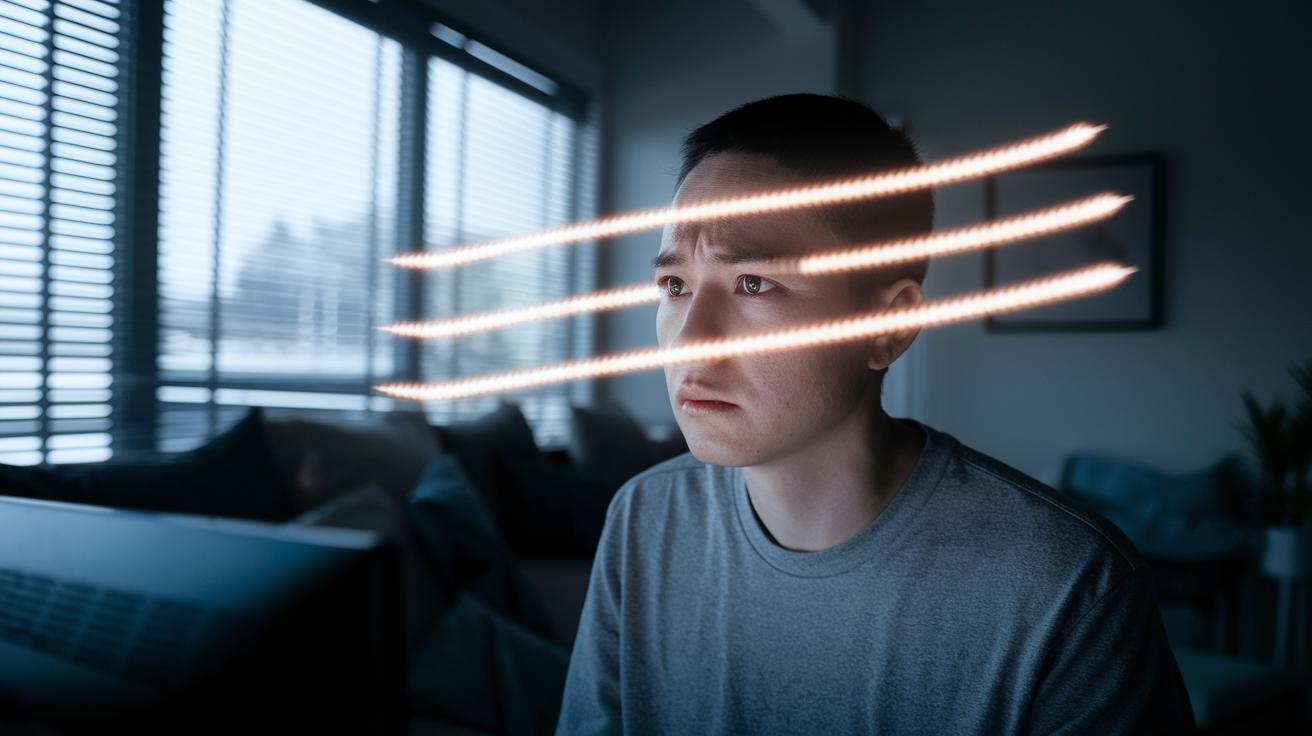
Quick take: You may see flickering lights or a blind spot before a migraine starts. If these signs feel new or severe, call emergency services immediately.
Triage:
• If you experience new weakness, slurred speech, or confusion along with these vision changes, call emergency services now.
• If your symptoms last longer than 60 minutes or get worse, seek urgent care.
• If you notice a sudden change in your usual migraine pattern, contact your clinician.
Migraine aura is a group of warning signs that a migraine may follow. Often, you might see flashing lights or zigzag lines and even have a temporary blind spot before the head pain begins. Recognizing these signs can help you take steps to ease your discomfort when the migraine hits.
Common aura signs include:
• A shimmering blind spot (scintillating scotoma)
• Flashing lights or stars
• Zigzag or fortification spectra (jagged lines or shapes)
• Temporary blind spots
• Shifting visual distortions
These signs happen because of a wave of electrical activity in the brain’s visual area, known as cortical spreading depression (a wave that moves through the part of your brain that processes vision). This wave causes brief visual changes that last from 5 to 60 minutes, setting the stage for the migraine headache. The brain’s response to this wave can also lead to a throbbing head pain and increased sensitivity to sound. Noticing these early sensory changes can be key to managing your migraine more effectively.
common physical signs of migraine: Bright Signs Ahead
Quick take: Sudden sensitivity to light and sound may signal a migraine coming on.
If you have these emergency signs, call emergency services now:
- Severe head pain that worsens with bright light
- Intense eye strain with a burning sensation
- Overwhelming noises that make normal sounds unbearable
For urgent care, try these steps immediately:
- Dim your surroundings by closing curtains or using sunglasses indoors.
- Use earplugs or move to a quiet room.
- Keep track of your symptoms and note any changes.
Migraines often bring a strong reaction to light and sound. When bright light hits your eyes, you may feel a burning strain and a worsening headache. This pain can feel like a heavy, pounding pressure that pushes you to find a darker space quickly. Similarly, everyday noises can seem overly loud. Even soft sounds might turn a tolerable headache into a severe one. Reducing these sensory inputs can ease your pain and may even shorten the migraine attack.
Everyday activities, like cooking or talking with family, can feel difficult during a migraine. This extra sensitivity is a clear sign that you need to adjust your routine and take extra care until your symptoms ease.
Gastrointestinal and Systemic Responses: Nausea, Vomiting, and More

Most people with a migraine feel sick to their stomach. About 90% say they feel nauseous (queasy) and nearly 70% experience vomiting. This upset feeling can start as the headache builds or even a little before the pain peaks. Your stomach might churn, making it hard to keep food down. This shows that a migraine can affect more than just your head.
Some people notice early signs before their headache begins. You might yawn a lot or suddenly feel the need to urinate hours before the pain hits. These early warning signs mean your body is getting ready for an attack. You may also feel foggy or have trouble thinking clearly. Noticing these symptoms can help you and your doctor understand your migraine pattern and improve your care plan.
Musculoskeletal Clues: Neck Stiffness, Scalp Tenderness, and Muscle Tension
Quick take: Migraine pain may start with neck and scalp tension.
If you notice these signs, monitor them closely and seek help if they get worse.
Many people with migraines feel pain that goes beyond their head. You might sense a stiff neck or tight muscles on the same side as your headache. Your scalp may feel sore and heavy, almost like something is pressing down on it. This soreness can go along with tight neck and jaw muscles, making activities like turning your head or chewing hurt. All of this adds to the throbbing head pain you already feel and might even heighten your sensitivity to light and sound.
These body signals can act as early warnings. When you feel neck stiffness or scalp tenderness before your main headache hits, it might be telling you that a migraine is on its way.
Migraine Attack Phases and Key Timing Indicators

Quick take: Migraine attacks often follow clear phases that can help you know what to expect.
If you have any of these emergency signs, call emergency services now:
- Sudden, severe headache that is unlike any you have had before
- Weakness or numbness on one side of your body
- Confusion, trouble speaking, or trouble understanding others
- New or sudden changes in vision
If your migraine lasts more than 72 hours or you notice new, severe symptoms, seek same-day medical care. Otherwise, track your signs and rest as you follow your care plan.
Prodrome
Before the pain starts, you might notice early warning signs. In this phase, you may experience unexpected yawning, mood changes, or a feeling of heaviness in your head. You could also feel some neck stiffness or gentle pressure around your eyes. These signs can appear hours, or even days, before the full migraine sets in, giving you a chance to prepare.
Aura
Some people then move into the aura phase. You might see flashing lights, zigzag patterns, or small blind spots, and these changes usually last for 5 to 60 minutes. This phase is your brain letting you know that a migraine is on the way. Not everyone experiences this, but if you do, it provides an extra clue to watch for next.
Headache Phase
The headache phase is what most people think of as a migraine. The pain may start slowly and then build into a strong, throbbing pain that often focuses on one side of the head. Simple actions like moving your head, facing bright lights, or being in noisy places can make the pain worse. This phase can last anywhere from 4 to 72 hours, with the pain sometimes coming and going.
Postdrome
After the main headache, you move into the postdrome phase, a recovery period. During this time, you might feel very tired, a bit foggy, or even have a mild headache. Think of it as winding down after a hard effort. Noticing these phases can help you and your clinician understand how your migraine develops and ends.
Final Words
In the action of catching early migraine signs, this guide breaks down key symptoms and phases. We covered everything from pulsating head discomfort and light-induced eye strain to nausea and neck stiffness. Our clear checklists help you quickly spot red flags and decide if immediate care is needed or if home monitoring will suffice. By tracking your symptoms and knowing what to expect, you can act safely and share focused details with your clinician. Keep this guide handy and remember that common physical signs of migraine can steer you toward prompt, secure care.